

New legislation could allow Fairfax County to establish exceptions to no-turn restrictions for local residents.
Last year, McLean residents shot down a plan to eliminate cut-through traffic because it would also limit street access for residents, but new legislation could allow a middle-ground option.
At a Fairfax County Board Transportation Committee meeting today (Tuesday), staff discussed a proposal that would give local residents permits to exempt them from cut-through restrictions either currently in place or to be established.
Dranesville District Supervisor John Foust said the idea came from a local citizen and was presented by Del. Kathleen Murphy (D-34th District) to the Virginia legislature, who sponsored HB 2033. The legislation allows Fairfax County to “develop a program to issue permits or stickers to residents of a designated area that will allow such residents to make turns into or out of the designated area during certain times of day where such turns would otherwise be restricted.”
Neil Freschman, section chief of traffic engineering at Fairfax County Department of Transportation (FCDOT), said the program would be jointly administered by FCDOT and the Virginia Department of Transportation (VDOT) to specifically handle traffic that has neither origin nor destination on the road in question.
“This is only relevant for cut-through turns,” Freschman said, “not safety restrictions.”
Once a cut-through restriction is put into place, Freschman said a letter would be sent out to local residents letting them know how to file for a permit.
Currently, staff said there are only two areas that have relevant cut-through restrictions: both of them in the Mason District, but Foust noted that there are places in the Dranesville District where this kind of permit could be a solution to transit woes.
“We don’t want to enforce it against residents, but they say it’s all or nothing: we enforce it against everybody or we don’t enforce it against anybody,” Foust said. “[This idea] allows residents to make the turn onto their own streets if there was a cut-through restriction.”
Staff estimated that developing the new ordinance could take six months, followed by seven months of updating agreements with partner agencies and designing the new permits, and a year to work with a contractor to develop new software. Part of that process would be determining permit-eligible areas and determining if a fee should be charged to residents for the permits, which staff currently does not recommend.
Staff also noted that permits would be issued to vehicles registered at permit-eligible addresses and would not be available to visitors, caregivers, service providers, relatives or others. After questioning from the committee, staff said they would look into seeing about easing that limitation.
Enforcement of the policy would be conducted on a complaint basis, staff said, rather than as a daily activity. Difficulties like low-light conditions and potentially confusing factors, such as unclear signage, were also noted in a report on the project.
The committee approved of staff moving forward with the plan to build guidance and to work with Fairfax County Police to ensure the program is enforceable. The project is expected to return for public hearing and consideration in early 2020.
“This is a breakthrough,” said Board of Supervisors Chairwoman Sharon Bulova. “We’ve never been able to use a tool like this, but the state legislation allows us to do that.”
Photo via Flickr/Mike Goad

The candidates running to become the next chairman of the Fairfax County Board of Supervisors will debate each other on climate change, affordable housing, transportation and land use tonight (May 13).
Four Democrats and one Republican are vying for Sharon Bulova’s seat.
Republican Joe Galdo, a former Defense Department technology intelligence analyst who ran for Congress as a Green Party candidate, is the most recent addition. The Democratic candidates include Reston developer Timothy Chapman, Fairfax County School Board Member At-Large Ryan McElveen, Lee District Supervisor Jeffrey McKay and Georgetown Law Professor Alicia Edith Plerhoples.
Sharon Bulova announced her retirement decision back in December, adding to a growing list of supervisors who also decided not to seek re-election. In addition to the chairman, the seats for the Hunter Mill, Providence, Braddock and Lee districts are open to newcomers.
The Faith Alliance for Climate Solutions partnered with the Fairfax Healthy Communities Coalition for the debate ahead of the June 11 primaries. The upcoming election for the county’s Board of Supervisors will take place on Nov. 5.
The debate will be televised at 8 p.m. on Fairfax Public Access Channel 10’s Inside Scoop.
Photo via Facebook

Fairfax County’s Board of Supervisors wants more analysis of data that points to the disproportionate use-of-force against black individuals by county police.
Two years ago, the Fairfax County Police Department released a study that found that 40 percent of use-of-force cases in 2015 involved black individuals.
In response to the study’s release, the board directed Police Auditor Richard Schott “to review the statistical disparity between the level of African-American use-of-force incidents and the African American population in Fairfax County,” according to the county.
Completed last year, Schott’s study on the police department data didn’t satisfy the supervisors’ questions.
“The report did not yield any clear causes based upon race, but noted additional evaluation of use-of force data would be needed for the following years,” Chairman Sharon Bulova said yesterday reading from the motion. She added FCPD has new procedures and trainings that might provide more useful data on use-of-force interactions.
Following the 2017 study, Police Chief Edwin Roessler has been trying to find an academic partner to help with data analysis for further use-of-force studies, but hasn’t found a “suitable” partner yet, Bulova said.
In a joint effort, Bulova and Braddock District Supervisor John Cook presented a motion yesterday (May 7) to direct the police auditor to coordinate the search for an academic or researcher to review the disparity and then report findings and any recommendations to the board.
“As the Police Auditor has experience with compiling similar types of reports, I am in favor of the Police Auditor’s office overseeing the search for an academic partner and completion of the use-of-force study,” Bulova said.
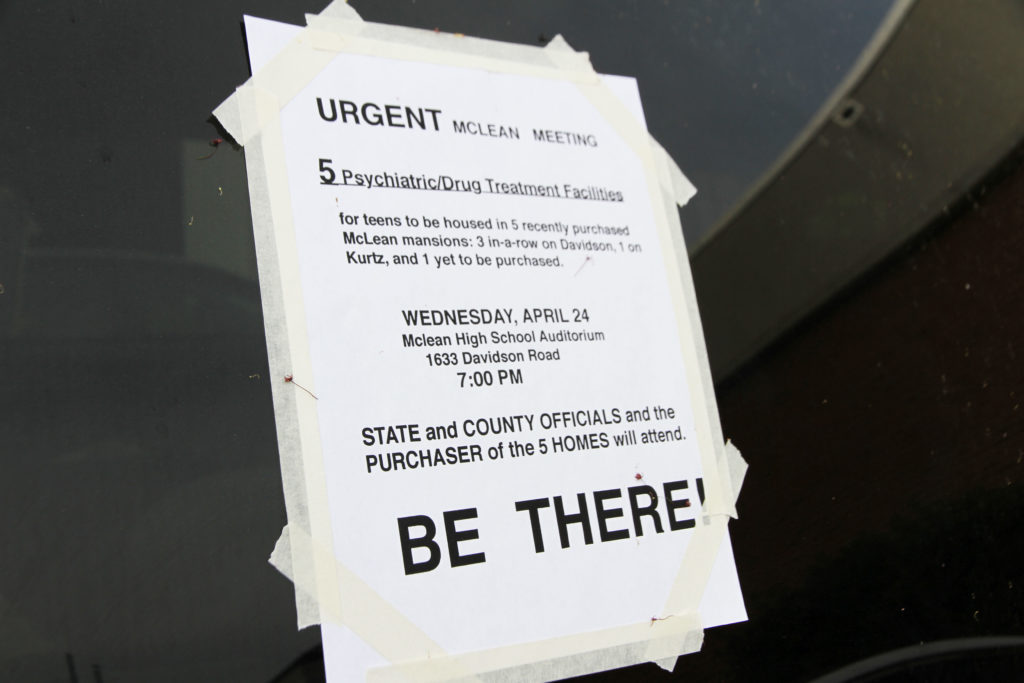
Tensions reached a boiling point last night (Wednesday) in McLean as local residents threatened to run a therapy center out of town — legally or illegally, in the words of one neighbor.
A series of new group homes by Newport Academy, a corporation that runs therapy programs treating teenagers with mental health or addiction problems, are planned for a residential neighborhood.
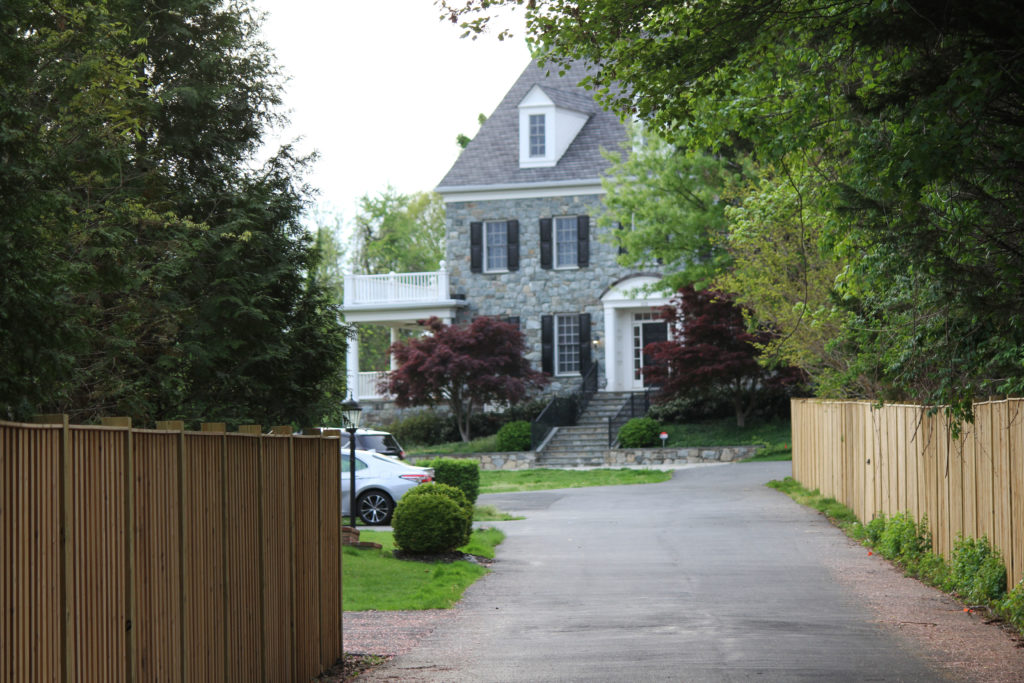
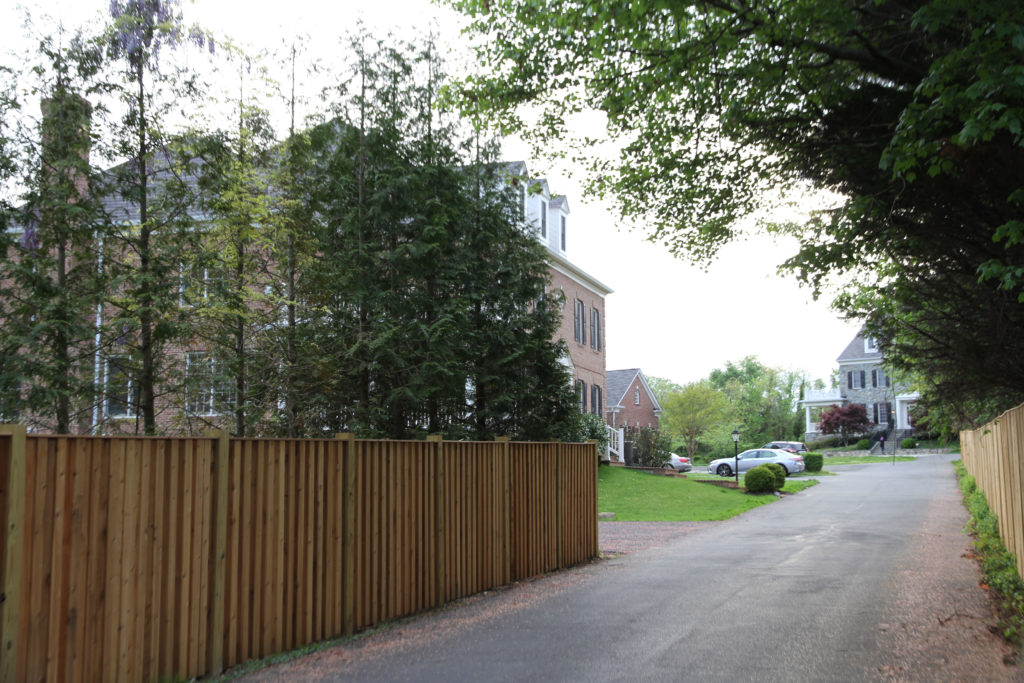
Three of the homes — 1620, 1622 and 1624 Davidson Road — are clustered on a private cul-de-sac one block away from McLean High School, while another one is going in at 1318 Kurtz Road.
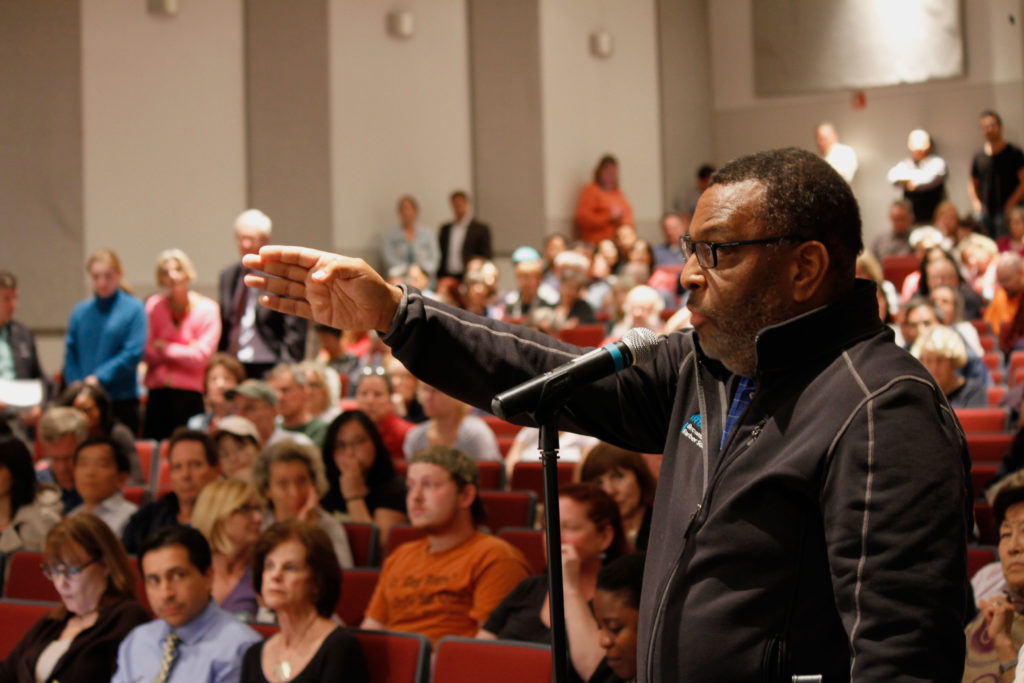
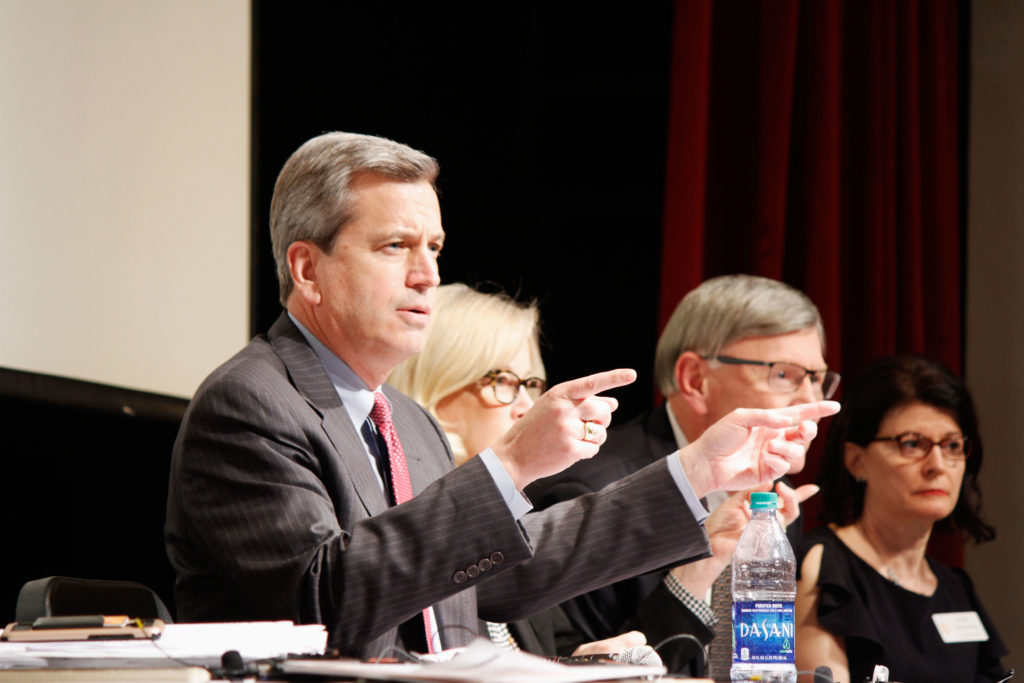
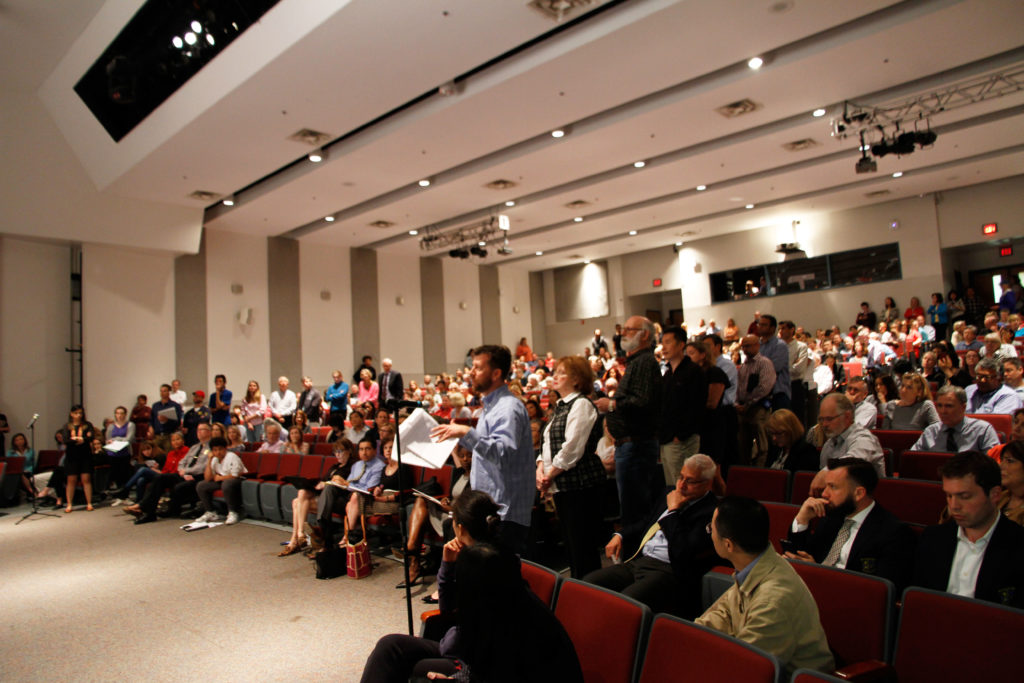
Representatives from the project, several elected officials and Fairfax County staff started a community meeting in the McLean High School auditorium with presentations about the project, but the more than four-hour-long public hearing after the presentations showed that the project has struck a deep nerve with the local community.
On one side were the Newport Academy staff and a handful of supporters in the audience who said the program is necessary to help deal with the local mental health crisis. Teenagers or adults who said they had struggled with mental health issues described the difficulty of finding treatment facilities in the area. These stories were frequently interrupted by a chorus of booing from the audience — at least once in the middle of a young woman recounting her trauma following a sexual assault.
But opponents of the project — mainly nearby residents or parents with children at McLean High School — comprised the vast majority of the standing-room-only audience in the auditorium.
While they were united in opposition to the project, their reasons varied. Del. Rip Sullivan (D-48th District) conducted an impromptu poll of the audience, and half said they are opposed to any group home while the other half would be fine with just one, but opposed the cluster.
“It’s three houses side by side; it’s a compound,” Robert Mechlin, a nearby resident, told Tysons Reporter. “If I want to build a shed, I have to get a permit. Why isn’t this the same litmus test?”
Mechlin also echoed concerns about how residents of the facility would affect safety in the nearby neighborhood. In the small town of Bethlehem, Conn., students at the Newport Academy were responsible for at least two criminal incidents — the theft of a car and a student who stole bottles of vodka from a local bar. Throughout the evening, nearby residents said the prospect of the treatment facility next door makes them feel unsafe.
Newport Academy Founder and CEO Jamison Monroe said security tightened after the incidents in Connecticut. A presentation on the project noted that alarms would be attached to every door and window and the students would be closely supervised by staff. Later in the meeting, Monroe offered to pay for a security guard to monitor the site, but by then the public concerns around the project ballooned beyond just security.
The secrecy and allegations of deception surrounding the purchasing of the property were also recurring themes among the opponents. Neighbors said that after the properties were purchased, the real estate agents who orchestrated the deals told neighbors they were subject to non-disclosure agreements.
“I was told multiple times that [the development] was for a wealthy individual,” Steve Wydler, a leasing agent with Wydler Brothers Real Estate in McLean, said. “It was only after construction started that we were told the project was under an NDA.”
Monroe admitted that he didn’t know why the non-disclosure agreements were put into place.
“I’ve learned some things about our real estate agents this evening that I was not aware of previously,” Monroe said.
Marc Lampkin, who became one of the unofficial orchestraters of the opposition from a seat in the front row, said the facility would extract money from the students and leave the neighborhood with problems.
“We all appreciate the notion of treatment, but the single biggest concern is that you failed the good neighbor policy out of the box,” Lampkin said. “You hired a real estate agent who bought the property with lies and misrepresentation. You are a for-profit entity and you’re driving a truck through a loophole [in Fair Housing law].”
As frustrations escalated throughout the evening, Monroe became the main target of the community’s rage, with local residents calling him smug, arrogant and a “son of a bitch” several times.
Caught between the two, the elected officials expressed unhappiness with the project, but said it was being redeveloped by-right and left their hands tied.
Two of the rallying cries from the opposition were “Remember Sunrise” — a reference to a plan by Sunrise Senior Living Facility that the Board of Supervisors denied following widespread public outrage — and a promise to oust elected officials if they didn’t vocally oppose the project.
“I do not support three houses on the same site,” Dranesville District Supervisor John Foust said. “But it is the law. In my opinion, one company buying those properties changes the character of the neighborhood. I oppose that. But we do not see a way to stop it.”
The county argued that the project is a group home, which is considered a “by right” development — meaning there’s no requirement of public notice and no zoning approvals needed from the county. Several of the politicians said they first heard of the project when the outrage started.
“I am not at all surprised to see this turnout,” Sullivan said. “Three weeks ago, our emails lit up with questions and comments.”
Complicating the issue, the Fair Housing Act makes it unlawful to discriminate against individuals because of a handicap or disabilities, which the Code of Virginia says includes residential facilities housing individuals with mental illnesses.
But several opponents noted that there are ways around that protection. Some locals questioned whether the project qualified as a group home. Wydler said that the project might not qualify as a residence — a crucial part of the project’s status as a by-right development — given that the average length of stay for students of the program is substantially less than the 183 days that the tax code considers residency.
Fairfax County Attorney Beth Teare said the county was still looking into the zoning regulations and rules surrounding the project. The group’s license application is still pending before the Virginia Department of Behavioral Health and Developmental Services.
If the licenses are granted, Monroe said the facilities could begin operation within a few months. If it does, at least one attendee threatened to file a lawsuit.
Regardless of the outcome, Sullivan said he and other elected officials would look into closing what the public saw as fair housing loopholes.
“One of the things I want to look at moving forward is making sure there is more advanced notice of this sort of thing,” Sullivan said.
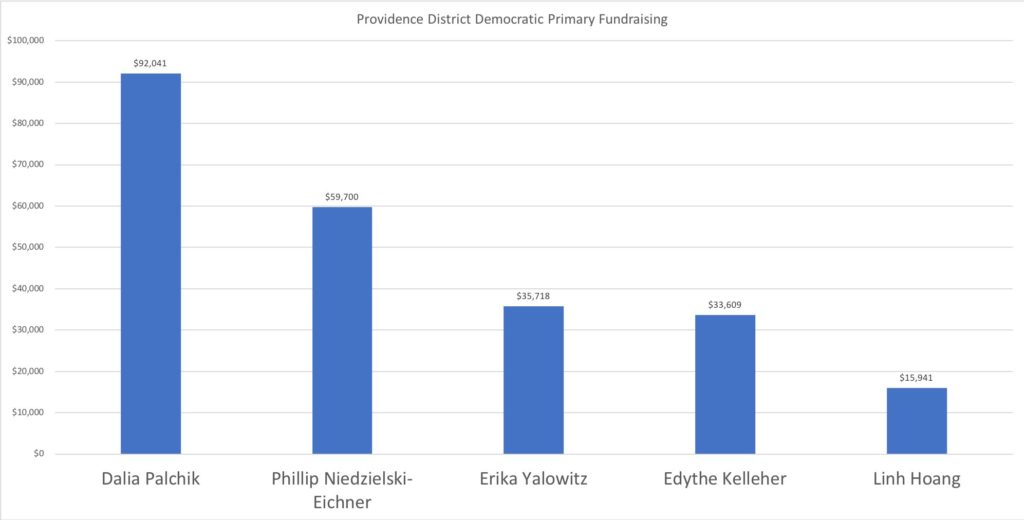
(Updated) Two months before the Fairfax County Democratic Primary, the race for the Providence District seat at the Fairfax County Board of Supervisors is shaping up to be an expensive race.
Since July, the Virginia Department of Elections reports that the candidates have raised:
- Dalia Palchik: $92,041
- Phillip Niedzielski-Eichner: $59,700
- Erika Yalowitz: $35,718
- Edythe Kelleher: $33,609
- Linh Hoang: $15,941
While the campaign finance reports would show Palchik with a substantial fundraising lead, according to the report a $39,450 contribution was made on Jan. 15 from the “Friends of Dalia Palchik” campaign committee.
“As with some other races, I transferred funds I was raising under my prior account to my new account for Supervisor,” Palchik wrote in an email. “This was done after consultation with the Board of Elections as to the best way file my records. Therefore, all funds for my campaign are now under the new account, but the transfer reflects all of my funds raised to date, including those raised prior to Jan 15.”
If the funds shuffled from one campaign committee to another are excluded, Palchik’s fundraising total would be $52,591 — putting her in second place behind Niedzielski-Eichner.
The reports also show campaign contributions from several prominent local Democrats. On Dec. 21, Niedzielski-Eichner received an early Christmas gift from the ‘Friends of Linda Smyth’ — the campaign fund for outgoing Providence District Supervisor Linda Smyth — in the form of a $23,325 contribution.
Palchik has also raked in funding from other Democrats, though, like a $500 contribution from outgoing County Board Chair Sharon Bulova’s election campaign on March 11. Palchik also received funding from Alexandria City Councilman Canek Aguirre.
Kelleher received $500 in support from Mason District Supervisor Penelope Gross. Nearly two-thirds of Kelleher’s fundraising total — $20,000 of the $33,609 total — is from Kelleher.
No incumbent members of the Board of Supervisors show up in Yalowitz’s fundraising tally, but there is a $650 contribution from the local PAC Brass Ovaries and a $200 contribution from former lieutenant governor candidate Gene Rossi, who has recently raised the topic of running for office again in the wake of the scandals in Richmond. Yalowitz has also spent a total of $5,502 on her own campaign.
Hoang trails the other candidates in fundraising. Hoang entered the race late, and “Friends of Linh Hoang” doesn’t report any contributions prior to March 26.
The primary will be held on June 11.
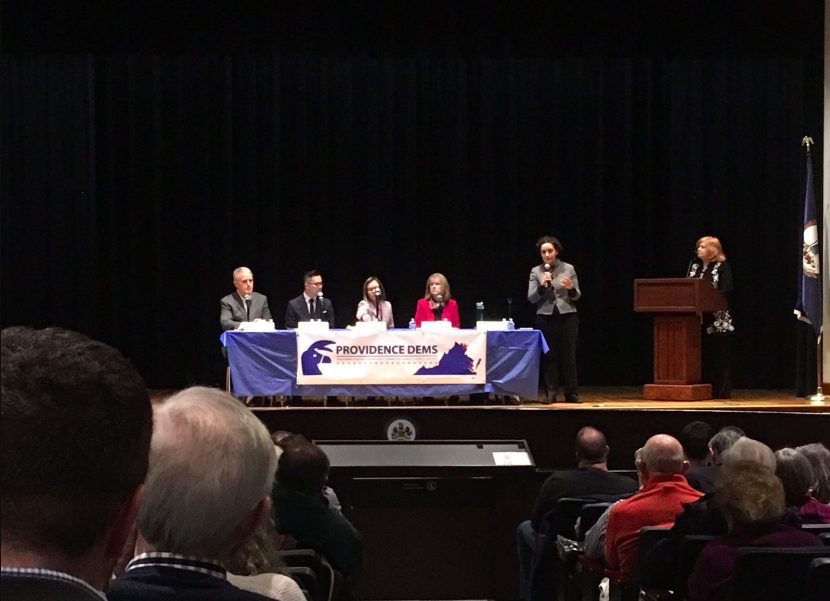
The Providence District is growing rapidly — in no small part because of Tysons — but a recurring theme at the debate between the Democrats running for the Board of Supervisors is that growth is leaving many in the area behind.
During a forum on April 1 at Jackson Middle School, the five candidates running to replace Supervisor Linda Smyth found themselves mainly in agreement on issues like affordable housing and Amazon coming to Arlington, though the solutions and concerns varied between candidates.
On affordable housing, School Board member Dalia Palchik said Fairfax County should be doing more to turn office vacancy into affordable housing.
“Other jurisdictions [are doing more] to repurpose offices into mixed-use housing,” Palchik said. “I want to make sure we are able to do it.”
Palchik also noted that Fairfax County’s affordable housing fund is only around $7 million while neighboring Arlington’s is around $25 million, though others like former Vienna Town Council Member Edythe Kelleher were more direct in saying the County may need a tax increase to pay for more affordable housing.
“It all starts with housing affordability,” said Kelleher. “People’s other burdens are related to that. I recommend another full penny [on the tax rate] for affordable housing.”
Erika Yalowitz, a candidate from the Tysons area, said the County might need to increase the tax rate by two or three pennies specifically to meet affordable housing needs. Yalowitz also said the County needed to do more to help make rezoning for potential residential properties easier.
Linh Hoang, a fairly new candidate to the race, said the County should do more to work with local churches and build on church properties.
Only Phil Niedzielski-Eichner, who currently represents the Providence District on the Planning Commission, urged some caution on how increasing the tax burden could inadvertently impact residents most in need of assistance.
“It’s resolvable through creativity and innovative investments,” said Niedzielski-Eichner. “I like the ideas I’ve heard from my colleagues… but when we talk about increasing cost of taxes on homeowners, we have to bear in mind that there are homeowners who no longer have income coming in and they see property values increasing. There needs to be an attention paid to having those individuals cap their taxes.”
Niedzielski-Eichner noted that the crisis of affordable housing in Tysons was driven partially by an increasingly high demand — and cost — of land in the area.
It’s a topic that came up again when the discussion focused on a Fairfax County Public Schools plan to potentially build a new elementary school on Blake Lane Park near Vienna. All of the candidates, including Palchik, expressed doubts about the prospect.
“I understand the needs of schools but do not support building a school on Blake Lane Park,” Yalowitz said. “When a park is gone, it’s gone for good. Building onto parks is not the best way to build sustainable growth.”
Kelleher said that the site was proffered 42 years ago to be used as a school one day, but that it has since been used by the public as a park and should only be used as a school as an absolute last resort.
Finally, all of the candidates expressed a cautious enthusiasm for Amazon’s announcement of a large new office campus in Arlington.
“I think it’s really exciting that Amazon is coming to our region,” Hoang said. “It’s going to spur economic development, but we need to work with jurisdiction to bring those good jobs here.”
Niedzielski-Eichner said Amazon’s arrival was part of an essential economic diversification for an area he sees as overly reliant on the federal government for the vitality of the economy. But Niedzielski-Eichner also argued that the company’s arrival also puts lapses in the area’s infrastructure planning in the spotlight.
“But when we talk about growth, have to do it smart,” Niedzielski-Eichner said. “We have too wide a gap between when projects are approved and the infrastructure is built to support that project. Need to narrow the gap between development and infrastructure.”
Palchik also tied the question of Amazon’s impact in with earlier discussions on affordable housing.
“It will impact our economy but it will create new challenges,” Palchik said, “especially on the eastern side of Providence and especially when it comes to affordable housing.”
The primary will be held on June 11. The final voter registration deadline is on May 20.
Photo via Twitter

Developers of a distinctive curved-glass tower called One Tysons East have promised to make peace with the local bird population and improve nearby roads.
With an endorsement from both the McLean Citizens Association and the Planning Commission at last night’s (Wednesday) meeting, approval of rezoning for the project at a Board of Supervisors meeting next Tuesday (April 9) seems likely.
But while the project seems to have had a relatively smooth development track so far, Providence District Planning Commissioner Phillip Niedzielski-Eichner noted that it raises issues in the air and on the ground that will need to be addressed as more of Tysons East is developed.
There are 27 pages of proffers — accommodations on the part of the developers offered to Fairfax County to get a development approved — associated with the project. Among them are a series of transportation improvements for Old Meadow Road, including new street lanes and a potential bike lane.
But Niedzielski-Eichner noted that new developments planned throughout Tysons East are going to put a considerable strain on the four-lane street.
“There are existing traffic issues on Old Meadow Road today, and will be as future already entitled developments are constructed that are significant and beyond the scope of this single zoning application,” said Niedzielski-Eichner. “Solutions will require all stakeholders on Old Meadow Road to resolve. I recommend staff identify concrete steps to help mitigate traffic and queuing on Old Meadow Road.”
Niedzielski-Eichner also said problems with how the glass building might impact birds came up during the development process. The proffers included an obligation on the developer to make changes to the building design to deter bird-strikes.
According to the proffers:
In an effort to reduce bird injury and death due to in- flight collisions with buildings, the Applicant will include one or more bird friendly design elements, as determined by the Applicant, in the design plans of the building. The bird friendly design elements may include, but not be limited to, the use of color, texture, opacity, fritting, frosting, patterns, louvers, screens, interior window treatments, or ultraviolet materials that are visible to birds, the angling of outside lights, curbing of excessive or unnecessary night-time illumination in commercial buildings, reduction of bird attracting vegetation, the use of decoys, and breaking of glass swaths.
It’s estimated that between 365 million and 988 million birds are killed in the United States each year from crashing into windows, with an average 24 expected to die annually at a single skyscraper.
“There was a request for clarification of how we intended to meet bird-friendly design guidelines in the proffer commitment,” said Scott Adams, representing the developers. “We’re happy to commit to work with staff to ensure the goals of bird-friendly design are met with the design of this building.”
Image via Akridge
A new mixed-use residential and commercial development called Hanover Tysons has been approved by the Fairfax County Board of Supervisors.
The 420-unit project in Tysons’ North Central district was unanimously approved at the Board’s meeting on March 19, the Sun Gazette reported, with Supervisor Linda Smyth (D-Providence) lauding the project for its street grid improvements and its incorporation of a 1.13-acre public park.
As we reported, it had gotten the green light from the Planning Commission five days prior. From that article:
The Hanover Company’s plan is to demolish the vacant seven-story office building that was built in 1983 and replace it with a new residential development.
The new residential building would be between five to seven stories with up to 420 dwelling units and include ground-level retail and nearby park space.
In keeping with Fairfax County’s efforts to promote more affordable housing around Tysons, workforce housing will make up 20 percent of the total units, according to the staff report.
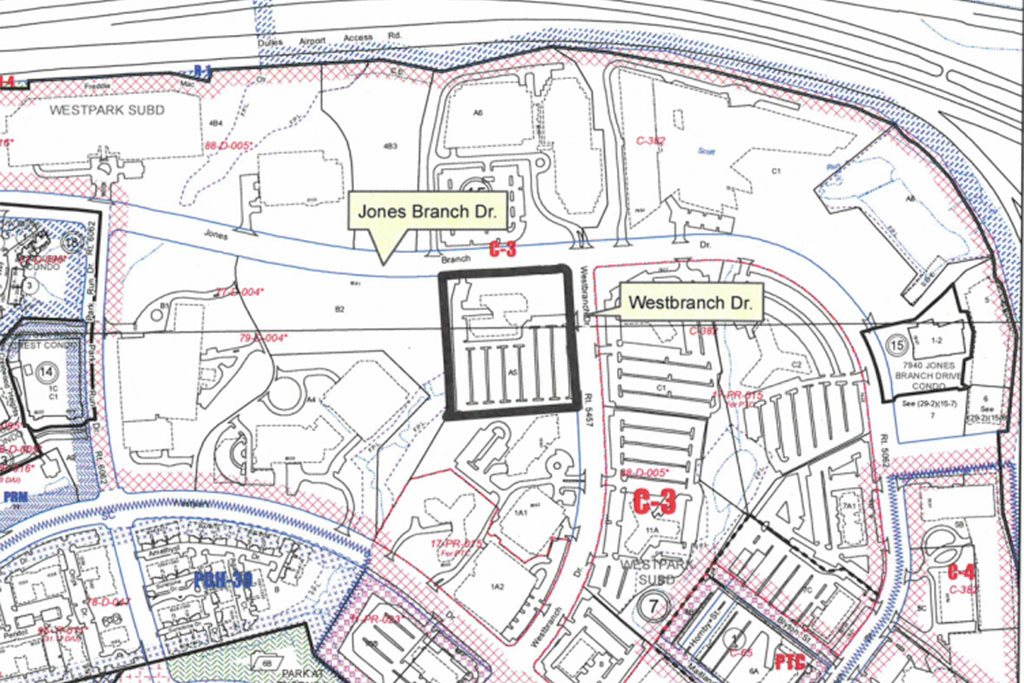
Located just west of Jones Branch Park at 1500 Westbranch Drive, Hanover Tysons is a little under one mile from the Tysons Corner Station.
The county’s Board of Supervisors is set to take up the proposal with a public hearing next Tuesday (March 19).
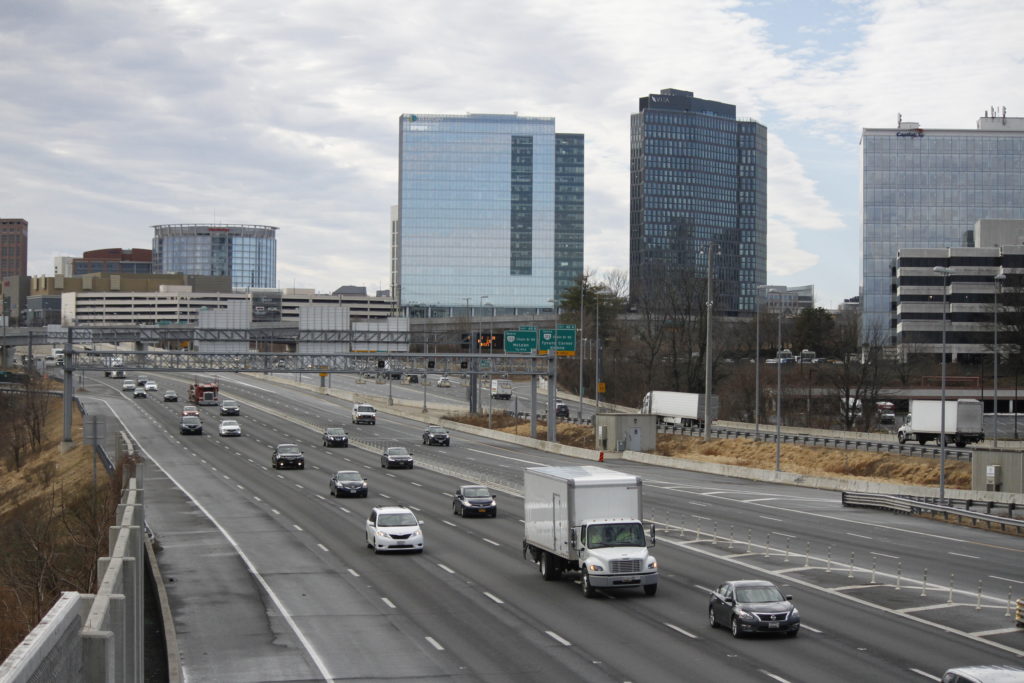
Several new streets and major improvements to existing ones are in the works for Tysons.
The Fairfax County Board of Supervisors made a small adjustment on Tuesday (March 19) to make developers pay a little more of their share, but the report offers a glimpse at what’s ahead for local roadways.
With no discussion, the Board voted unanimously to approve a 1.9 percent increase in the developer contribution rate to the Road Fund and approval of guidelines for those funds’ usage in Centreville and Tysons.
“One of the principles of the Comprehensive Plan for each of the road fund areas is that development above the baseline level established in the plan may be approved, if developer mitigates the impact of such increased density or intensity by contributing to a fund for the provision of off-site road improvements,” staff said in a report. “All aforementioned road funds function in this manner.”
The staff report also included a list of transportation projects either underway or in planning for Tysons’ streets.
- Route 123 Improvements: Changes planned for Route 123 in Tysons East in the early stages of being developed as a “superstreet,” which would modify left turn movements to facilitate regional through movement. The project has finished simulations and is currently undergoing initial design.
- Route 7 Widening and Interchange: A study has been recently completed on a plan to widen Route 7 and implement new improvements at the Route 123 interchange. Stakeholder meetings are planned for this summer.
- Cleveland Ramp Alternatives: A new ramp is planned to connect the Dulles Toll Road to new sections of the Tysons East grid of streets. Greater access to the Dulles Toll Road is part of several transportations discussions currently ongoing in Tysons.
- Jones Branch Connector: An alternative access route from eastern to western Tysons passing over I-495. The project is currently in construction with completion planned for this fall.
- State Street: A new street, named State Street, is being developed to connect Boone Boulevard and Greensboro Drive in Tysons. A study of the project has been completed and options for project implementation are being discussed.
- Lincoln Street: Another proposed new street to connect Route 123 to Magarity Road, intersecting with Old Meadow Road and other future streets. The core idea for the new street is to move traffic from existing developments northeast of Tysons Galleria to Magarity Road. A feasibility study is ongoing.
- Center Street: A new street planned within the Tysons urban center. A report is expected sometime this summer.
Many of the new streets listed in the report are centered around the areas northeast of Tysons Galleria and in Tysons East, the points at either end of the Jones Branch Connector and both planned sites for major redevelopment.
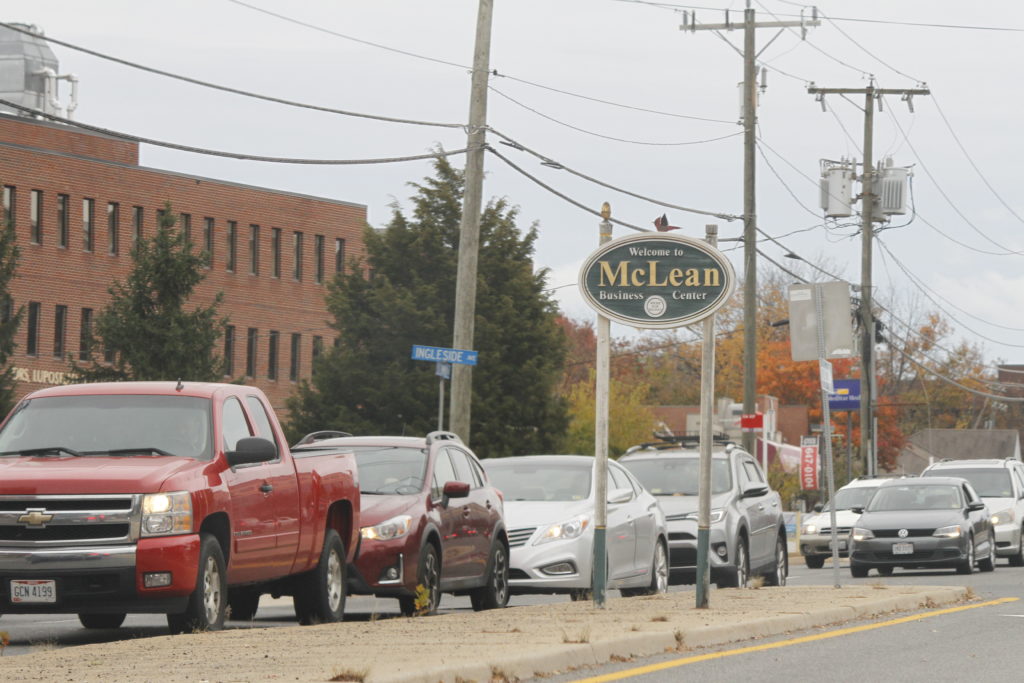
In what is a best-case scenario for an elected official, County Supervisor John Foust and others at last week’s Fairfax County Budget meeting in McLean said the new year’s spending plan has been fairly uncontroversial.
“In prior years it’s been much more controversial,” said Foust. “The budget this year seems to be generally accepted. People are happy that we’re holding the tax rate flat and I know people are thrilled that we’re able to fully fund the school operating budget.”
Others in the McLean Citizens Association said that the biggest talking point in the audience was concern over the McLean High School overcrowding, which is currently a School Board issue rather than a County Board one.
Foust noted that a leader of a local parent group spoke up and asked Superintendent Scott Brabrand about redistricting the school. At a School Board meeting last week, Brabrand said an update on solutions for McLean High School overcrowding would be released sometime in March.
Foust said 3.8 percent revenue growth, much of it driven by new development in Tysons, has given the Board flexibility to fund the School Board’s budget and funding for county priorities like gang and opioid prevention efforts. Foust said some of the biggest new items in this year’s budget are a series of environmental initiatives to address climate-change related issues.
But Foust also said one of the biggest criticisms of the budget has been that it doesn’t give enough to the county’s affordable housing programs.
“One issue that is not funded the way advocates would like to see funded is affordable housing,” said Foust. “There’s been so little concern expressed about this budget, but the extent that I’ve heard has been that we need to do more about affordable housing. I think the Board of Supervisors agrees and we’re working on that.”
Foust also said that there are concerns about the budget skipping a pay-raise for employees.
“There are concerns by employees that as advertised the Board does not pay full market rate adjustment to county employees,” said Foust. “We’re looking at our options to see if there’s anything to help find money in the budget to pay a little bit more.”
Public budget meetings are being held in each of Fairfax’s districts, but anyone wishing to address the Board of Supervisors directly regarding the budget is invited to speak at public hearings on April 9 and 11.