

This regularly-scheduled sponsored Q&A column is written by Val Sotillo, Northern Virginia-based Realtor and Falls Church resident. Please submit your questions to her via email for response in future columns. Enjoy!
Question: We are planning to buy a home in the D.C. area in the next 12 months. What should we know before buying a house that we can get started with now?
Answer: Whether you’re a first-time buyer, experienced buyer relocating from out-of-state, or moving locally here’s a list of things I review and plan out with clients before getting into the full swing of house hunting.
Requirements, Timelines, and Contracts
The most important thing you can do as a buyer is take time to become educated on the process, timelines and key contractual terms/obligations in the area you plan to search. This is also a good way to meet and vet different real estate agents early on to get a feel for who is willing to spend time with you up-front on education and planning vs pushing immediately for a sale.
Get Pre-Approved
It’s important to identify a lender who provides high quality service and also has loan products that fit your profile (down payment, credit score, job industry, etc).
Getting a pre-approval from a lender who reviews and verifies your financial documents, income, and employment will decrease the chances of you being rejected from a loan, increase your leverage in contract negotiations and reduce the amount of work required of you once you’re under contract.
Set A Monthly Budget
Most people qualify for more than they actually want to spend, especially dual-income buyers, so budgeting is important. Set a monthly budget for total housing expenses including mortgage, taxes, insurance and applicable Association fees or mortgage insurance.
Do You Want Representation?
Determine if you want to be represented by a Realtor (breaking news… I highly recommend it). In most cases, the seller pays commission to the buyer’s broker, so representation often comes at little or no cost to buyers.
Cash Needs + Savings
You need cash savings for your down payment + closing costs of 2.5-3% of the sales price. When your offer gets accepted, you need to deposit 1-5% of the sale price into an escrow account to secure the sale.
You’ll spend about $1,000 before closing on inspections and appraisal. Don’t forget moving expenses, furniture, painting, etc. You should have 3-6 months of emergency savings tucked away after everything is paid for.
How Long Will You Live There?
This is the most underrated conversation for buyers to have when setting a budget and determining criteria. Your home-buying strategy should look very different if you’re planning to own for 3-5 years vs 10-12 years so give it serious thought and be realistic.
Sometimes the best investment is buying a house that allows you to live there longer and eliminates one or more real estate transactions in your lifetime. The value you get out of being in a home for 10 years vs 3 years far surpasses a small increase in your budget.
Deadlines and Lease Terms
Figure out if you have any strict deadlines for the move and if there are costs of buying before or after that deadline. If you’re renting, make sure you find out the cost of early termination or if month-to-month leasing is an option.
I hope this list is helpful not just for local D.C. metro readers, but for anybody getting started with their home search and wondering what you should know before buying a house.
These are the conversations and steps I take with my clients every day to make sure they’re prepared and have the right strategy in place before we even look at homes together. I’m sure I left a few things off this list, but this should get you 95% of the way there.
If you’d like a question answered in my weekly column, please send an email to [email protected]. I hope to hear from you soon!
Val Sotillo is a licensed Realtor in Virginia, Washington D.C., and Maryland with Real Living At Home, 2420 Wilson Blvd #101 Arlington, VA 22201, 703-390-9460.
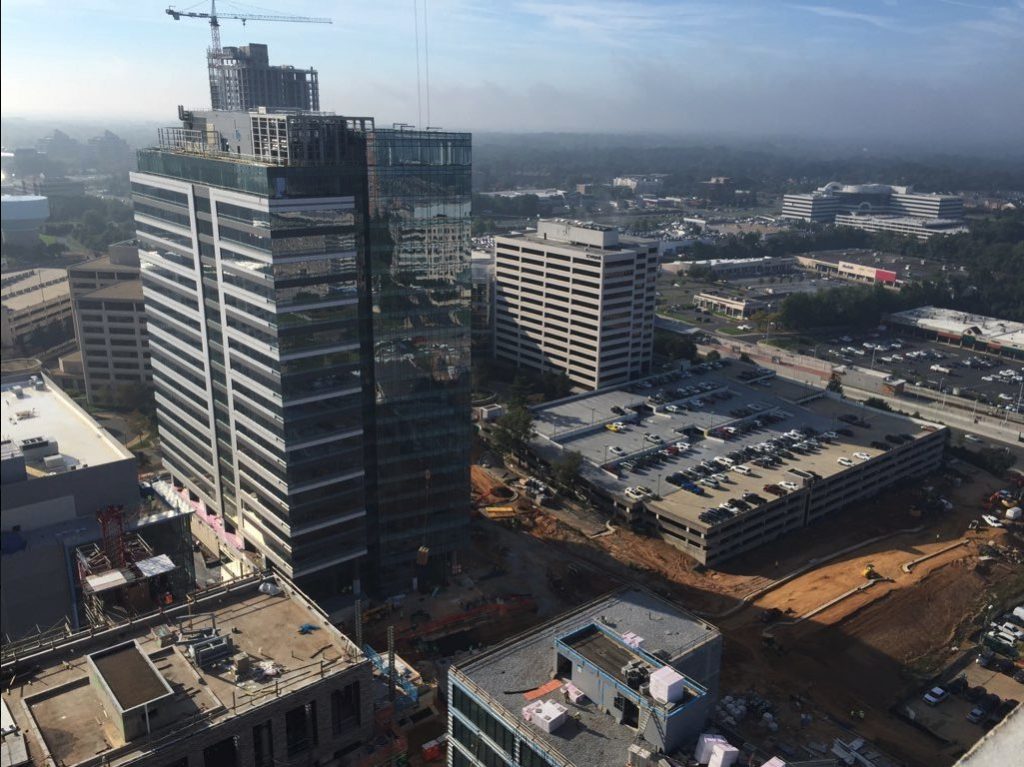
Much like “The Facebook” became just “Facebook,” what was founded as Tysons Corner is now just Tysons — at least, according to the federal government.
Compared to issues like traffic or a lack of affordable housing, it can seem like a small or pedantic difference, but Drew Sunderland, Director of Communications at the Tysons Partnership, said the effort to rebrand the rapidly urbanizing area between McLean and Vienna as “Tysons” — to “drop the Corner,” so to speak — is part of working towards building a cohesive identity.
“Rebranding Tysons is a core element of our charter,” said Sunderland. “Historically, Tysons Corner is synonymous with the [Tysons Corner Center] mall. It’s a vital anchor, but in terms of the greater community, the mall is a component but it’s not limited to the mall… it’s surrounded by millions of square feet of new development. It’s vital to understand that Tysons is more diverse than just a suburban mall.”
It’s an issue that’s even drawn heated feelings. There is at least one anonymous Twitter account waging a one-user-war on the “Corner” using the hashtag #dropthecorner.
— Tysons, VA (@TysonsVA) October 28, 2018
Virginia Case, Chair of the Board for the Tysons Chamber of Commerce, said the change from Tysons Corner to Tysons is part of the area shedding its image as a small suburban community.
“[We tend] to think of it in the way you think of one named people being celebrities,” said Case. “Cher. Madonna. Kesha. It works well for us to be Tysons.”
For advocates of the change, there’s been progress. In 2015, the U.S. Census Bureau, with some urging from the Tysons Partnership and Rep. Gerry Connolly (D), changed the designation of Tysons Corner to Tysons. Sunderland said the census, labeling Tysons a place identifiable as a settled concentration of population but not incorporated under state laws, is the most official recognition in existence.
The change has had a ripple effect, altering the names on federal mapping agencies and, by extension, its designation on mapping services that use that data like Google Maps. New developments, like The Boro, almost exclusively refer to the area as Tysons.
While many prominent voices in the Tysons area, like the Tysons Chamber of Commerce, are all on board with “Tysons,” at least one local group said they still believe there’s value in the “Tysons Corner” name. Though the group would only speak off the record, a representative said Tysons Corner still has brand recognition.
Other news outlets, for instance, often use Tysons Corner when referring to the area. Some online sites like Twitter, when asking for your address, autofill “Tysons” to “Tysons Corner.”
There’s also the issue of Tysons sharing the name with other established brands. When looking up information on Tysons the news is often saturated with scandals involving Tysons chicken or former boxer Mike Tysons’ ongoing efforts to start a marijuana farm.
“People are always going to mistake your brand,” said Case. “Even my grandmother, whenever she was taking a plane, would take ‘a bluejet.’ We really do look at this place being a landmark.”
Case pointed to Paris as a somewhat bold comparison to Tysons, noting that there is a Paris, New York and a Paris Hilton, but the Paris that claims the landmark status is the one in France.
“Tysons Corner sounds sleepy,” said Case, “not like a prominent urban center.”
Case and Sunderland both noted that the name change can sometimes be an uphill battle. Case said most often the confusion comes from people who were from the area when it was still called Tysons Corner and are returning. But when they actually see how the area has changed, Case said most people she talks to understand that the area has outgrown the old name.
“You’re always going to have pushback when you embark,” said Sunderland. “People won’t necessarily understand the purpose behind the change. But if you look out the window, Tysons is a city. There are major high rises. There’s incredible density. We’re a city.”
Photo (top) via Fairfax County Fire and Rescue/Twitter

Laura Schwartz is a licensed Realtor in VA, D.C. and MD with McEnearney Associates in McLean. Reach the office at 703-790-9090.
Monday, November 26, 6 p.m.: Church St Holiday Stroll
Santa arrives on his firetruck at 6:15 p.m. to greet children by the Freeman Store and Museum and will help the mayor light the holiday tree and menorah at 6:20 p.m. There will be music and marshmallow roasting stations.
Thursday, November 29, 7 p.m.: Tiny Tots Holiday Concert
The James Madison High School band program presents a seasonal music concert on Thursday and Friday at 10 a.m., along with a Thursday 7 p.m. concert. Tickets require advance purchase at $9/person. The concert takes place at JMS at 2500 James Madison Drive, Vienna.
Friday, November 30, 5 p.m.: Mosaic District Holiday Tree Lighting
Mosaic district welcomes Santa on his firetruck, the Vienna Singing Princesses, Chasing Autumn Trio and a screening of Dr. Seuss’s How the Grinch Stole Christmas, all surrounding a 7 p.m. Tree lighting ceremony.
Saturday, December 1-2, 9 a.m.: The Enchanted Forest by the Junior League of Northern Virginia
Hosted both Saturday and Sunday starting at 9 a.m., the Junior League of Northern Virginia hosts the Enchanted Forest at the Sheraton Tysons Hotel. Events include visits from Santa, crafts, live entertainment like the Great Zucchini and more. Tickets required.
Saturday, December 1, 8 a.m.: McLean Reindog Parade
Hosted by the McLean Chamber of Commerce – dress your dog up and walk in a parade for prizes! Santa on the firetruck will visit, along with donuts, hot chocolate and entertainment. Register here. Admission is 2 cans of dog food to donate to a local animal shelter.
Saturday, December 1, 4 p.m.: Wolftrap Holiday Sing-A-Long
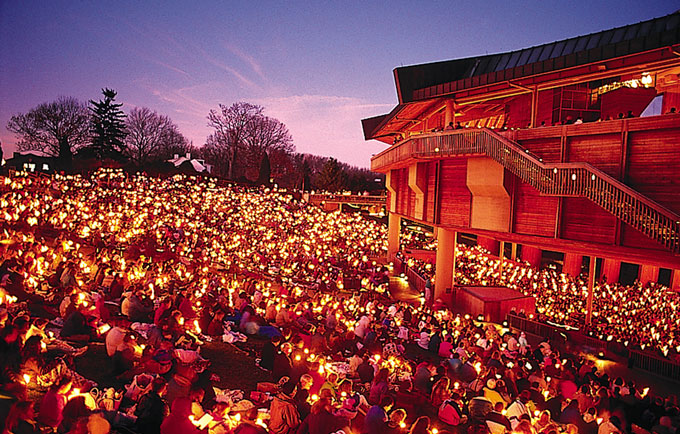
A FREE holiday sing-a-long concert starting at 4 p.m. Wolf Trap will be collecting new, unwrapped toys for Toys for Tots at the entrance. Admission is free and so is parking. If you bring a candle, you can join in the tradition of exiting the Filene Center with a candlelight processional.
Sunday, December 2, 8 a.m.: 2018 Santa Breakfast at Tysons

This is a sponsored column by attorneys John Berry and Kimberly Berry of Berry & Berry, PLLC, an employment and labor law firm located in Northern Virginia that specializes in federal employee, security clearance, retirement and private sector employee matters.
By John V. Berry, Esq.
There have been at least 10 states that have legalized marijuana over the past 5-10 years. The change in state laws has led to significant confusion by security clearance holders about their ability to use marijuana while holding or seeking a security clearance.
States like Massachusetts or California have legalized marijuana, but marijuana use remains illegal under federal criminal law as a Schedule I drug. The state and federal conflict in laws has caused both confusion and problems for security clearance applicants or holders.
Security Clearance Rules Governing Marijuana Usage
Security clearance holders and applicants frequently run into security clearance problems under Guideline H of the Security Clearance Guidelines (Security Executive Agent Directive 4) because they don’t realize that the use of marijuana, even in a state that has legalized it, remains illegal under federal law.
I believe that these guidelines will be amended in the next 5-7 years to change the use of marijuana from a complete ban to an abuse standard, like with alcohol, but the issue remains a problem today for those in the security clearance world.
Additionally, the type of marijuana which is used makes no difference (e.g. candy form, chocolate, brownie, smoking) under the guidelines. We have seen individuals that have had security clearance problems stemming from eating a single gummy candy which contained the active ingredients of marijuana.
We have defended many security clearance clients who have engaged in the light (or even one-time) usage of marijuana, who have had difficulties in overcoming the presumption that even minor use makes one ineligible to hold or maintain a security clearance. If the usage was a long time ago, this can significantly help mitigate a security concern, but the trickiest situations arise when marijuana usage has occurred within the past year.
The key in such cases is to attempt to mitigate security concerns by showing abstinence, changes in attitude, changes in associations with friends that engage in drug use and counseling, where needed.
Guideline H of the SEAD 4 states that:
The illegal use of controlled substances, to include the misuse of prescription and non-prescription drugs, and the use of other substances that cause physical or mental impairment or are used in a manner inconsistent with their intended purpose can raise questions about an individual’s reliability and trustworthiness, both because such behavior may lead to physical or psychological impairment and because it raises questions about a person’s ability or willingness to comply with laws, rules, and regulations. Controlled substance means any “controlled substance” as defined in 21 U.S.C. 802. Substance misuse is the generic term adopted in this guideline to describe any of the behaviors listed above.
Mitigation of Marijuana Use Read More

Every week the Eli Residential Group scours our network for off-market and pre-market homes to give home buyers and investors access to properties they can’t find anywhere else online. If you are interested in a property you see here or have specific needs you cannot find on the market, please reach out to us at [email protected] to talk to a real person, not an automated response system.
If you are a homeowner, investor, builder or agent who would like your off-market or pre-market property featured for a half million local readers on PoPville, ARLnow or Tysons Reporter, please email us at [email protected].
Massive Condo in Gates of West Falls
7025 Haycock Road, Unit G
Falls Church, VA 22043
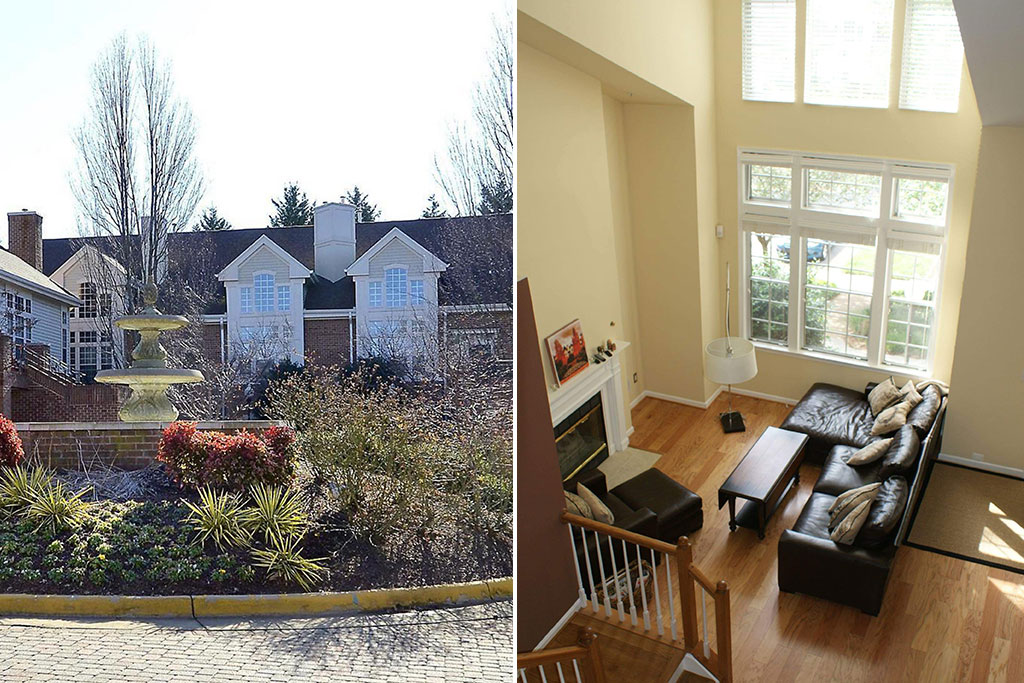
Description: Huge 2 bedroom, 2.5 bath condo with 2 garage spaces. 2,036 sq. ft. with floor to ceiling windows, updated bathrooms, gas fireplace and a huge patio. Renovations by Case Design.
Price: Low $600’s
Courtesy of RLAH Real Estate
To view all of our off-market or pre-market properties, visit the off-market section of our website. We add new properties every week.
The Eli Residential Group is a real estate team with RLAH Real Estate, (703) 390-9460, operating in Virginia, Washington, D.C. and Maryland. Contact the team directly at [email protected].
(Updated at 8 a.m.) To the casual viewer, Pimmit Hills is a sleepy subdivision just southeast of Tysons quickly being overshadowed by its neighbor. But Pimmit Hills is a neighborhood with a surprising depth of history and one that played a central role in much of the region’s development.
In her new book, “Participation, Community and Public Policy in a Virginia Suburb“, Patricia Donahue, a policy fellow at George Mason University’s Schar School of Policy and Government, follows the neighborhood across sixty years of history.
On Nov. 10, the book was awarded the Ross Netherton Prize, a $1000 prize awarded for a work covering local history.
Donahue said the book started almost ten years ago when she was researching public policy impacts on small neighborhoods.
“I looked for a community in Northern Virginia that I thought was typical of a middle-income community in the post-war era,” said Donahue. “I thought it would be a simple case study, but it just kept unfolding into one fascinating story after another. It really told the story of suburbia in one community.”
Pimmit Hills was built as a subdivision in the 1950s for veterans of World War II and the Korean War. Though today it is dwarfed by nearby development, when it was first built it was the largest subdivision in Fairfax County by far; four or five times larger than any of the others.
When it was first built, the neighborhood was surrounded by farms and fields, but today it’s completely surrounded by highways and development. Donahue compared it to real estate holdouts in major cities.
Donahue said it was fascinating to follow the same community, and often same families, through the turbulent latter half of the 20th century through today.
“So much happened there,” said Donahue. “They dealt with desegregation, [growing] infrastructure, the baby boom… they were part of Fairfax transforming from a rural community into an urban one.”
Donahue said she stumbled on various extreme viewpoints from people who were essentially neighbors. The topic of segregation was one that had bitterly divided the community.
“There were people who supported massive resistance to desegregation, with residents who were very comfortable using language we find tough,” said Donahue. “But at the same time, in the same community, there were three ministers who made a public statement six months after the Montgomery bus boycott saying they totally rejected segregation and they wouldn’t let their churches support it. In one community, it’s a whole range of views. People risking their careers and people who were like ‘there’s no way we’re going to let this happen.'”
Beyond just segregation, Donahue said there were some horrific crimes throughout the neighborhood’s history as well. During the 1960s, Pimmit Hills was a pseudo-headquarters for The Pagans, a notorious motorcycle gang. In 1970, members of The Pagans kidnapped rival gang members, tortured them in Arlington, then murdered them in the forest near Pimmit Hills.
Pimmit Hills also played a surprising role in regional and national history. Donahue said Charles Lewis, one of the early presidents of the Pimmit Hills Citizens Association, was a researcher on the first American exploration of Antarctica. Frances Lanahan, a journalist and daughter of novelist F. Scott Fitzgerald, once wrote a profile of the neighborhood.
But one of the most notable moments for Pimmit Hills was in the early 1950s when Fairfax County signed up to be one of the first large-scale tests for Jonas Salk’s new polio vaccine. After gossip columnist Walter Winchell alleged that the polio vaccine would end up killing children, Donahue said many other communities yielded to concerns and pulled out of the tests. But given the high mortality rate of polio in Fairfax, Donahue said the county was the only community to stay in the program.
“Imagine the courage of those families who agreed when no one else would to have their children immunized,” said Donahue. “Second graders in Pimmit Hills were among the first in the nation to get the vaccine.”
Whether the neighborhood can survive with new development pressures all around it remains in question. Donahue says she believes the neighborhood will continue to adapt and continue to survive.
“Like a lot of communities, they struggled with ‘hey, do we want development on our doorstep?'” said Donahue. “That’s still a struggle. Will they survive? I think they’re part of the change. If you drive through Pimmit Hills, every fourth or fifth house is a rebuild. They are changing it. I think they are not going to be bystanders in this change. They are going to be active agents in shaping that change.”
The book, which is intended for an academic audience, is currently listed at $89.98 on Amazon.
This regularly-scheduled sponsored Q&A column is written by Val Sotillo, Northern Virginia-based Realtor and Falls Church resident. Please submit your questions to her via email for response in future columns. Enjoy!
Question: I’m the Treasurer at [redacted Condo Association] and we’re working on the 2019 budget. What’s a good way for us to save money in the budget without compromising the health and maintenance of the building?
Answer: Review your Master Insurance Policy. I know, it’s not the most exciting answer, but your insurance policy is likely a top three expense on your balance sheet every year and if you haven’t reviewed it lately, there’s a good chance you can cut the cost by 5% or more and probably improve your coverage at the same time.
I’m not an expert in insurance so I asked Andrew Schlaffer, Vice President at USI Insurance Service’s Community Association Practice to provide some details on what Board’s should look for when they do a review of their Master Policy. Take it away Andrew…
Pillars Of Insurance Reviews
Condo insurance reviews require a holistic approach, so it’s important to break the cost into a few distinct categories: insurance premium, deductible expense and out-of-pocket costs. To effectively accomplish long-term savings, all three of these categories need to be considered and addressed with a qualified insurance professional.
Adjust Coverage Responsibly To Save On Premium
Premium is certainly a factor to consider during the insurance selection process; however, available insurance products differ significantly.
Coverages and services should be very carefully analyzed and compared. While omitting various coverages will save premium dollars, it might also result in substantially increased costs to the Association for out-of-pocket expenses related to uncovered claims.
It is critical to work with a professional who understands local insurance needs and can adjust your insurance program in a way that maximizes premium savings while maintaining adequate insurance coverage. Some coverages may be required by statute and/or Association documents, so cutting required coverage exposes the board to unwanted risk.
Deductibles Based On Loss History
Associations with strong financials often choose to increase their property deductibles which can provide immediate savings of 2-5%. Deductibles range from $2,500 to $25,000+.
When considering deductibles, it is important for the Association to review their loss history and the loss history of comparable buildings in an effort to obtain an accurate estimate for deductible expenses. Read More
Laura Schwartz is a licensed Realtor in VA, D.C. and MD with McEnearney Associates in McLean. Reach the office at 703-790-9090.
As I sat here this weekend trying to come up with a traditional Thanksgiving meal for my vegetarian in-laws, a 4-year old who will only eat the rolls with butter and a small gathering of 2 families, the fantasy of going out for Thanksgiving slowly become a loud battle cry.
Did you know that nearly 20 million people dine out or cater their holiday meal? You’re not alone!
So if this weekend of meal prepping stressed you out or the idea of fighting your way through Whole Foods is giving you shingles, here’s a list of my favorite local places who might still have reservations or who might still take orders for take out:
Vienna
- Clarity — Booked for tables, but still have open bar seating
- Bazin’s On Church — A la carte options or full to-go menu.
- Maple Ave Restaurant — Brunch options until 2 p.m.
- Café Renaissance — Dinner menu
- Chima — Complete menu plus Thanksgiving day favorites
McLean
- Assaggi — Special Thanksgiving day menu
- Barrel & Bushel
- Eddie V’s — Thanksgiving day menu
- J’Gilberts — Prix-fixe 3-course menu, regular dinner and prix-fixe menus too
- Wildfire — Full family style meal plus carryout, also a portion of each meal goes to Food for Others
- Ritz Carlton — To-go meals (orders due Monday 11/19 at 5 p.m.) or brunch available
Looking for Catering?
Other Local Favorites
- Pie Gourmet — Desserts
- Fresh Market — Apple crisp (my personal favorite)
- Norm’s Beer and Wine
Whether you’re eating out, cooking at home, traveling or avoiding your mother-in-law, may you be surrounded by loved ones, laughter and happiness on your Thanksgiving day. Wishing you and yours a wonderful Thanksgiving!
Maple Avenue can be famously slow to change, and it’s left Vienna with rampant vacancies in the middle of a region seeing a surge of new development.
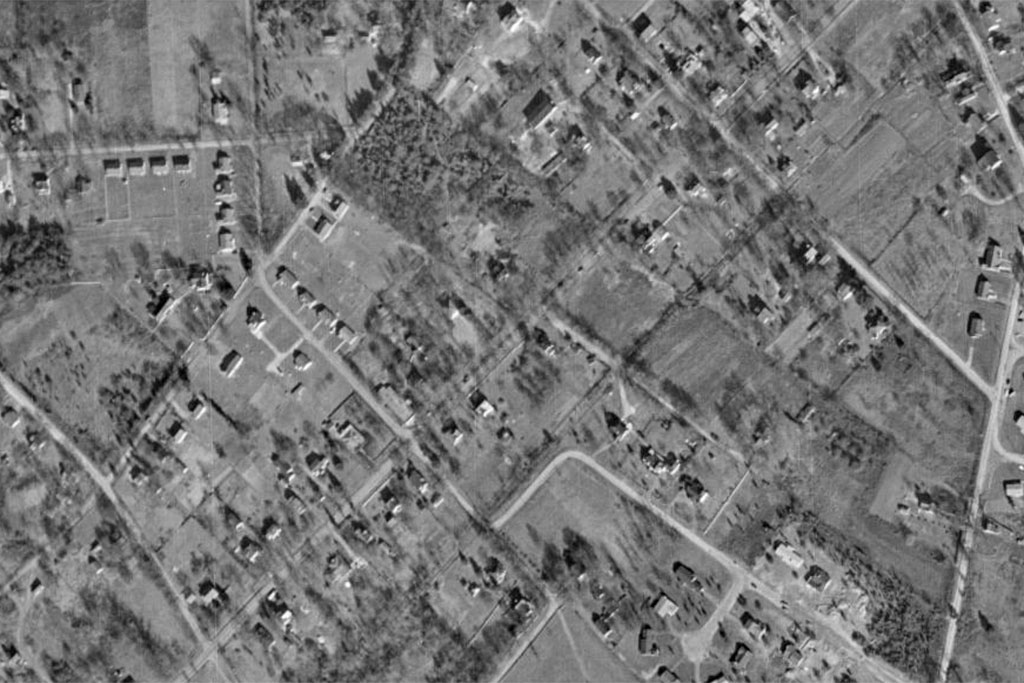
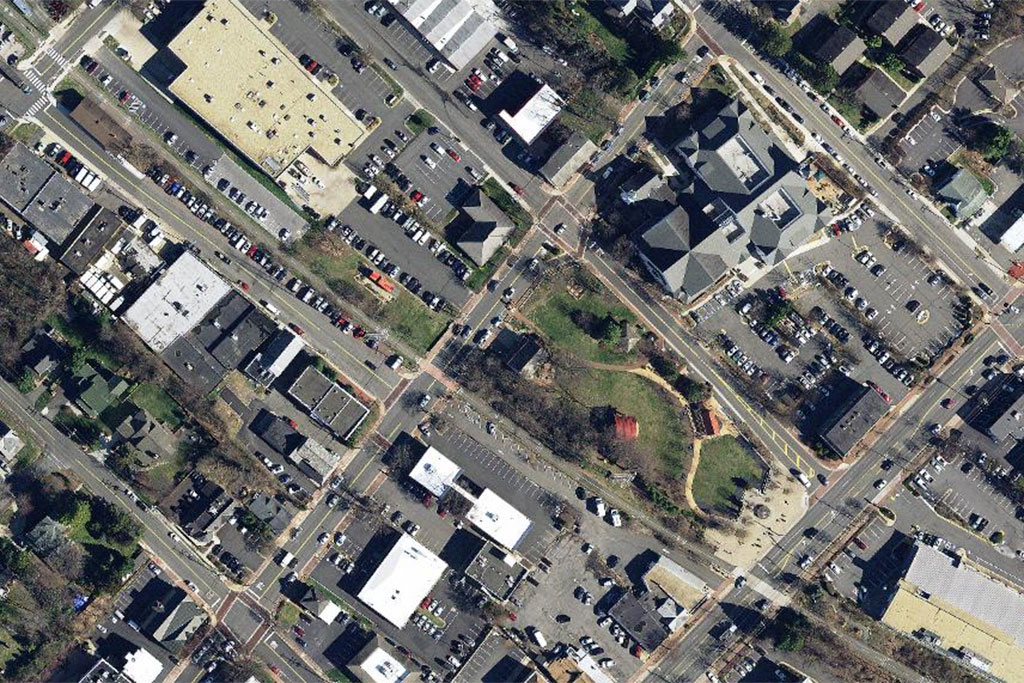
But aerial photography shows this hasn’t always been the case. Throughout the last 65 years, Maple Avenue has undergone a radical transformation.
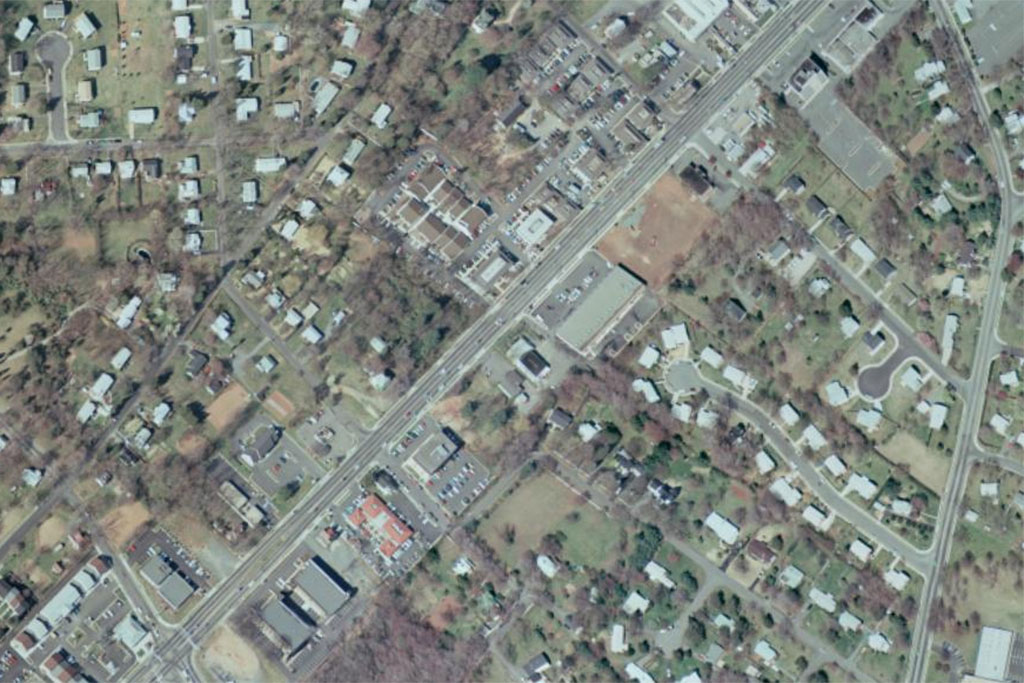
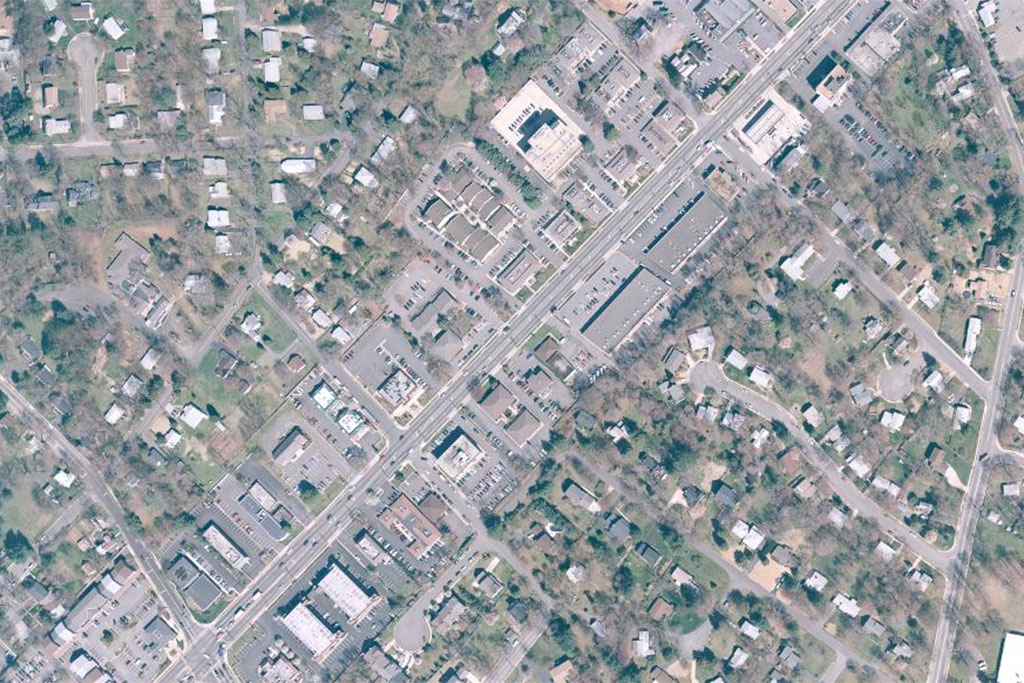
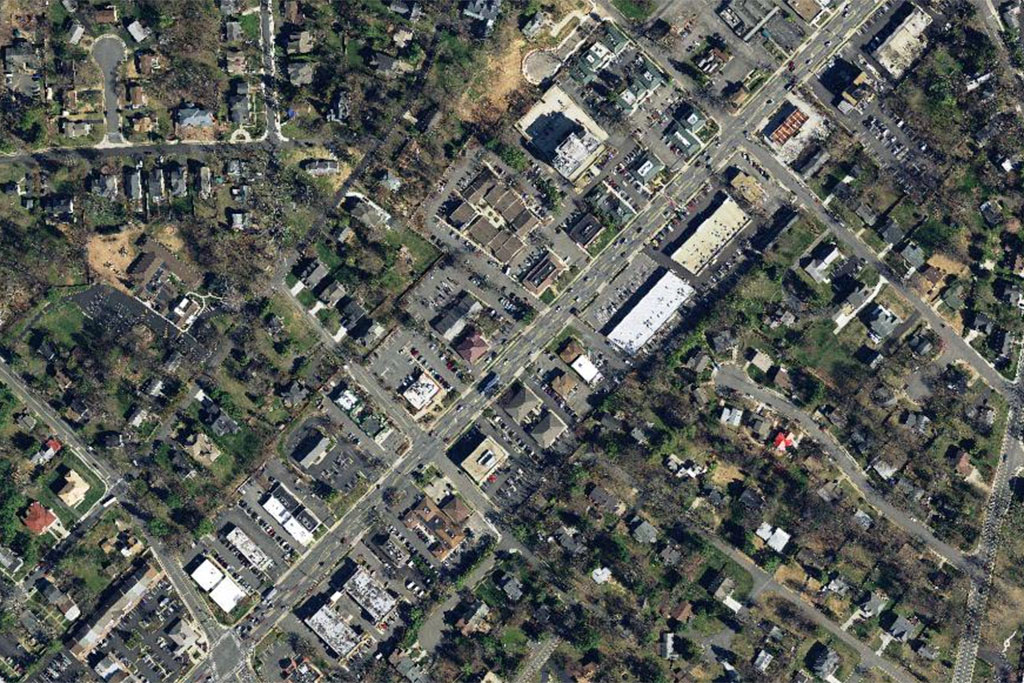
Critics of a new four-story Maple Avenue development said too much was changing in Vienna too quickly, but at least from the air, the only 20-year period where there’s been very little change along Maple Avenue was between 1997 and 2017.
The Maple Avenue of 1953 looked quite different than the Maple Avenue of 1976. Maple Avenue transformed from a handful of small properties surrounded by farmland into islands of commercial property surrounded by residential streets.
Between 1976 and 1997, the gaps between those islands of commercial property had become filled in with smaller stores.
But the 1997 Maple Avenue is virtually identical to the 2017 Maple Avenue.
One of the most high-profile developments in downtown Vienna’s recent history was the establishment of the Town Green and redevelopment along Church Street, which runs parallel to Maple Street. The changes made there were cited by Vienna Town Council members during hearings for the controversial development — which was ultimately approved — as examples of ways development can still fit with a small town feeling.
Past and Present is a Tysons Reporter series looking at locations in our area as they’ve changed over the last century. Check out our articles for Tysons Corner Mall and Tysons Galleria/Leesburg Pike
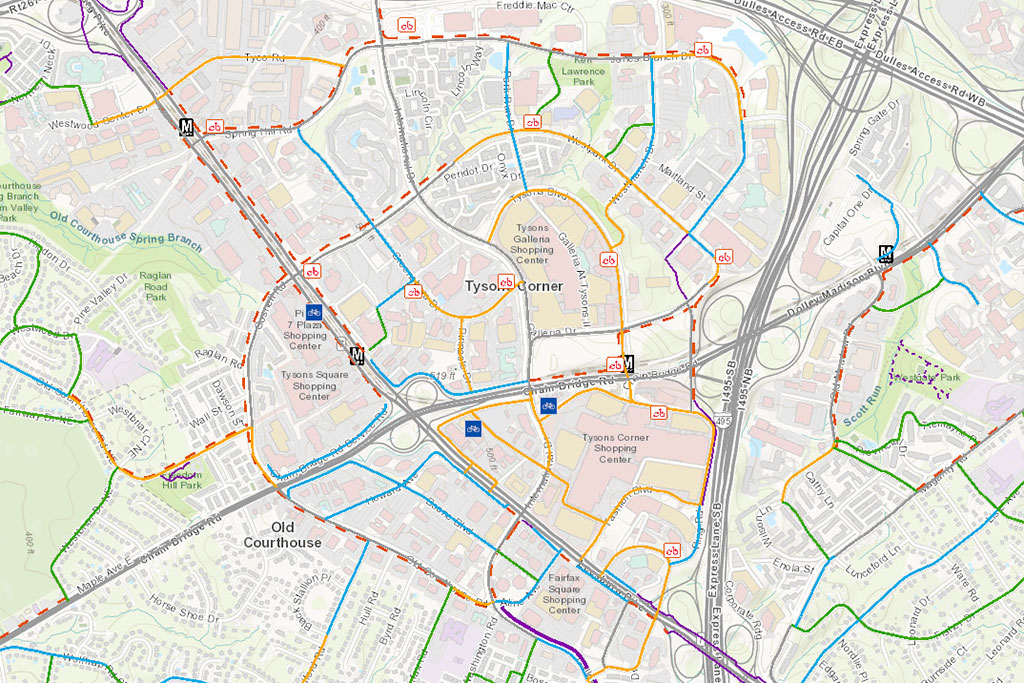
Tysons is working towards being a more bike friendly community, but as anyone who’s pedaled through the area could tell you, it’s not quite there yet.
The Fairfax County Bicycle Map ranks streets throughout the county on a “most comfortable” to “use caution” scale. Nearly all of Tysons is colored in the yellow “less comfortable” indicator.
Some of the major thoroughfares, like Westpark Drive, International Drive, and Leesburg Pike are all listed as “use caution,” though many of those streets are categorized as having bikeable sidewalks.
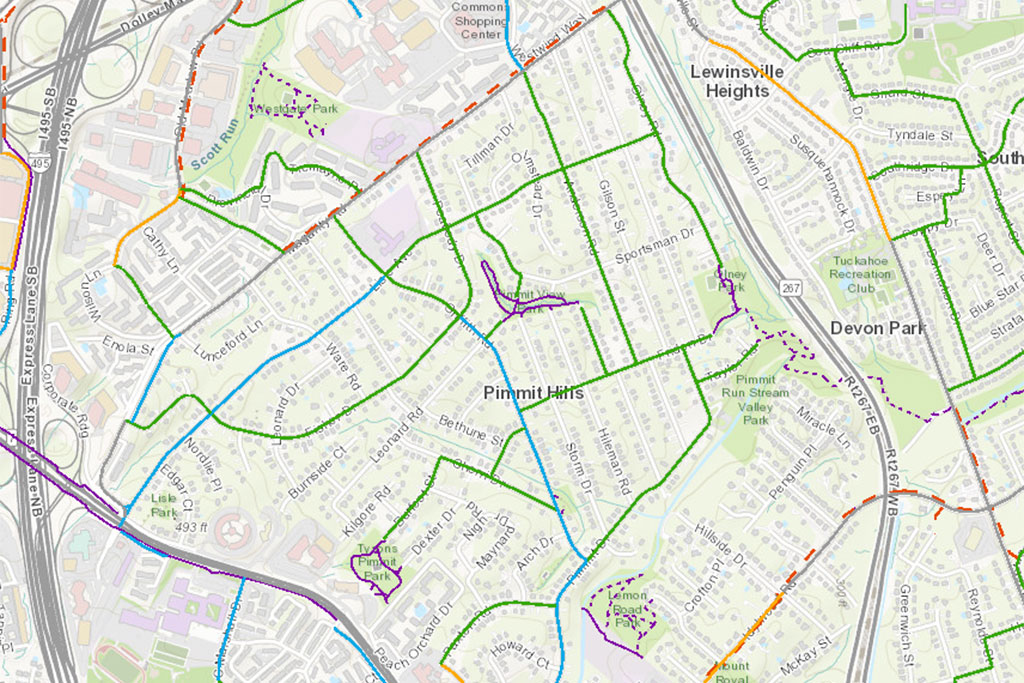
But on the periphery of Tysons proper, Nicole Wynands, Bicycle Program Manager for the Fairfax County Department of Transportation, said there are several neighborhoods and trails that are perfect for biking.
“The Pimmit Hills area of Tysons is the most bikeable neighborhood with calm residential streets and good internal connectivity,” said Wynands. “The Jones Branch Connector will open shortly to pedestrians and cyclists, connecting Pimmit Hills and the McLean Metro with downtown Tysons via a shared-use path.”
Whether that bike-ability lasts as the northern edge of the neighborhood faces redevelopment remains to be seen.
Wynands had additional Tysons area cycling suggestions.
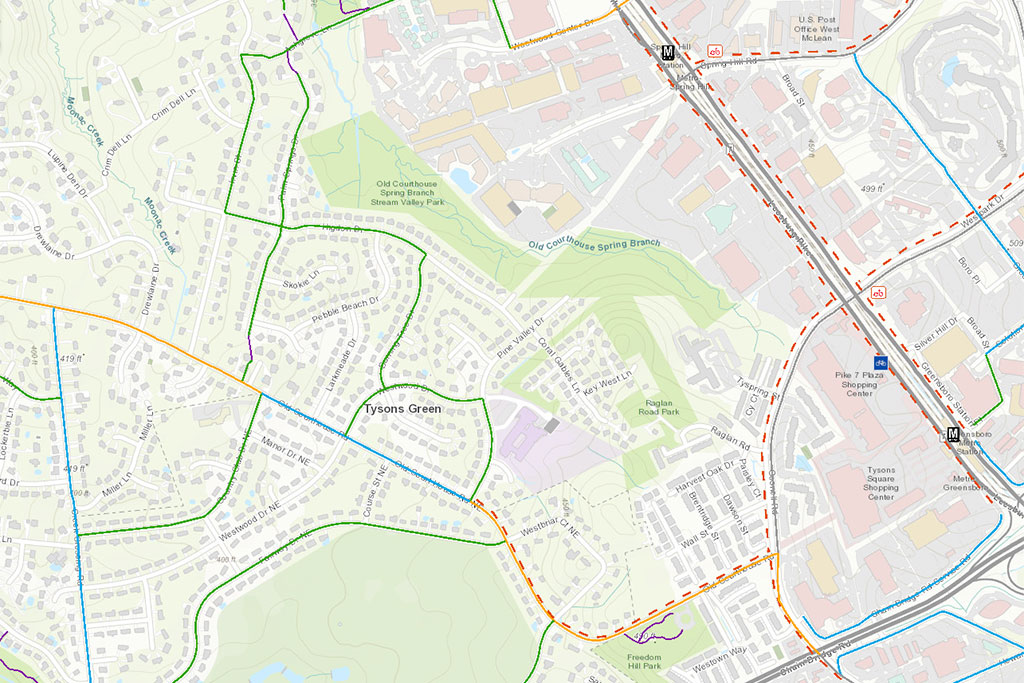
“Another great residential cycling area is Tysons Green, west of Route 7, with a good connection to the W&OD Trail and a beautiful stream/valley trail (Foxstone Park & Waverly Park),” said Wynands, via email. “The Vesper Trail is in the final stages of construction and will connect Tysons Green to downtown Tysons.”
Some caution is still urged at the eastern end of Old Courthouse Road in Tysons Green. Earlier this week a man died crossing the street.
For those willing to brave bicycling through downtown Tysons, Wynands said there are a few corridors cyclists can ride on more comfortably.
- Greensboro Drive — The street parallel to Leesburg Pike that runs along The Boro development.
- Park Run — A street that runs from the Tysons Galleria Shopping Center to the Freddie Mac headquarters.
- Westbranch Drive — A street east of Tysons Galleria along the planned The Mile development, right past the Tysons Republik Coffee.