

FCPS Schedules Virtual Town Halls on Masks — Fairfax County Public Schools Superintendent Scott Brabrand reaffirmed the system’s plans to continue requiring face masks in a message to the community on Friday (Jan. 21). FCPS will hold a virtual town hall on the subject in English at 7 p.m. today (Monday), followed by a Spanish town hall tomorrow. Both events will stream live on Facebook. [FCPS]
Abduction Reported in Merrifield — “2900 block of Caribbean Court, 1/18/22, 7:51 p.m. A man approached the victim, displayed a firearm, and demanded to be driven to a residence in D.C. After dropping the man off, the victim reported the incident to police. No injuries were reported.” [FCPD]
Route 7 Widening Still on Track — The $313.9 million project to widen seven miles of Route 7 between Reston Avenue and Jarrett Valley Drive remains on schedule to finish in July 2024, despite supply and labor challenges. Light traffic in 2021 enabled the project team to extend lane closures, the Virginia Department of Transportation says. [Reston Now]
Wren Stands Out Among Tysons Dining Spots — The Washington Post’s food critic calls Tysons “one of the least interesting places to find yourself for a meal,” but Wren is an exception. The Japanese restaurant-bar, which opened in The Watermark Hotel in September, earns praise for its artfully crafted food and interest in providing a personal experience for both guests and staff. [The Washington Post]
The weekend is almost here. Before you clean up the salt put out for the snow that didn’t come yesterday (Thursday) or head to bed for some much-needed sleep, let’s revisit news from the Tysons area that you might’ve missed.
These were the most-read stories on Tysons Reporter this week:
- NEW: Shake Shack to open drive-thru restaurant at Tysons’ Pike 7 Plaza
- Affordable housing project approved in Tysons near Spring Hill Metro
- Falls Church tabletop gaming shop to close this weekend after 45 years
- L.L. Bean is closing its Tysons Corner Center store next month
- ‘Michelangelo’s Sistine Chapel’ art exhibit comes to Tysons
Ideas for stories we should cover can be sent to [email protected] or submitted as an anonymous tip. Photos of scenes from around the community are welcome too, with credit always given to the photographer.
You can find previous rundowns of top stories on the site.
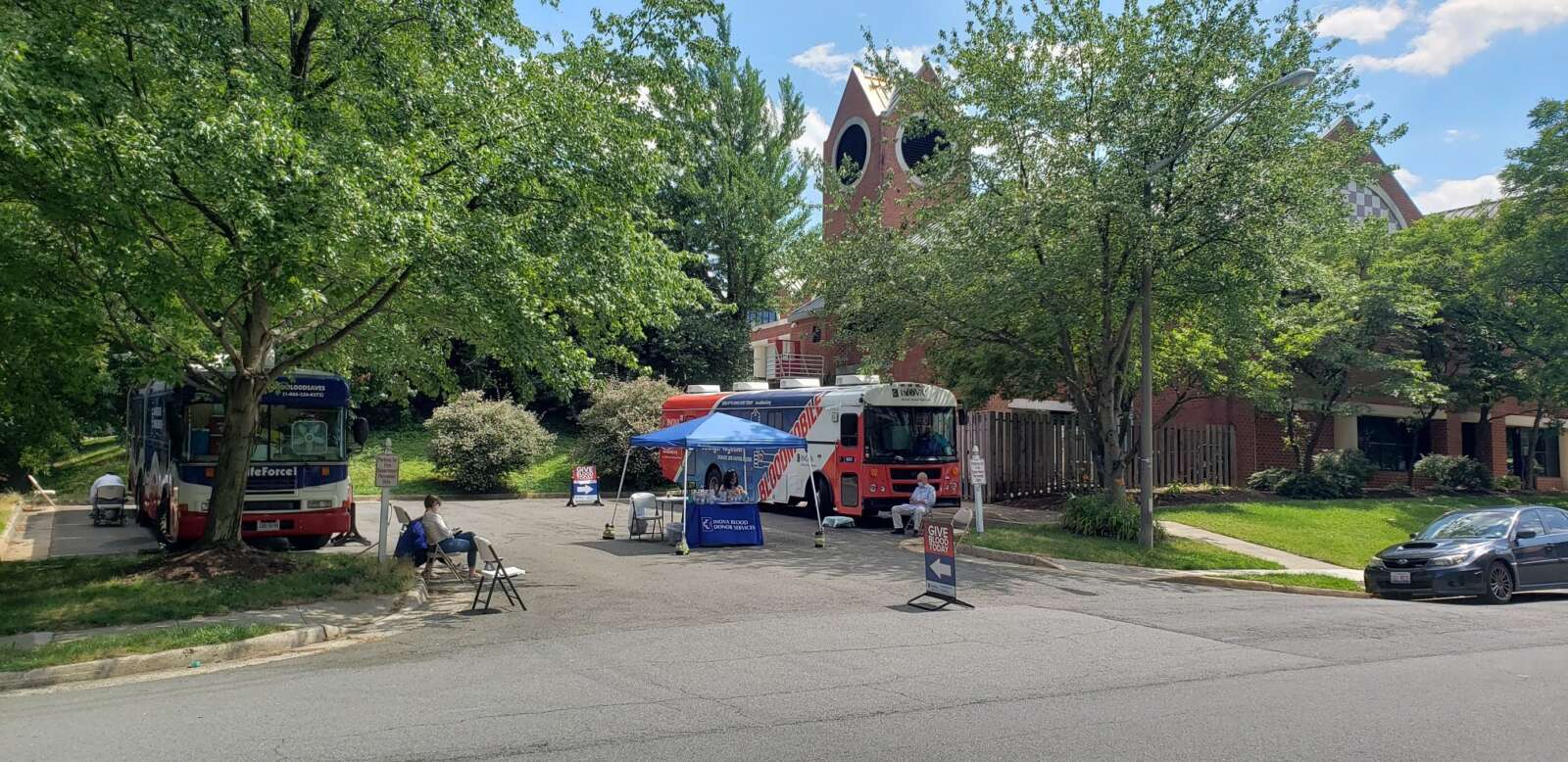
An Inova bloodmobile is on its way to the McLean Volunteer Fire Department (1455 Laughlin Avenue).
The fire department has teamed up again with Inova Blood Donor Services to host a blood drive from 1 to 5:30 p.m. next Friday (Jan. 28). The event will take place in the lower parking lot, which is accessible from Lowell Avenue.
McLean VFD Chief John Hootman says Fairfax County’s volunteer fire stations are always happy to work with Inova on its blood drives.
“Due to the COVID-19 public health crisis, blood supplies within our community and the nation remain challenged,” Hootman said in a statement. “Partnering in this way further helps our community by ensuring the hospitals have life-saving blood available when our career and volunteer EMTs transfer care of our patients from the field to our local emergency departments.”
This is the second blood drive that the fire department has hosted in as many months, as Inova reports critically low supply levels, a recurring issue during the coronavirus pandemic.
“Blood donations over the past month have been dramatically impacted by a rise in COVID-19 cases in our region, holiday travels, and inclement weather; and the supply can only be replenished by volunteer donors,” Inova said in a news release from Jan. 6.
As of Jan. 10, Inova was running low on all types of blood except for A negative, according to its red blood cell inventory. Units of O positive, O negative, and A positive have been particularly depleted.

Appointments for the upcoming McLean Volunteer Fire Department blood drive can be made online or by phone at 1-866-BLOODSAVES (1-866-256-6372) with the sponsor code 8507, according to the event page.
McLean VFD says its parking lot will have “plenty of space” for social distancing, but access to the fire station will be prohibited to protect its personnel. Community members are discouraged from signing up to donate if they’re experiencing COVID-19 symptoms.
Inova has been requiring surgical masks for both staff and donors at all of its blood drives since Dec. 30. The organization says masks will be provided on site.
With the McLean drive, Inova will have conducted eight blood drives this January at fire departments in Northern Virginia.
Inova Blood Donor Services spokesperson Kevin Giambi says fire departments are ideal locations, because they serve as community hubs, have “ample” parking, and are good at promoting the events, with workers often bringing friends and family to donate.
The Fairfax County Fire and Rescue Department also benefits from local blood drives as part of the FACT*R program, which provides supplies and training to first responders so they can conduct blood transfusions on the scene of an incident.
“Given the especially frightening blood shortage in the nation right now, we’re thankful for community partners such as McLean Volunteer Fire Department for hosting our blood drive on Friday, Jan. 28,” Giambi said by email.
In addition to organizing mobile blood drives, Inova has centers in Dulles, Annandale, and Centreville. Interested donors can book appointments at inovablood.org.
Photo courtesy McLean Volunteer Fire Department/Facebook

When Pedro Benedito Chimo Mandriz’s family returned to their home country of Angola, he stayed in the U.S. to pursue his dream of running his own restaurant.
Years later, the Lorton baker has taken a step to turning that dream into a reality after starting a pastry business in 2021 with the help of Escala, a rebooted counseling and business assistance program run by the nonprofit Northern Virginia Family Service.
Mandriz, 29, is one of 100 people who have benefited from Escala during the pandemic.
While working part-time at Manchester Bagel in Franconia, he took a class with Escala and launched Freaking Good Cakes, which specializes in German fruit cakes but also offers cupcakes and custom orders, all made out of his home.
“I was having the idea that to have or own a business in America, the only way is by doing…loans, and they showed me, no, that’s not the only way,” Mandriz said. “It helped open my eyes.”
Escala started in 2001 and stopped in 2017 before being rebooted during the pandemic. Its name comes from the Spanish verb escalar, meaning to climb, a nod to the program’s bilingual services.
The program’s small business counselor, Liga Brige, helps entrepreneurs develop their business ideas with marketing and financial assessments, frequently helping startups launch from owners’ homes.
“The majority of businesses established during those past years were usually in construction, in day care…in cleaning businesses and food,” Brige said.
During the pandemic, Escala’s participants have typically focused on the culinary arts, including female food service workers who realize they can prepare certain foods out of their homes, Brige says.
Known as food cottage laws, Virginia’s code lets private homes make some low-risk items without a food inspection, from baked goods to candies, dry seasonings, roasted coffee, and more.
“There are laws which allow you to produce from home certain foods, certain products which do not require a lot of licensing,” Brige said.
Most participants in Escala are Hispanic women, typically aged 36 to 55. Many were professional chefs in the hospitality industry and affected by the pandemic, while others were cooking out of their homes.
Escala’s successes so far include:
- Pizza Pita 24, a food truck that Colombian David Levy runs with his family
- Arepa Zone, Venezuelan cuisine with locations in D.C. and a commercial kitchen in Fairfax
- Dolce Amore Sweets, a Peruvian bakery and pastry shop in Manassas owned by Jennifer Solis
The program relies on government funding, and Northern Virginia Family Service plans to seek more grant money to expand Escala from Fairfax and Arlington counties for their upcoming fiscal years, which start in July.
Liga currently serves as the one-stop shop coordinator, but she hopes to have another counselor provide assistance to reach as many industries as possible.
Restricted to low-income adults in Virginia, D.C., and Maryland, the program offers counseling and workshops for free. A nine-week course costs $300.
Mandriz’s ultimate goal is to run his own restaurant that serves food from his country. His advice to new entrepreneurs? Take risks and listen to others’ expertise.
“Don’t be afraid,” he said. “Most of the people that want to go into business…they should be open to [listening] to other people’s information. They’re going to have a solid ground where they can build their business.”
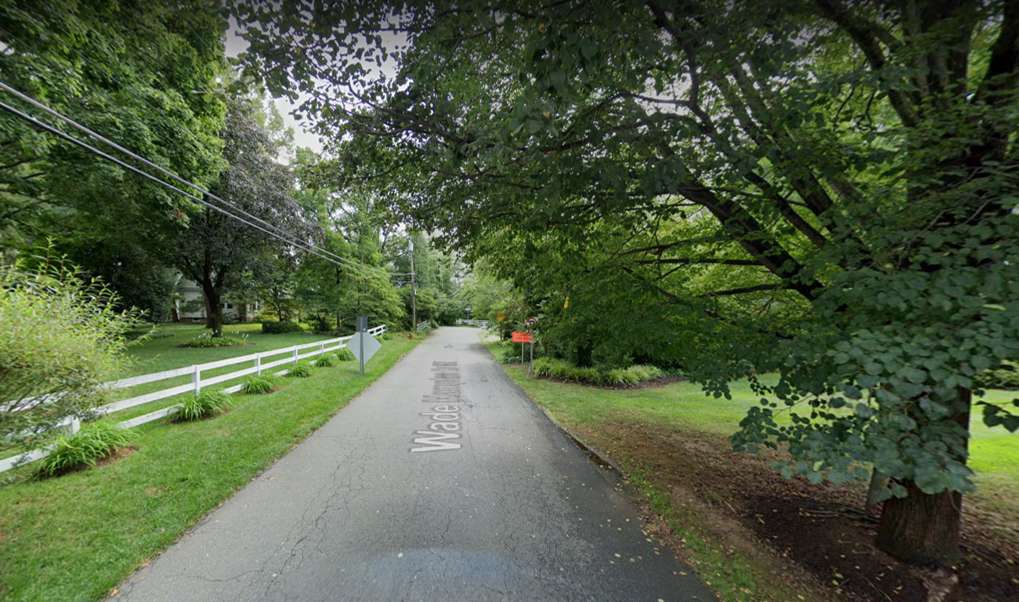
As Fairfax County moves to rename two major highways, efforts to reexamine the names of landmarks referencing the country’s racist past are making their way to the Town of Vienna.
The Vienna Town Council is slated to vote Monday (Jan. 24) to schedule a public hearing on possibly renaming Wade Hampton Drive, a small neighborhood street southwest of Maple Avenue.
The council was scheduled to vote on Jan. 3, but the meeting got canceled by snow. Town public information officer Karen Thayer told Tysons Reporter that the public hearing will likely be set for Feb. 7.
Wade Hampton Drive was one of several Vienna sites included in a report of Confederate street names, monuments, and public places that the Fairfax County History Commission compiled in December 2020.
The town adopted the name in the 1960s in reference to Wade Hampton III, a lieutenant general for the Confederacy who later worked against Reconstruction efforts and raised money for the Ku Klux Klan. He served as governor of South Carolina for two years after a notoriously corrupt election.
If the council eventually approves a name change, it’s unclear what the replacement will be. The small street contains just four residences, a dentist’s office, and the Sunrise assisted living facility that’s now under construction.
Vienna Mayor Linda Colbert formed an ad hoc committee last year to study the issue and propose a new name. The committee consisted of two property owners on the street and two members of the nonprofit Historic Vienna, which operates the Freeman Store and Museum and the Little Library Museum.
After meeting in March, April, and May, the group recommended changing Wade Hampton Drive’s name but couldn’t reach a consensus on what it should be called instead.
One proposal was to use Roland Street, which would extend an existing road that links Wade Hampton to Nutley Street. Other suggestions included Carter Lane or Drive, Mildred Lane (or variants of Mildred Drive or Loving Drive), Liberty Lane, and Minor Drive.
According to documents from the committee, at least one member expressed opposition to Roland Street in a June 1 letter to the mayor and council:
Many of my Great Aunts and Uncles spoke about J.B. Roland was a Confederate sympathizer and a racist. As I have learned from my Grandparents and father that ‘Old Man Roland’ supported the Confederacy and he was a Confederate soldier.
Roland Street was not listed in the Fairfax County History Commission’s Confederate names inventory.
The committee’s two Historic Vienna members — DeArmond Carter and Gloria Runyon — advocated for Carter Drive or Lane in recognition of their ancestors, the Carter family, who have lived in Vienna since 1859 and counted a Union spy and major landowners among their members.
Alex Gallegos, a resident on the affected street, raised concerns that committee members proposing a street name to highlight their own family could create conflicts of interest.
The four families on the affected street said that, if Roland Street is ruled out, they would favor a reference to Mildred Jeter and Richard Loving, the couple behind the Supreme Court case that legalized interracial marriages nationwide.
Photo via Google Maps
I-66 Ramp Near Vienna to Close Tonight — The ramp from westbound I-66 to the Vienna/Fairfax-GMU Metro station will close for approximately three weeks start at 11 p.m. today (Friday). The closure is needed for utility work related to the I-66 Express Lanes expansion. Drivers will be detoured via Route 123 (Chain Bridge Road) South and I-66 East, with the Nutley Street exit as an alternative. [VDOT]
What Happened to Yesterday’s Snow — “After our forecast of a coating to two inches of snow in the region, most places saw no accumulation Thursday morning. Some spots didn’t even see a flake, only raindrops…The flawed predictions can be traced to computer model errors and the inability of human forecasters to adequately account for them.” [Capital Weather Gang]
ABC Stores Change Hours Due to Covid — The Virginia Alcoholic Beverage Authority will adjust operating hours at all of its stores to noon starting Monday (Jan. 24), citing reduced staffing capacity due to COVID-19 cases among workers. Closing hours remain the same, and curbside pickup and delivery services are still available. [WTOP]
McLean School Awards Student for Service — “The Potomac School has announced its first-ever Potomac School Award for Exemplary Service to recognize individuals who make a difference through service to others. The inaugural award went to Ericc Powell, a volunteer with Habitat for Humanity Metro Maryland.” [Patch]
County to Talk Affordable Housing — “Fairfax County and the Fairfax County Redevelopment and Housing Authority, in partnership with the George Mason School of Business, is planning the third annual Fairfax County Housing Symposium for Thursday, March 17, 2022, from 9 a.m. to 3:30 p.m. The theme of this year’s event is ‘Affordable Housing: A Foundation for Economic Recovery, Growth, and Opportunity.'” [Housing and Community Development]

Traffic safety advocates from across the D.C. area have banded together to urge local officials to make improvements that they believe could help prevent the next death of a pedestrian or cyclist.
The campaign specifically focuses on the Route 7 corridor around Baileys Crossroads and Seven Corners after 68-year-old Nguyet Ly was hit and killed when walking along a section of Leesburg Pike without a sidewalk on Dec. 13.
“The Route 7 corridor between these traffic hubs are among the most hazardous in Fairfax County,” said Phil Kemelor, Mason District board member for the community group Fairfax Families for Safe Streets.
Fairfax FSS has partnered with the Coalition for Smarter Growth, CASA, Fairfax Alliance for Better Bicycling, and other concerned individuals to ask the Virginia Department of Transportation to help.
In a letter to VDOT, the organizations recommend installing a continuous sidewalk or multi-use path on Leesburg Pike, adding crosswalks across all side streets, and prohibiting vehicles from parking within 20 feet of a driveway or intersection, which they say leads to blocked sightlines for drivers.
The letter also notes that the curbside lane where Ly was walking measures 16 feet in width, encouraging speeding compared to lanes that typically range from 10 to 13 feet.
“The Rt. 7 corridor in the Culmore community is a notoriously dangerous place for people walking, biking, and accessing the bus stops,” Sonya Breehey, Coalition for Smarter Growth’s Northern Virginia advocacy manager, wrote in an email. “The recent fatality is just one of many people who are struck and either killed or left with serious injuries in this community.”
While this campaign focuses on the Mason District, Fairfax FSS says the safety issues on Route 7, including insufficient sidewalks and crosswalks, can be seen elsewhere in the county as well and have contributed to other fatal crashes.

Based on five years of VDOT data, the group identified the following as the most dangerous roads in Fairfax County, in addition to Route 7:
- Route 1
- Route 29
- Route 50
- Little River Turnpike
- Backlick Road
- Telegraph Road
- Shreve Road at the Washington and Old Dominion Trail
- Eastbound sections of Columbia Turnpike
- Old Keene Road/Franconia Road
The data spanned September 2016 to September 2021 and involved over 100 crashes where pedestrians or cyclists were severely injured or killed.
“Nearly 50% of the fatalities are among those who are 60 years of age and older,” Kemelor said in an email.
Fairfax Families for Safe Streets has also compiled a map of “near misses” reported by pedestrians, cyclists, and drivers to show where streets could be upgraded. People can add to the map by completing an online survey.
Ly was the 13th pedestrian killed in a traffic crash last year in Fairfax County, which ended 2021 with 14 such deaths after an Annandale resident was hit by a car on Route 123 in Tysons and died on Dec. 30. The county also recorded three bicyclist deaths last year.
Police reported the first pedestrian fatality of 2022 on Tuesday (Jan. 18). The crash occurred on Jan. 8 on Route 29 at Forum Drive, and Joel Gonzalez, 22, of Fairfax later succumbed to his injuries while in a hospital.
Just off Broad Street in Falls Church, hordes of the verminous Skaven and humans of The Empire fight tooth and nail over a damned city.
On other nights, newcomers can be found learning Magic: The Gathering tricks from wizened masters. Since the 1980s, local adventurers have rallied to go on quests in Dungeons and Dragons and more obscure tabletop games.
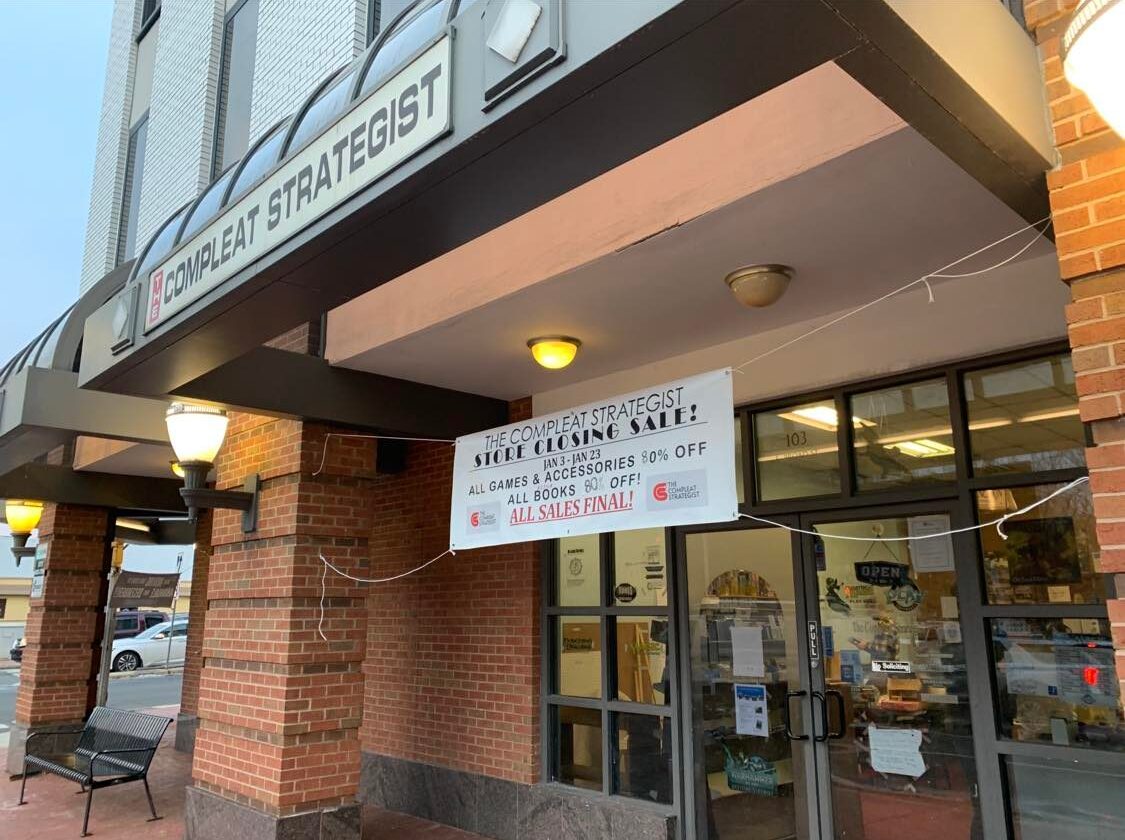
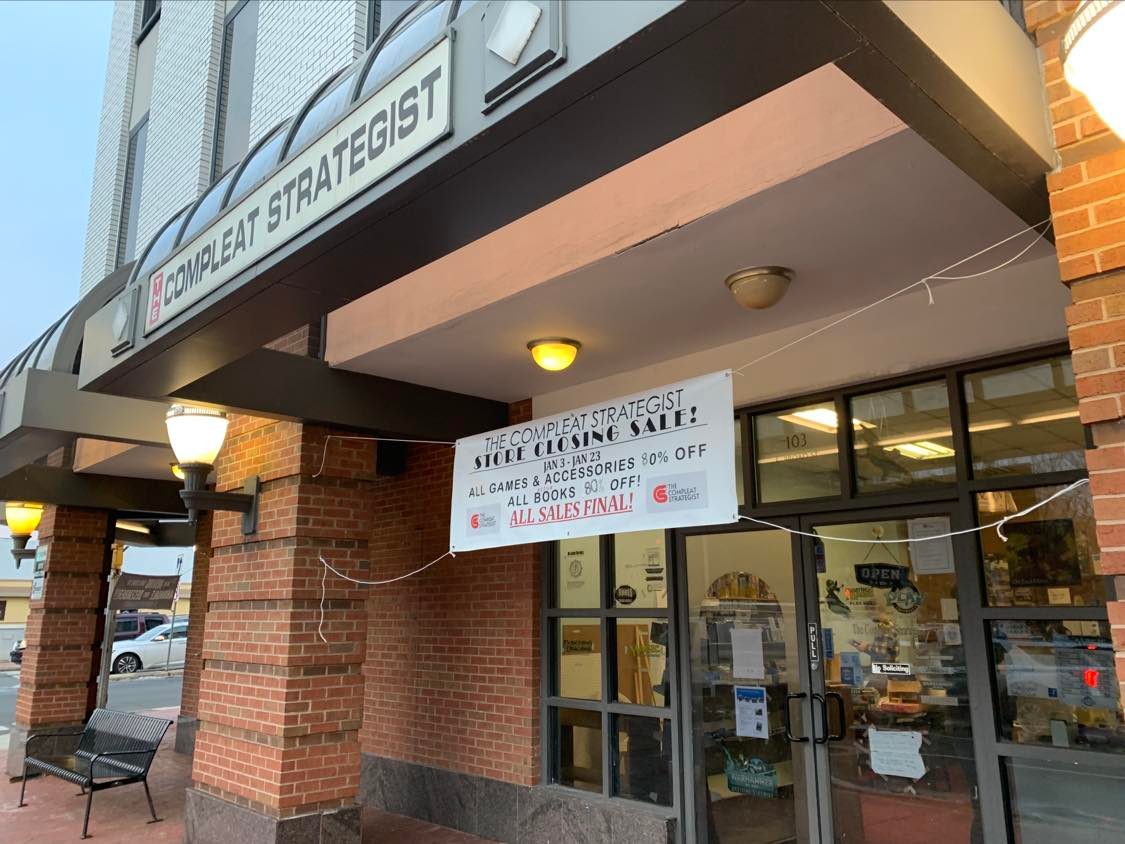
After this weekend, the battles and revelry inside The Compleat Strategist (103 East Broad Street) will go silent for good, as the tabletop gaming store shuts down to make way for a Whole Foods-anchored mixed-use development.
The store is closing for good on Saturday (Jan. 23), with all goods now going for 80% off. Much of the inventory is already depleted, but there are still treasures buried among the codexes and outdated rulebooks for those who know what to look for.
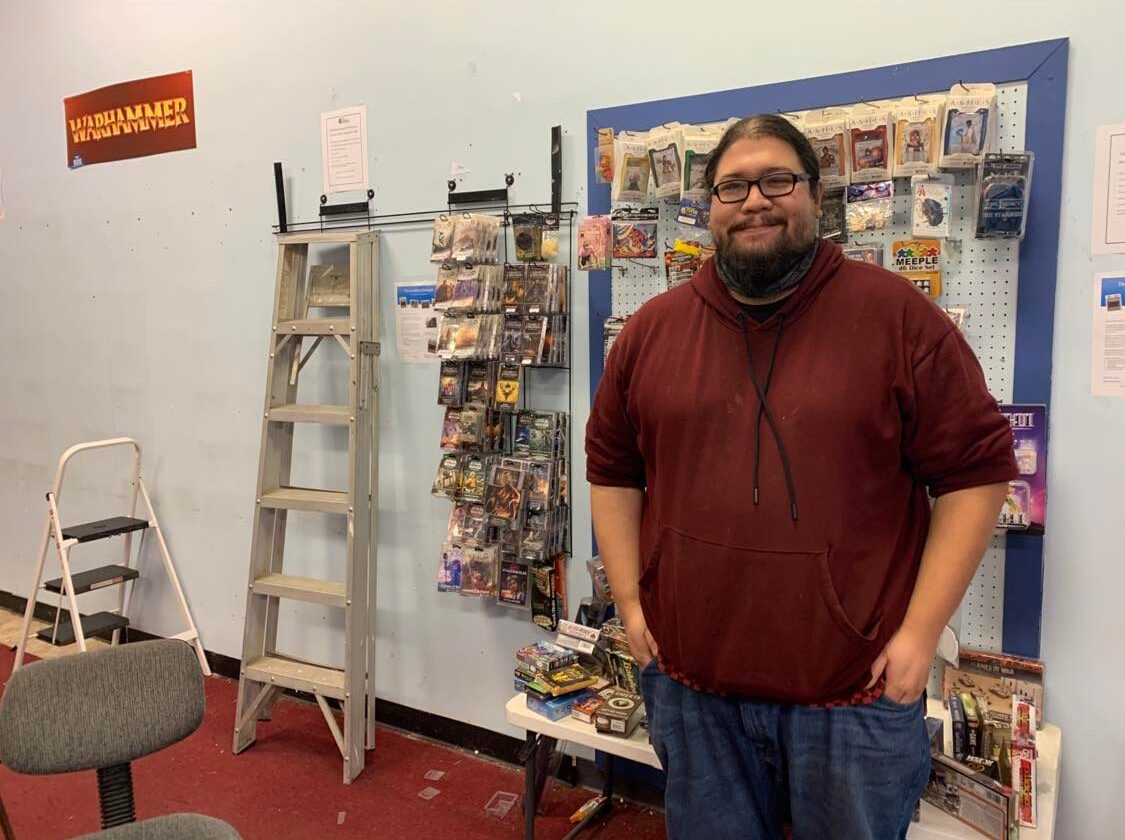
The Compleat Strategist manager Adam Fukumitsu says the store has gotten many well wishes since the closure was announced late last month. A lot of patrons have asked how has business been, expecting the store must have been seeing difficulties, but Fukumitsu said that isn’t the case.
“Business has been rocking for two years,” Fukumitsu said. “It was a ghost town last March, but it started coming back by May.”
According to Fukumitsu, after a month or two of quarantine, tabletop gaming saw a surge as locals looked for new activities to keep them sane through lockdown. Board games saw a boost in popularity, and online gaming sites like Roll20 boosted the sale of physical books for players.
“On top of that, D&D came back like a rocket starting in 2015,” Fukumitsu said. “Now, everybody has a D&D group.”
The store opened as Strategy and Fantasy World in 1977 and was bought by the New York-based, family-owned The Compleat Strategist in the 1980s. Fukumitsu has worked at the store since 2013, becoming a manager in 2015.
He says the store being pushed out by redevelopment wasn’t exactly a surprise.
“It was a train we’ve seen coming for a decade now,” Fukumitsu said. “We first heard of it in 2011, but there’ve been weird delays over the years…In 2019 we heard it was going forward and there was a lot of weird push and pull.”
Fukumitsu said at one point the property was eyed for development by Todd Hitt before the real estate scion was arrested and found guilty of being involved in a real estate Ponzi scheme.
In addition to hosting the sale, The Compleat Strategist is commemorating its impending closure with tabletop battles. As more retail moves to digital storefronts, Fukumitsu says the sense of community that gamers can find at brick-and-mortar stores will be difficult to replace.
“The community has been figuring out where they go now,” Fukumitsu said.
Now, he says local gaming groups have plans to go around to peoples’ homes, and one player has talked about getting access to a company-owned warehouse to play.
“We’re getting hit at both ends by Amazon,” Fukumitsu joked. “They’re both eating our lunch in sales and now kicking us off the property…but less online is that play space. It’ll be interesting to see what happens.”
Marc Forbes started visiting the store as a gaming enthusiast before he became an employee in 2016.
“My entire social life was tied up in this place,” Forbes said. “We’re going to try to keep that going after it closes, but it’s going to be harder… I’m really going to miss this place.”
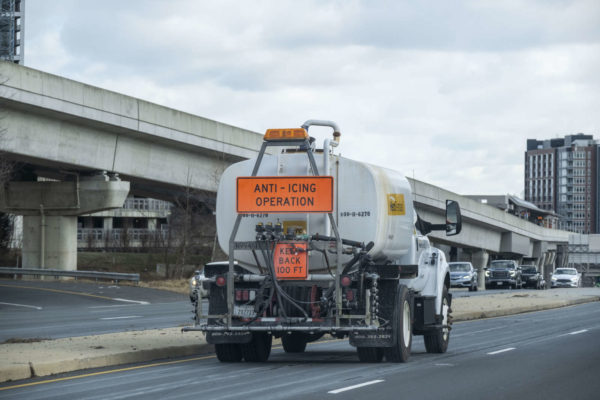
White brine lines are a familiar sight on Fairfax County roads before snowstorms, such as the one that passed through the D.C. area last weekend.
Not too long ago, though, winter weather preparations involved scattering tons of dry salt and sand on streets, sidewalks, and other outdoor surfaces.
The adoption of brine to prevent snow and ice from sticking to pavement is part of a regional effort to limit the use of salt, which is effective — and cheap — as a de-icing material but pollutes the environment and corrodes infrastructure.
“What we’re trying to do is walk that fine line between protecting the natural resources, but at the same time, providing the need for public safety,” said Normand Goulet, a senior environmental planner for the Northern Virginia Regional Commission (NVRC).
The Salt Management Strategy
NVRC is overseeing the implementation of a Virginia Salt Management Strategy (SaMS) that the state Department of Environmental Quality released last year as a guide to minimizing the dangers of salt.
In the works since 2018, the strategy was developed by a committee that included Fairfax County staff after a water quality report identified de-icing salt as a primary contributor to excessive levels of chloride in Accotink Creek, affecting wildlife in the 51 square-mile watershed.
According to the Fairfax County Department of Public Works and Environmental Services (DPWES), one teaspoon of salt can permanently pollute five gallons of water.
The department advises residents to shovel snow early and often, apply salt only where needed, and sweep up extra material for reuse. Viable alternatives to salt include sand, wood ash, and native bird seed.
“One 12oz coffee mug holds enough salt to treat a 20-foot driveway or 10 sidewalk squares,” DPWES said by email.
Why Brine?
The SaMS toolkit encourages local and state government agencies to pay closer attention to the salt they use for anti-icing, which comes before snow to prevent accumulation, and de-icing, which removes snow and ice during or after a storm.
“It’s only been within these last few years where people have started to look at, okay, how can we cut down on the amount of salt we’re applying?” Goulet said.
The Virginia Department of Transportation began this winter with 250,000 gallons of brine, 120,000 tons of salt, and 25,000 of sand just for Northern Virginia.
The agency primarily uses dry sodium chloride, or rock salt, to remove snow, but it has increased its use of liquid brine for anti-icing in recent years.
While some jurisdictions, like D.C., mix brine with beet juice, VDOT’s brine consists of 23% salt and 77% water. The mixture still contains chloride, but it reduces the amount of rock salt and other chemicals needed after snow falls.
If the snow is preceded by rain, though, brine will get washed away, so the materials used vary depending on weather conditions and the type and duration of each storm, VDOT Northern Virginia spokesperson Kathleen Leonard says.
The Jan. 3 snowstorm required about 35,000 tons of salt, based on how much VDOT ordered afterwards to replenish supplies.
“The Virginia Department of Transportation’s number one priority is ensuring the safety of the traveling public,” Leonard said by email. “We continue to refine best practices to support the most efficient, safe and effective use of materials through research and improved management approaches to both save money and reduce potential impacts.”
Leonard added that VDOT is studying the effectiveness of treating roads with brine during storms.
New Equipment and Best Practices
To manage their salt use, VDOT and Fairfax County have also been utilizing different kinds of equipment and adjusting operating procedures.
For example, VDOT has trucks that can control how much salt is spread based on speed, delivering less salt when they’re driving slower and none when at a standstill.
“We continue to pilot efforts with our crews and contractors to track and analyze using additional hardware on equipment as part of snow removal efforts in Northern Virginia,” Leonard said.
DPWES, which provides snow removal for most Fairfax County facilities, county-maintained and developer roads, and some walkways to Metro stations, has acquired three new salt domes since it started phasing in SaMS recommendations in 2018.
The facilities provide permanent cover for de-icing material, reduce the potential for stormwater runoff, and consolidate storage locations, DPWES spokesperson Sharon North told FFXnow.
DPWES has also upgraded equipment with vehicle replacements, introduced scales to weigh materials, and implemented technology that can estimate, track, and report salt usage.
Goulet says improving storage, cleaning up extra salt instead of leaving it on the ground, and other changes make a difference, but it may take years to see results in local water chloride levels.
“It’s kind of hard to use ‘How much did you put down this winter?’ as a metric of measurement, because it’s completely variable on how severe the winters are,” Goulet said. “…It should show up in a record of what water impairments look like, but again, that’s going to be a long-term thing.”
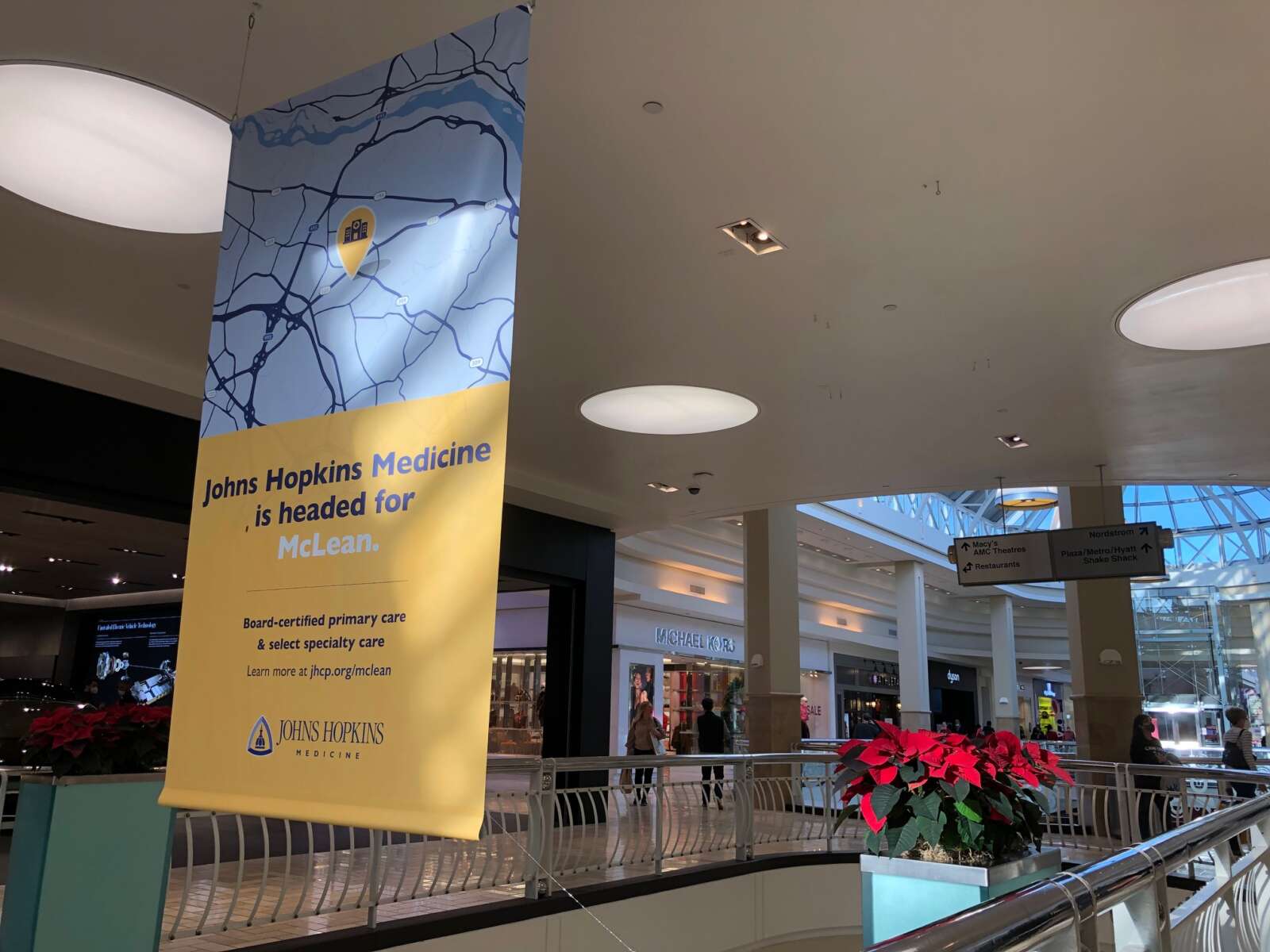
The Johns Hopkins School of Medicine is expanding into Fairfax County.
The school’s community physicians network will open a primary care office in McLean in February, Carolyn Carpenter, president for the Johns Hopkins Health System in the National Capital Region, confirmed to Tysons Reporter.
With the goal of bringing health care services to local neighborhoods, Johns Hopkins Community Physicians operates more than 40 medical practices in Maryland and D.C., but this will be the group’s first location in Virginia.
“Access to care, especially primary care, continues to be needed in our communities,” Carpenter said by email. “…The Johns Hopkins Community Physicians practice will provide comprehensive care to community members who live and work in Tysons Corner and the surrounding areas.”
Located in Suite 300 in the McLean Gateway office building at 6849 Old Dominion Drive, the 8,000 square-foot practice will have 12 exam rooms and provide adult primary care, specialty, and ancillary services, including lab services, electrocardiograms (EKGs), and COVID-19 testing.
Patients will be able to choose between in-person and video visits. Like Johns Hopkins’ other facilities, the new office will require face masks and have a COVID-19 vaccination mandate in place for employees and medical staff, among other protocols.
According to Carpenter, the office will initially be staffed by two primary care physicians, including Dr. Marwah Tareen, who has been seeing patients at Johns Hopkins Community Physicians on I Street in D.C. since summer 2021.
The staff is expected to expand in subsequent months. Gynecologic oncology providers, for example, will come on board in the spring.
Carpenter says Johns Hopkins wanted to expand into Virginia through McLean because of its proximity to Tysons as an employment hub.
“Establishing this practice also aligns with development efforts for Johns Hopkins Health System’s National Capital Region by expanding access to services offered by Sibley Memorial Hospital in Washington, D.C. and Suburban Hospital in Bethesda, Md.,” she wrote.
The Johns Hopkins practice joins a growing number of new health care facilities seeking to serve the booming Tysons area.
Heale Medical opened a primary care practice near the Chain Bridge Road and Leesburg Pike interchange in September, and Reston Hospital Center is building a new emergency room that’s expected to open this spring.
In addition, Inova Health Systems recently introduced a cancer screening and prevention center to its Schar Cancer Institute in Merrifield. The Saville center is currently only open to breast cancer patients, but an expansion is anticipated in the next few months, a Schar employee told Tysons Reporter.