

The synthetic turf field at the Graham Road Community Building in Falls Church is going to be replaced.
As part of its consent agenda, the Fairfax County School Board voted on Oct. 22 to award a $93,000 contract for the project to GTR Turf, Inc., a Fredericksburg-based contractor that specializes in artificial turf and grass.
Though the school board is responsible for awarding the contract, the funding will come from the Fairfax County Park Authority as part of a partnership between the county and Fairfax County Public Schools.
“The synthetic turf field at the Graham Road Community Building is one of the few playing fields available for community use in the area,” Providence District School Board representative Karl Frisch said in a statement. “I am grateful for our continued partnership with the Fairfax County Park Authority, which makes the funding for important projects like this possible.”
GTR Turf was one of five companies that FCPS deemed qualified to compete for a contract to construct the Graham Road turf field during the bidding period, which closed on Sept. 30. The four other contractors all submitted bids proposing construction costs that exceeded $100,000, ranging from $129,397 from Astro Turf LLC to $169,880 from Hellas Construction, Inc.
Located at 3033 Graham Road, the Graham Road Community Building housed Graham Road Elementary School until the school was relocated to its current site along Route 29 in 2012.
Governed by a shared-use agreement between the county and FCPS, the building now provides education, recreation, and other public services, according to Frisch. It serves as a School Age Child Care program center and a Fairfax County Neighborhood and Community Services drop-in site for students in grades seven through 12.
Construction to replace the Graham Road Community Building’s existing turf field was allowed to start on Oct. 22 after the contract was awarded. The project is expected to be fully completed on Feb. 5, 2021, according to FCPS’s invitation to bid.
Image via Google Maps
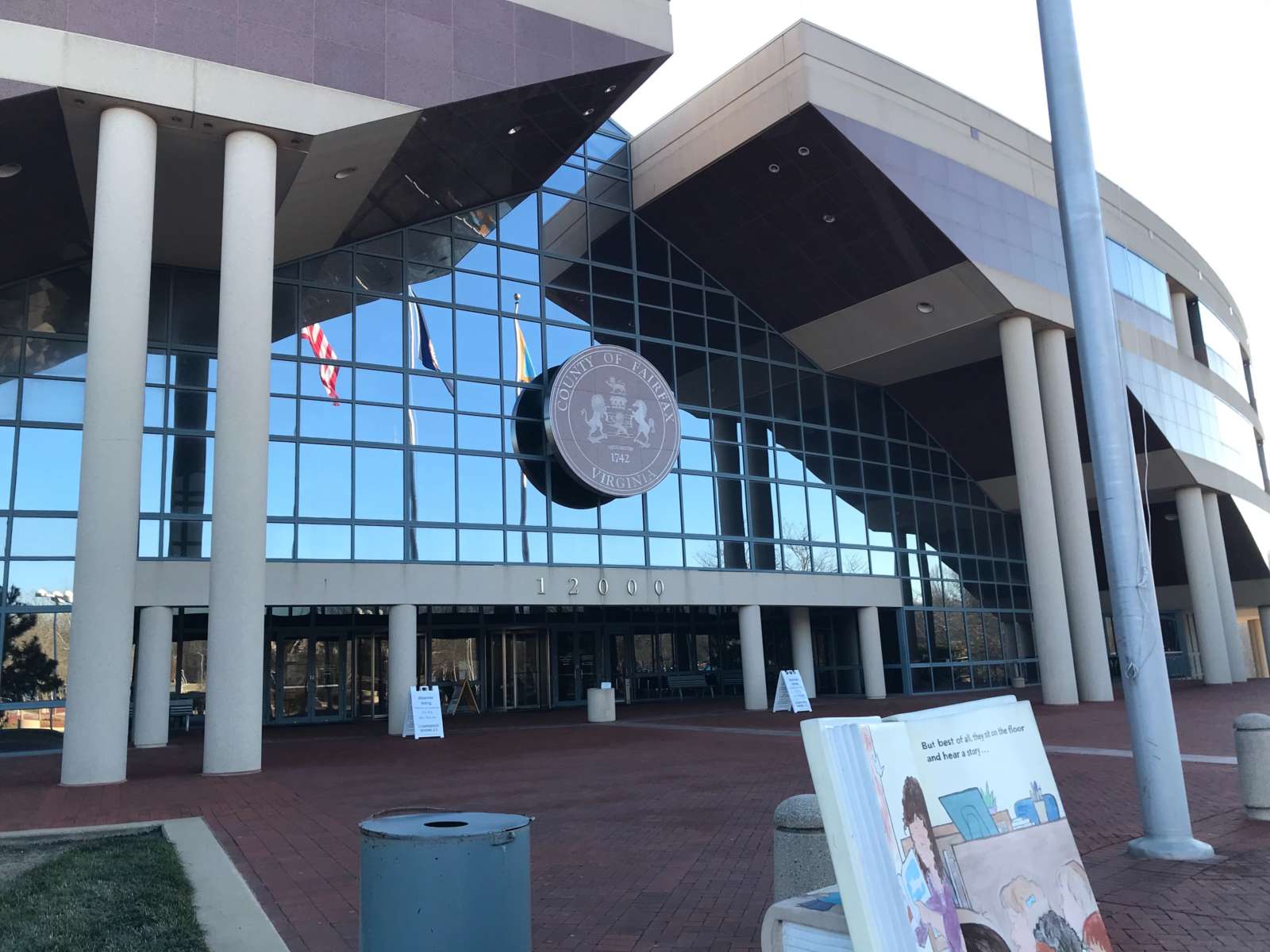
Fairfax County should attempt to achieve carbon neutrality by 2040 and eliminate all waste from county government and school operations by 2030, the Fairfax County Joint Environmental Task Force (JET) recommends in a new report.
Presented to the Fairfax County Board of Supervisors on Oct. 20 and the Fairfax County School Board on Oct. 22, the report urges both boards, along with the Fairfax County Park Authority and the Fairfax County Regional Housing Authority, to commit to producing net-zero carbon emissions from their energy usage by 2040.
To achieve this goal, the task force suggests that Fairfax County aim to cut its carbon emissions in half from 2019 levels by 2030, while transitioning to renewable sources to generate 25% of its energy by 2030 and 50% by 2040.
The task force also recommends reducing the total amount of energy used by all county facilities by 25% by 2030 and 50% by 2040, and requiring all new county buildings and major renovation projects meet net-zero energy standards starting in 2021.
Other recommendations proposed by the JET include:
- Fairfax government and schools should aim to produce zero solid waste by 2030
- The Fairfax Connector bus fleet should transition to electricity or other non-carbon-emitting fuel sources by 2030, with the Fairfax County Public Schools fleet and non-bus vehicles following suit by 2035
- The county government and schools should develop resources to educate students and adults about job options in “green” industries, including renewable energy, green building, resource and wildlife management, and stormwater management
“The JET’s ambitious goals and recommendations send a powerful message that our county and school system are committed to doing what it takes to protect our environment and address the threat of climate change,” Providence District School Board member Karl Frisch said.
Faith Alliance for Climate Solutions executive director Meg Mall, one of nine community members on the JET, says her environmental advocacy group is “pleased that strong goals have been incorporated” into the task force’s report and hopes to see continued collaboration not just between different county agencies, but also between Fairfax County and the general public.
“FACS has been a strong advocate for the adoption of aggressive goals in the county’s climate mitigation and adaptation work,” Mall said. “…The county must lead by example within its own operations while concurrently working toward community-wide goals.”
The Board of Supervisors and school board formed the JET in April 2019 to coordinate county government and schools efforts to address climate change, energy efficiency, and environmental sustainability issues.
While the threat of climate change has loomed for decades, its urgency became newly apparent when the United Nations Intergovernmental Panel on Climate Change released a report in 2018 that found the world must achieve net-zero carbon emissions by 2050 in order to limit global warming to 1.5 degrees Celsius above pre-industrial levels and potentially avoid the most drastic impacts of climate change.
In addition to creating the JET, Fairfax County signaled that it intends to prioritize climate issues by establishing the new Office of Environmental and Energy Coordination in July 2019 and awarding contracts to solar providers in December to install solar panels at more than 100 publicly owned facilities.
Mothers Out Front Fairfax County, which launched a campaign advocating for electric school buses in August 2019, praised the JET’s zero waste and carbon neutrality recommendations but urged Fairfax County to convert its school bus fleet to electricity by 2030.
“Mothers Out Front’s priority is the health and future of our children, and we have been pushing to convert school bus fleets across the state to electric by 2030,” Mothers Out Front Fairfax County co-founder Julie Kimmel said. “While we fully support the recommendation that the Fairfax Connector bus fleet be transitioned to electric by 2030, we think all Fairfax County school buses should also be converted to electric in the same time frame.”
The Board of Supervisors will discuss the JET recommendations and get updates on the solar power purchase agreement initiative, the development of a Community-wide Energy and Climate Action Plan (CECAP), and the county’s yard waste collection bag policy during its environmental committee meeting today at 11 a.m.
Staff photo by Catherine Douglas Moran
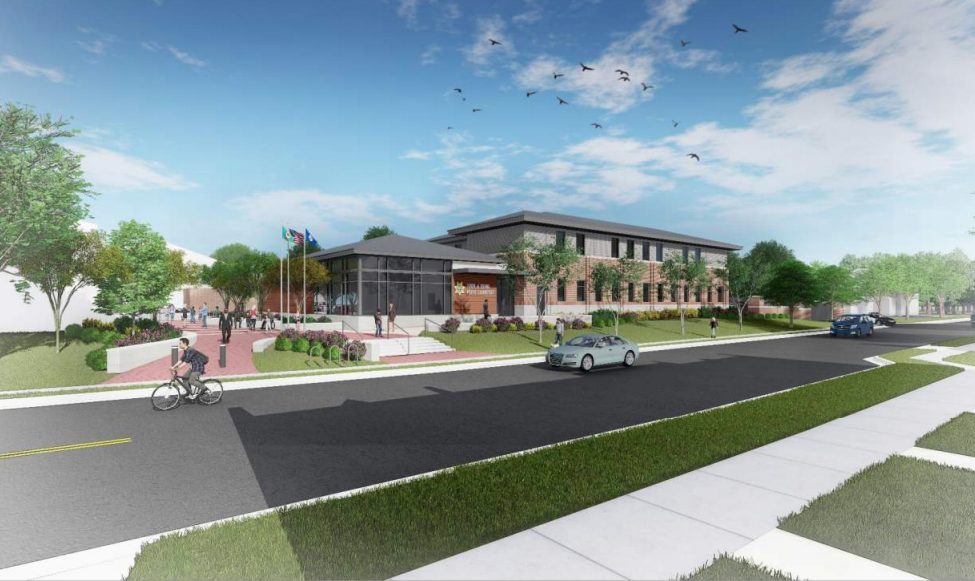
Hoar Construction will build the Town of Vienna Police Department’s new station.
Headquartered in Birmingham, Ala., with an office in Vienna, the construction company beat out four other bidders for a $13.2 million contract to construct the planned police facility, which was awarded by the Vienna Town Council yesterday (Monday).
Town staff recommended that Hoar Construction receive the contract because it was the “lowest responsive and responsible bidder” with a total base bid of $13.2 million.
“After doing background research on the company and learning who is on their team, we found that not only does Hoar have a depth of construction experience, their members also are part of this community,” Vienna Police Chief Jim Morris said in a news release announcing the award. “They have experience in this area and are involved in and around Vienna.”
The proposals from the five finalists all fell in the $13 million to $15 million range, according to a bid tabulation released by the Town of Vienna.
Vienna first issued a request for qualified contractors for its new police station project in April. The 11 submissions that the town got were evaluated by project managers with the consulting firm Downey & Scott and narrowed down to six possible general contractors.
One of the six companies that were singled out ultimately did not submit a bid during the bidding period, which concluded on Oct. 9.
In the works since at least 2013, Vienna’s new police station will replace the existing facility that was erected at 215 Center Street South in 1994. The new building will be 28,500 square feet in size with two floors on an approximately 1.5-acre site, according to the town’s invitation for bids.
In addition to providing space for storage, training, and a firing range, among other department utilities, the new police station will have 1,500 square feet of space designed to serve community needs, including a Town of Vienna emergency operations center, cable broadcasting, overflow for public meetings, and even a potential voting location.
Though some community members objected to the project this summer amid nationwide protests urging municipalities to “defund the police,” the Town of Vienna has no intention of delaying or halting its plans for the new police station, which is being funded with $14.9 million from bonds issued in March.
Councilmember Chuck Anderson, who was elected to the council in May, noted that he was wary of supporting the construction of a new police station at a time when the COVID-19 pandemic has created a national economic crisis and the Black Lives Matter movement has drawn renewed attention to police violence against black people.
However, Anderson says he was persuaded that a new station is necessary after talking to Morris and looking at the existing facility.
“I heard his intelligence and passion for community policing and for the right kind of approach to difficult issues,” Anderson said of Morris. “Chief, you got my vote, but I’m going to hold you to it. I really want you to take those community areas that I think may have started out as kind of a carrot but have taken a whole new role in the current age and use them creatively so that we in Vienna become a beacon for other jurisdictions for how to do policing and how to do it right.”
Morris told the town planning commission on Oct. 14 that construction is expected to start in December, though the town now says that construction will likely begin in early 2021 and last 18-24 months.
The police department will work out of a temporary facility in the former Faith Baptist Church at 301 Center Street S. until the new station is completed.
Image via Town of Vienna
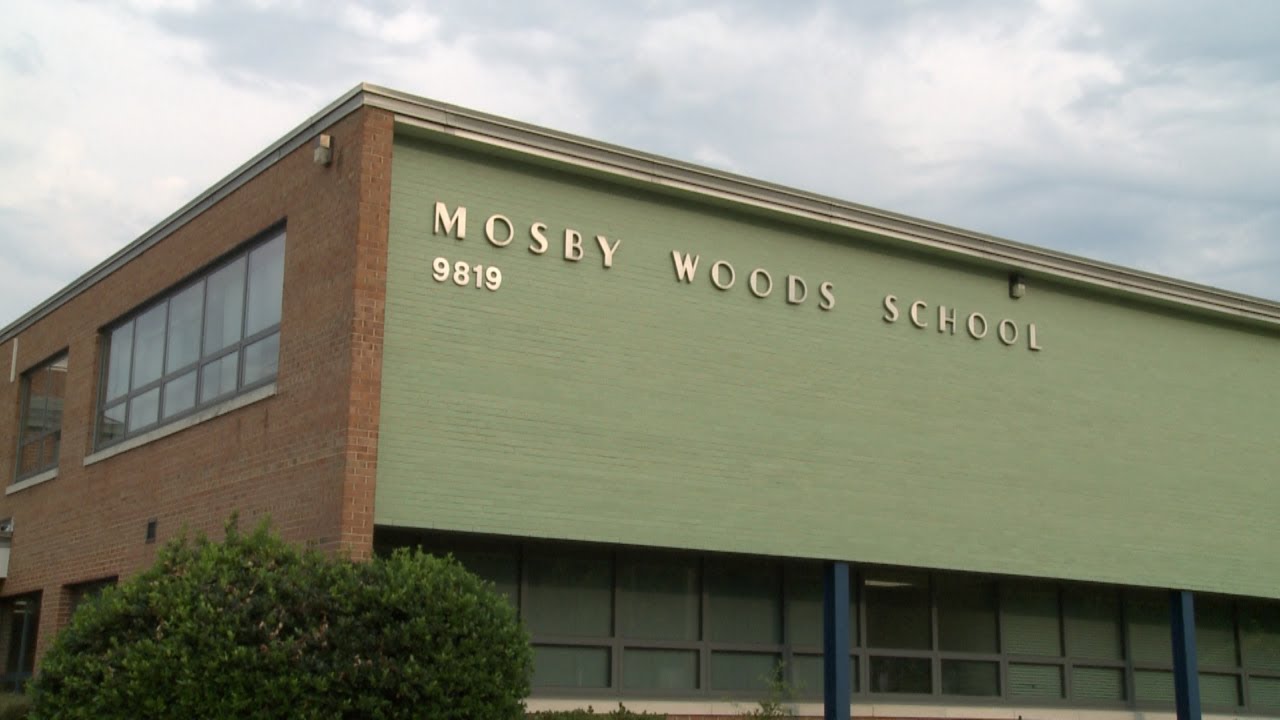
Fairfax County Public Schools Superintendent Scott Brabrand revealed his suggestions for a new name for Mosby Woods Elementary School to the Fairfax County School Board on Thursday (Oct. 22).
Listed in no particular order, the recommended names are:
- Mosaic – a nod to the school’s proximity to the Mosaic District
- Five Oaks – the name of the road where the school is located
- Katherine Johnson – a mathematician who helped make spaceflight and the Apollo 11 moon landing possible as a “computer” for NASA
- Mary McBride – a teacher who helped start a school near Fairfax Court House for the children of freed slaves after the Civil War
- Barbara Rose Johns – a student civil rights activist who led a strike in protest of conditions at the all-black Moton High School in Farmville, Va., paving the way for Brown v. Board of Education
Brabrand compiled his recommendations based on input from the Mosby Woods community after the school board voted on Oct. 8 to change the Fairfax school’s name so that it no longer bears the moniker of John S. Mosby, who achieved prominence as a calvary commander for the Confederate Army.
Providence District School Board representative Karl Frisch and at-large member Karen Keys-Gamarra proposed renaming Mosby Woods Elementary School on June 18 with the support of descendants of Mosby.
Under the current FCPS regulation for renaming school facilities, the school board is required to provide a one-month period for public comment between the superintendent’s submission of recommendations for a new name and the board’s final vote on the new name.
Led by the region assistant superintendent and the school board members who represent the area where the school in question is located, the public comment period must include a community meeting, public hearing, and the acceptance of mail and electronic feedback.
The community meeting on the recommended names for Mosby Woods has been scheduled for Nov. 30, and a public hearing will be held on Dec. 2 before the school board has a deciding vote on the new name on Dec. 3.
Image via FCPS
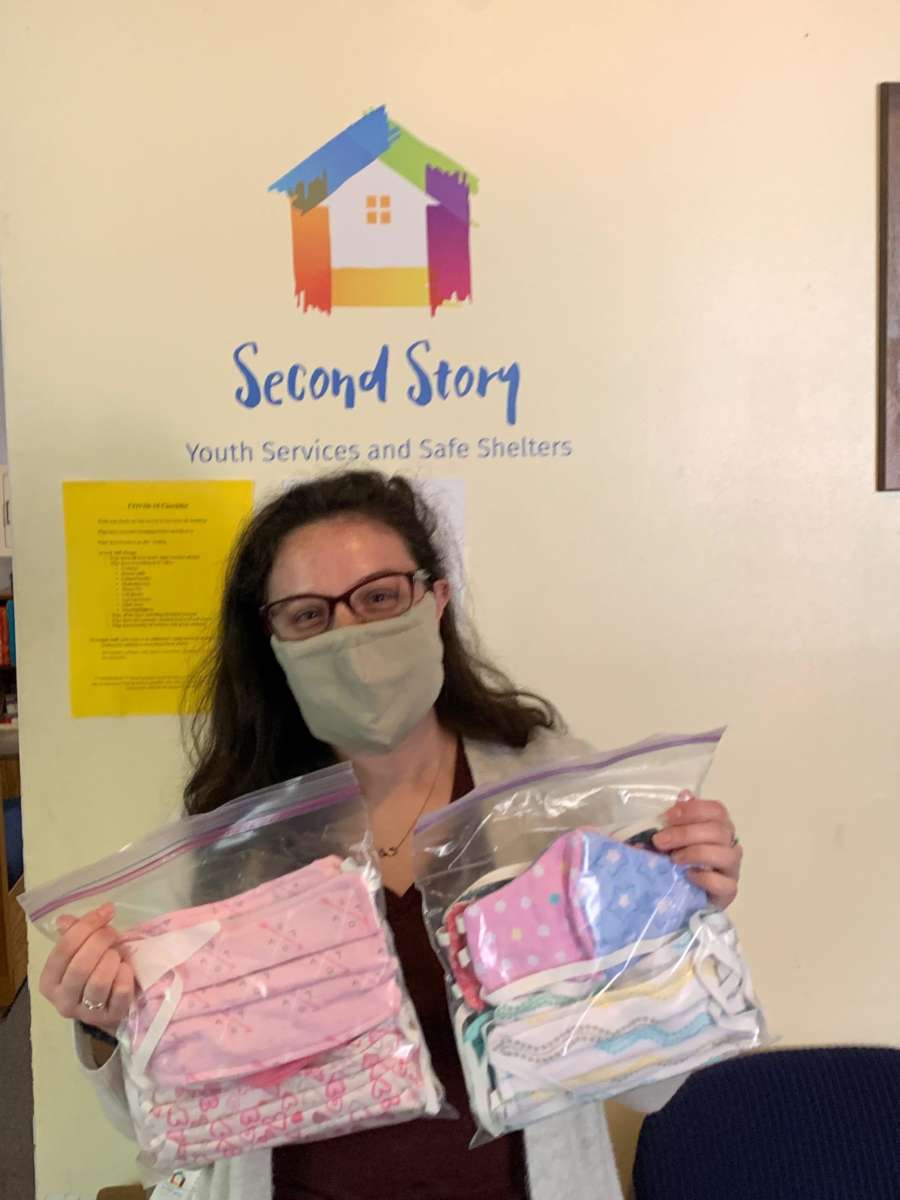
For the first time in its 48-year history, Second Story is going online for its most important fundraiser.
Scheduled for Oct. 27, the 2020 Beacon of Hope Fundraiser will give supporters a look at how the Tysons-based nonprofit has adapted to the uncertainties created by the COVID-19 pandemic, whose impact has been felt most acutely by poor and marginalized communities like the youths and families that Second Story serves.
Taking the form of a video streamed live on YouTube from 12:30-1:00 p.m., the fundraiser will feature updates from Second Story CEO Judith Dittman on the organization’s current status and its plans for the future. Three youths will also talk about their involvement in the nonprofit’s programs, which provide housing, counseling, and other kinds of assistance to young people and families in need.
The planned virtual fundraiser will be a major change from Second Story’s traditional Beacon of Hope benefit, which is held in October every year and typically serves as the nonprofit’s largest fundraising event.
“This is such a new territory for us, but everyone’s been really working hard in making sure that people will understand what the needs are of the under-served population that we work with,” Second Story vice president of development Jade Leedham said.
The annual Beacon of Hope fundraiser is especially critical for Second Story this year, as the nonprofit attempts to fill more gaps in essential needs for its clients during the novel coronavirus pandemic.
While Second Story also serves Washington, D.C., and Maryland, it is primarily based in Northern Virginia with programs to support teenagers in crisis, and young adults and mothers experiencing homelessness. The nonprofit also has drop-in centers in the Culmore area of Falls Church, Annandale, and Springfield that provide after-school support to students.
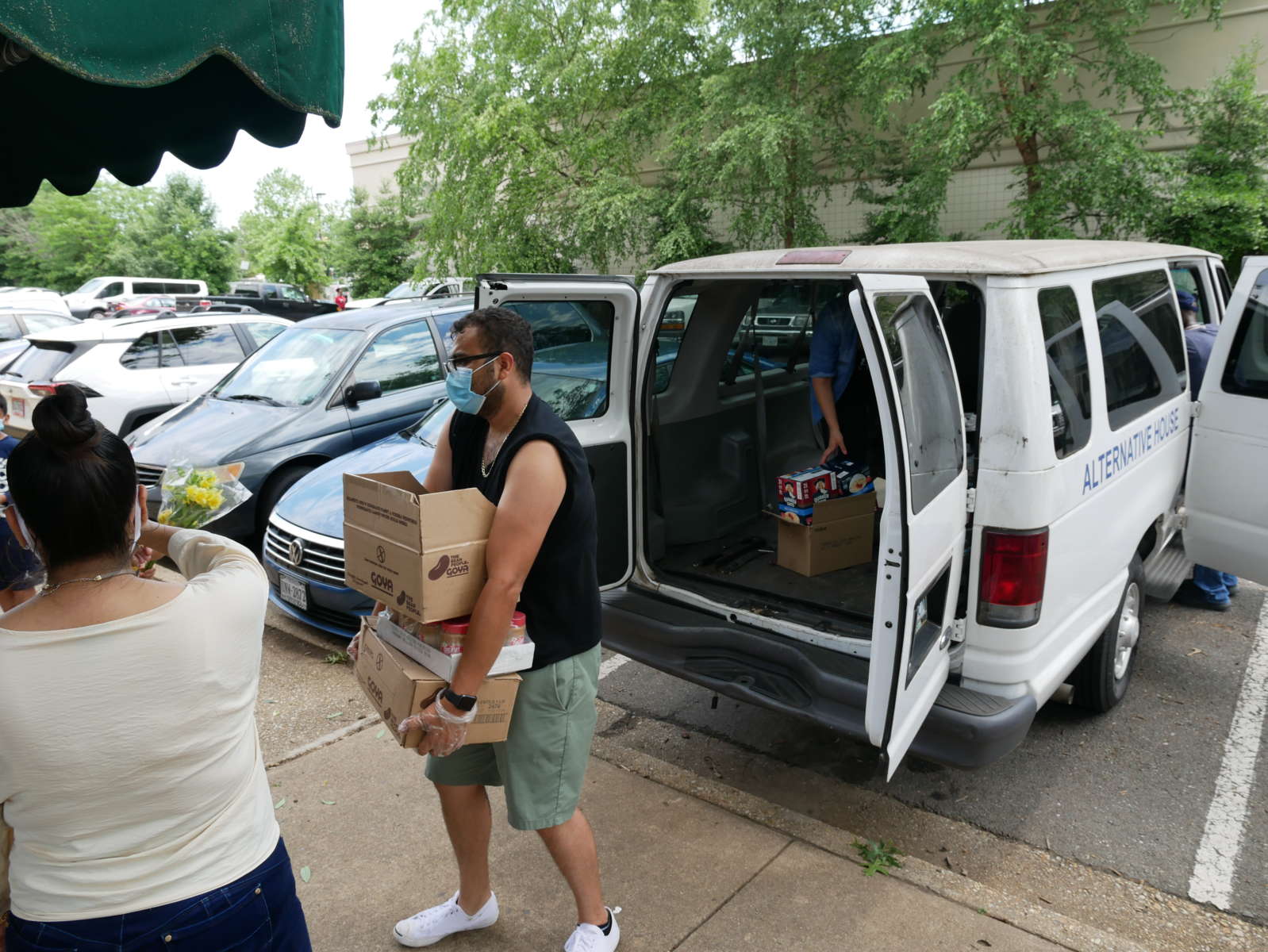
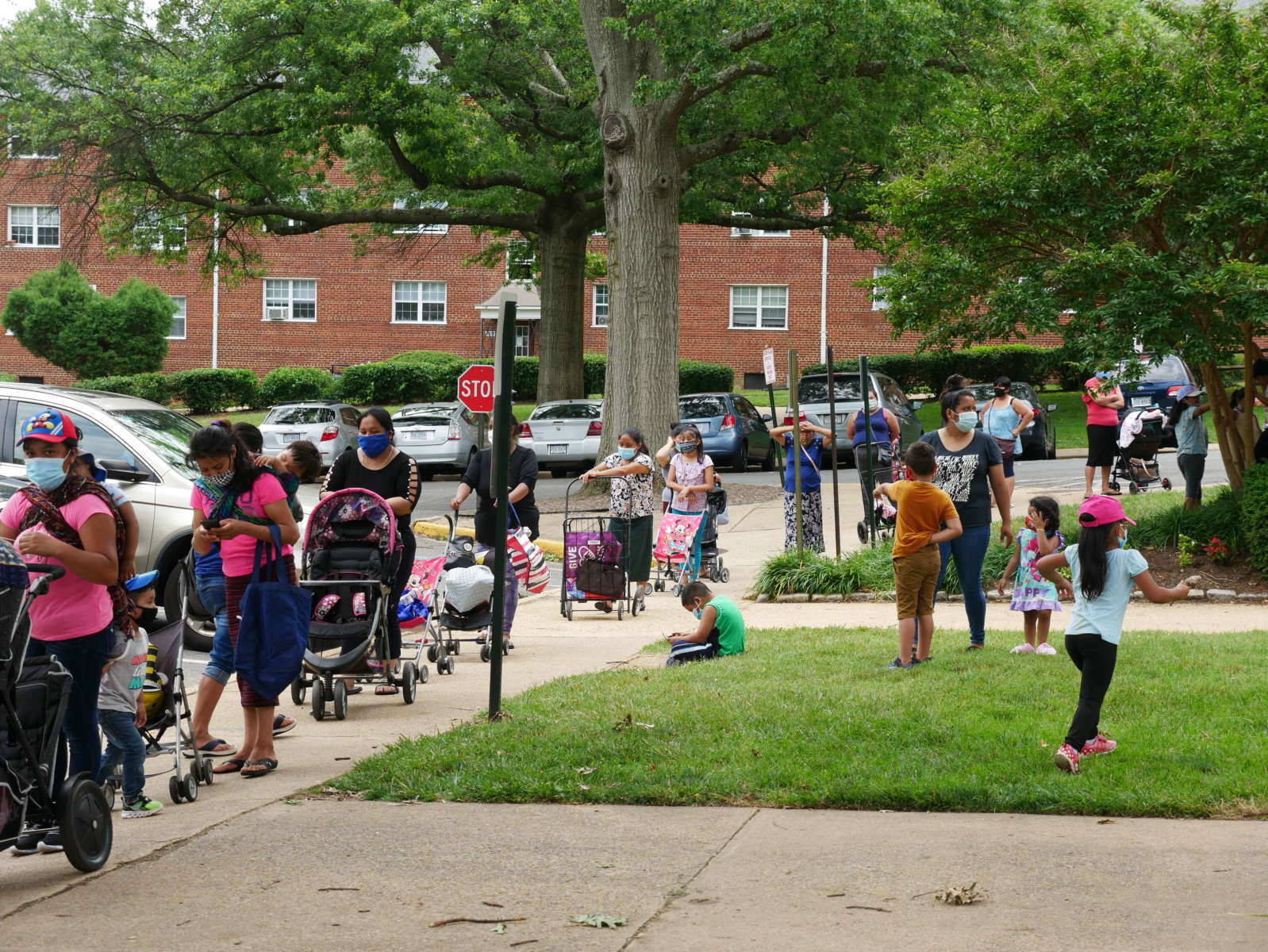
Leedham says Second Story has seen a “huge” increase in the need for food. Distribution events held twice a week in Culmore have consistently drawn about 300 people per day, while a site in Springfield regularly gets 100 people coming each day.
Second Story has also been dropping off food for clients who are unable to attend the distribution events.
Other pressing issues include access to technology, as students risked being left out of schools’ shift to virtual learning, and rent support after about 70 percent of the youths in Second Story’s rapid re-housing program lost hours at their jobs or got laid off in the past year.
At the same time, Second Story has seen the number of people using its residential programs dip.
“[It’s] the nature of COVID,” Leedham said. “People are reluctant to leave or to go anywhere that’s not familiar to them or that they don’t know is safe or not.” Read More
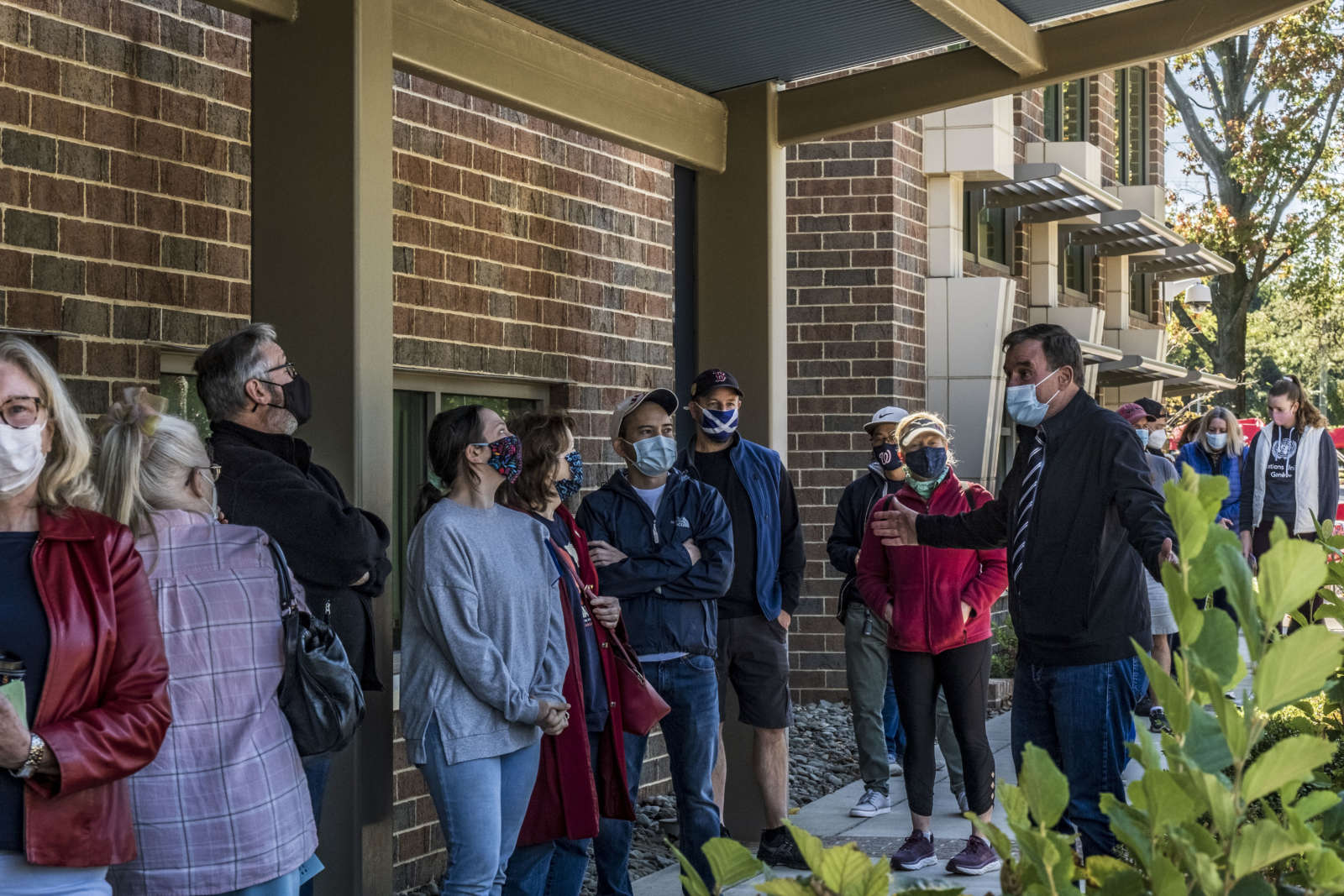
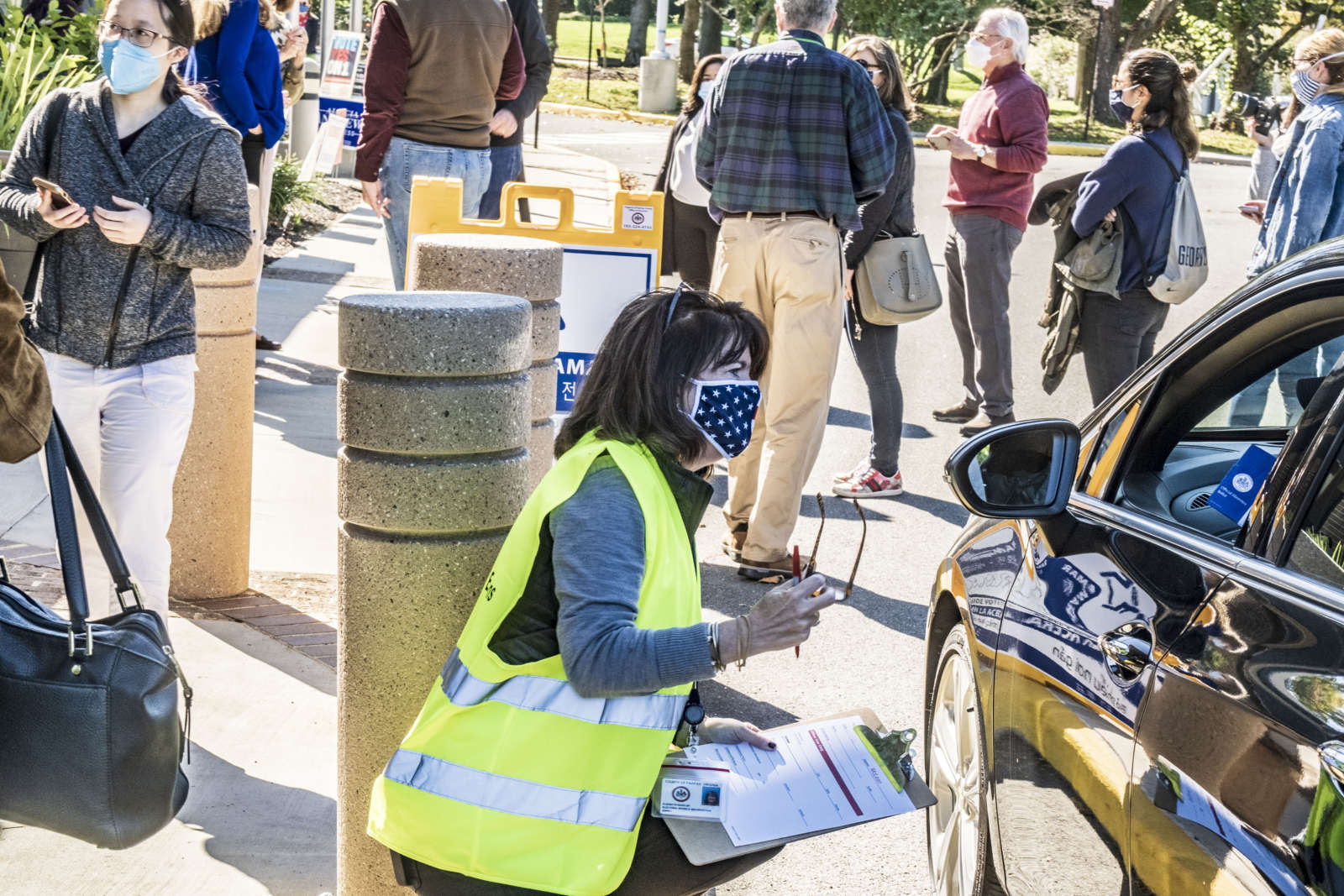
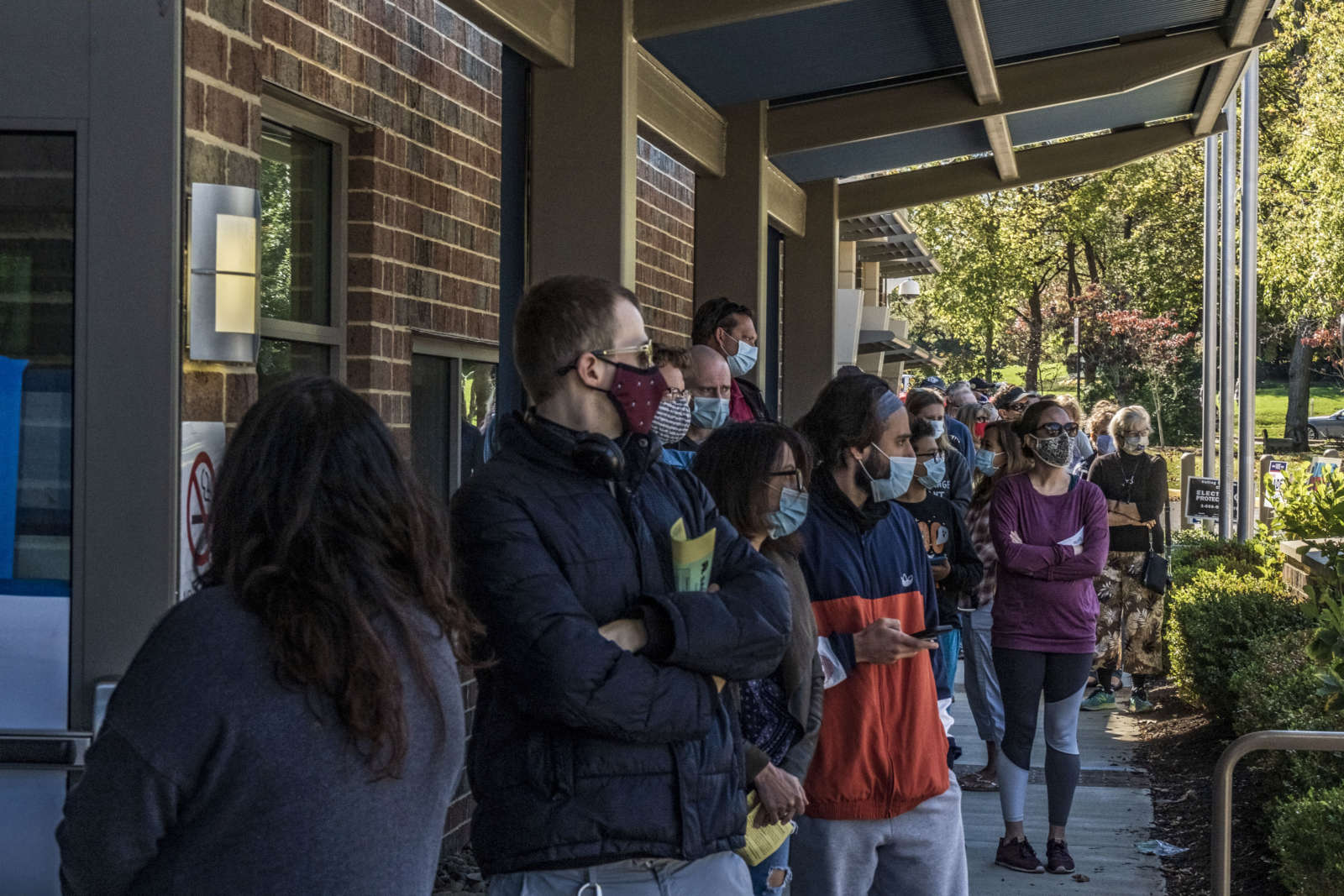
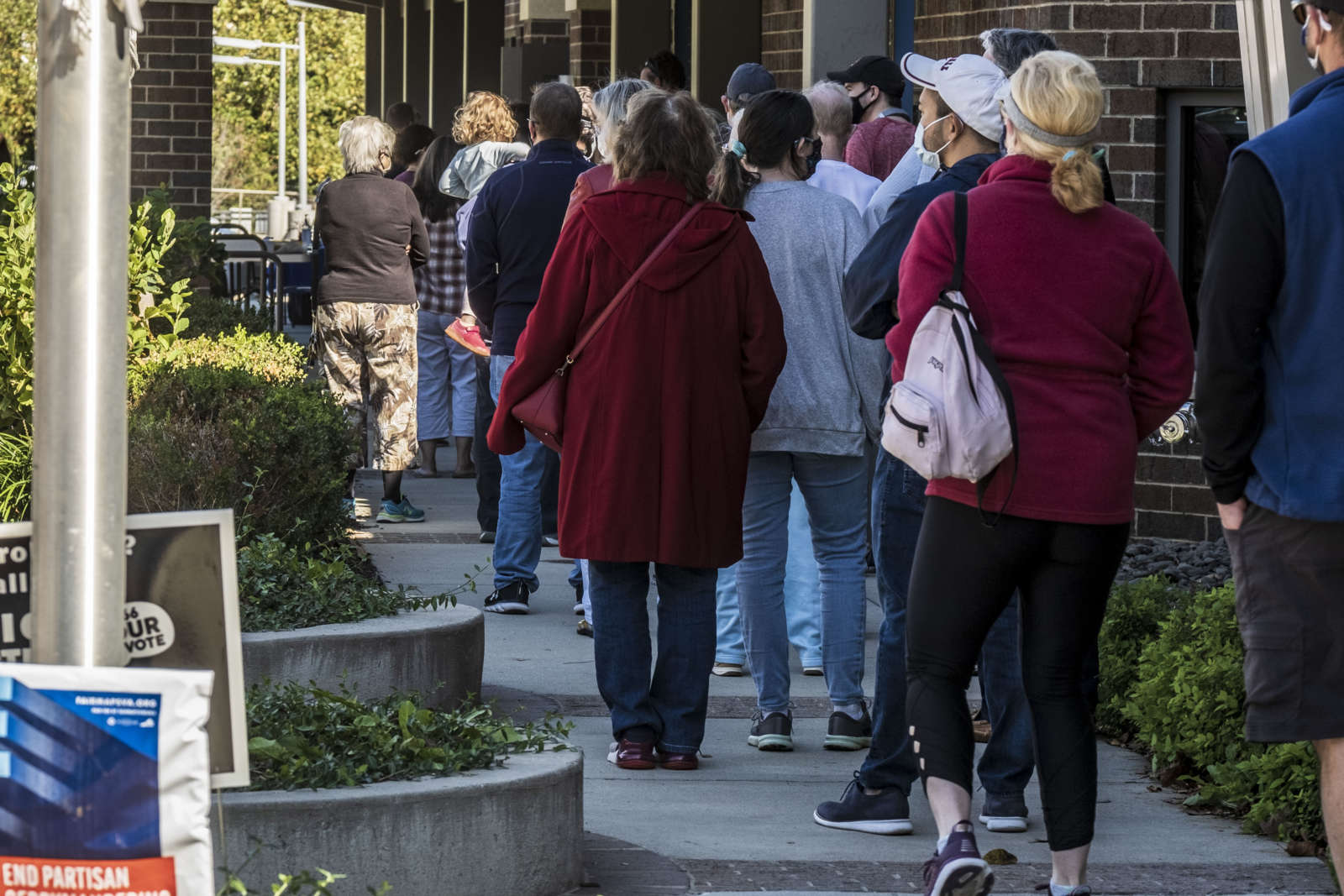
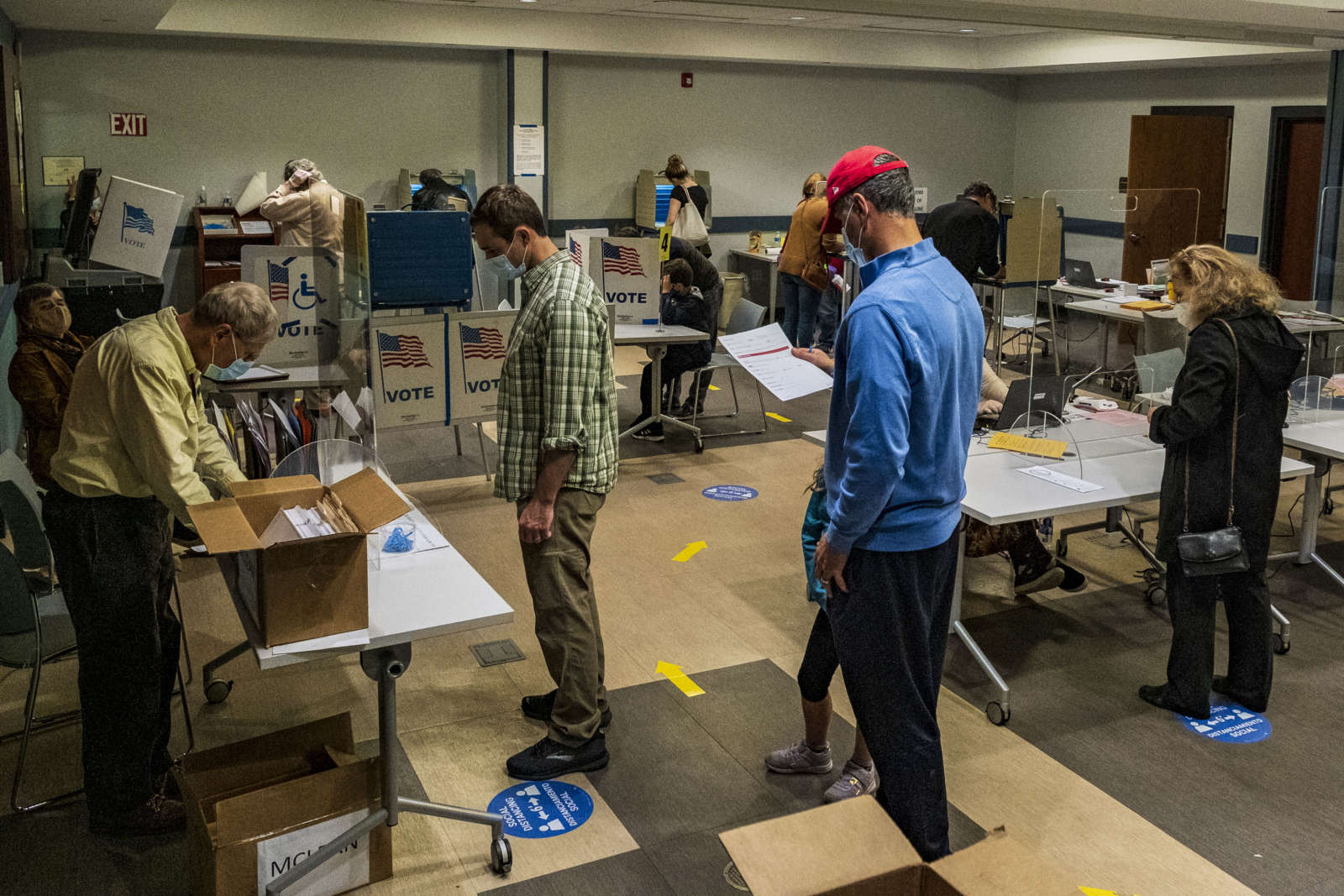
The McLean Governmental Center and Providence Community Center are among the most popular sites for early voting in Fairfax County after the county expanded early voting to 13 satellite locations on Oct. 14.
While voters have shown up in droves throughout the county, turnout has been especially high at those two Tysons-area sites, Mount Vernon Government Center in Alexandria, and Reston’s North County Governmental Center, according to county officials.
The Fairfax County Government Center, which has been open for early voting since Sept. 18, also remains popular, but the addition of the satellite locations has eased some of the pressure there after weeks of unusually long lines and wait times.
The wait time for voting in-person now generally ranges from 20 to 40 minutes, though it varies depending on the time of day and day of the week, Fairfax County public information officer Brian Worthy says, noting that mornings tend to be busier.
Sen. Mark Warner (D), who visited the McLean Governmental Center and other early voting sites in Northern Virginia on Saturday (Oct. 17), called the strong turnout “a great sign.”
“This is the first year we’ve had early voting, so I think maybe in future years, [we could think about] opening up additional sites earlier,” Warner said. “But I also think it’s a great sign of how healthy our democracy is if this many people are coming out to vote.”
Saturday represented the biggest turnout yet for Fairfax County. The nearly 11,000 early votes cast on Oct. 17 exceeded the biggest day for early voting in 2016, which came on the final day for early voting in that election, according to the county elections office.
This past Saturday was biggest day for #earlyvoting yet. Almost 11,000 votes cast—more than the single largest day for early voting during the 2016 #presidential election.#ivotedearly #voteearly #vote2020 #govote #vote #election2020 #2020election pic.twitter.com/xyv6gr43ki
— Fairfax County Votes (@fairfaxvotes) October 19, 2020
Election workers at the McLean Governmental Center on Saturday told Tysons Reporter that the number of people arriving to cast ballots grew throughout the week, starting around 500 people and peaking at 800 people that Friday (Oct. 16).
Turnout continued to be brisk on Saturday, but the lines were shorter and moved more quickly, because some people instead went to Great Falls Library, which opened on Oct. 17 and is only available for early voting on Saturdays. Read More

Fairfax County police are investigating a homicide that occurred early this morning in the Falls Church area near Dunn Loring.
The Fairfax County Police Department reported at 2:40 a.m. today (Thursday) that detectives were responding to the 2300 block of Watters Glen Court for a homicide investigation. The scene is reportedly contained with one person in custody and “no apparent threat to public safety.”
The victim and suspect are both adult men, and it “appears to be a domestic related incident,” according to the FCPD.
Detectives continue to investigate what appears to be a domestic related incident. The victim and suspect are adult males. Please follow our blog for more information. https://t.co/eBf9zOEkp1 https://t.co/977b7xNNjU
— Fairfax County Police (@FairfaxCountyPD) October 22, 2020
Tysons Reporter has reached out to the Fairfax County police for comment and will update this article as needed if more information comes in.

Update on 10/28/2020 — This article has been corrected to clarify that the approved leases are only for necessary roof space, not entire facilities, and to note that Fairfax County is working with three contractors on its solar PPA initiative, not just Sigora Solar. The article also previously stated that the county will not bear any costs for the solar panels, but a county spokesperson says it would be more accurate to say the county will not bear upfront costs to design, permit, and construct the panels.
Fairfax County inched closer to transitioning to renewable energy yesterday (Tuesday) when the Board of Supervisors authorized staff to lease roof space at the Providence Community Center and seven other county government-owned facilities so they can be outfitted with solar panels.
Providence Community Center will have rooftop solar photovoltaic panels installed on its main building at 3001 Vaden Drive, which operates as a government center for Providence District as well as a community meeting facility.
The other facilities that the county board approved to be leased to Sigora Solar following a brief public hearing are:
- The Herrity Building (12055 Government Center Parkway, Fairfax)
- The Pennino Building (12011 Government Center Parkway, Fairfax)
- The North County Government Center (1801 Cameron Glen Dr., Reston)
- Reston Community Center (2310 Colts Neck Road, Reston)
- Springfield Warehouse (6800 Industrial Road, Springfield)
- Noman M. Cole Pollution Control Plant lab building (9399 Richmond Highway, Lorton)
- I-66 Transfer Station, workers’ facility building, and truck wash building (4500 West Ox Road, Fairfax)
The eight facilities are among the first locations approved for solar panels as part of Fairfax County’s extensive solar power purchase agreement initiative, which was announced on Dec. 10 as the largest by a Virginia municipality at that point. Contracts were awarded to Sigora Solar, Sun Tribe Solar, and Ipsun Solar.
The three solar providers will design, permit, install, and operate rooftop solar panels at all facilities participating in the program, which also includes facilities owned by Fairfax County Public Schools, Fairfax County Park Authority, and Fairfax County Redevelopment and Housing Authority.
Under the PPA, Fairfax County will not bear any upfront costs for the design, permitting, or construction of the solar panels, Fairfax County Office of Environmental and Energy Coordination director Kambiz Agazi says.
Instead, the county will purchase on-site electricity from the solar providers.
The solar PPA is expected to help Fairfax County reduce its greenhouse gas emissions and its electricity costs, though county staff could not yet provide specific numbers for how much the installation of solar will reduce emissions or how much money the county is expected to save.
“We will have an approximation as soon as we have a permitted design,” Agazi said. “We hope to have that in the next three to four months.”
The eight facilities that were the subject of yesterday’s public hearing are among 113 possible projects in the first phase of Fairfax County’s PPA. A request for proposals issued by the county in 2019 listed a total of 247 facilities across the initiative’s two planned phases.
County staff say they will return to the Board of Supervisors in the future to get approval to lease the 18 other county government-owned facilities in the first phase of the PPA.
Image via Flickr/Minoru Karamatsu

Former Vienna Mayor Laurie DiRocco got a shout-out from the Fairfax County Board of Supervisors during its regular meeting today (Tuesday).
Led by Chairman Jeff McKay and Hunter Mill District Supervisor Walter Alcorn, the board adopted a resolution recognizing DiRocco for her 17 years of service to the Town of Vienna, a tenure that included stints on the town council, planning commission, and transportation safety commission prior to her three terms as mayor.
“It’s been a pleasure to serve the town of Vienna, and I know it’s in capable hands now,” DiRocco said when accepting the recognition.
DiRocco first became mayor in 2014, when she was appointed to the position following the death of Mayor Jane Seeman before winning an election for the seat later that year.
As mayor, DiRocco prioritized enhancing Vienna’s environmental sustainability, walkability, and financial responsibility. She oversaw the construction of a new community center and the installation of a mini-roundabout at Park and Locust Streets to help relieve traffic backups.
DiRocco also shepherded Vienna’s contentious efforts to cement Maple Avenue as the town’s central corridor by establishing a Maple Avenue Commercial (MAC) Zone designed to support redevelopment and mixed-use projects.
DiRocco announced last December that she would not seek a fourth term as Vienna’s mayor, completing her final term on June 30.
In their joint board matter requesting the proclamation for DiRocco, McKay and Alcorn commended the former Vienna mayor as “not only an incredible asset to the town, but to Fairfax County as a whole.”
“Her accessibility to Vienna residents, her ability to work with all sides on tough Town issues, and her diligent advocacy for the Town – always with a smile on her face – means she will be a mayor we will all miss,” McKay and Alcorn said.
Alcorn commended DiRocco for advocating the Town of Vienna’s behalf when working with the county on projects like an agreement to increase public parking for Patrick Henry Library and the town’s new police station.
“Towns have this kind of unique setup where we’re reliant on counties for schools and human health services, but we also have this independent side,” DiRocco said. “I greatly appreciate Fairfax County in the ability to provide the support and partnerships we really needed in certain times, but also to honor our independence.”
The resolution acknowledging DiRocco’s work as mayor was followed by a similar proclamation recognizing Herndon Mayor Lisa Merkel, who is not seeking reelection in November.
The Board of Supervisors also presented Del. Vivian Watts (D-39th District) with a Virginia Association of Counties Achievement Award, which recognizes “excellence in local government programs.” Watts received the award for advocating for the Virginia General Assembly to grant counties more taxing authorities.
The public presentations were the first ones delivered by the Board of Supervisors since March, when the board temporarily shifted to electronic meetings due to public health concerns from the COVID-19 pandemic.
Image via Town of Vienna
How often should a homeowner have to reassure the county that their granny flat is a granny flat?
That is one of many questions facing Fairfax County as it continues working toward the first major overhaul of its zoning ordinance in 40 years.
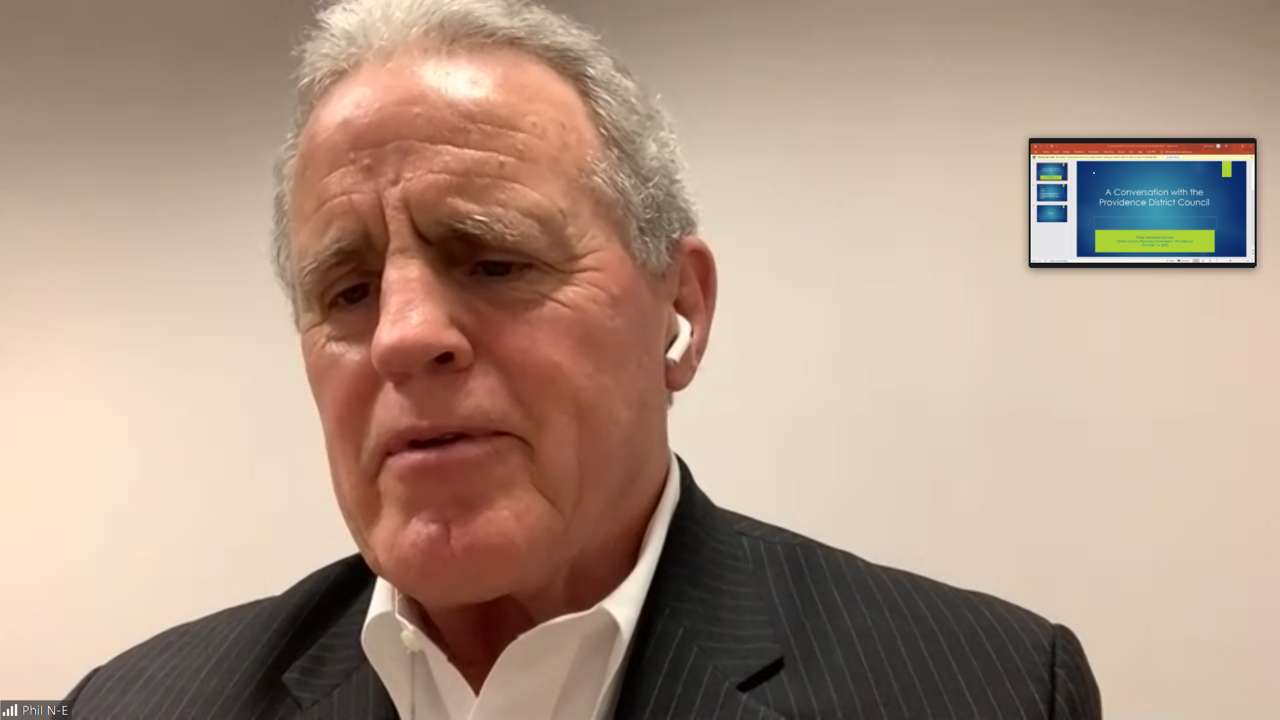
Providence District Planning Commissioner Phil Niedzielski-Eichner attempted to answer some of those questions in a discussion with the Providence District Council on Oct. 14 that also touched on development and housing.
The importance of the Fairfax County Zoning Ordinance Modernization Project, or zMOD, has become increasingly apparent as housing affordability challenges persist and more people work from home during the COVID-19 pandemic, Niedzielski-Eichner says.
“We want, on the one hand, to increase the opportunity for people to afford to live in the community,” Niedzielski-Eichner said. “We want to allow for the potential of people working out of their homes. We want to recognize that that’s an evolving reality. At the same time, we’re sensitive to protecting the neighborhood and don’t want it to cause parking problems and other neighborhood issues.”
Among the biggest proposed changes to the Fairfax County Zoning Ordinance are new regulations for accessory living units, which generally known as accessory dwelling units but got a name change in Fairfax to avoid confusion with affordable dwelling units.
Defined as “subordinate living spaces with areas for eating, sleeping, living, and sanitation,” ALUs are currently only allowed in Fairfax County if an occupant of the unit or the principal dwelling is 55-plus years old or has a disability.
Under Fairfax County’s most recent draft zoning ordinance, which has been available for public comment since June 30, the Fairfax County Board of Supervisors would have the option of eliminating the age and disability requirements for an accessory living unit.
The draft ordinance also outlines a new process for homeowners to get approval for an ALU.
Currently, homeowners currently have to attend a public hearing if they want to add an ALU, but the proposed zoning ordinance allows property owners to instead apply for an administrative or special permit that would need to be renewed every five years.
Niedzielski-Eichner says county staff is considering requiring renewal every two years instead of five, as they try to acknowledge concerns about the potential impact of accessory living units on neighborhoods without overly burdening property owners.
“We already know that people are doing accessory living units outside of the context of permitting or any regulation,” the Providence District planning commissioner said. “If we make it so difficult that people don’t want to enter into the process, then we lose the ability to influence the quality of that process and how it’s implemented.”
The Fairfax County Planning Commission’s land use process review committee is scheduled to have a discussion on zMOD this Thursday (Oct. 22) at 7:30 p.m.
Other land use and zoning challenges facing Fairfax County, especially a district like Providence that spans urbanizing centers like Tysons and older neighborhoods like Mantua, include expanding the availability of affordable and workforce housing, and ensuring that county services and infrastructure keep pace with development.
Niedzielski-Eichner says he has advocated for the county to become more data-driven when making decisions, such as altering policies around ALUs, that could potentially change the character of a neighborhood.
“It’s all about community confidence,” Niedzielski-Eichner said. “I feel that we have to do those things so that the community will come along with the policy and have confidence that it follows their best interests.”
Image via Providence District Council