
McLean House Fire Caused by Unattended Cooking — Fire investigators have determined that a condominium fire that occurred in the McLean area approximately 9:05 p.m. on Monday (Dec. 21) was caused by cooking left unattended in the kitchen. The blaze displaced three occupants and resulted in approximately $93,750 of damages. [Fairfax County Fire and Rescue Department]
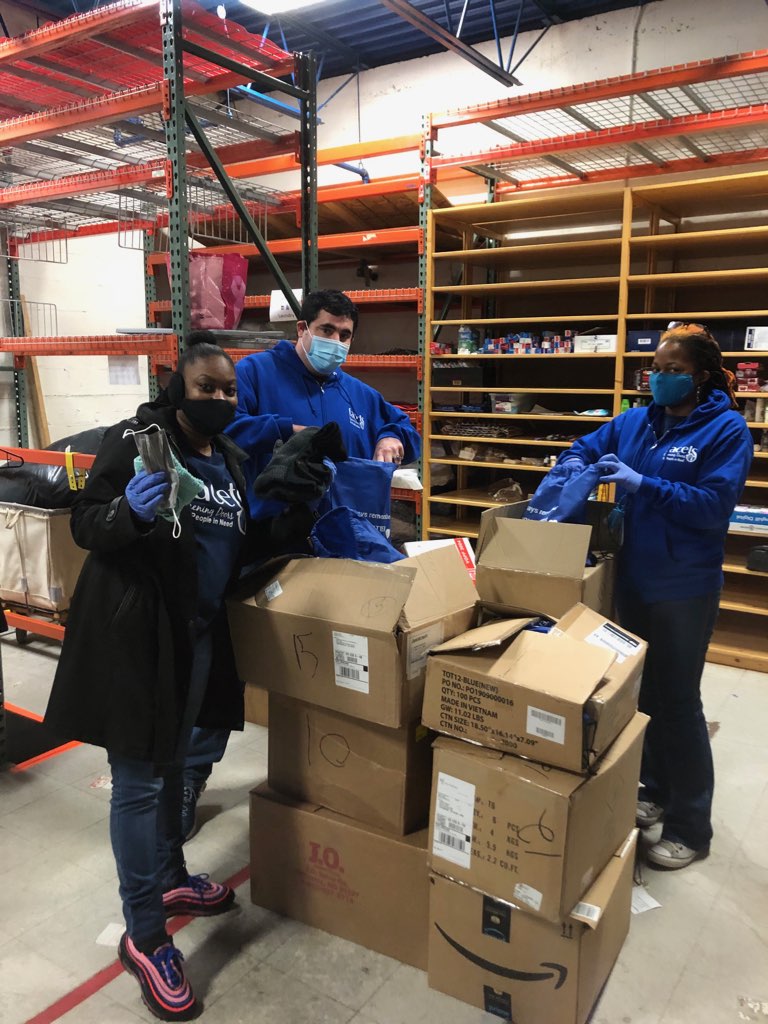
Fairfax County Exceeds Face Mask Donation Goal — “In total, 77,010 cloth face coverings were donated and distributed this year. To provide free masks to the most vulnerable, including low-income families, the county put out a call in May for the community’s help to sew and donate 65,000 masks for children and adults.” [Fairfax County Emergency Information]
Fairfax County Commonwealth’s Attorney Ends Use of Cash Bail — “Fairfax County’s top prosecutor formally announced Monday [Dec. 21] that his office would no longer seek cash bail, saying it exacerbates inequalities between the rich and poor in the criminal justice system.” [The Washington Post]
McLean Community Center Finds New Way to Celebrate Christmas — “The McLean Community Center on Dec. 12 held a special event to take the place of its traditional “Breakfast with Santa.” Youngsters ages 2 to 8 had the chance to take a photo with Saint Nick in a contact-less, outdoor environment. Santa was safe and secure in an inflatable snow globe.” [Sun Gazette/Inside NoVA]
Staff photo by Jay Westcott
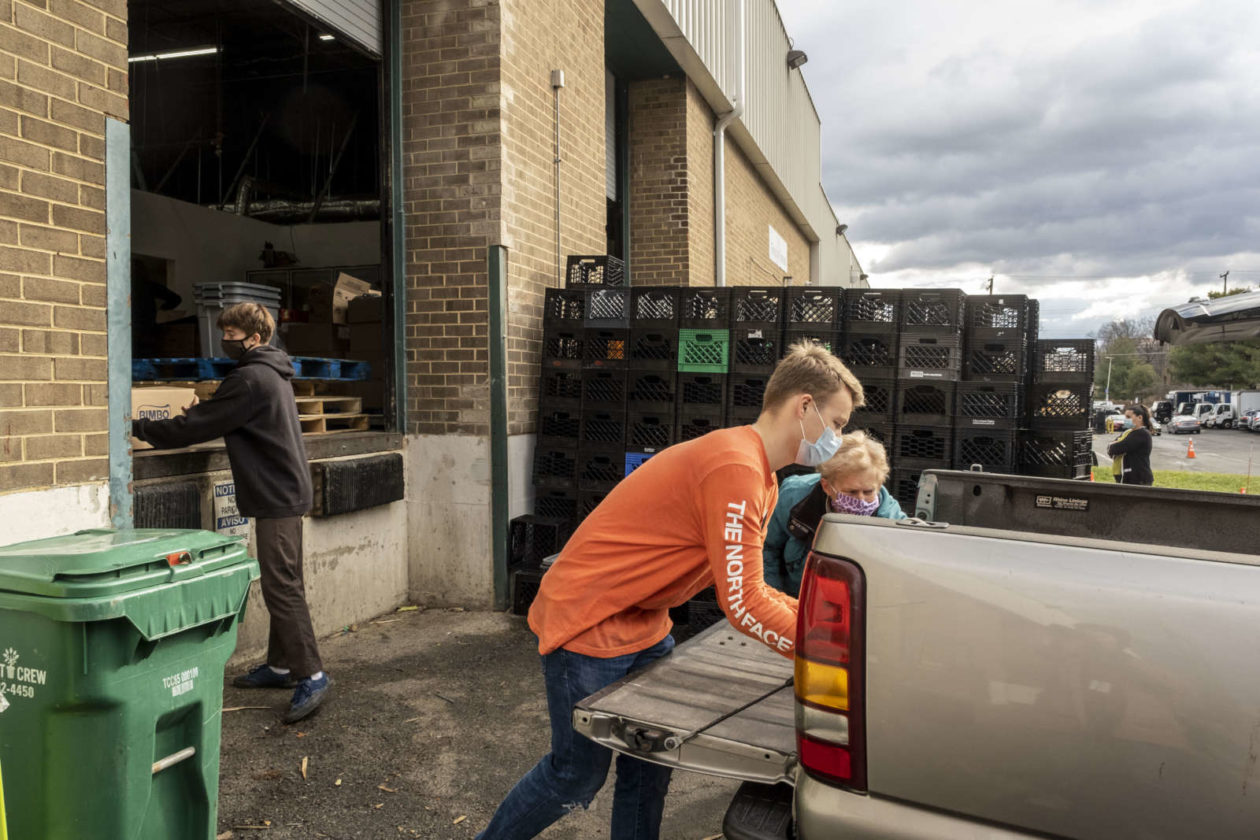
More people in Fairfax County are facing food insecurity this year due to the COVID-19 pandemic, as illustrated by increased requests to the county and local pantries for groceries.
Fairfax County received 5,980 requests for emergency food from Mar. 1 to Dec. 21 of this year, a 56% increase from the same timeframe in 2019, according to Shweta Adyanthaya, a public information officer for the county’s Health and Human Services Department.
“The height of the requests came in the early months of the response — April to September — and then leveled off to average levels of requests since then,” Adyanthaya said. “Those households in need of food resources are referred to nonprofit and faith-based community partners, as well as other county resources.”
She encourages residents in need to use the county’s map application to locate food distribution groups near them.
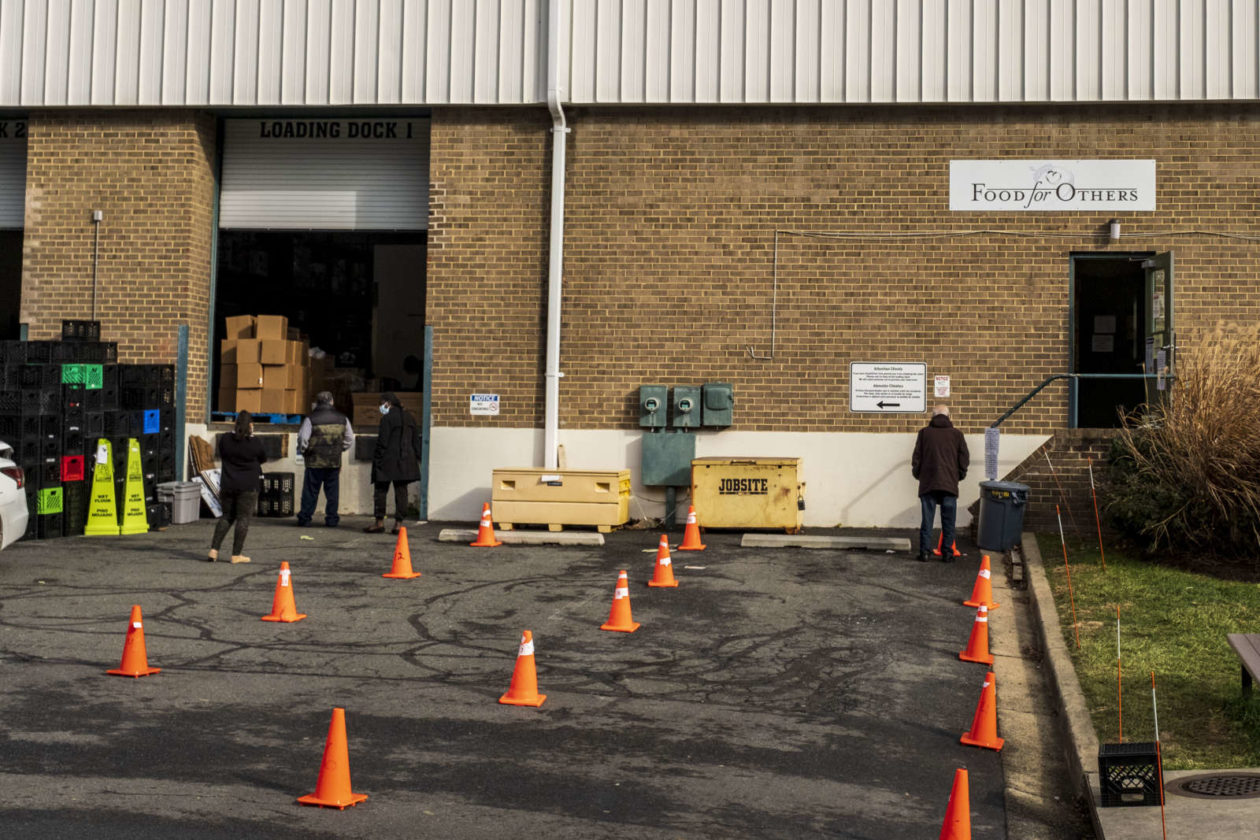
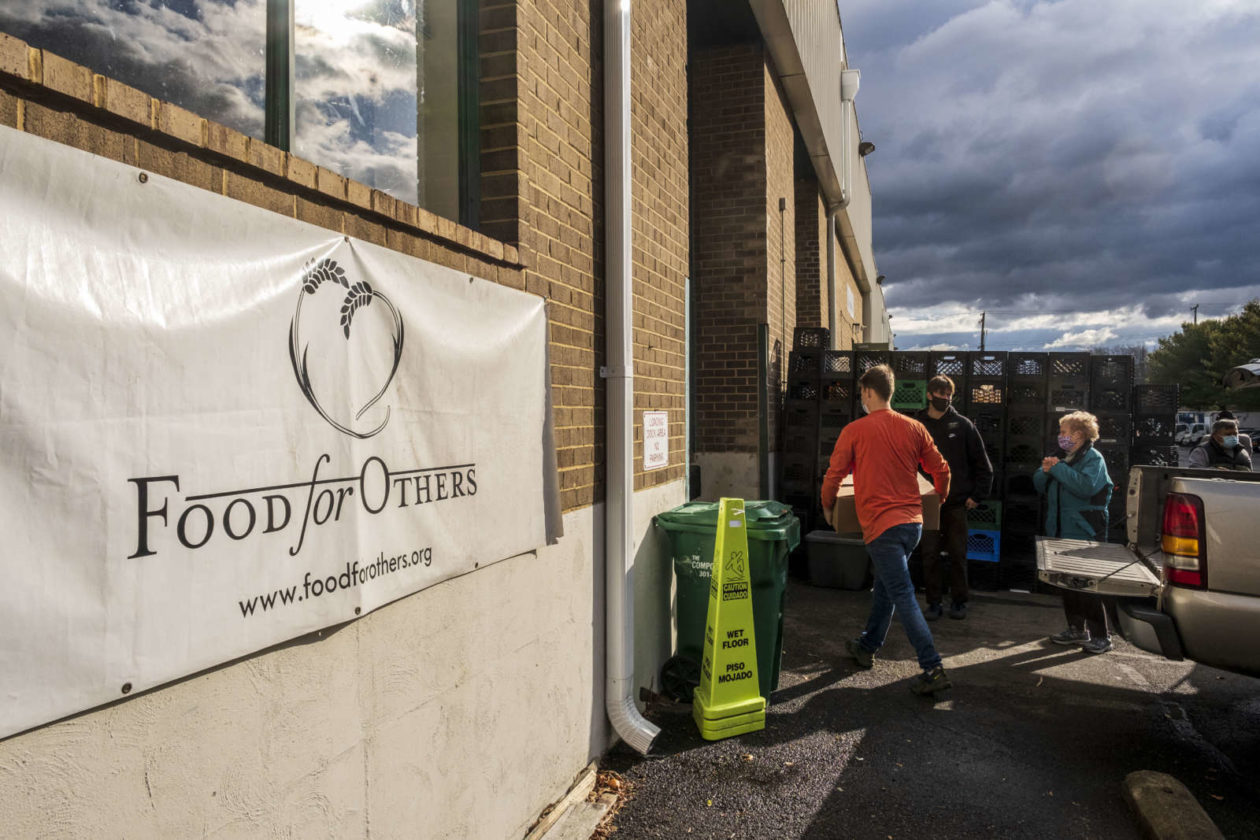
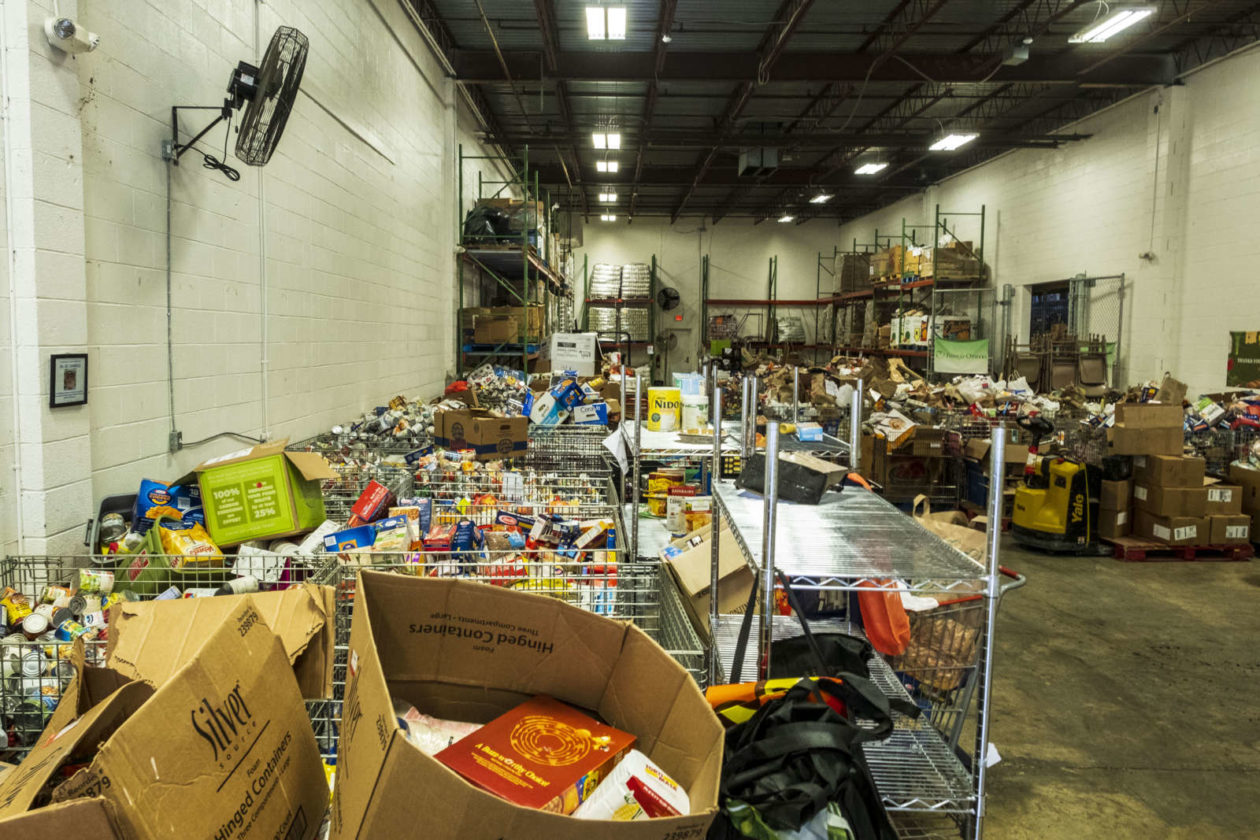
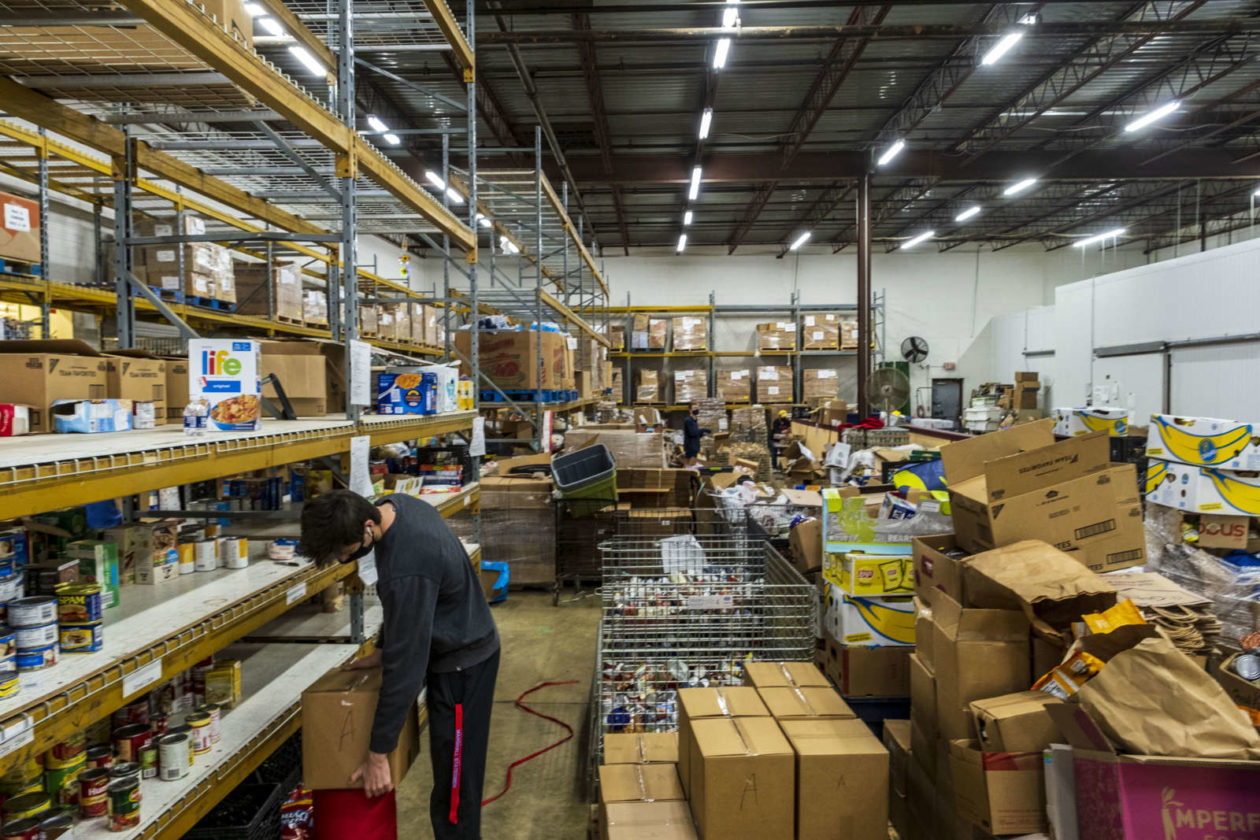
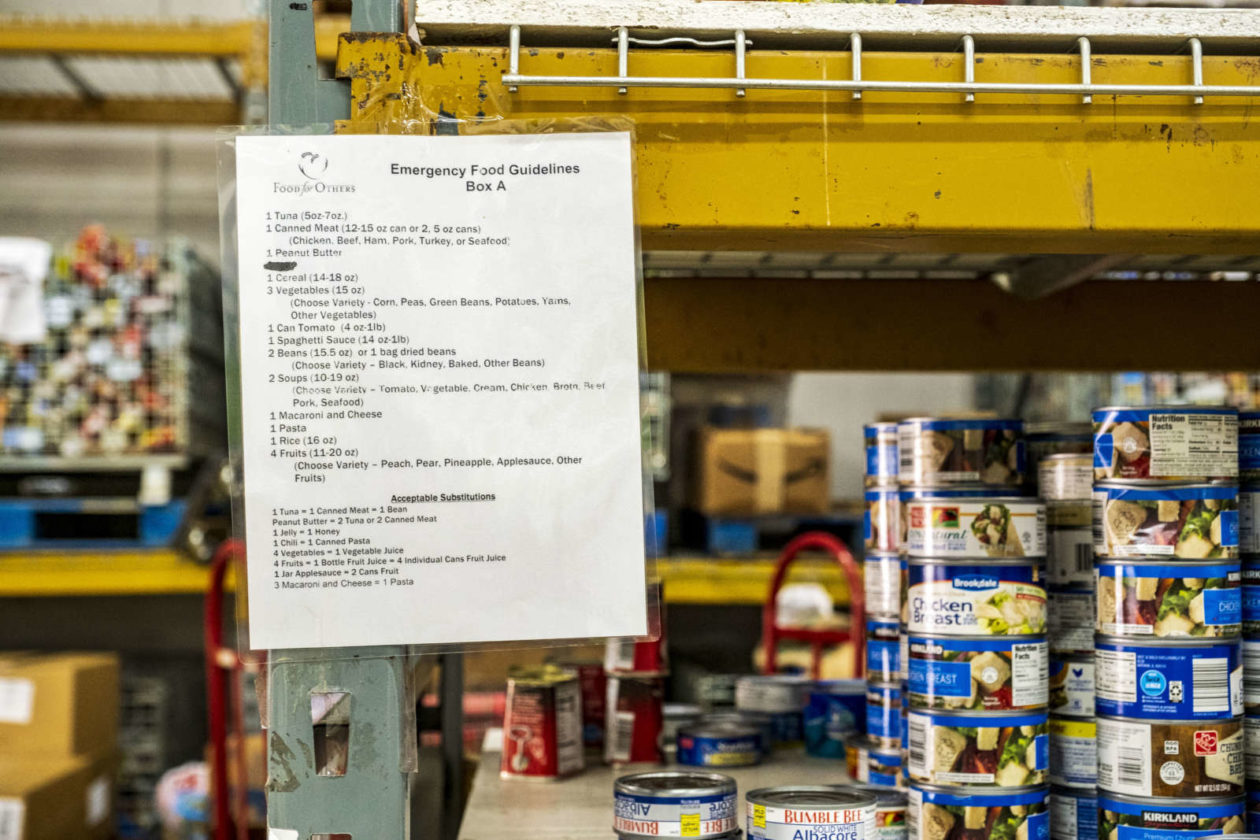
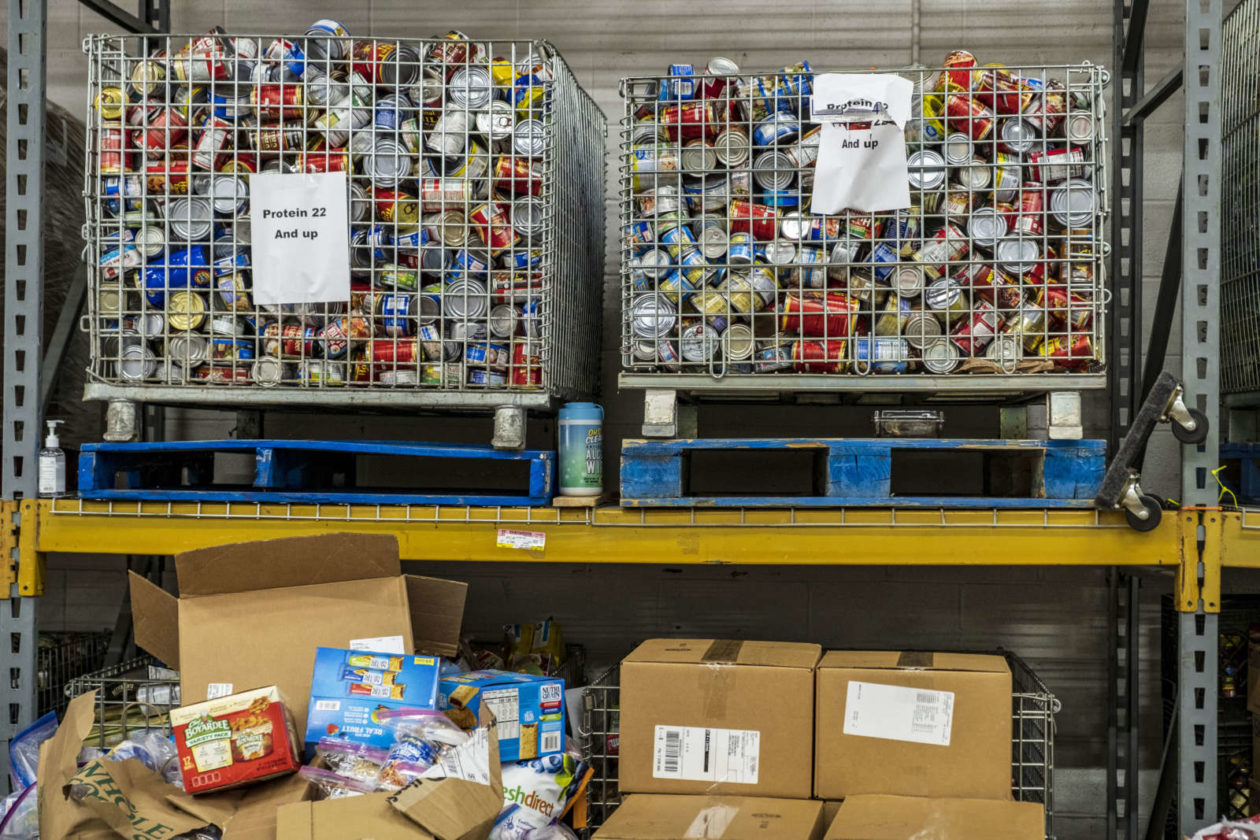
One nonprofit in the Tysons area is Food for Others, which operates out of a warehouse in Merrifield.
Food for Others spokesperson Bridge Snydstrup told Tysons Reporter that the nonprofit is distributing food to an average of 4,000 families weekly, double the number of families it served pre-pandemic.
“The majority of people we are serving right now are unemployed due to COVID-19,” Snydstrup said. “Many of our clients work in the service industry and have either lost their jobs or had their hours significantly reduced due to the pandemic.”
She said that donations are also ticking up, helping the nonprofit meet the additional need.
“The Northern Virginia community has been extremely generous in helping FFO respond to the COVID-19 crisis,” Snydstrup said. “So many people have reached out asking what they can do to help and have either donated food or made monetary donations.”
However, volunteer rates are down overall, even though many in the community are interested in helping out.
“We have to limit the number of people in our warehouse to allow for social distancing and to ensure that our staff, volunteers, and clients are safe,” Snydstrup said. “We do have limited volunteer slots in our warehouse on weekdays, [and] those interested can sign up on our website.”
The best thing to do for those who want to help but are unable to volunteer is to host a food drive and drop off the donations.
Students in the area are also stepping up, Dranesville District School Board representative Elaine Tholen said in her newsletter on Monday (Dec. 21).
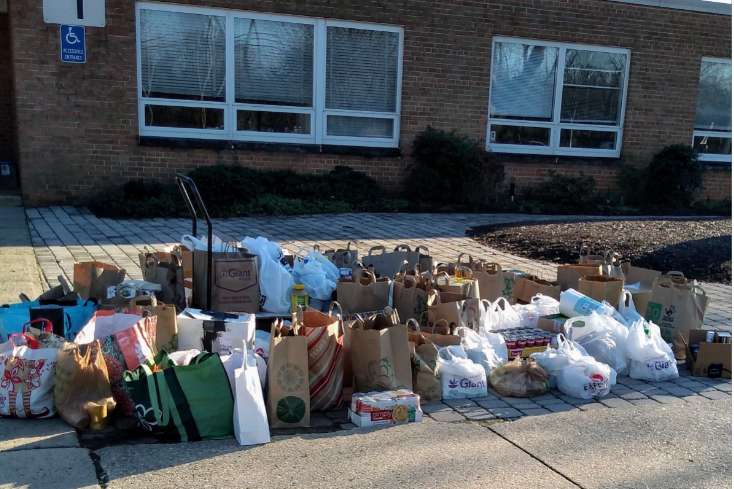
Last week, Cooper Middle School and Langley High School held a joint food drive for SHARE of McLean that brought in more than 6,500 non-perishable items. More than 40 students volunteered.
“We are thrilled to share it was an overwhelming success,” Tholen said. “We continue to be amazed by the generosity displayed by our school community and pyramid at large.”
The increase in demand for food assistance and drop in available volunteers are trends playing out nationally too.
Feeding America’s network of food banks have distributed nearly 57% more food in the third quarter of this year compared with 2019, according to an Associated Press analysis.
Meanwhile, NPR reported that food banks are seeing fewer volunteers, in part because the usual volunteers include older people, who are staying home to protect themselves from the coronavirus.
Food donation photo via Dranesville School Board Representative Elaine Tholen.
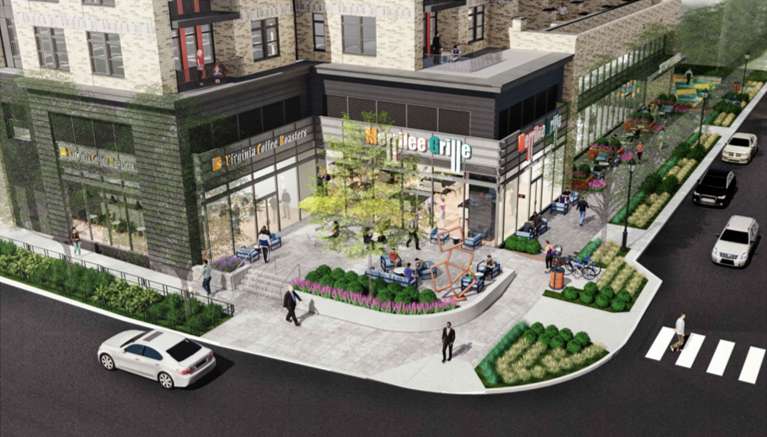
The Fairfax County Planning Commission officially gave its support to plans for a mixed-use development on Merrilee Drive in the Merrifield area last week, voting unanimously on Dec. 9 to recommend that the Fairfax County Board of Supervisors approve a rezoning application for the project.
Proposed by Elm Street Development under the name Merrilee Ventures, the project envisions replacing the existing three-story office building at 2722 Merrilee Drive with a seven-story, 85-foot-tall residential building with retail and recreational amenities.
The two-acre site is currently zoned for medium-intensity industrial uses. Elm Street submitted an application last December to have it rezoned for planned residential mixed-use development.
“This project represents the next exciting revitalization opportunity in Merrifield and continues the important process of realizing the comprehensive plan vision for this area by closing the development gap between the Dunn Loring Transit Station Area and the Mosaic District,” Providence District Planning Commissioner Phil Niezielski-Eichner said.
The commission’s vote came a week later than expected after it decided on Dec. 2 to defer a decision on Elm Street’s rezoning application due to concerns about the project’s inability to meet urban park space requirements.
The proposed development falls 0.45 acres short of the 0.63 acres of on-site publicly accessible park space that it is supposed to have under the Tysons Comprehensive Plan. To make up for that shortfall, Elm Street has committed to finding at least 0.45 acres of off-site park space or contributing $500,000 to the Fairfax County Park Authority so that it can purchase and develop future park resources in the Merrifield area.
After approving the rezoning application, the planning commission recommended to the Board of Supervisors that county staff “identify specific planning alternatives and potential new mechanisms to realize the implementation of the urban park vision set forth in the Merrifield Suburban Center Comprehensive Plan.”
McGuireWoods managing partner Greg Riegle, a representative for Elm Street, also addressed concerns about parking and stormwater management that were raised at the Dec. 2 public hearing.
While the Merrilee development will not solve existing drainage challenges by itself, it will be a clear improvement over the current site, which is almost entirely paved, Riegle said.
The Merrilee mixed-use project will have 294 parking spaces, including 264 for use by its 239 planned multi-family residential units and 30 for retail use. The developer is seeking to reduce the site’s existing parking by 18%, citing its proximity to the Merrifield-Dunn Loring Metro Station.
Riegle says Elm Street is working to ensure there is sufficient on-site parking to meet the development’s needs and prevent impacts on the surrounding community.
“I’d also note for the record that we are segregating retail parking, so [retail is] clearly divided with the residential,” Riegle said. “It’s not co-mingled to make sure it’s both convenient and there’s an adequate amount available, so hopefully, that’s responsive in the same vein of trying to move the situation collectively forward.”
A Board of Supervisors public hearing on the Merrilee project has been scheduled for 3:30 p.m. on Jan. 26, 2021.
Photo courtesy Elm Street Development
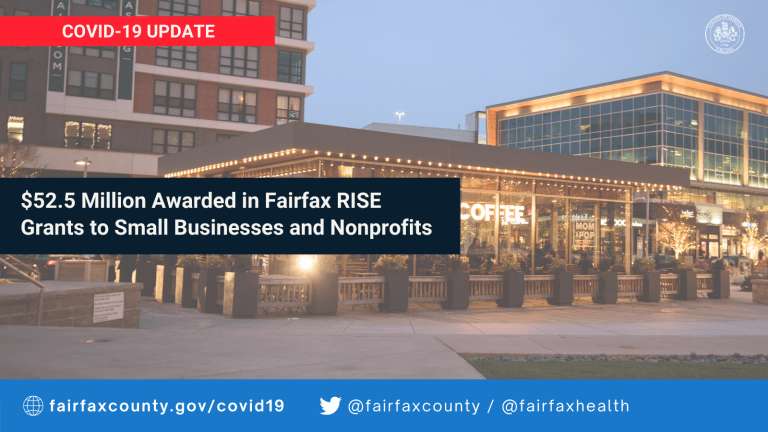
Fairfax County’s relief fund for small businesses and nonprofits affected by the COVID-19 pandemic has come to an end, the county announced on Dec. 11.
Established by the Fairfax County Board of Supervisors in May, the Fairfax Relief Initiative to Support Employers (RISE) assisted 4,809 local businesses and nonprofits by awarding $52.57 million in grants.
According to the county, RISE received 6,280 total requests for aid during the application period from June 8 through June 15. 95% of the grants went to local businesses, while the remaining 5% supported nonprofits.
More than 72% of the grant recipients identified as organizations owned by women, minorities, and/or veterans. That surpasses the county’s goal of allocating at least one-third of the available funds to businesses owned by those historically disadvantaged groups, which account for a third of the jobs in Fairfax County.
The Board of Supervisors praised the county staff and employees of the nonprofit Community Business Partnership who ran the program during an Economic Initiatives Committee meeting on Nov. 10.
“I think each of us have heard from recipients what a difference this has made,” Board of Supervisors Chairman Jeff McKay said. “We’ll be paying close attention to what we hope will be future federal stimulus that will help us do even more going forward. 4,800-plus businesses is not insignificant.”
Fairfax County created RISE using money that it had been allocated by the federal CARES Act. As of November, the county had received $340.5 million in federal aid, including $200.2 million from the CARES Act Coronavirus Relief Fund, whose eligibility period ends on Dec. 30.
RISE grant funds were intended to assist with wages, rent, employee health insurance, and other fixed operating costs critical to keeping businesses alive.
Recipients needed to have a principal place of business located in Fairfax County, including the Towns of Vienna, Herndon, and Clifton, and no more than 50 full-time employees in order to be eligible for the program.
Almost 40% of the grants went to businesses in the accommodation and food services, healthcare and social assistance, and professional services sectors. 8% of recipients were in retail trade, which joins food services and hospitality as industries hit especially hard by job losses and the pandemic’s other economic impacts.
More information about RISE and the grant recipients can be found on Fairfax County’s website and its RISE dashboard.
Image via Fairfax County government
It has barely been 10 days since Fairfax County launched its annual Hypothermia Prevention Program, and it’s already clear that this winter will be unlike any other that Abby Dunner has experienced in her nearly decade-long work with the initiative.
Now the manager of the Fairfax County Office to Prevent and End Homelessness, Dunner has been involved with the hypothermia prevention program since she was employed as a case manager and assistant by the nonprofit FACETS in 2012.
The COVID-19 pandemic, however, forced Dunner and the other county and nonprofit officials who run the program to completely reengineer their operations, which were well-honed after 15 years of providing shelter for people in need during the coldest months of the year.
This year’s hypothermia prevention program, which started on Dec. 1 and runs through Apr. 1, 2021, must contend not only with the public health risks and social distancing protocols created by COVID-19, but also the looming threat of a surge in homelessness if emergency assistance measures end.
“We recognize the challenges and kind of the unique situation that we’re in, but everybody is also very much on board with understanding that the program has to continue,” Dunner said. “We have to still be able to shelter people who are experiencing homelessness.”
County officials and the nonprofit contractors that operate the hypothermia prevention shelters realized early on that they would have to make major changes to the program to make it viable this year.
Dunner says the Office to Prevent and End Homelessness collaborated extensively with the Fairfax County Health Department throughout the planning process. Health officials walked through each site and recommended ways to implement social distancing as much as possible.
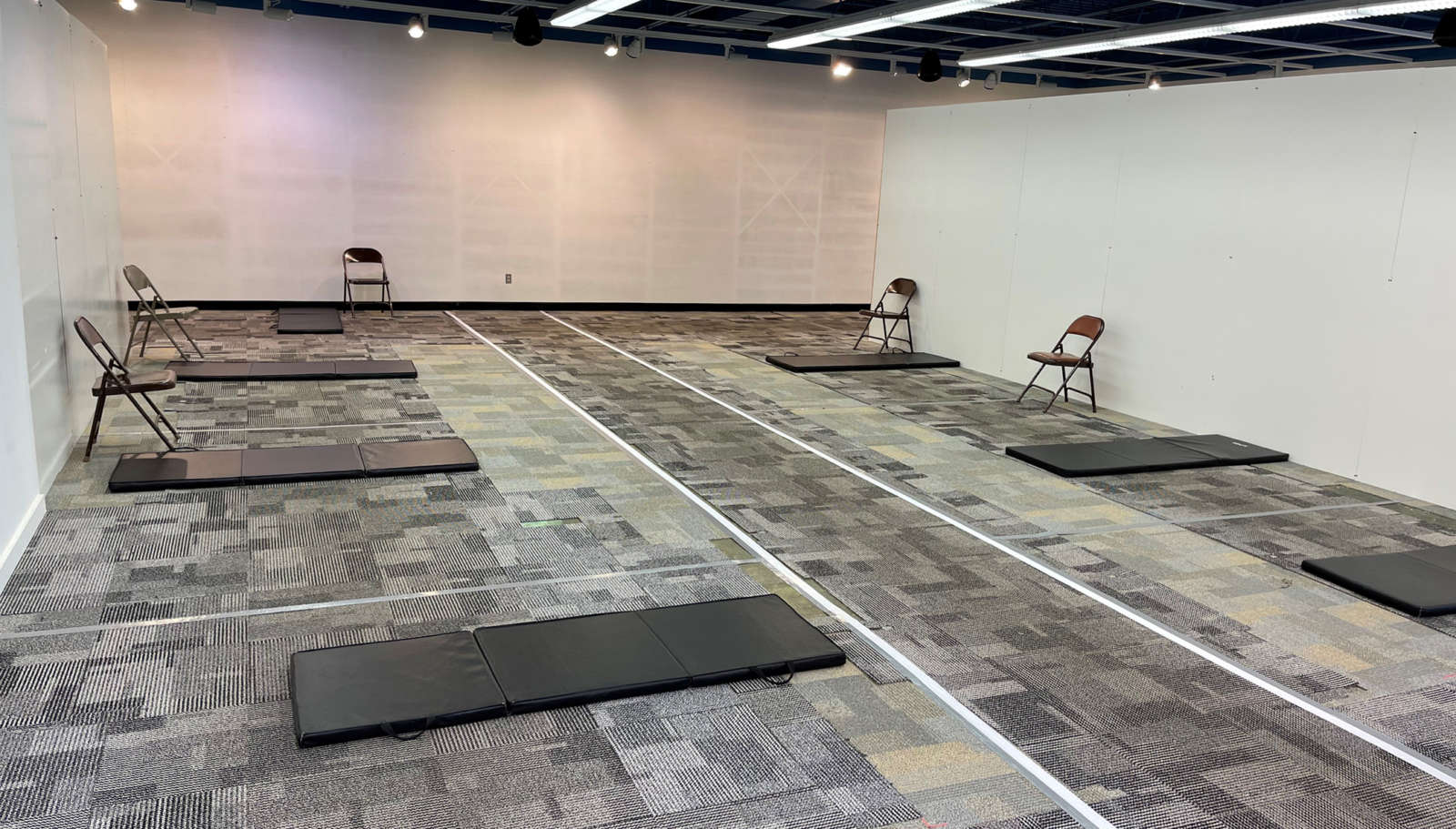
Typically, the county relies on faith communities and nonprofits to host the actual shelters, which rotate between different locations every week, but the churches and other buildings usually utilized were too small to allow for the approximately 100 square feet of space sought per guest.
This time, the county turned to its own facilities, ultimately identifying seven sites that were sufficiently spacious, centrally located, and accessible by public transportation.
The ideal site for Central Fairfax, which includes the Tysons area, turned out to be a former Container Store at 8508 Leesburg Pike in Vienna.
According to Mike Dykes, the hypothermia coordinator for FACETS, which is operating the site, Fairfax County had been renting it out to George Mason University as a storage space before realizing it could be repurposed. At roughly 19,000 square feet in size, it can accommodate up to 84 shelter guests with social distancing.
“It’s quite a lot of space, much larger than the spaces we were looking at earlier and larger than most of the spaces we’re at in other years,” Dykes said.
Dunner says the hypothermia prevention program generally serves about 1,200 people across its four months of operation, and roughly 215 people utilize the shelters each night.
Though only a handful of people stayed at the Container Store site for the first couple of nights, the shelter averaged about 26 guests over the program’s first seven days, reaching 40 people on Dec. 7 with numbers expected to continue rising, according to Dykes. Read More
 Fairfax County officials are in the early phases of considering the implementation of a five-cent tax on plastic bags.
In March, the Virginia General Assembly passed a state bill that allows municipalities to collect taxes on disposable bags. Gov. Ralph Northam signed the bill on April 10.
Jurisdictions can levy taxes on disposable plastic bags given by grocery stores, convenience stores, and drugstores. Tax revenues are allocated for environmental cleanup, pollution and litter management, educational programs to reduce environmental waste, and the funding of reusable bags to recipients of federal food support programs.
The Virginia Department of Taxation estimates the tax could generate between $20.8 million to $24.9 million in annual aggregate local revenues across the state.
A board matter approved by the Fairfax County Board of Supervisors in late July also directs the Office of Environmental and Energy Coordination to create a plan to implement the plastic bag fee next year.
In a Nov. 30 memo to the Fairfax County Board of Supervisors, Fairfax County Executive Bryan Hill said county departments are currently “exploring the issues associated with development and implementation of a plastic bag tax ordinance.” Other jurisdictions like Arlington County have cited concerns about adopting the tax amid a pandemic due to equity-related issues.
Hill noted that several ambiguities in the state’s ordinance need to be addressed. For example, the ordinance does not explicitly define what constitutes a convenience store and offers scant information on how tax commissioners will enforce the tax and issue penalties for non-compliance.
“At least at this time, there appears to be no mechanism to contest a retailer’s categorization short of a court challenge and sufficient facts to support a locality’s different categorization,” Hill wrote.
The county anticipates launching a public engagement process, including public meetings and an online survey, to gauge input on the move.
If the Board of Supervisors directs staff to create a plastic bag ordinance, county departments would launch a second public engagement process and consult with county entities like the Environmental Quality Advisory Council prior to consideration by the board.
The board will discuss the issue at an Environmental Committee meeting tomorrow (Dec. 8).
Photo by Griffin Wooldridge/Unsplash
The Fairfax County Planning Commission unanimously agreed to defer its vote on the mixed-use development planned for Merrilee Drive after holding a public hearing on Wednesday (Dec. 2).
The planning commission will now decide whether to support the rezoning application for the project from Elm Street Development on Dec. 9.
Though he expressed support for the project, Providence District Planning Commissioner Phil Niedzielski-Eichner moved to push the decision back by a week after he and other members of the commission raised questions about the availability of park space in the development.
Located at 2722 Merrilee Drive on a site currently occupied by an office building, Elm Street’s project will feature 20,000 total square feet of open space, including a 0.17-acre public park space along the front of the building, two corner pocket parks, and a private dog park for residents, according to a county staff report.
However, the proposal still falls 0.45 acres short of the on-site park space that Fairfax County expects for developments in the Tysons area, including the Merrifield Suburban Center where the Merrilee project is situated.
“This is an exciting next opportunity to continue developing in the Merrifield area and to help more fully realize the suburban center vision for Merrifield,” Niedzielski-Eichner said. “…I think you’ll agree that the park issues, particularly toward the end of the process, were particularly challenging to realize.”
The Tysons Comprehensive Plan requires that developments provide 1.5 acres of public park space for every 1,000 residents and one acre for every 10,000 employees. Under the urban parks standard, Merrilee would need 0.63 acres of on-site public park space.
Fairfax County Senior Planner Kelly Posusney says the failure to meet that standard was the biggest issue with Elm Street’s application when it was accepted for review in March.
County planning staff worked with Elm Street to add as much on-site park space as possible, but they ultimately reached the limit of what they could provide without adding height to the building or other undesired elements.
“Given the size of the development and the type of building, they just couldn’t do any more in terms of meeting the park need,” Fairfax County Park Authority Development Review Chief Andi Dorlester said.
The comprehensive plan does offer alternatives for projects that fall short of the urban park standard. Developers can provide at least 0.45 acres of off-site, publicly accessible parkland. If they are unable to find off-site park space, they can contribute $500,000 to the park authority for the future acquisition and development of park resources in the Merrifield Suburban Center.
According to McGuireWoods managing partner Greg Riegle, who represented Elm Street at the planning commission public hearing, the developer is now looking for properties that could be turned into park space and has committed to contributing $500,000 if the land isn’t found.
When Braddock District Planning Commissioner Mary Cortina expressed concern that the money would end up sitting unused in an escrow or proffer account, Riegle emphasized that the developer’s “strong preference” is to find park space, potentially by combining resources with other land owners as other development applications for the area come in.
“I think time is our friend,” Riegle said. “We’ve got a lot of good leadership in Merrifield and the Providence District, and we’re committed to finding a solution for all the reasons you stated.”
Photo courtesy Elm Street Development

Abandoned shopping carts are likely to stay put in Fairfax County.
County staff is recommending against adopting any legislation that would allow the county to remove abandoned shopping carts and charge a maximum $300 fine to the owner.
The Virginia General Assembly enacted legislation this year enabling jurisdictions to adopt stricter legal measures to contain the spread of carts in the area.
If the Fairfax County Board of Supervisors approves the measure, the county can warn the owner of a cart to remove it after fifteen days. The owner would be charged a fee of up to $300 per cart. If someone is using a cart outside the premises of the cart owner, the county could collect a fine of up to $500.
It’s unclear how pervasive the abandoned shopping cart problem is in the county.
County staff note the legislation could help reduce the “visual clutter” of unused and neglected shopping carts in the area, especially if they’re in the way of roads and sidewalks, but it would also be incredibly challenging to enforce the legislation and keep shopping carts at bay.
“Enabling legislation falls short of that needed to establish an effective shopping cart ordinance for the county,” according to meeting materials.
Staff suggested that the county consider new legislation that would require businesses to monitor, control, and prevent cart removal.
More outreach and education about the issue, along with the voluntary implementation of an “abandoned cart prevention plan,” was also suggested.
The board’s Land Use Policy Committee is expecting to take up the issue at a Dec. 8 meeting.
Photo via David Clarke/Unsplash
With the emergency approval of a COVID-19 vaccine expected before 2021, county officials are one step closer to getting ready for mass vaccination planning.
At a meeting on Tuesday (Dec. 1), the Fairfax County Board of Supervisors voted unanimously to accept a $500,000 state grant for the county’s mass vaccination program. Funds will be available through the state’s $22 million Coronavirus Relief Fund, which will be used to create a statewide program to distribute the vaccine once it is available.
Two companies — Pfizer and Moderna — are awaiting emergency authorizations of their vaccines in the United States. The U.S. Food and Drug and Administration is expected to authorize the approvals in mid-December.
The Centers for Disease Control and Prevention’s advisory committee on immunization practices voted earlier this week to make the first priority group health care workers and long-term care residents.
The county’s program also allocates roughly $14 million to help local health districts like the Fairfax Health District prepare for mass vaccination efforts. The grant must be used for facility rental costs, hiring for temporary positions, travel costs, printing, signage, and other expenses related to operating vaccination clinics.
Fairfax County Executive Brian Hill said his health department is actively working on a vaccination plan for the county “as we speak.” He noted that the county’s plan will depend heavily on the state’s strategy and other conditions, including who will receive the vaccine first.
“Once we know the particulars, we will have a plan in place per the Virginia Department of Health guidelines,” Hill said.
A county-based mass vaccination workgroup has been meeting since mid-June to discuss vaccination plans.
Hunter Mill District Supervisor Walter Alcorn urged the county to provide information on how the plan would be administered. He added that lines for the H1N1 vaccine program rivaled the lines the county recently saw for early voting.
“I just want to make sure we see what the plan is particularly as it relates to logistics,” he said.
Funds from the state grant must be spent by the end of the month, after which point unspent dollars will revert back to the state. However, county staff noted that the federal government could extend the date for the overall program. Acceptance of the grant requires no local match.
State officials are also considering other funding sources to support next year’s vaccination program. The Virginia Department of Health estimates that the program will cost $120 million.
Virginia is expected to get a little over 70,000 doses in the first shipment from Pfizer.
“When our turn comes, my family and I will have no hesitancy about getting vaccinated, and I strongly encourage every Virginian to get the vaccine. That is our only path to getting back to that near normal,” Gov. Ralph Northam said in a press briefing yesterday (Wednesday).
Image via Hyttalo Souza/Unsplash
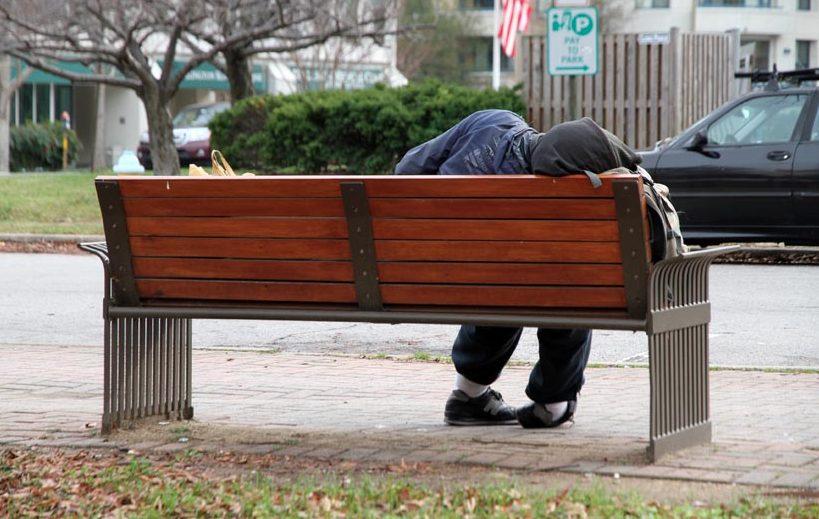
About 250 more people are using Fairfax County’s emergency homelessness services this November over last November, and there are enough beds for just over half of them.
That number could increase as the federal ban on evictions draws nearer.
“As we look at potential rising eviction numbers, we need to be aware of the capacity for the homelessness system,” Fairfax County Health, Housing and Human Services Chief Strategist Dean Klein told the Board of Supervisors during a Health and Human Services committee meeting on Tuesday (Nov. 24).
With COVID-19 cases rising, Fairfax County is dealing with increasing numbers of people experiencing homelessness as well as the threat of rising eviction rates. Klein says rent assistance and partnerships with landlords will be critical for preventing evictions and keeping people in homes this winter.
“Our ongoing efforts to reach out to vulnerable populations is increasingly critical,” he said.
One step Fairfax County has taken is to form an eviction prevention task force with representatives from various county agencies, the county sheriff’s office, and the nonprofit law firm Legal Services of Northern Virginia.
Klein says he hopes to receive financial support from the Board of Supervisors next month. His staff anticipates spending at the same level as it is right now, which is about $600,000 a week.
Providence District Supervisor Dalia Palchik said a board matter is in the works that would “give additional local support for our continuation of basic needs, which we know continues to be a concern for us.”
Although funding comes from a number of sources, some are set to run dry soon, adding to the sense of urgency.
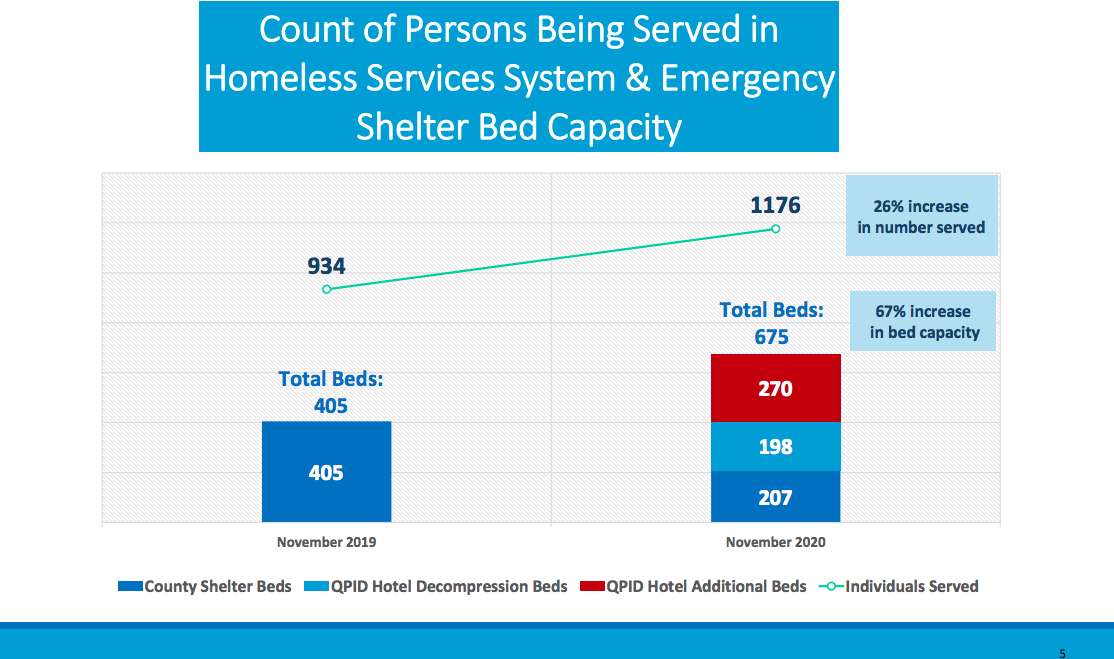
The Federal Emergency Management Agency stepped in this year to pay for hotel rooms so that people experiencing homelessness could have a place to sleep safely during the pandemic. However, it is unclear how long FEMA will continue to provide funding, Klein says.
Fairfax County Office to Prevent and End Homelessness Deputy Director Tom Barnett said the FEMA commitments are on a month-to-month basis and will last through the middle of December.
“We will continue to request extensions every month as they will support most of these expenses,” he said. Read More