

Tomorrow is Thanksgiving, and with that brings closures around the county. Let’s take a look at what’s open, and what’s closed.
All Fairfax County government offices will be closed on Nov. 26 and 27 for the holiday.
The Fairfax Connector will operate on a Sunday service on Thursday and a holiday weekday service on Friday.
Fairfax County Public Schools provided seven-day meal kits for Thanksgiving week, which were available for pickup through Nov. 24.
All Falls Church City government offices will be closed on Nov. 26 and 27. Thursday trash and recycling will be picked up today.
The Town of Vienna offices will also be closed on both Nov. 26 and 27, and there will be no waste collection on those days.
The McLean Community Center will be closed on both Thanksgiving and the Friday after.
All Fairfax County parks will be closed on Thanksgiving, but all RECenters will be open until noon, and they will run normal hours on the day after Thanksgiving.
Photo by Shoeib Abolhassani/Unsplash
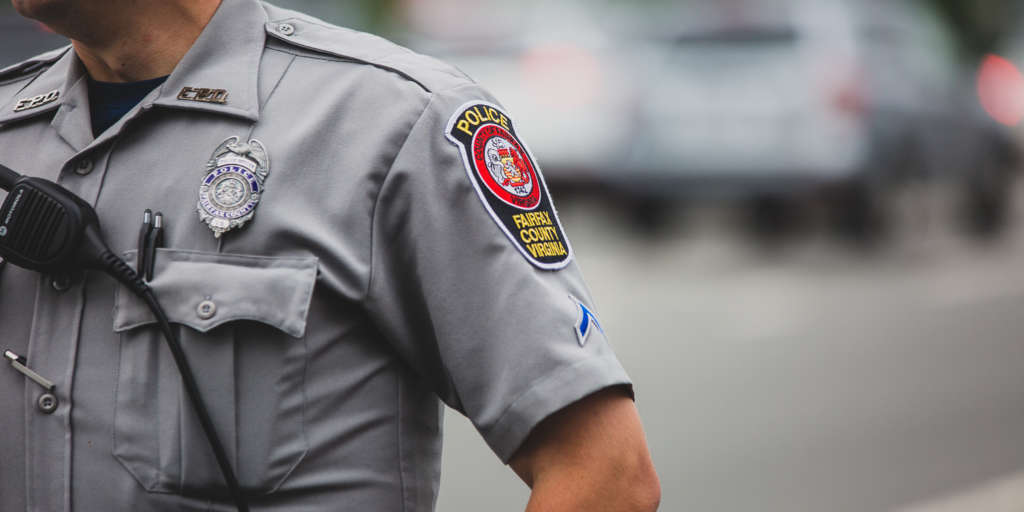
The Fairfax County Police Department is seeking a federal grant from the U.S. Department of Justice for additional non-ballistic riot helmets with riot face shields.
With the unanimous approval of the Fairfax County Board of Supervisors at a Tuesday meeting, FCPD will apply for $114,017 in funding through the Justice Assistance Grant (JAG) in order to purchase 370 helmets and face shields.
Currently, FCPD has 120 riot helmets which are primarily used by its Civil Disturbance Unit (CDU). JAG grants are used to provide states and units of local government to support law enforcement equipment, crime prevention programs, technological improvements, and other resources.
In a staff memo, Deputy County Executive David Rohrer and FCPD Police Chief Edwin Roessler Jr. noted that the purpose of the grant is to replace some aged equipment, boost office safety, and “increase the capability of the police department to respond to incidents of civil unrest within Fairfax County.”
“Protective equipment is not required for every situation CDU handles, but must be available when needed to protect officers,” they wrote.
Jeff McKay, chairman of the Fairfax County Board of Supervisors, clarified that the riot gear is not military-grade and no county dollars will be used for the effort.
“It is for the protection of those officers should something be needed but obviously these are personal protective devices, not military-grade equipment, that could be deployed in the event of civil unrest, which we’ve been blessed not to have here in Fairfax County,” McKay said at the Tuesday meeting.
Hunter Mill District Supervisor Walter Alcorn, who supported the grant application, also sought additional clarification on the purpose of more riot gear.
“We’re not exactly anticipating a dramatic upsurge in civil unrest are we? I wouldn’t think we are,” Alcorn said, adding that the board “reinforces the right to peaceful protest.”
“We’re not going to down a different road with approval of this,” Alcorn said.
Photo via FCPD
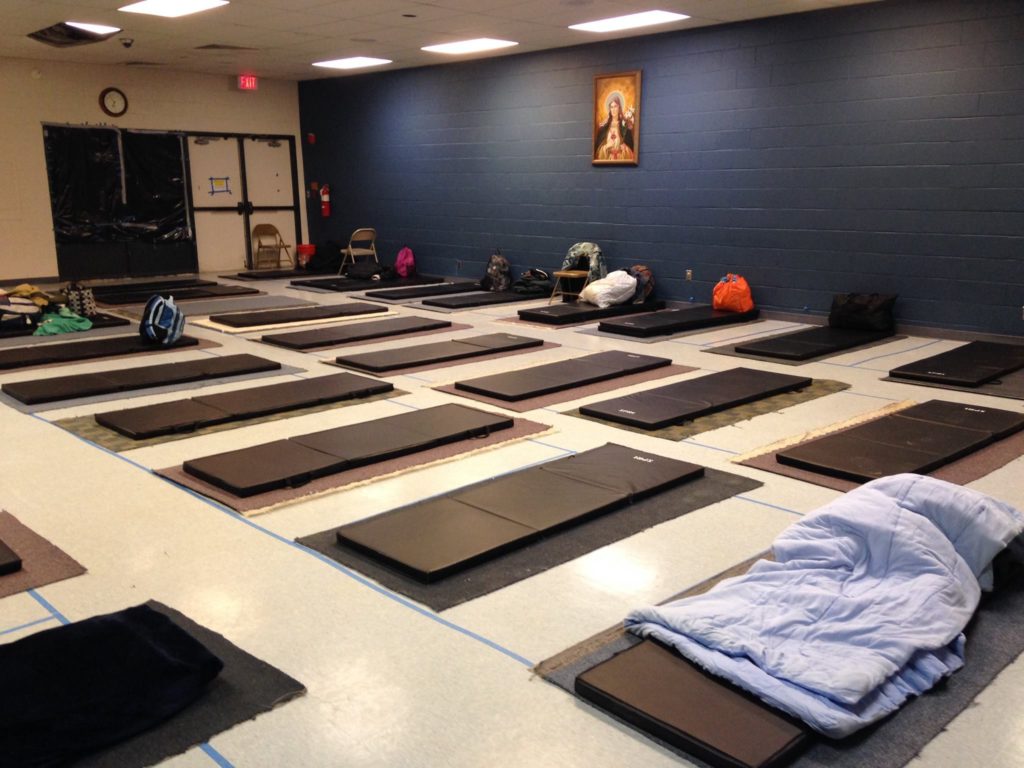
Though the U.S. Centers for Disease Control and Prevention issued an eviction moratorium on Sept. 4, the ability to keep up with rent payments has been one of the most urgent challenges of the COVID-19 pandemic for Fairfax County residents, along with food insecurity.
As of Nov. 16, Fairfax County Coordinated Services Planning, which connects individuals to social services, has received 4,693 requests for rental assistance so far this year, according to Fairfax County Health and Human Services.
The county generally gets around 5,000 housing payment assistance requests every fiscal year.
“The pandemic has exacerbated the situation of our most vulnerable residents,” HHS public information officer Shweta Adyanthaya told Tysons Reporter in an email. “The system has seen a significant increase [of] over 3,000 new households, requesting all basic needs – housing, utility, food assistance – during the pandemic response.”
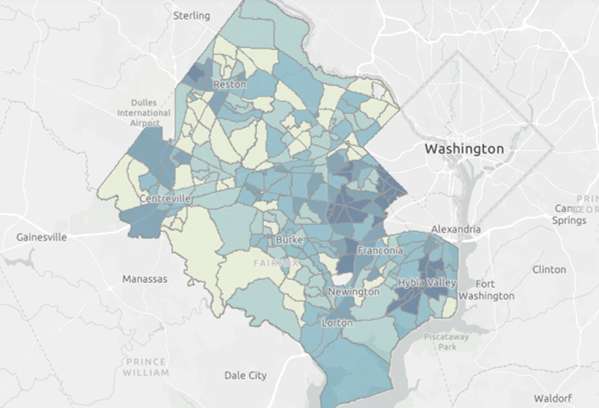
Relaying information from HHS Chief Strategist Dean Klein and Neighborhood and Community Services Deputy Director Sarah Allen, Adayanthaya says that, while requests have come in from all parts of the county, the areas with the highest levels of need now are the same areas that struggled most prior to COVID-19.
Calculated based on various social and economic factors, including housing, food access, employment, and health insurance, a COVID-19 Vulnerability Index developed by Fairfax County indicates that Falls Church, Annandale, Alexandria, and Herndon are among the areas most in need of assistance.
To help provide resources to tenants at risk of losing their homes, Fairfax County formed an eviction prevention task force with representatives from various county agencies, the county sheriff’s office, and the nonprofit law firm Legal Services of Northern Virginia.
The task force has also been charged with collecting and analyzing data on the eviction situation in Fairfax County, which will then be used to help direct resources and guide recommendations for future actions.
According to HHS, it is currently unknown how many Fairfax County residents have been evicted or become homeless since COVID-19 arrived in Virginia this past spring.
However, Adayanthaya says the county is “taking a proactive approach” to contact residents who get pulled into the legal system for evictions, and it has expanded outreach efforts to connect vulnerable and hard-to-reach populations with essential resources.
The county has also started outreach efforts to landlords that will expand in the new year.
“Communication is a key ingredient in communicating with tenants who are at risk of eviction as well as landlords,” Adayanthaya said. “We have been working hard to provide as much current information to prevent unwarranted eviction and to help educate the community.”
Currently set to expire on Dec. 31, the CDC’s temporary moratorium bars landlords from issuing evictions from residential properties for nonpayment of rent by individuals with incomes lower than $99,000 and married couples with joint incomes of less than $198,000.
Tenants in those categories will be covered by the moratorium if they are unable to pay rent due to income loss or extraordinary out-of-pocket medical expenses and would become homeless if evicted. They must present a declaration to their landlord.
The Fairfax County Redevelopment and Housing Authority has suspended evictions for rent nonpayment and associated charges or fees for residents of its properties. Late rent penalties also have been waived until further notice for renters at county-owned and managed properties.
Adayanthaya says the impact of eviction moratoriums on landlords, particularly small and family owners, has raised concerns in Fairfax County about the potential loss of affordable housing, but such measures are critical right now from a public health standpoint as well as a socioeconomic one.
“Eviction moratoria – like quarantine, isolation and social distancing – are effective public health measures to prevent the spread of COVID-19,” Adayanthaya said. “Housing stability helps protect public health as homelessness increases the likelihood of individuals moving into congregate settings, such as homeless shelters, which puts individuals at higher risk for COVID-19.”
According to HHS, the Fairfax County Office to Prevent and End Homelessness has secured 445 rooms at six hotels as of Nov. 12 to provide shelter for people experiencing homelessness and individuals who are unable to isolate or quarantine safely in their homes.
358 of those rooms are currently occupied by 462 guests for an 80% occupancy rate. 90% of the individuals residing in the hotels were referred by homeless services providers. Only two of the guests were not homeless upon admission.
“Since the hotels opened, 132 people who were experiencing homelessness at admission moved to permanent housing situations,” HHS says.
Additional housing assistance information and a guide to tenant-landlord rights can be found on the Fairfax County emergency information website.
Photo via Fairfax County Office to Prevent and End Homelessness/Facebook, map via Fairfax County
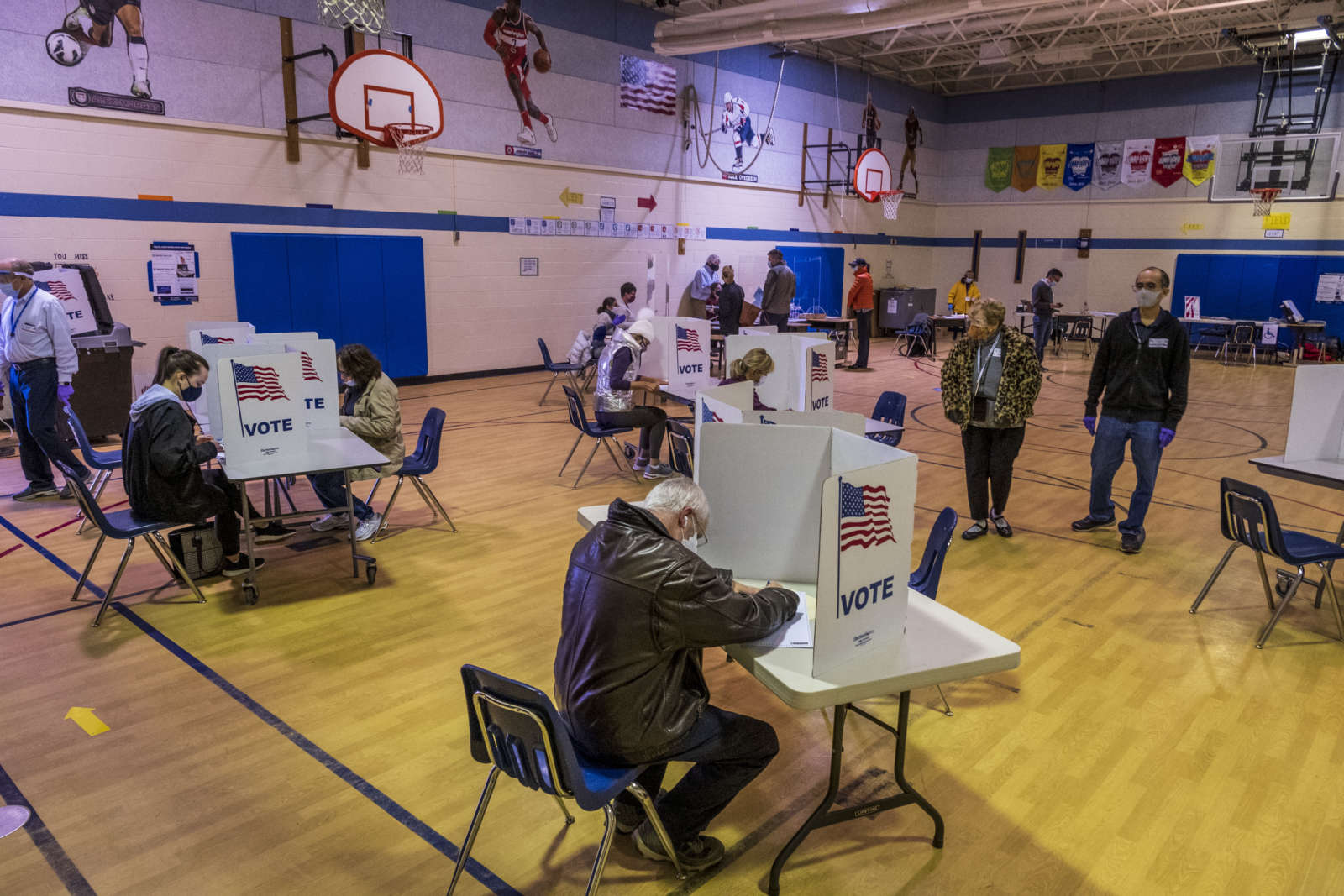
The Fairfax County Board of Supervisors praised election workers and volunteers yesterday (Tuesday) for their work on the 2020 general election, which presented local voters with new opportunities and unprecedented obstacles.
With voters turning out in record numbers, Fairfax County’s election staff had to adapt to the logistical challenges introduced by the COVID-19 pandemic on top of implementing a slew of new state laws to improve voting accessibility, including the introduction of no-excuse absentee voting and the elimination of photo identification requirements.
“There’s no doubt we had an amazing year,” Mount Vernon District Supervisor Dan Storck said. “[The election staff] came through with flying colors, and we definitely have to recognize that and appreciate that.”
While this year’s 79.4% turnout rate fell short of the 82.5% high mark set in 2016, the 605,023 ballots cast for the Nov. 3 general election were the most in Fairfax County history. There were also about 80,000 more active registered voters than in 2016 and only 25,667 inactive voters, compared to 64,041 in 2016.
Fairfax County Electoral Board Secretary Katherine Hanley confirmed again in a presentation to the Board of Supervisors that absentee voting drove turnout this year, with only 186,253 people voting in person on Election Day, an even lower number than election officials predicted.
By contrast, there were 414,381 absentee votes. The county received 222,003 by-mail absentee ballots, including approximately 85,000 that were returned through a drop box, and 192,398 people voted in person before Election Day at one of 15 early voting locations.
Fairfax County also had 4,389 provisional ballots.
According to Hanley, the Fairfax County Office of Elections contacted 2,113 voters about small issues with their mail ballots. 1,315 of those voters fixed their ballots, a 63% cure rate.
One thing that surprised election officials was the 17,633 ballots that were either surrendered or goldenrod, meaning that it was never received, lost, or left at home by the voter.
“That’s a much bigger number than we thought there would be,” Hanley said.
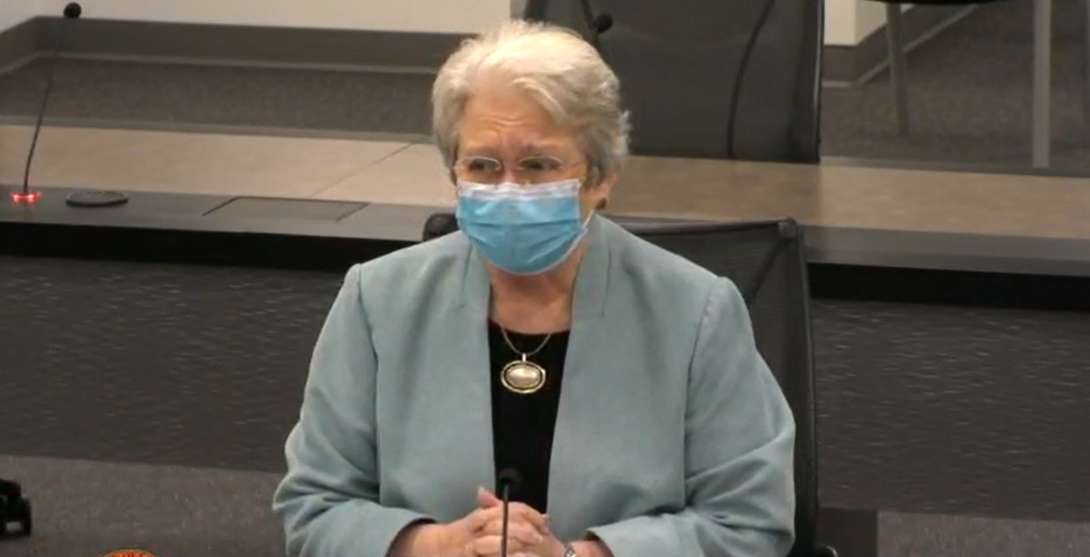
Because COVID-19 both triggered and coincided with so many changes in Virginia’s election policies, it is difficult to tell whether 2020 was an anomaly or a harbinger of long-lasting shifts in voter behavior, Hanley says. Read More
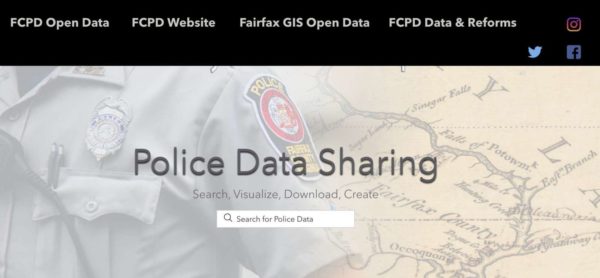
Amidst national calls for transparency and accountability in policing, the Fairfax County Police Department is launching a new interactive data dashboard.
The tool, which is based on Geographic Information System mapping, houses data related to arrests, citations, warnings, and police department training and policies. FCPD will debut the new platform at a series of virtual town halls beginning on Nov. 18.
“We look forward to implementing this additional layer of accountability and leveraging data analytics to continue to strengthen trust and confidence in your police department,” FCPD wrote in a statement.
The department says the tool was designed based on community input.
“Our new GIS-based data dashboards were designed with input from stakeholders and we will continue to. Have healthy discussions with each of you concerning police policies and operations in all communities,” FCPD Chief Edwin Roessler Jr. wrote in a letter to the community on Oct. 16.
A renewed focus on FCPD’s operations is expected in early 2021 when a team of researchers from the University of Texas at San Antonio (UTSA) is expected to complete an academic analysis of FCPD’s data and its relationship to core operations today.
 The review was initiated at the direction of the Fairfax County Board of Supervisors and the county’s Independent Police Auditor.
Researchers at UTSA are studying the department’s culture after a study released in 2017 found that roughly 40 percent of all use-of-force incidents involve a Black individual.
Across the country, similar conversations about transparency in policing have resulted in reform and additional policy directives.
Recent arrest data released by the departments shows some evidence of disproportionate policing in the county. The data indicate that Black individuals make up roughly 39% of all arrests last year. Black residents account for 9.7% of the total population.
FCPD officers arrested 34,330 people in 2019, 57% of whom were white. White residents make up roughly 61% of the total population.
In 2017, a study found that roughly 40% of all use-of-force incidents involve a Black individual.
Roessler Jr. says his department is grateful for “the additional layer of accountability” provided by the data sets and the ongoing academic review.
“Together, we shall continue to leverage data analytics to build trust,” he said.
FCPD plans to host virtual town halls with district station commanders to discuss training and policies related to the data sets. The complete schedule, including links to the meetings, is below:
- Fair Oaks District – Nov. 18 https://bit.ly/3eJt3Uo
- West Springfield District – Nov. 24 https://bit.ly/3khd01i
- Sully District – Dec. 9 https://bit.ly/2JYG8y9
- Mount Vernon District – Dec. 16 https://bit.ly/3peB8Wb
- McLean District – Jan. 6 https://bit.ly/3kk4ZZz
- Mason District – Jan. 20 https://bit.ly/32tXLfi
- Reston District – Feb. 4 https://bit.ly/38vYDUG
- Franconia District – Feb. 17 https://bit.ly/3ncEVBy
All meetings will be recorded and released the public at a later date.
Image via FCPD, Fairfax County Government
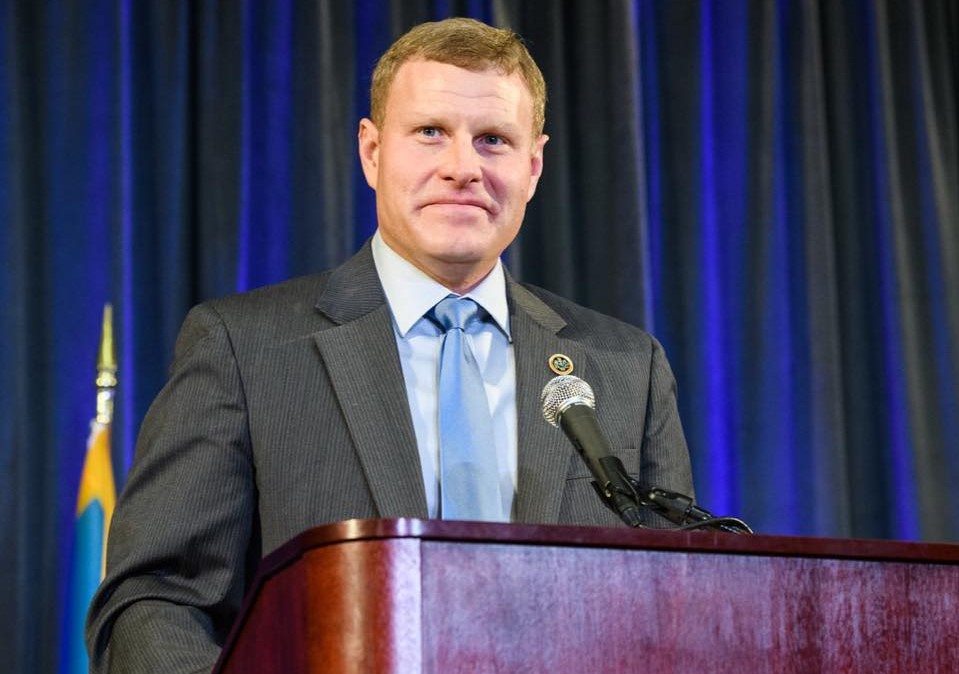
Fairfax County Board of Supervisors Chairman Jeffrey McKay was elected to serve as the 2021 president of the Virginia Association of Counties (VACo) yesterday.
The statewide group advocates with the state’s legislature for the interests of the Commonwealth’s 95 counties, according to a press release from McKay.
“I’m honored to serve as the next president of the Virginia Association of Counties. Throughout my many years with VACo, I have always considered us to be a large family,” McKay said in a speech delivered to members Wednesday (Nov. 11) morning.
“I treasure the many relationships I have built with my colleagues throughout Virginia. VACo is a great way to bring us all together to advance our communities,” said McKay.
Chairman McKay had led efforts with VACo over the last several years to drastically increase state funding for education and transportation, and to ensure the perspective of counties is heard statewide, according to the press release.
This upcoming year, Chairman McKay wants to lead VACo with the same level of attention to equity as Fairfax County.
“As a kid riding my bike with friends, I didn’t realize what this meant, but I saw firsthand that where you come from was an important factor for your future success and livelihood,” McKay said. “When I got older, I understood that this was wrong.”
“This was a driving force behind my decision to begin a career in local government and an inspiration behind the One Fairfax equity policy that I introduced in 2017. This policy has become central to all decision-making in Fairfax County by requiring us to look at all policies.”
McKay started his tenure yesterday.
Photo via Jeff McKay/Facebook

Like everywhere else in the U.S., the COVID-19 pandemic and ensuing economic fallout have hit Fairfax County hardest in its most disadvantaged communities, consultants confirmed in a presentation to the Fairfax County Board of Supervisors on Tuesday (Nov. 10).
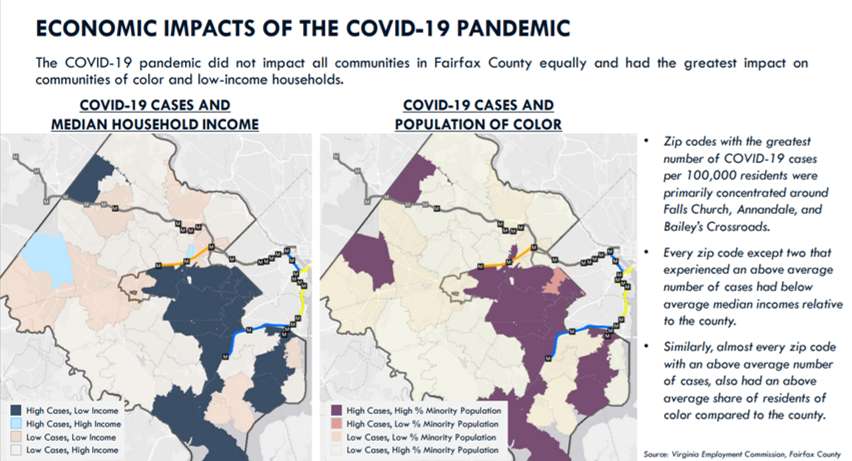
With the exception of just two zip codes, the areas in Fairfax County with more COVID-19 cases also have more residents of color and lower average median incomes than the county as a whole, according to HR&A project manager Olivia Moss.
The zip codes with the most COVID-19 cases per 100,000 residents are concentrated primarily around Falls Church, Annandale, and Bailey’s Crossroads.
On top of that, low-income residents and people of color have been most affected by the national economic downturn that started this spring, when businesses and public spaces temporarily closed in an effort to control the spread of the novel coronavirus.
90% of all job losses in Fairfax County this year have occurred in industries like retail and food services, where average wages are less than 80% of the county’s area median income. 63% of the county’s job losses were in industries where the majority of workers are people of color.
“We know across the country, the pandemic and the resulting economic crisis has not been distributed equally across everyone and every business sector,” HR&A partner Jeff Hebert said. “So, really trying to understand what’s happening in Fairfax and how you can be part of creating a more just recovery in Fairfax is going to be really important to the community that will result after this pandemic is over.”
Fairfax County hired HR&A this summer to develop an economic recovery framework to guide the county’s response to the economic challenges presented by COVID-19.
To create a “new normal” that addresses the socioeconomic inequities exposed and deepened by the ongoing pandemic, Fairfax County needs recovery strategies targeted to different industries and populations based on their specific needs, Hebert and Moss say.
For instance, the county could assist the hardest-hit industries – led by the hospitality and food services sectors, which have shed 12,420 jobs or 26% of their entire workforce – by helping them reduce costs, evaluating regulatory requirements, and supporting programs to rebuild consumer confidence.
Initiatives like the RISE COVID-19 Small Business and Nonprofit Relief Grant Fund that the Board of Supervisors approved in May will be critical too. Through RISE, Fairfax County has awarded $52.5 million to 4,804 businesses so far, 72% of them owned by women, minorities, or veterans.
Lee District Supervisor Rodney Lusk says Fairfax County should adapt its recovery strategies to specific geographic areas as well as industries, noting that the pandemic’s economic impact in his district has been especially acute in the Richmond Highway corridor.
“Certain parts of Fairfax County are going to have different needs and issues,” Lusk said. “Tysons, Reston, Herndon are in a very different position than Bailey’s, Richmond Highway, and parts further south.”
Workforce development will also be essential to help people whose jobs may never return.
While 40,300 of the approximately 48,200 jobs lost during the pandemic are projected to be recovered by the end of the year, Fairfax County’s labor force has contracted by about 22,000 workers. Women in particular have been driven out by issues like inadequate or uncertain access to childcare, Hebert says.
“The reskilling piece is probably the important thing in here, from my standpoint. Not only if you’re going to help those most vulnerable in the community, you’re going to do that by making sure they have a skill set to take advantage of our future economy,” Board Chairman Jeff McKay said, suggesting the green economy as one industry with a lot of potential for growth.
HR&A will continue analyzing the impact of COVID-19 on Fairfax County before delivering a report with recommendations for recovery strategies and programs in January 2021.
Staff Photo by Jay Westcott

Tomorrow is Veteran’s Day, and the holiday means it’s time to take a look at which community sites will be open, and which will be closed.
City of Falls Church government offices will be closed, along with City Hall and the Mary Riles Styles Public Library.
The city will air a pre-recorded Veteran’s Day Ceremony on Falls Church Community Television Channels and Youtube starting at 11 a.m.
All Fairfax County government offices will be closed. Libraries and courts will be closed as well.
The Fairfax Connector will be operating on its Holiday Weekday Service, with several routes altered.
Fairfax County Public Schools will hold an all-virtual, two hour early release day for all students.
All parks in Fairfax County will be closed with the exception of Frying Pan Park, which will be open from 9 a.m. until 5 p.m.
The county’s nine RECenters will be open, offering free service to all veterans, active-duty military personnel, and their families for the day. A military identification is needed to receive the complimentary access. Due to COVID-19, reservations will be required.
The McLean Community Center and the Vienna Community Center will both be closed for the day.
Photo by Aaron Burden/Unsplash
Despite — or maybe because of — the coronavirus, the Virginia Department of Transportation is on track to open new express lanes on I-66 in December 2022.
“There have been some project benefits in terms of reduced traffic volumes in the corridor,” VDOT megaprojects director Susan Shaw said during a virtual presentation and Q&A last Thursday (Oct. 29).
Longer-term lane closures were possible this year that would have resulted in gridlock pre-pandemic, she said.
Construction on I-66 continues during daytime and overnight hours, as weather allows. VDOT, I-66 Express Mobility Partners, and FAM Construction — the design-builder for the Transform 66 Outside the Beltway Project — updated commuters and residents through two online meetings last week.
Although the express lanes are predicted to open in December 2022, some construction on the project will continue into 2023.
Many lane closures will extend through end of the year, but in areas where congestion has started to snarl during peak hours, officials are looking to add back some lanes and abate traffic.
And with the pandemic showing no signs of ending, it is “really hard to say how the overall project will be impacted,” Shaw says.
All the late-night construction means there will be noisy nights, but VDOT is working with Fairfax and local supervisors’ offices to communicate construction plans to residents, she said.
“There are some activities that have to be done at night and do have to be noisy,” Shaw said.
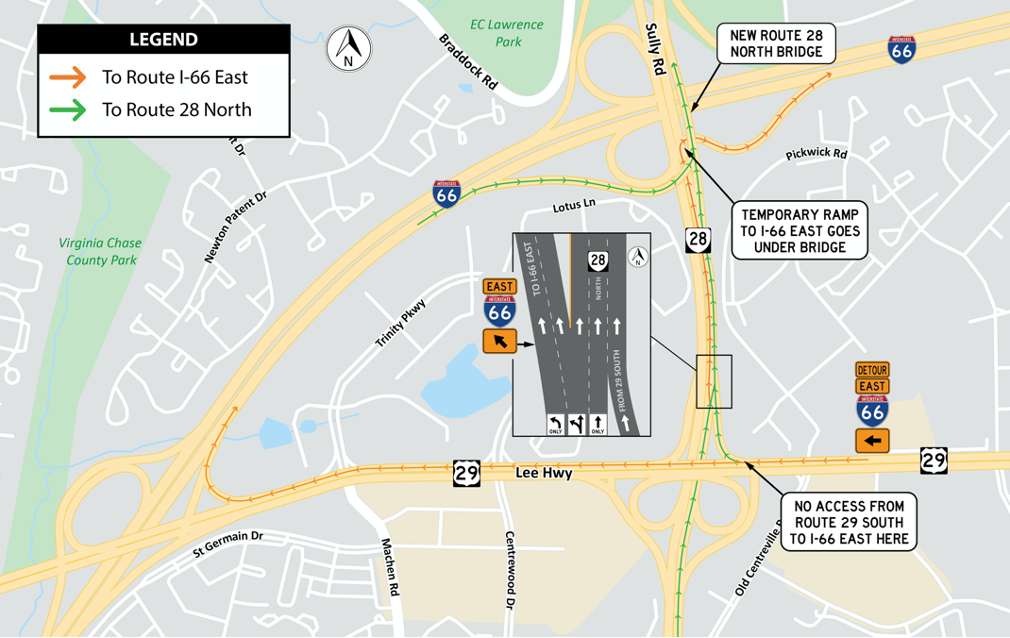
The ramp from I-66 East to Route 28 North was closed from 11:30 p.m. on Tuesday to 4 a.m. on Wednesday to allow for a traffic shift onto a temporary left exit ramp from Route 28 North to I-66 East, VDOT said in an email.
Officials expect the temporary ramp to be in use for four weeks, while crews finish constructing a permanent ramp from Route 28 North to I-66 East.
Drivers traveling from Lee Highway South to Route 28 North will not be able to access the temporary ramp. These drivers will need to take detours farther south on Route 29 to the I-66/Route 29 interchange in Centreville until the permanent right-side ramp from Route 28 North to I-66 East is opened.
Tysons area residents and commuters can expect a number of other construction activities to affect travel starting in mid-November, including:
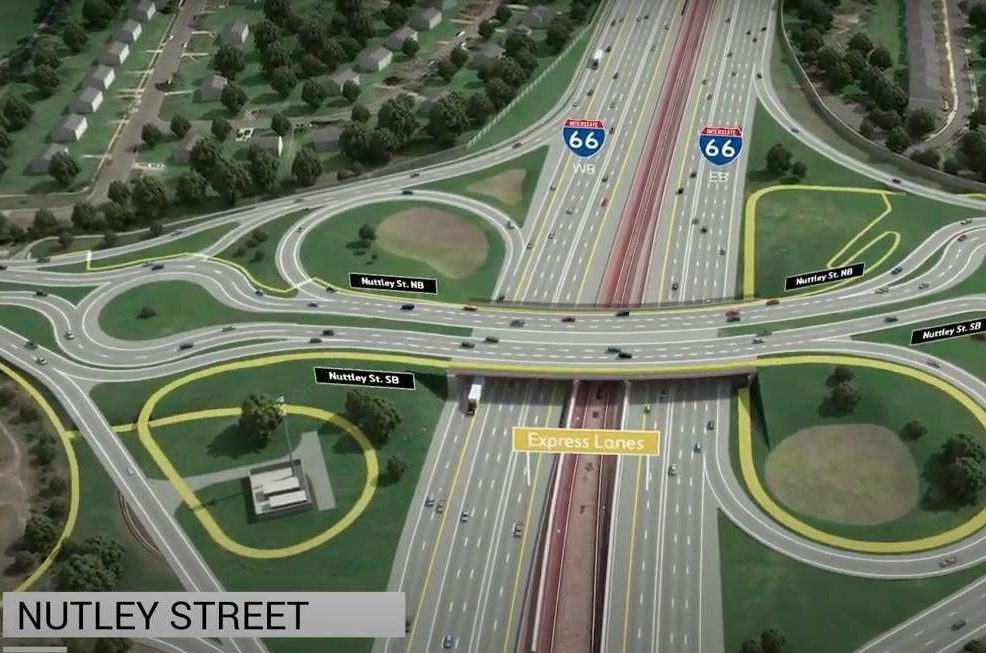
- Closure of the I-66 East and Nutley Street North loop ramp, redirecting travelers exiting I-66 for Nutley onto temporary ramps
- Continued construction of a new Gallows Road bridge over I-66 in Dunn Loring, which is occurring in two phases to maintain traffic flow during construction, according to Smith
- Temporary realignment of the W&OD Trail at Idylwood Park, starting in late November and continuing for four to six months as crews build a new, permanent alignment
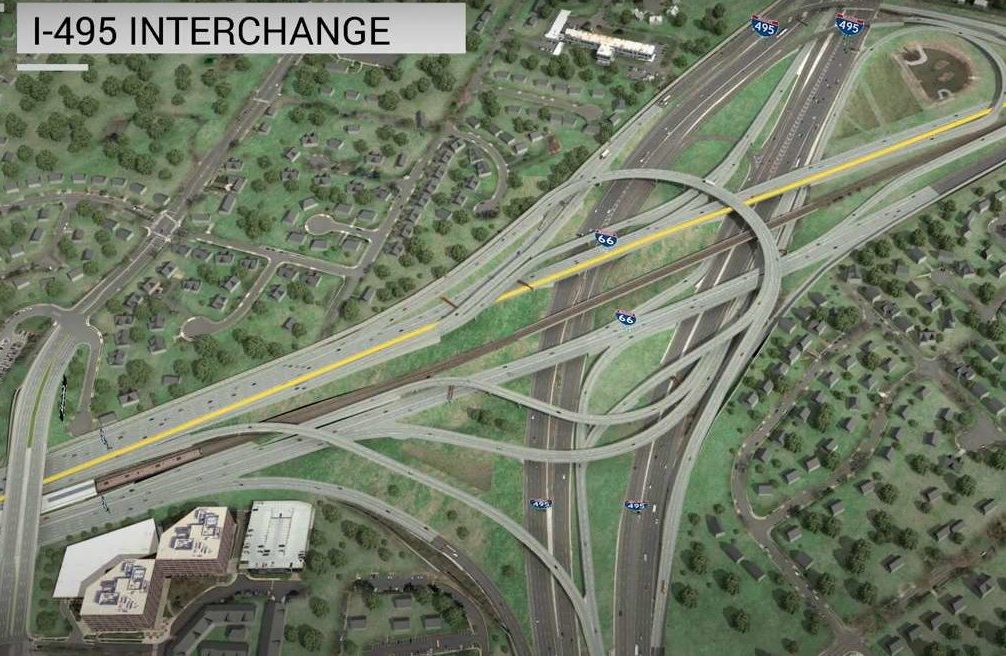
A new ramp at the I-495 interchange was completed recently, and deck work for a new bridge is starting soon, FAM Construction spokesperson Nancy Smith said. The I-495 interchange will have eight ramps to connect the express I-66 East/West lanes to I-495 North/South general purpose lanes.
Construction on VDOT’s I-66 Outside the Beltway project has been ongoing since 2017, starting after new express lanes opened on I-66 inside the Beltway on Dec. 4 of that year.
Watch an animated video of changes planned for I-66 here:
Photos via VDOT/Youtube
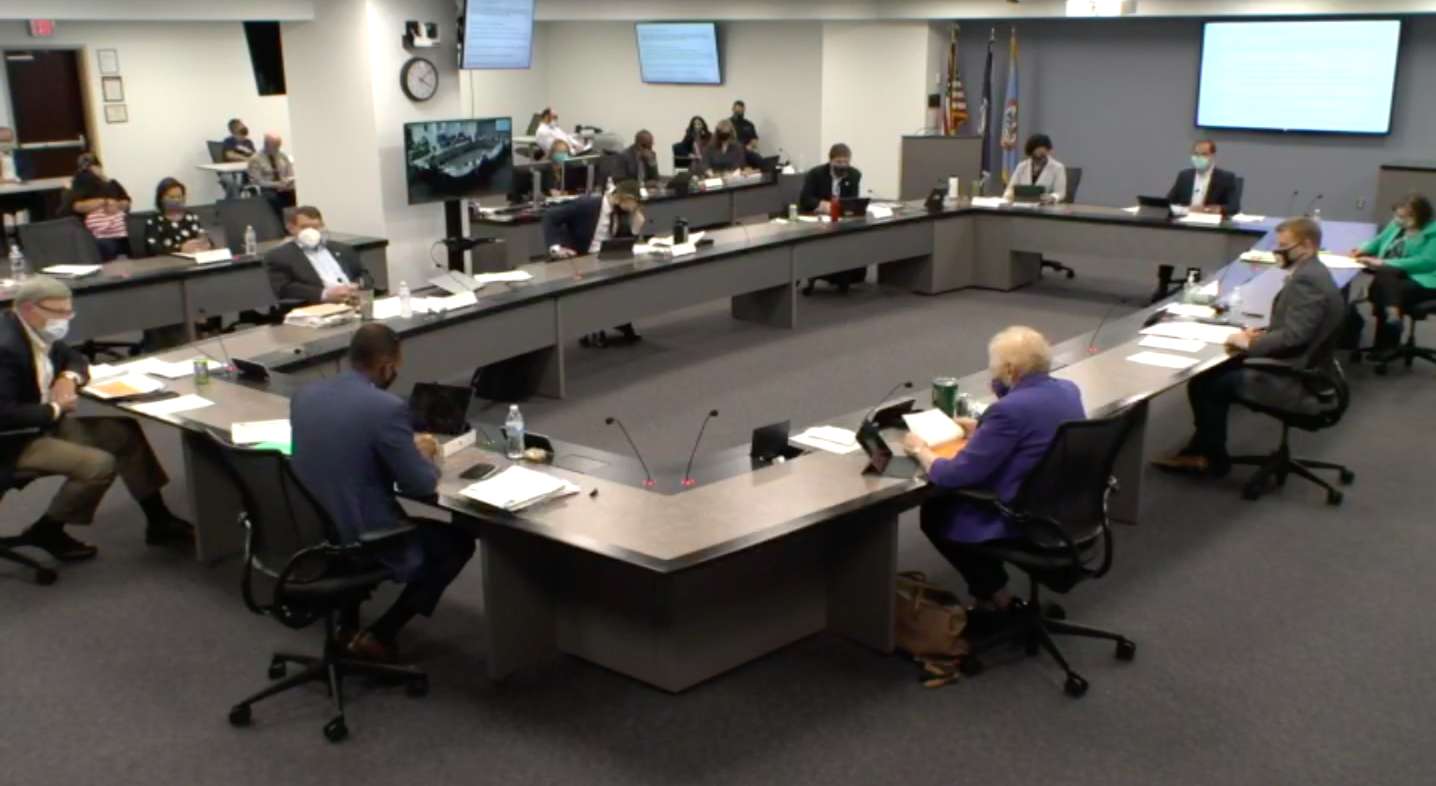
Amid a year where national policing reforms were brought into the spotlight, Fairfax County is reviewing a suite of changes at a local level to improve police accountability.
At a Public Safety Committee Meeting, Chairman Rodney Lusk presented an overview of proposed changes in what was described as possible changes rather than new policies set into stone.
Near term considerations included improved data collection to improve accuracy, with ethnicity and a breakdown of arrest data included in documentation. Data would be released quarterly.
One of the other practices that’s come under fire nationally is the firing and immediate re-hiring of police officers across jurisdictions. One proposed change would crack down on that as part of a statewide push to make decertification easier.
“Consider and discuss implementation of state legislation related to the decertification of law enforcement officers who have been terminated or resigned for misconduct and the request and disclosure of information for prospective law-enforcement hires,” the input matrix said.
While many of the items items being considered focused on more transparency and restrictions on police, another item being considered was a review of how to boost morale in the police department, which Lusk said was at an all time low.
The committee also considered some mid-term options, like reviewing regulations around school resource officers and a review of Fairfax County Police Department use of force policies. with more data about the racial distribution of arrests, another mid-term goal was reviewing racial disparities in use of force and arrests.
“These are public suggestions… not approved by the board,” said Fairfax County Board chair Jeff McKay. “This is a parking lot of ideas that have come through your office and now must be adjudicated by this board based on data and conversations… Some of these will go off to other committees.”
Image via Fairfax County