

Fairfax County Planning Commission Defers Vote on zMOD — The commission was scheduled to vote on the county’s proposed modernized zoning ordinance when it met on Wednesday (Feb. 24). Commissioners decided to defer the decision to Mar. 3 “to take some additional time for consideration.” [Fairfax County Planning Commission]
Wawa Customers Could Get Payout From 2019 Data Breach — “Between March 4, 2019 and Dec. 12, 2019, Wawa’s stores and fuel pumps were targeted by a data breach at all of its 850 stores in Pennsylvania, New Jersey, Delaware, Maryland, Virginia, Florida and Washington, D.C…Now, a proposed settlement could lead to a payout for affected customers by way of Wawa gift cards and even cash.” [Patch]
Northam and Hogan Praise Progress on American Legion Bridge Project — The Virginia and Maryland governors issued a joint statement yesterday saying that the effort to replace the aging, oft-congested American Legion Bridge is “truly a generational project, and we are excited to move forward.” Fairfax County leaders and residents have been advocating for the timeline of the 495 NEXT project in McLean to be more closely aligned with Maryland’s express lanes project. [Virginia Governor’s Office]
General Assembly Passes Bill Requiring Full-Time, In-Person Learning — The State Senate voted 36-3 yesterday to send a bill that would require school districts to give students an option to attend in-person classes full-time, with some limited exceptions, including if a school has high levels of COVID-19 transmission. The legislation is now on Gov. Ralph Northam’s desk and would go into effect on July 1 if signed into law. [ABC7-WJLA]
Park Authority Warns Against Online Scam — “The Fairfax County Park Authority (FCPA) has been notified of a Facebook page that uses the FCPA logo and a misspelled version of Fairfax County to friend request and message people that they have won a prize. The recipient is asked to click on the link to claim the prize. THIS IS A SCAM.” [Fairfax County Park Authority]
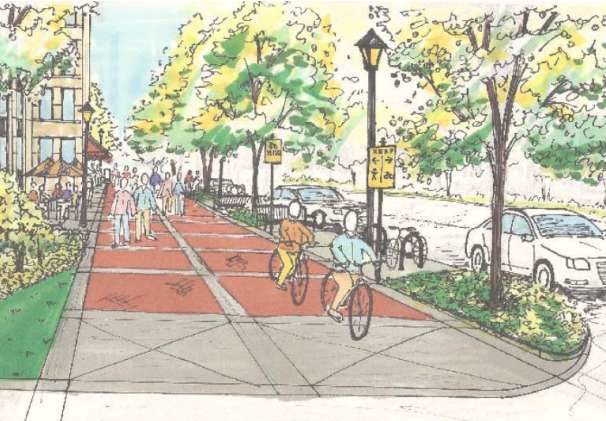
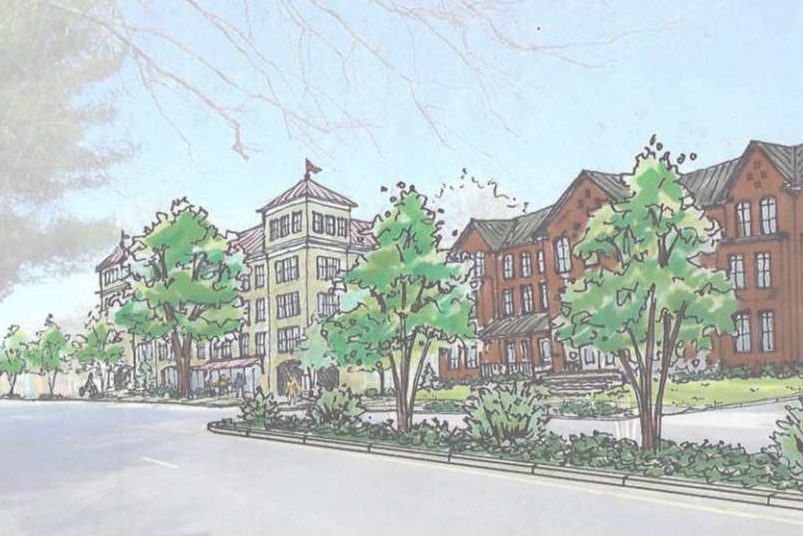
In response to a new wave of public feedback, Fairfax County staff has revised its drafted plan to revitalize the McLean Community Business Center.
The changes include harder caps on building heights, guarantees for syncing development to public school capacity, and more specific environmental requirements — all concerns that some community members and civic associations have recently raised.
Staff discussed the changes during a virtual open house on Saturday (Feb. 20).
The draft plan is currently under review as it winds through county processes. It will go before the Fairfax County Planning Commission for a public hearing on Apr. 28, followed by a May 18 Board of Supervisors meeting when county leaders will vote on whether to adopt the plan.
McLean Citizens for Right Size Development (Right Size McLean), a coalition of local neighborhood associations, welcomed the changes.
“We were encouraged to see the proposed changes to the maximum heights by zone and that the plan would spell out the maximums in linear feet, reducing the allowable height of the land parcels that abut Franklin Sherman Elementary School along Chain Bridge Road to 40 feet,” Right Size McLean member Linda Walsh said.
Walsh says the group was also glad to see that the new draft sets stronger environmental goals, especially for tree canopies and stormwater quality and quantity.
The McLean CBC study process began in 2018 when consultant StreetSense worked with members of the McLean community to draft a 10-year “Vision Plan.” Since then, a task force appointed by Dranesville District Supervisor John Foust has worked with county staff to create a Comprehensive Plan spanning 25 years.
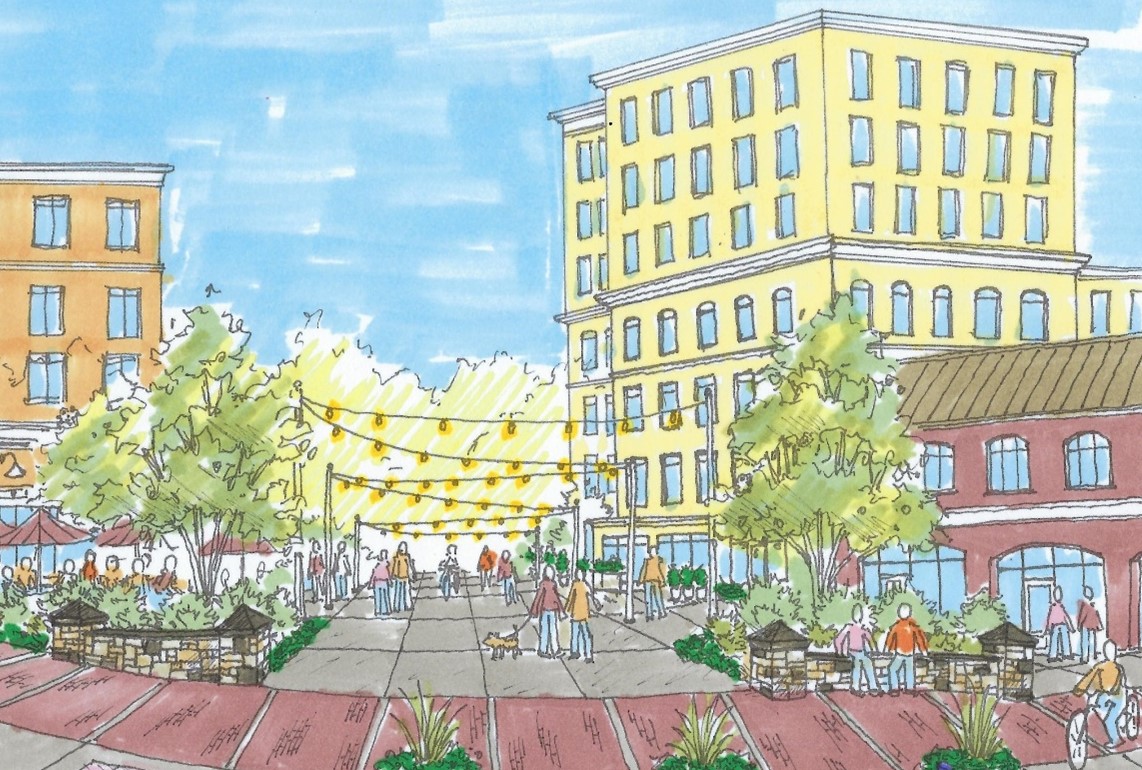
According to Foust, task force members, and staff, downtown McLean will become a vibrant, biking- and walking-friendly downtown that creates a real sense of place. The plan envisions a total of 3,850 residential units in the district as well as traffic pattern changes and streetscape updates.
The community business center will be divided into three zones: Center, General and Edge, with corresponding heights for each. The most recent draft does not change height caps for buildings in each zone, but it does specify maximum heights in feet as opposed to the number of stories.
Buildings cannot exceed 92 feet (or seven stories), although one building in the Center zone will be allowed to reach 128 feet (or 10 stories). The developer who is awarded the tallest building will be responsible for creating the two-thirds-acre public plaza envisioned in the plan.
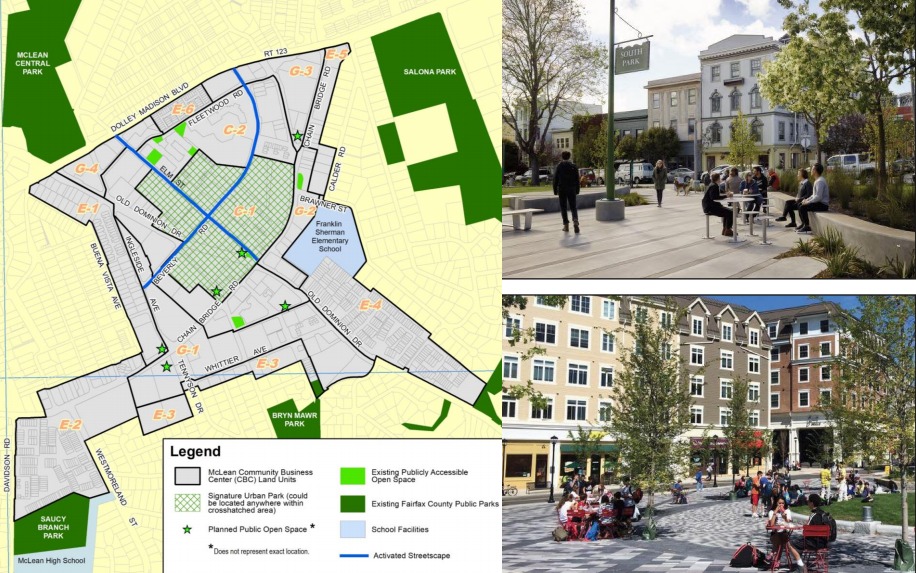
General zone buildings surrounding the Center zone can reach 68 feet (five stories). The county did not make any changes to the Edge zone in the most recent draft. Read More

Fairfax County and the Virginia Department of Transportation are working on an agreement to include funding for Scotts Run Stream restoration efforts in McLean as part of the I-495 Northern Extension (495 NEXT) project, Fairfax County Board of Supervisors Chairman Jeff McKay said on Tuesday (Feb. 23).
McKay shared the news in a letter to Virginia Secretary of Transportation Shannon Valentine that reiterates some of the county’s lingering reservations about the project, which seeks to extend the I-495 Express Lanes approximately three miles from the Dulles Toll Road interchange to the American Legion Bridge.
“In conjunction with the stream restoration project planned by the County, the additional funds received from the I-495 NEXT concessionaire will provide a more holistic approach to stream restoration that helps promote streambank stabilization, enhanced outfalls, and an overall improvement to Scotts Run,” McKay said in the letter, which was unanimously approved by the full board during its meeting.
The board raised concerns about the environmental impact of 495 NEXT, among other issues, in a letter to Valentine in early December, stating that runoff from the proposed project would affect almost 100 acres of wetlands, water, and land around Scotts Run and the Potomac River and exacerbate flooding issues in McLean.
The potential Scotts Run agreement and Maryland’s announcement last week that it has chosen a consortium led by Tysons-based Transurban for its Capital Beltway toll roads project have eased some — but not all — of Fairfax County supervisors’ anxieties about 495 NEXT.
Urging VDOT to coordinate with its counterpart across the Potomac as closely as possible, Dranesville District Supervisor John Foust noted that, while last week’s announcement was a meaningful step forward, the actual realization of Maryland’s I-495/I-270 project remains far off.
“We have gone on record as saying that [495 NEXT] does more harm than good if we don’t get Maryland to move forward with their project,” Foust said. “They are making good progress. What happened last week, I think it was good news and very exciting, but they’re still not there yet.”
He also asked that McKay’s letter be amended to request more detailed renderings of planned ramps for the Dulles Toll Road interchange from VDOT, reiterating previously voiced concerns about the possible traffic and construction impacts on surrounding communities.
In addition, the Board of Supervisors wants VDOT to extend the shared-use trail included in the 495 NEXT project to Tysons, rather than ending it at Lewinsville Road, and fully fund one of the Tysons-Bethesda bus routes that have been proposed as a transit option for the I-495/American Legion Bridge corridor.
According to the board’s letter, the route would carry nine vehicles with an estimated initial cost of $5.2 million and annual operating costs of $2.2 million.
Springfield District Supervisor Pat Herrity cautioned against making too many demands of a project that already carried an estimated $500 million cost as of last March.
“Those requirements get paid by someone. They don’t get funded out of thin air,” Herrity said. “…Since these are just recommendations, I’m going to be supporting the letter, but I think we’ve got to be careful that we don’t push this project out of existence.”
Supervisor Walter Alcorn, who represents Hunter Mill District, said county leaders need to make their concerns about major projects like this known, especially since a private vendor will be involved.
“We have to make sure that the public interest and the environmental issues and everything else that’s important to the broader community is paramount,” Alcorn said.
VDOT issued the following statement to Tysons Reporter in response to the Board of Supervisors’ letter:
VDOT remains committed to continuing to work with the Fairfax County Board of Supervisors to listen to and address their feedback on VDOT’s I-495 Northern Extension Express Lanes Project. The issues identified by Fairfax County are important to VDOT and will continue to be an important part of the dialogue as we work together to solve one of the Washington Metropolitan Area’s most congested transportation links. Through the continued collaboration among the staff of VDOT and Fairfax County, VDOT is confident that a multimodal transportation solution can be put in place, which will improve travel and make a positive impact on our Commonwealth.
Staff photo by Jay Westcott
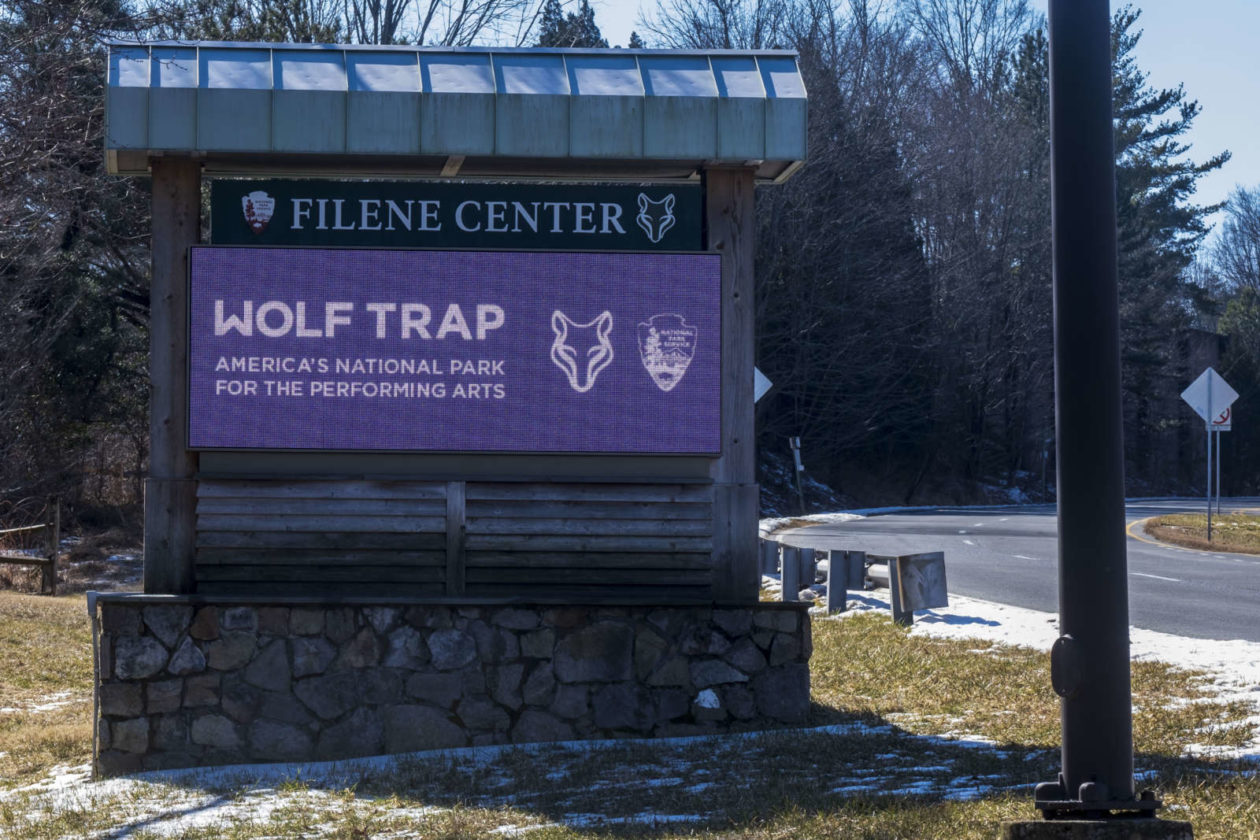
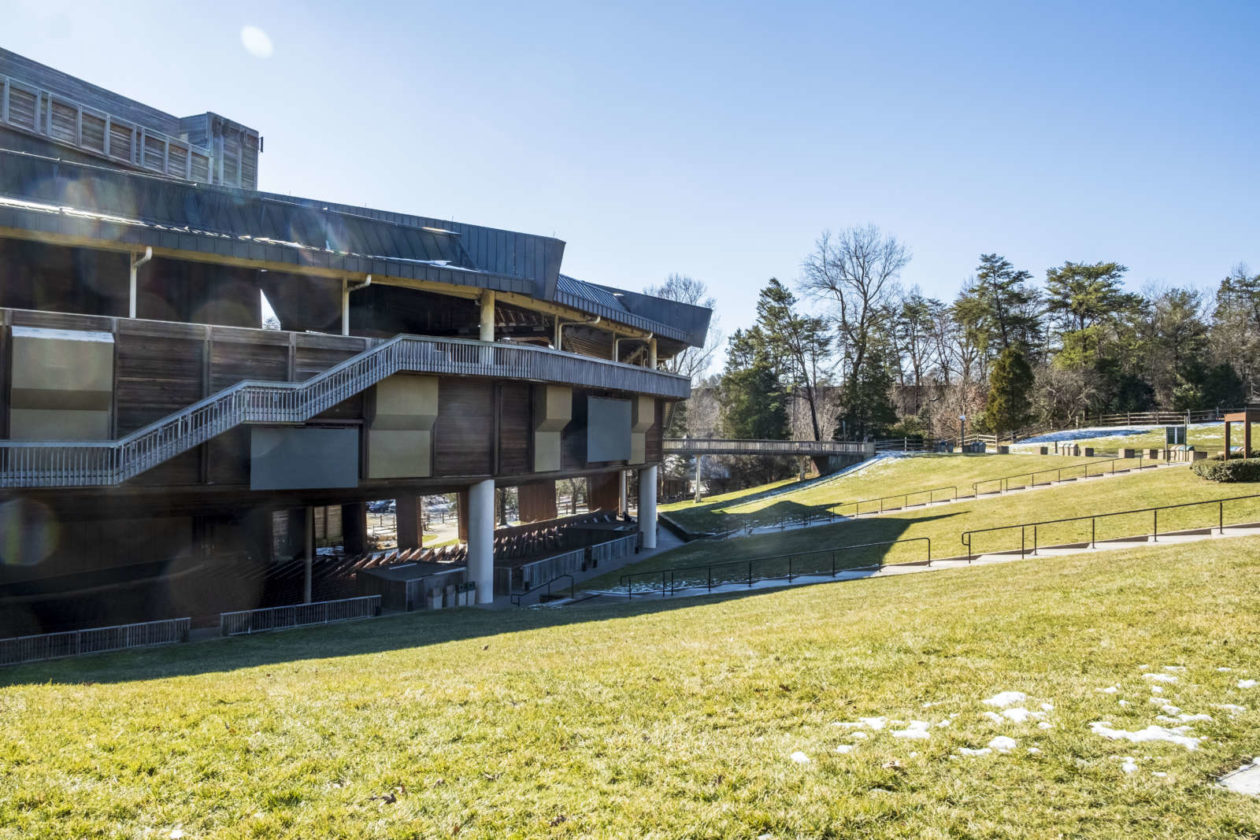
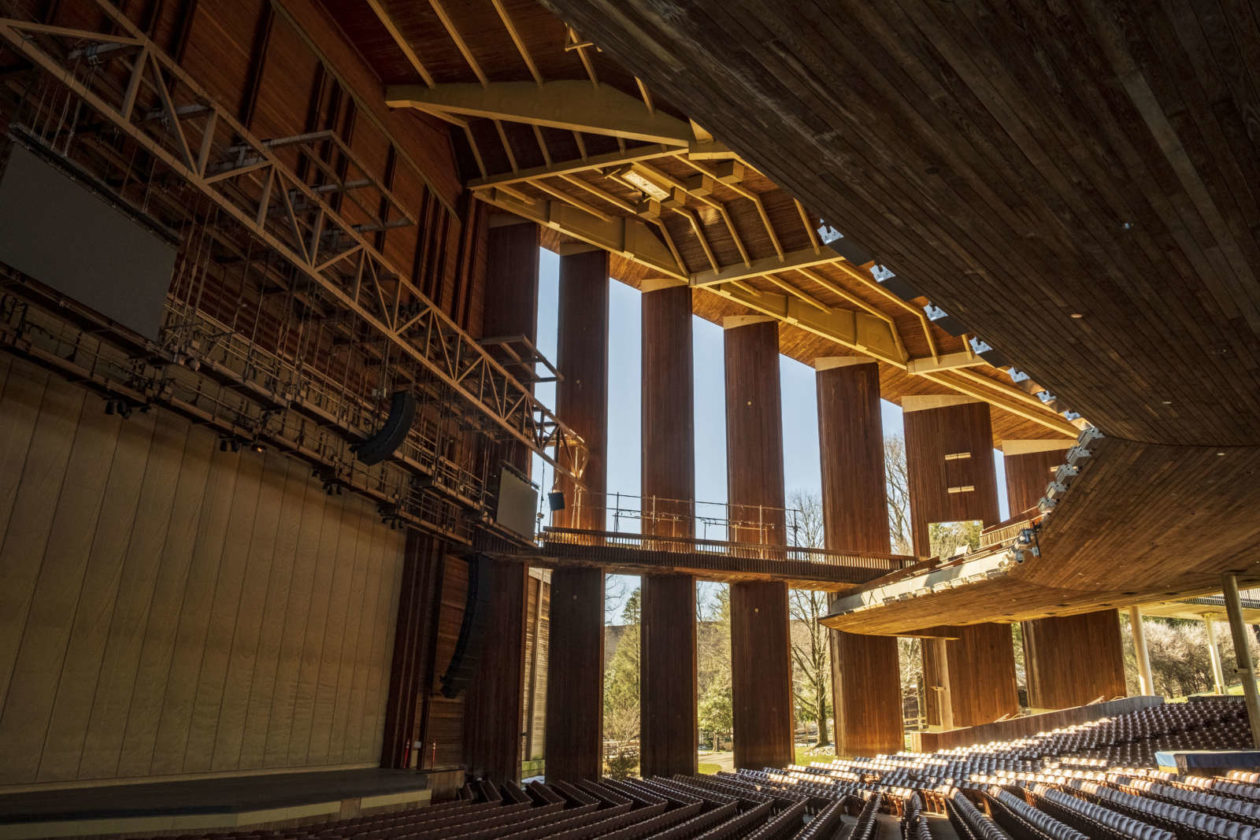
Construction on planned renovations is now underway at Wolf Trap National Park for the Performing Arts.
Funded by donors to the park, the renovation project primarily involves replacing temporary tents that covered the Associates and Terrace decks, OVATIONS restaurant, and private Encore Circle Lounge at the Filene Center with permanent pavilions.
While they will retain the open-air feeling that has become so iconic to Wolf Trap, the new wooden pavilions will have better protection from the elements, Wolf Trap Director of Communications Erick Hoffman says.
Constructed out of Douglas fir, the new structures were designed by the architecture firm Gensler to match the style of the Filene Center, a 7,000-seat outdoor ampitheater that hosts the park’s main summer programming.
Hoffman notes that, compared to the existing vinyl and aluminum tents, the wooden pavilions will be more compatible with the surrounding natural environment. They will also allow for more year-round use by patrons, whereas the tents could only be used on a seasonal basis.
“The new Pavilions will allow for greater use throughout the year in a more inviting and appropriate design environment,” Hoffman said. “Users of the deck will have enhanced protection from the elements and enjoy an architectural vocabulary befitting the unique character of America’s only National Park for the Performing Arts.”
Recently, programs at Wolf Trap have been online due to the COVID-19 pandemic, but the pandemic has not affected the renovation timeline, according to Hoffman, who says the $3.5 million project is on track to be completed by late spring.
While construction will not interfere with any performances once in-person events are allowed again, Wolf Trap has closed some parts of the park to visitors, including all decks, Barn Road, and select parking areas. The closures took effect on Dec. 14 and will remain in place until further notice.
The Wolf Trap Foundation for the Performing Arts announced on Dec. 8 that it will not hold spring performances at The Barns this year “due to continued concerns stemming from the pandemic and subsequent guidance from state and local officials.”
“The Foundation is enormously thankful for the continued generosity and support of its donors, patrons, and community as we navigate these challenging times,” Wolf Trap said in a press release. “When it is safe to do so, we look forward to gathering in person again in celebration of the performing arts.”
While it will likely look different from past seasons, hope that there will be live summer performances remains, especially since this year marks the Filene Center’s 50th anniversary.
Gov. Ralph Northam announced yesterday that, starting Monday (Mar. 1), outdoor entertainment venues will be permitted to operate at 30% capacity or with up to 1,000 individuals, whichever is lower. The cap on the number of attendees could be lifted in April if COVID-19 cases in the state continue to decline.

A new bus route in Tysons is one step closer to becoming a reality.
The Fairfax County Board of Supervisors unanimously voted Tuesday (Feb. 23) to move forward with a Phase IV-1 Mobility Analysis Study as a part of a Envision Route 7 Bus Rapid Transit (BRT) project being undertaken by the Northern Virginia Transportation Commission (NVTC).
Launched in October 2018, the project aims to connect the Mark Center in Alexandria to Tysons through Bailey’s Crossroads, Seven Corners and Falls Church along Route 7 via bus. Three phases of the study have already been conducted, with the most recent one completed in fall 2019.
The fourth phase that the board approved Tuesday is “to evaluate and determine the mobility benefits and impacts resulting from the proposed BRT from Tysons to Seven Corners,” according to the board’s agenda package. The study will also identify right-of-way concerns and any other potential issues along the proposed project corridor.
The mobility analysis study will add about 3.5 miles to a micro-simulation model that the Fairfax County Department of Transportation (FCDOT) developed to evaluate current and future traffic conditions from Tysons to the City of Falls Church.
Last year, NVTC got a $560,000 grant from the Virginia Department of Rail and Public Transportation to fund the Phase IV-1 study. The state will cover half of the cost, while the localities involved in the study will collectively match the remaining $280,000.
Under a memorandum of agreement that the Board of Supervisors approved Tuesday, Fairfax County will contribute $140,000 to the local match. The funds will come from state aid held in trust at NVTC.
In the first phase of the Envision Route 7 study, NVTC assessed the existing issues and opportunities to improve the Route 7 corridor. The study team then determined that a BRT system from Mark Center to Tysons — via the East Falls Church Metro Station — could be a viable transit solution before conducting a conceptual engineering study.
NVTC says on the project website that the mobility analysis study is expected to take 12 to 18 months.
Working with the Virginia Department of Transportation, FCDOT is supplementing NVTC’s project with a Route 7 BRT study of its own that focuses specifically on Tysons from the Spring Hill Metro station to the I-66 interchange. The county says it will host a public meeting on its study in early March.
Image via NVTC
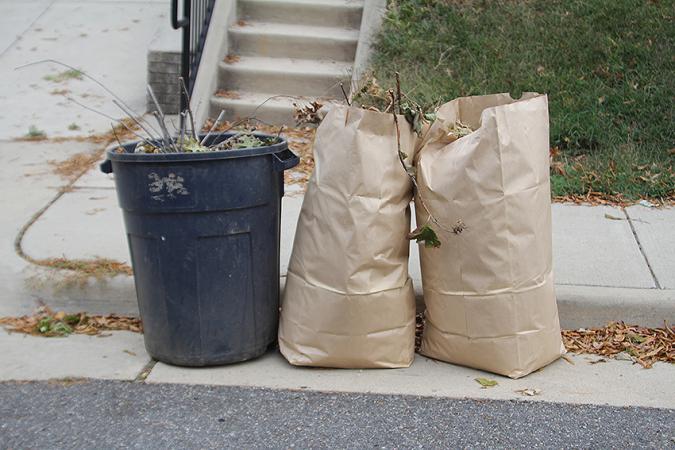
Trash collectors in Fairfax County will not pick up leaves, grass clippings, and other yard waste stored in plastic bags when the collection season begins on Monday (Mar. 1).
After holding a public hearing, the Fairfax County Board of Supervisors voted 9-1 on Tuesday (Feb. 23) to officially prohibit the use of plastic bags for yard waste by amending its Solid Waste Management Ordinance, a move that supporters say is necessary to reduce pollution and make the county more environmentally friendly.
“To reverse climate catastrophe, each of us must make many small and large steps,” Faith Alliance for Climate Solutions Board Chair Eric Goplerud said when testifying at the public hearing. “Banning plastic bags to contain yard waste is a step that the Board of Supervisors can take to lead our community to care for our common home, the Earth.”
Fairfax County began transitioning away from using plastic bags for yard waste last year, encouraging residents to use compostable paper bags or reusable containers instead.
In an update to the board’s environmental committee on Oct. 27, county staff reported that about 51% of homes surveyed during the 2020 yard waste season were still utilizing plastic bags, but Fairfax County Director of Engineering and Environmental Compliance Eric Forbes says he is “hopeful and confident” that the bags can be eliminated after the past year of education and outreach.
Now that the ban has been approved, the county’s solid waste management program is encouraging private trash and recycling collection companies to notify their customers that waste in plastic bags will no longer be collected.
“We do not anticipate a hundred percent success rate in the beginning, but we will continue our outreach and collaboration with industry to help our community to reach compliance with the new requirements,” Forbes said.
Forbes acknowledged that compostable paper bags are slightly more expensive to buy than plastic bags. County staff found that paper bags designed to carry yard waste cost about 50 cents per bag, whereas plastic bags cost around 30 cents.
Yet, the overall cost of utilizing plastic may be greater, since the material is difficult to extract and can damage equipment during the composting process, pushing up costs for collectors and, by extension, customers, Board of Supervisors Chairman Jeff McKay says.
While paper bags are preferable to plastic, Forbes noted that residents can avoid the costs of yard waste removal altogether by managing it on-site with backyard composting or allowing grass clippings to decompose on their lawn, a practice known as grasscycling.
McKay says he got 75 emails on the proposed ban, with an even split between supporters and opponents, but he believes it is time for Fairfax County to join the rest of the D.C. region, where some jurisdictions have required paper bags or reusable containers for more than a decade.
“We ultimately just have to decide whether we think this is a good idea or not,” McKay said. “…I think clearly, based on the testimony that we’ve heard today, based on where everyone around the region is, and frankly, based on where the science is, this is something that we must do now to help with our environmental challenges.”
Photo via Fairfax County Government
More Pharmacies to Administer COVID-19 Vaccine — “Giant Pharmacy and MyDr.’s Pharmacy have joined the list of vaccination partners who are assisting the Health Department in its efforts to vaccinate eligible individuals in its queue…All vaccinations occur by appointment only, there are no walk-ins.” [Fairfax County Health Department]
Senate Drops Amendment Tying Metro Funding to McLean Station Name — Sen. Janet Howell (D-32nd District) says she is pulling her amendment that would have made $165 million in funding for Metro contingent on adding “Capital One Hall” to the McLean station’s name after the transit agency agreed to install wayfinding signs for the new performance venue and speed up construction of a second entrance to the station. [The Washington Post]
McLean Resident Wins $2 Million in Lottery — “Accidents happen, but sometimes the outcome turns out better than you’d expect. For one McLean resident, buying too many Powerball tickets turned into a $2 million win.” [McLean Patch]
General Assembly Makes Last Year’s Voting Changes Permanent — “Both the Virginia House of Delegates and the Senate approved legislation that creates drop boxes for collecting absentee ballots; makes it easier for someone to get on the list of permanent absentee voters; pays the postage for mail-in ballots, and allows voters to correct errors on absentee ballots.” [WTOP]
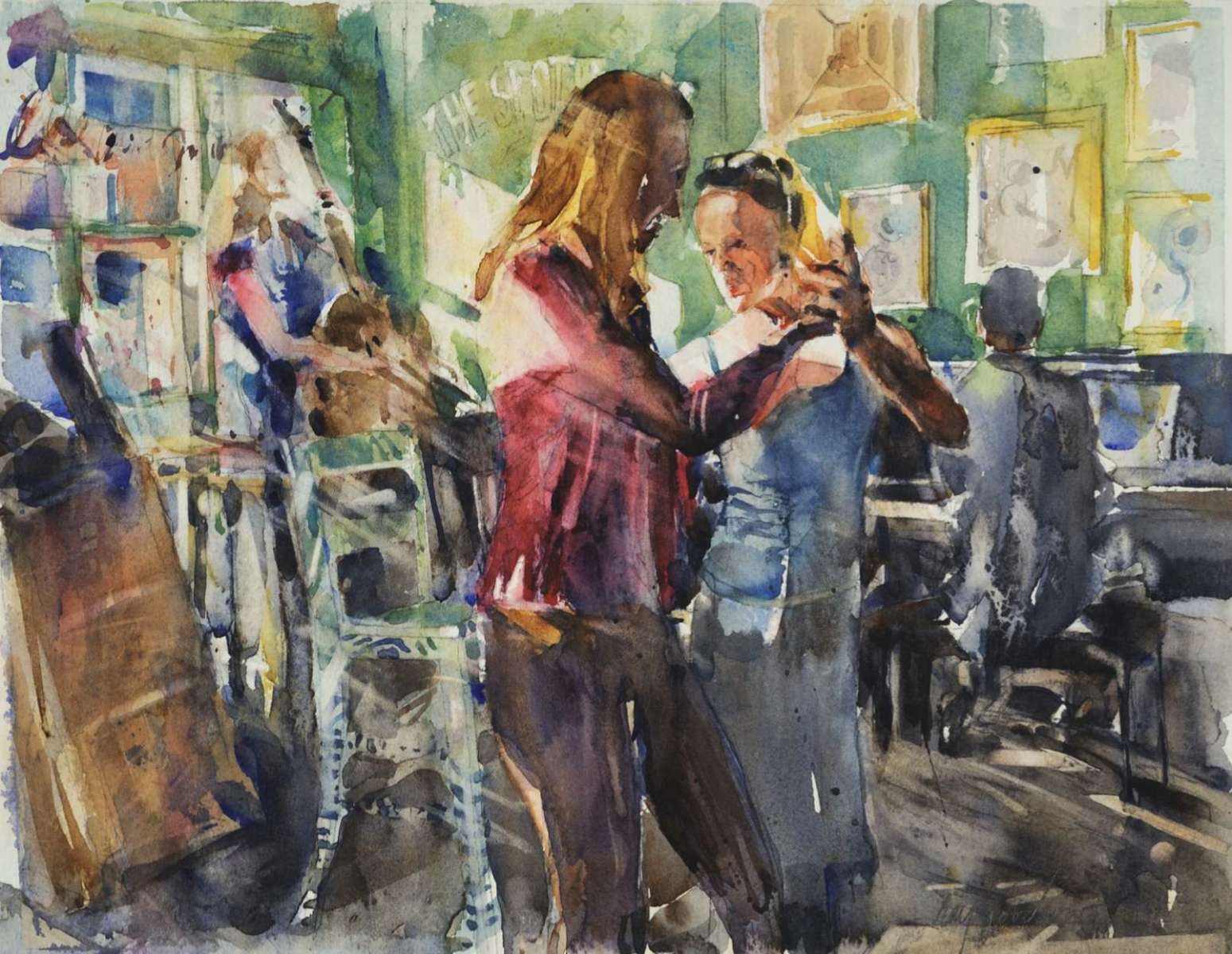
The McLean Project for the Arts will kick off its spring season next week with an exhibition featuring 20 local artists at the Atrium Gallery in the McLean Community Center (1234 Ingleside Ave.).
Titled “The Show Must Go On,” the exhibit is being presented by the McLean Art Society, a group of local professional, non-professional, and student artists that organizes exhibitions, workshops, lectures and other activities for both members and the general public.
According to a press release, the exhibit will feature work in an array of media, including watercolor and oil paintings, sculptures, and photography. It will be juried by Arlington Artists Alliance member Jessica Mickey, who previously served as co-director of the nonprofit’s Gallery Underground.
The show will open on Mar. 2 and remain on display through Mar. 13. The gallery’s visiting hours are 10 a.m.-6 p.m. throughout the week, except on Sundays, when it is open from noon to 2 p.m. Masks and adherence to social distancing guidelines are required.
The exhibit will replace multimedia artist Shanthi Chandrasekar’s exhibition “Beginningless Endless,” which has occupied the Atrium Gallery since launching virtually on Dec. 9.
Image courtesy McLean Project for the Arts
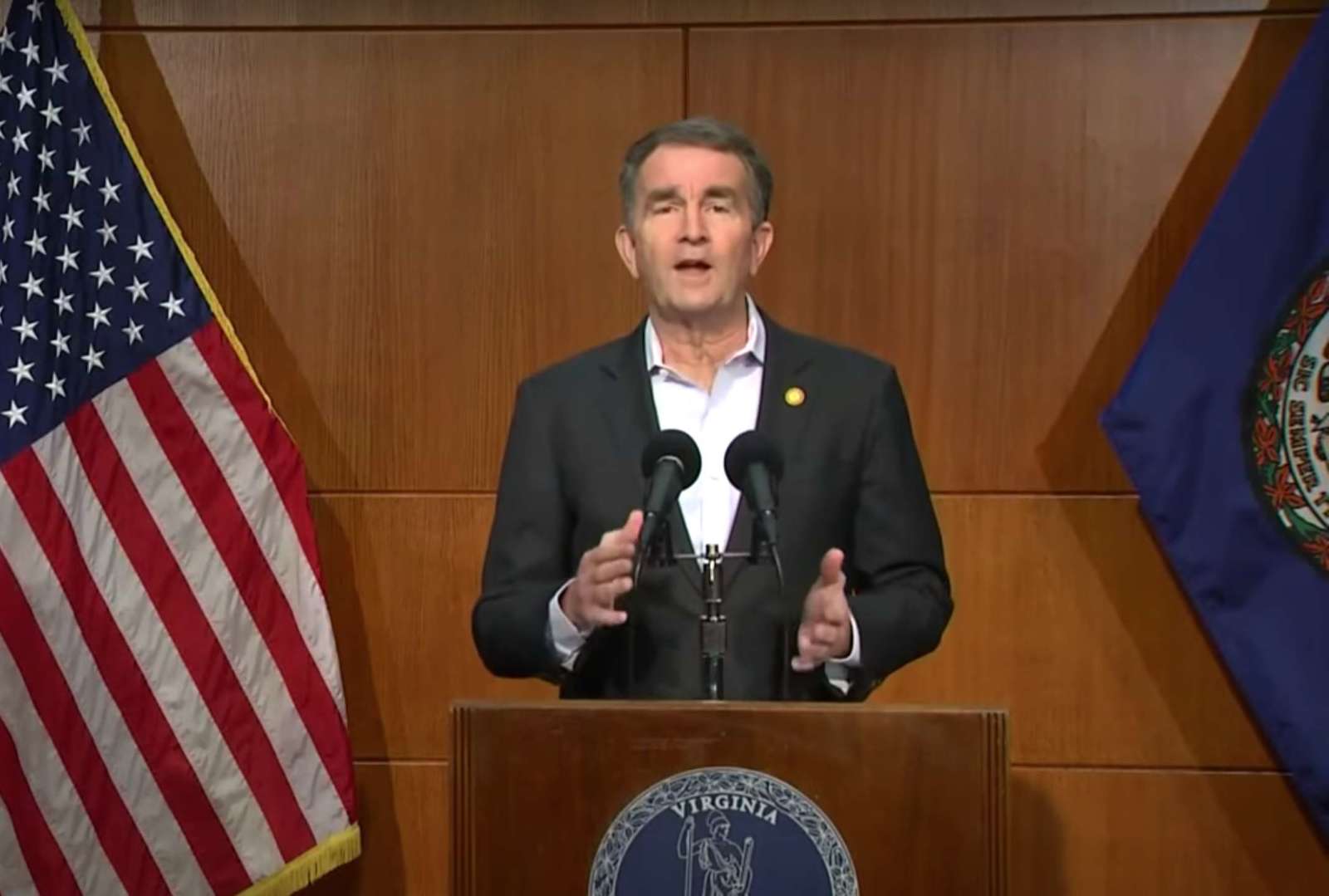
Virginia Gov. Ralph Northam is easing some of the public health restrictions prompted by the COVID-19 pandemic, including the 10 p.m. curfew on alcohol sales.
Effective Mar. 1, Virginians will be able to buy and drink alcohol at restaurants, food courts, breweries, distilleries, and wineries until they are required to close at midnight.
The changes to the current executive order come amid declining rates of hospitalizations and infections and rising vaccination rates in the Commonwealth, Northam said during a press conference this morning (Wednesday).
Northam is also easing restrictions on outdoor entertainment and social gatherings, where evidence shows the risk of airborne transmission of COVID-19 is lower.
“Thanks to the hard work and sacrifice of all Virginians, hospitalization and positivity rates across the Commonwealth are the lowest they have been in nearly three months,” Northam said in the press release. “As key health metrics show encouraging trends and we continue to ramp up our vaccination efforts, we can begin to gradually resume certain recreational activities and further reopen sectors of our economy.”
He attributed the rise in cases over the winter to cold weather and the holidays.
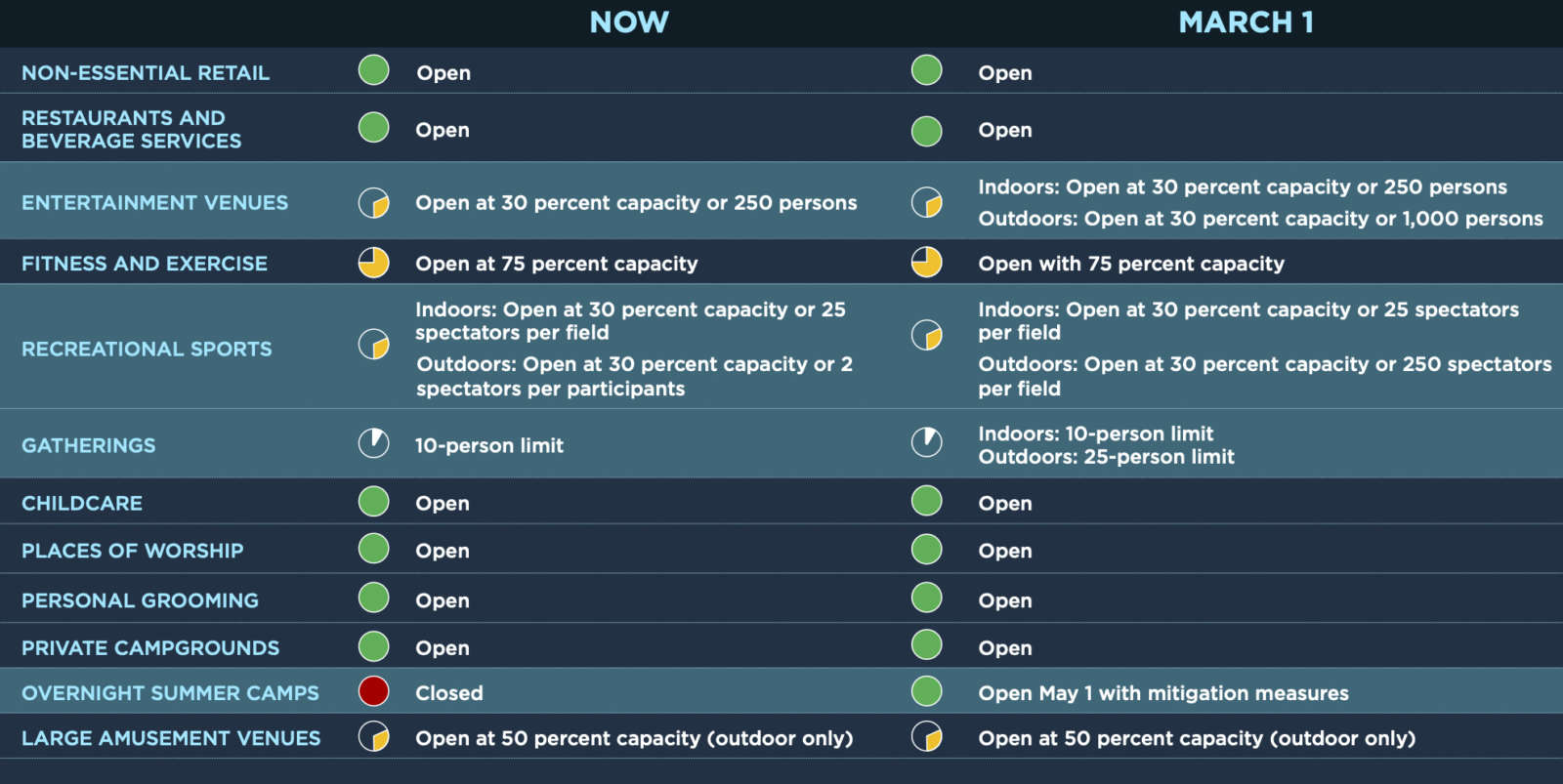
The state’s Safer at Home strategy will remain in place, along with its accompanying requirements for physical distancing, mask-wearing, gathering limits and business capacity restrictions.
“Even as we take steps to safely ease public health guidelines, we must all remain vigilant so we can maintain our progress — the more we stay home, mask up, and practice social distancing, the more lives we will save from this dangerous virus,” he said.
The current modified Stay at Home order will expire on Sunday (Feb. 28).
The full press release from the governor’s office is below. Read More
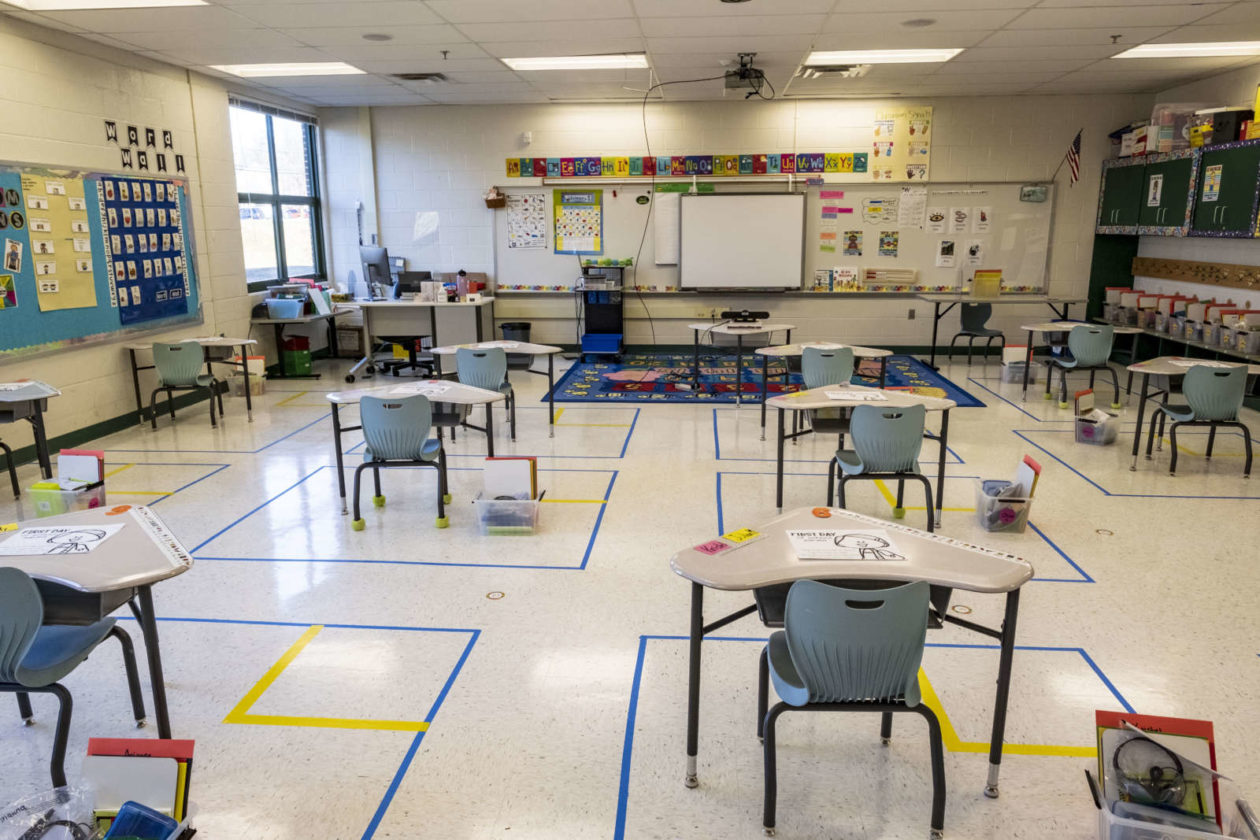
On Tuesday morning (Feb. 23), 12 kindergarteners stepped into their classroom at Graham Road Elementary School in Falls Church for the first time.
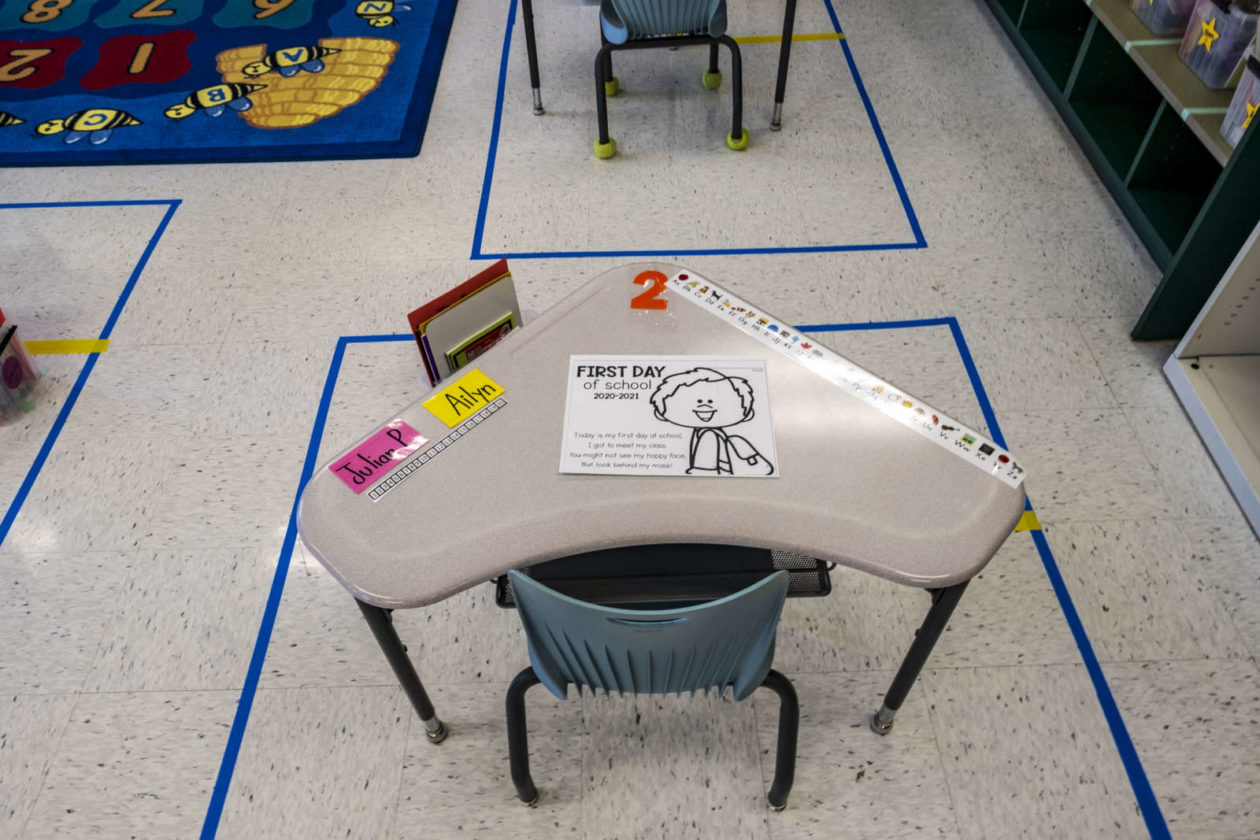
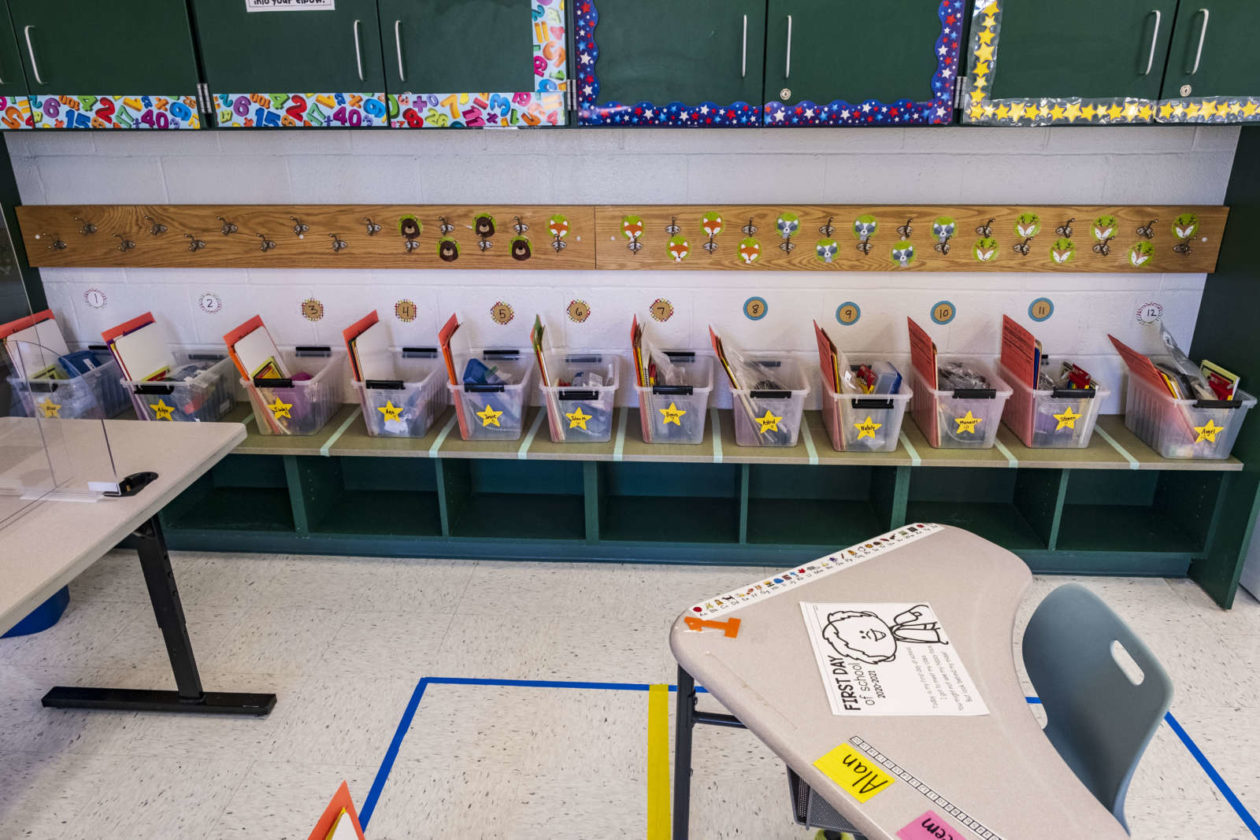
Their teacher, Claire Kelley, and Principal Lauren Badini had distributed individually bagged breakfasts on the distanced desks. The classroom looked like the quintessential kindergarten classroom, decorated with bright colors and posters.
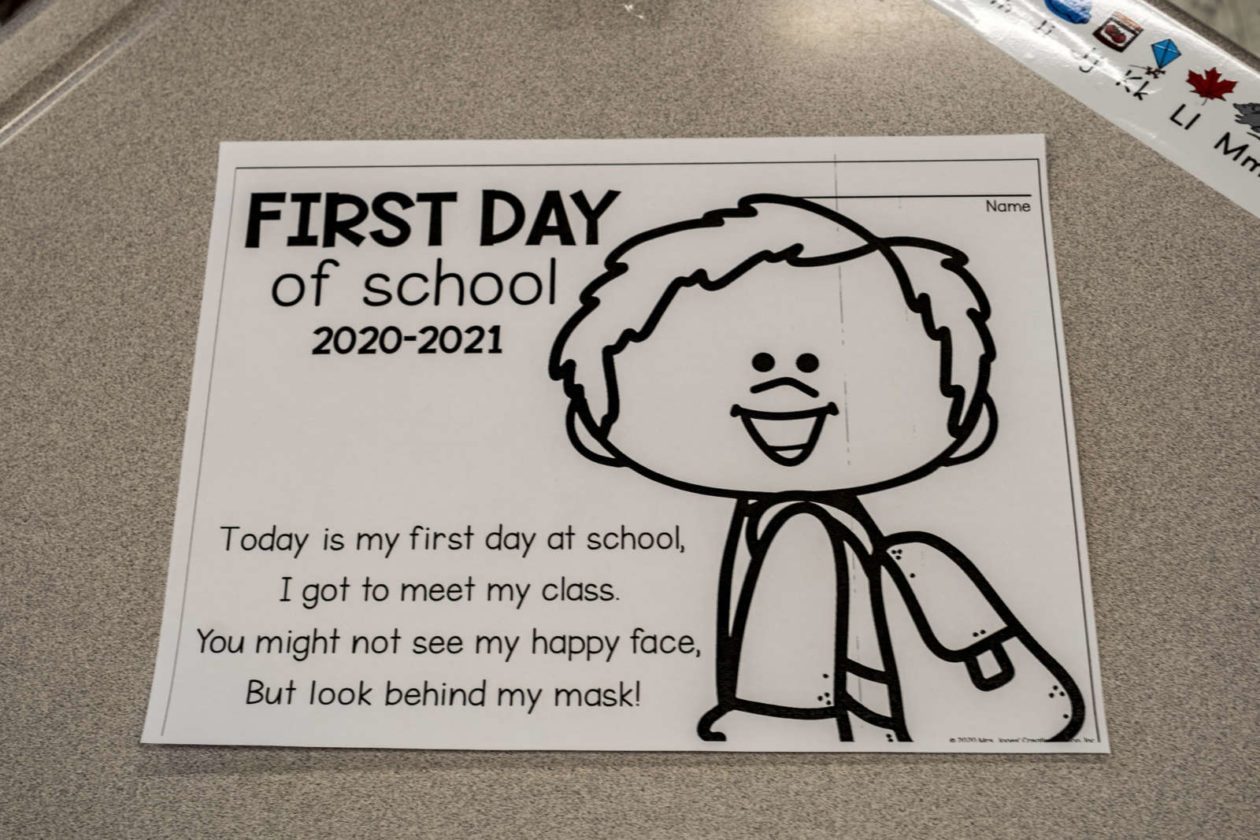
However, some of the posters bore messages instructing students to keep their distance from each other, wash their hands, and wear masks, a reminder that this was anything but a typical school day in a typical school year.
“It’s a pandemic classroom,” Badini said. “[Kelley’s] done an amazing job making it fun and exciting.”
Kelley will welcome another 12 kindergarteners to her classroom today (Wednesday).
“I’m really excited,” she said. “I’m super hopeful things are getting better.”
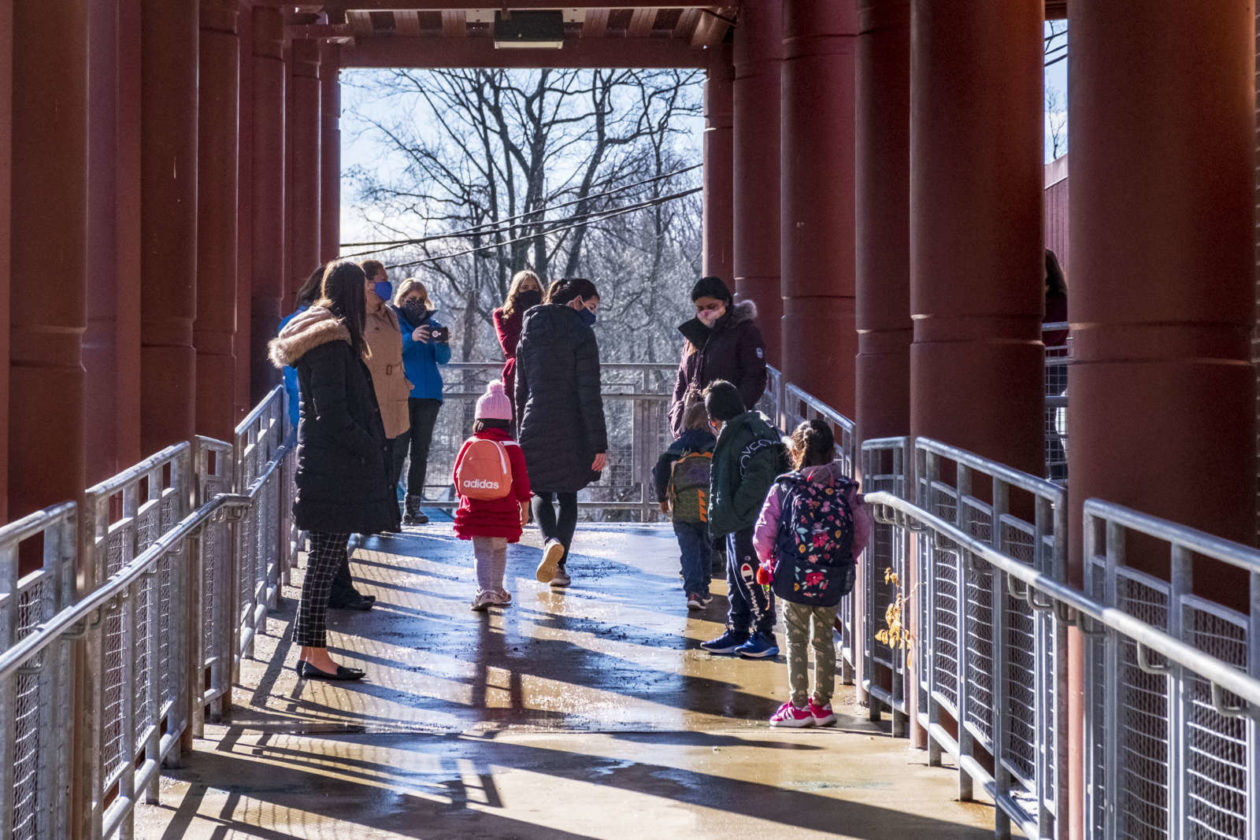
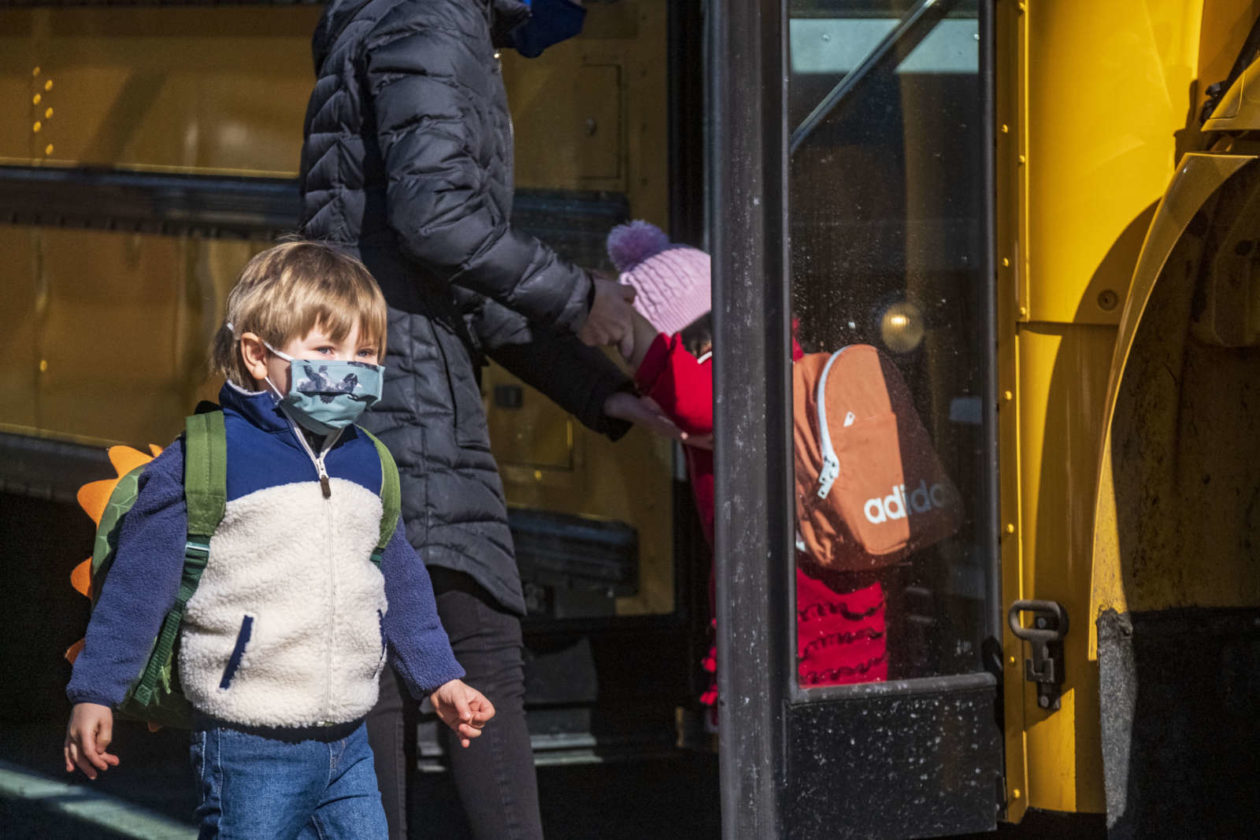
Nearly one year since schools closed due to the COVID-19 pandemic, Fairfax County Public Schools is reopening its doors for families who opt for in-person instruction in stages over the next month.
After delaying plans to resume in-person classes in January, the Fairfax County School Board approved a new Return to School timeline earlier this month that started bringing students back on Feb. 16. Its schedule lines up with Virginia Gov. Ralph Northam’s mandate that all school divisions provide an option for in-person instruction by Mar. 15.
This week, 7,000 kindergarteners across the division returned, along with preschoolers, Early Head Start students, and other students receiving specialized instruction. Kids who are not receiving special education services are following a hybrid model that provides two days of in-person classes per week, with groups coming in on alternating days.
Graham Road will add 60 first and second graders on Mar. 9 and 80 students in grades 3-6 on Mar. 16. The phasing was designed so kindergarteners would have time to adjust to mitigation behaviors before being overwhelmed by older students, according to Badini.
“We’ve been prepping since July,” Badini said. “We’ve had to rethink every aspect of school. Elementary school turns on collaboration, talking, being close, holding hands.”
Kelley started preparing her students over Zoom by having them greet each other with fist bumps and air hugs. They practiced wearing their masks and watched videos of handwashing. The teacher developed songs and verbal cues, like pantomiming a zombie, to make sure kids stay apart.
“These are the rules they have to follow to stay in school,” she said. “I’m taking a step back to make sure they understand what they need to do to stay safe.”
For Badini, Mar. 12, 2020 was the last day things felt normal. When schools closed, the principal sprang into action to make sure her students — most of whom qualify for free- or reduced-price lunches — have internet access, piloting a program with FCPS and internet provider Cox.
Badini says the school tries to “do everything we can” to make up for the sacrifices parents are making, by providing free meals and snacks because “there has had to be a give and take somewhere.”
While Graham Road has some distinct challenges, all school principals are grappling with engagement, connectivity, and attendance, she said.
“We have wanted this and have been waiting for this for a year,” Badini said. “We know parents are frustrated. We’re working parents, too.”