

Tempers ran high during the Virginia Department of Transportation’s virtual public meeting on its Interstate 495 Express Lanes Northern Extension (495 NEXT) project on Wednesday (Nov. 18).
With a Dec. 4 deadline for public comment on the project’s environmental assessment and initial design plans approaching fast, some community members criticized VDOT for a perceived lack of transparency and asked why the project is being pursued now instead of waiting for Maryland to undertake its long-gestating plan to improve the American Legion Bridge.
“More has to be done now to look at the basics, because the studies that VDOT has presented are inadequate,” McLean resident April Georgelas argued. “It’s inappropriate to pursue this any further and put citizens through the stress that we don’t need right now for a project that will only do harm for our area.”
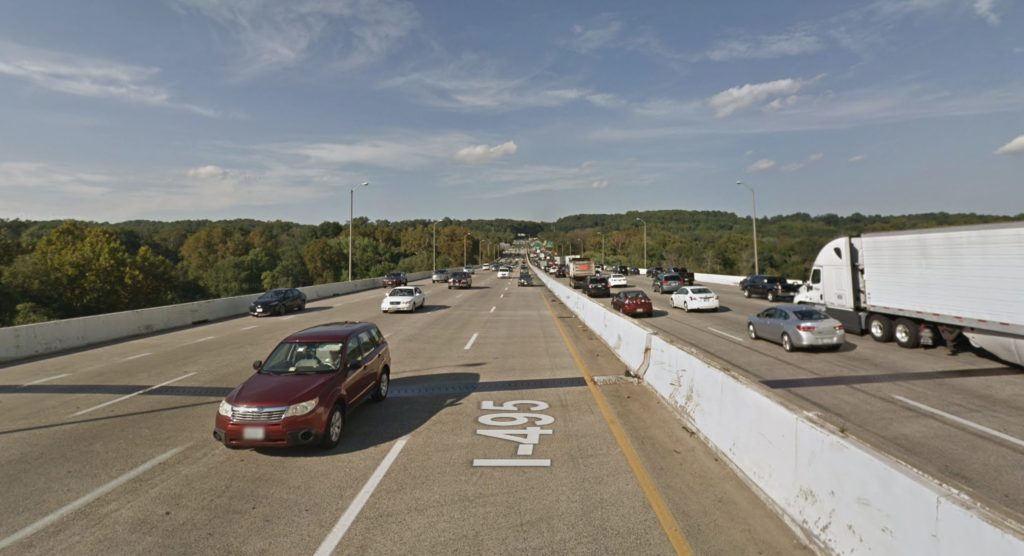
Initiated in the spring of 2018, the 495 NEXT project proposes extending the existing 495 Express Lanes roughly three miles from the Dulles Toll Road and I-495 interchange to the George Washington Memorial Parkway near the American Legion Bridge.
VDOT would replace bridges to accommodate the express lanes, add a bicycle and pedestrian trail, construct new noise walls where necessary, and provide stormwater management facilities.
Virginia transportation officials say extending the 495 Express Lanes will help reduce congestion in one of the most congested corridors in the Washington, D.C., metropolitan region, while also improving travel reliability and reducing the amount of cut-through traffic that currently goes through neighborhood streets in McLean and Great Falls.
According to VDOT’s analysis, the 495 NEXT project would move approximately 2,500 more people per hour in both directions through the corridor starting in 2025. It would move 5,400 more people an hour if Maryland completes its American Legion Bridge project, though that is not likely to be finished until 2027.
By 2045, I-495 would be able to carry an additional 7,600 people an hour in both directions combined with the express lanes extended, VDOT says.
“This facility will provide a running way for carpools, vanpools, and transit vehicles to be able to provide reliable and faster trips than what could be accomplished under the current congested conditions,” VDOT Special Project Development Associate Manager Abraham Lerner said.
While the McLean Citizens Association has expressed support for 495 NEXT, many community members have raised concerns about the planned bike trail location, the ramps that have been proposed as modifications to the Dulles Toll Road interchange, and potential environmental and neighborhood impacts.
According to VDOT Megaprojects Director Susan Shaw, the project is anticipated to affect 35 acres of trees with its first phase of construction and about 3,000 feet of stream in Scotts Run, 70% of which is already significantly degraded.
Shaw says VDOT has committed to doing a tree survey prior to any removals to determine what trees should be replanted where possible and working with Fairfax County on stream restoration.
Dranesville District Supervisor John Foust urged VDOT to look for alternatives for the Dulles Toll Road interchange. The current plan involves three phases of new ramps being constructed.
“The impact of those ramps on that area of the county, which includes residential neighborhoods and Tysons – which we’re trying to create as a transit-oriented community – is going to be overwhelming,” Foust said. “Clearly, there’s a lot of traffic there, but right now…what you’re ending up [with] there is a spaghetti network of ramps that’s going to be very destructive to that entire area of Fairfax County.”
Photo via Google Maps
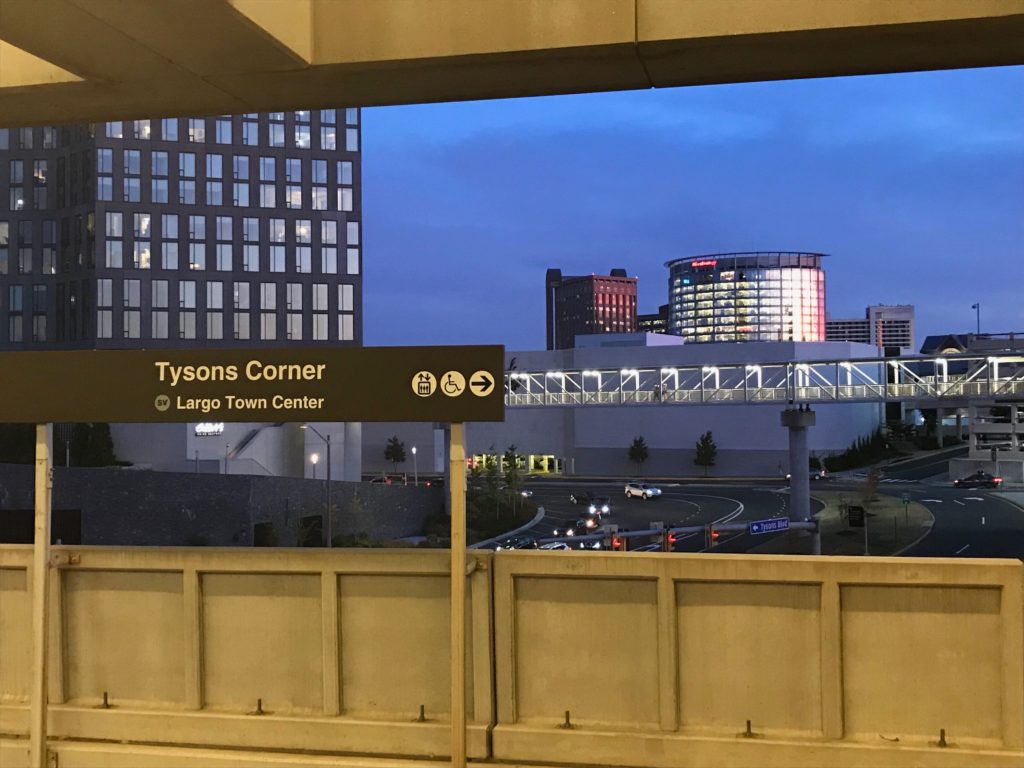
The Washington Metropolitan Area Transit Authority Board of Directors voted on Thursday (Nov. 19) to grant Fairfax County’s request to drop the “corner” from the name of the Tysons Corner Metro Station.
The board simultaneously approved a name change for the Prince George’s Plaza Metro Station in Maryland. That station will now be called Hyattsville Crossing.
The name changes were approved despite the results of surveys of riders and members of the public that found most respondents “significantly preferred” the stations’ current names over the proposed replacements, according to a report by WMATA’s safety and operations committee.
“History with Metrorail Station naming informs us that our riders and the communities we serve develop attachments to rail station landmarks and resist change,” WMATA staff said in the report.
For the Tysons station, only 36% of the online public survey’s 5,508 respondents said they like “Tysons” as a station name, compared to the 45% who disagreed and the 67% who said they like the name “Tysons Corner.”
However, 62% of respondents agreed that the name “Tysons” is easy to remember, and 58% said it would not be easily confused with other station names. 48% said the name clearly conveys the station’s location, and 47% said it describes the location well, surpassing than the 35% and 36%, respectively, who disagreed with those statements.
While the affirmative percentages are higher in all categories for Tysons Corner than they are for Tysons, those results are evidently positive enough that WMATA staff believes objections to the name change will dissipate once community members become familiar with the new moniker.
“Six in 10 survey respondents found the name [“Tysons”] easy to recall and not confusing with other names,” the staff report says. “Should the Board wish to approve the jurisdiction’s request, it is likely that the new name will become synonymous with the surrounding community over time and customers will find it sufficient for wayfinding.”
All of the Metro directors who were present for the vote supported the name changes, except for District of Columbia First Vice Chair Stephanie Gidigbi, who cited concerns about the public feedback when opting to abstain from the vote.
WMATA announced on Oct. 27 that Fairfax County and Prince George’s County had submitted formal name change requests for the Tysons Corner and Prince George’s Plaza stations.
According to the safety and operations committee report, Metro is planning systemwide signage and rail map changes in preparation for the second phase of its Silver Line service, which is not likely to start service until next summer.
With a Dec. 31 deadline for signage changes to be finalized, the Fairfax County Board of Supervisors requested that Metro rename its Tysons Corner station as part of the county’s ongoing efforts with the Tysons Partnership to rebrand the area around the Tysons Corner Center mall as Tysons.
The Board of Supervisors has also asked Metro to rename the West Falls Church-VT/UVA Metro Station to reflect that the University of Virginia no longer has facilities nearby as of April 2020.
Like Prince George’s County, Fairfax County has committed to funding the $332,000 needed to change signage at the affected stations, according to WMATA.
Staff photo by Catherine Douglas Moran
A man is now facing charges for unlawfully filming people at the Nordstrom in Tysons Corner, Fairfax County police announced this morning (Friday).
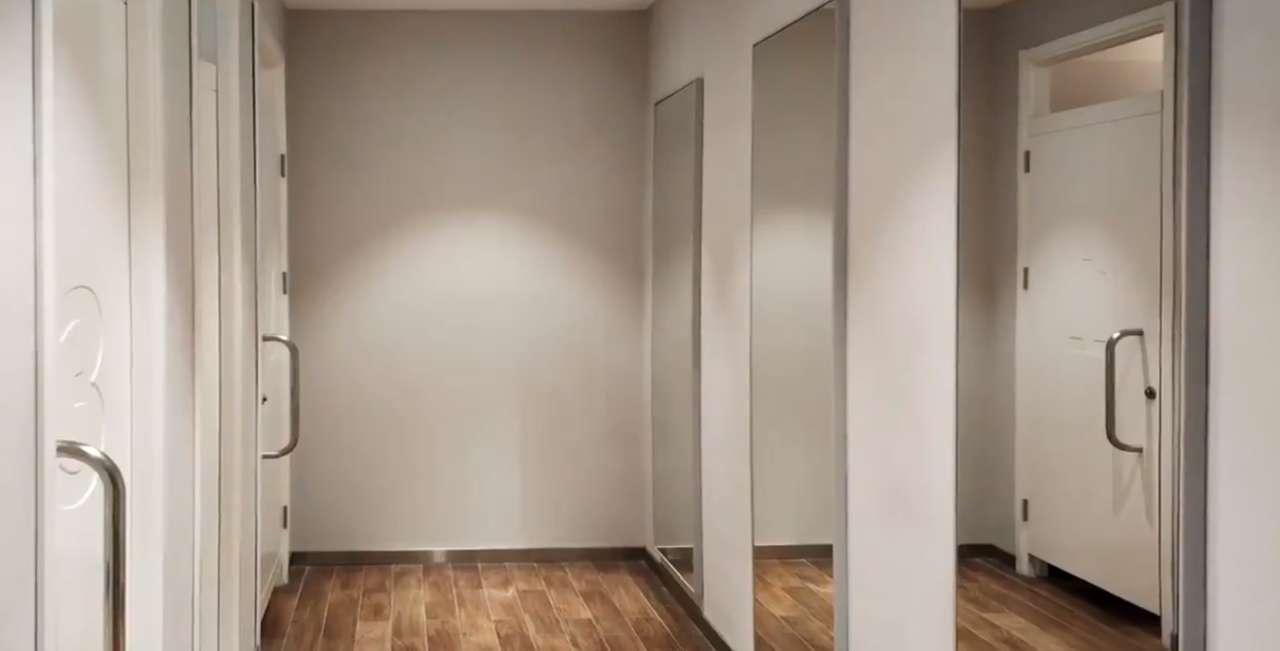
The Fairfax County Police Department says it first learned about possible unlawful filming at the store after a janitor reported finding a concealed video camera inside a bathroom on Oct. 24.
A woman then reported on Nov. 7 that she had been illegally filmed while in a dressing room, prompting the FCPD’s Tysons Urban Team to launch an investigation.
Officers arrested a man identified as Gerson A. Rosales Miranda of Woodbridge on Nov. 14 after Nordstrom alerted police that an unidentified woman who investigators had linked to the two reported incidents had returned to the store.
Officers searched the area and found Rosales Miranda “disguised as a woman.” Major crimes bureau detectives confirmed that he was responsible for the Nov. 7 incident, according to the department.
Rosales Miranda has been charged with five counts of unlawful filming with additional charges pending the outcome of the continuing police investigation. He was given a $2,500 bond.
“The investigation is ongoing and we will provide updates regarding charges and victims at a later time,” the FCPD public affairs bureau said when asked for more details about the number of incidents involved in the case.
Check out our video sharing details surrounding a recent arrest involving several unlawful filming incidents at Tysons Corner Mall in the McLean District. #FCPD #FCPDOnScene pic.twitter.com/BextGrZLx1
— Fairfax County Police (@FairfaxCountyPD) November 20, 2020
This is not the first time that unlawful filming has been reported at Tysons Corner Center.
A case involving over 100 videos allegedly taken in store dressing rooms at Tysons Corner Center, Fair Oaks Mall, Springfield Town Center, and Fair Lakes Promenade in December 2018 ended with Fairfax County police charging an Alexandria resident with unlawful videotaping and other crimes in January 2019.
The FCPD also charged a man from Maryland with unlawful filming and trespassing on Dec. 14, 2019 after he was seen recording two women at Tysons Corner Center.
A Tysons Corner Center spokesperson says the mall has no comment on the current case, noting that the FCPD is leading the effort.
The FCPD has officers assigned to Tysons Corner, Fair Oaks Mall, and Springfield Town Center for anyone who needs assistance or sees “anything suspicious while out shopping this holiday season,” the public affairs bureau says.
Photo via FCPD

The Virginia Department of Rail and Public Transportation is currently exploring possibilities for adding more transit routes to Tysons along the Interstate 495 corridor as part of its I-495/American Legion Bridge Transit and Transportation Demand Management Study.
Joined by Virginia Department of Transportation and Maryland Transit Administration officials, DRPT presented some potential options for new connections at a public meeting on Wednesday (Nov. 18) that provided updates on the transit study and VDOT’s I-495 Express Lanes Northern Extension (495 NEXT) project.
DRPT officials have identified Tysons, Dunn Loring, Reston, and Arlington as key destinations in the corridor, noting that there tends to be more demand for travel from Maryland to Virginia than the other way around.
“There is significant travel between activity centers on the Maryland 355 corridor and Silver Spring to destinations like Tysons, Dunn Loring, and the Virginia Route 7 corridor,” DRPT Northern Virginia Transit Planning Manager Ciara Williams said. “A great deal of transit services operate in the study area. However, there are no transit services today that directly link the major activity centers.”
After looking at a variety of potential transit connections between Virginia and Maryland on 495, DRPT singled out eight possibilities that merited further study and ranked them based on their ability to add ridership relative to their cost, the service they would provide to low-income and minority populations, and the number of people and jobs to which they would improve access.
Five out of the eight preliminary possible transit routes go to Tysons. A sixth route – and the one that received the highest score – goes through Tysons to connect Bethesda and Dunn Loring.
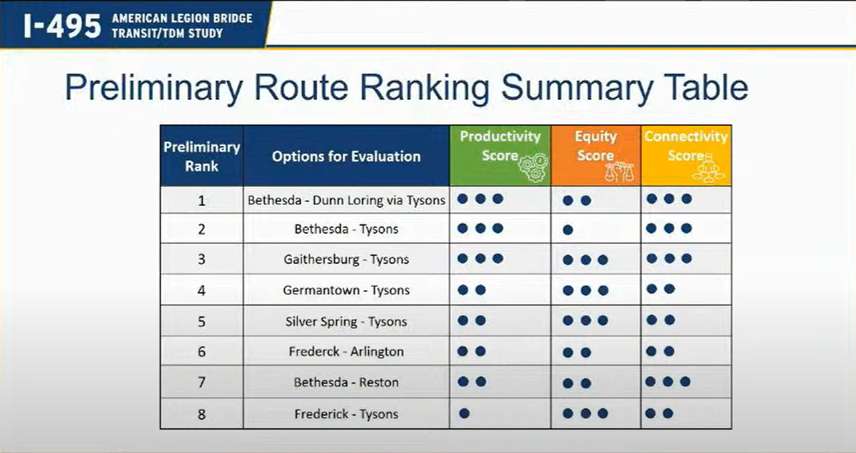
A proposed transit route that would go from Gaithersburg, Md., to Tysons during the morning peak period and in the other direction during the evening peak period is the only one that got a top score for productivity, equity, and connectivity.
However, the Bethesda-Dunn Loring and Bethesda-Tysons routes ranked higher, because a trips-per-day metric included in the productivity score was weighted higher to prioritize routes with the potential to yield the highest ridership levels, according to Williams.
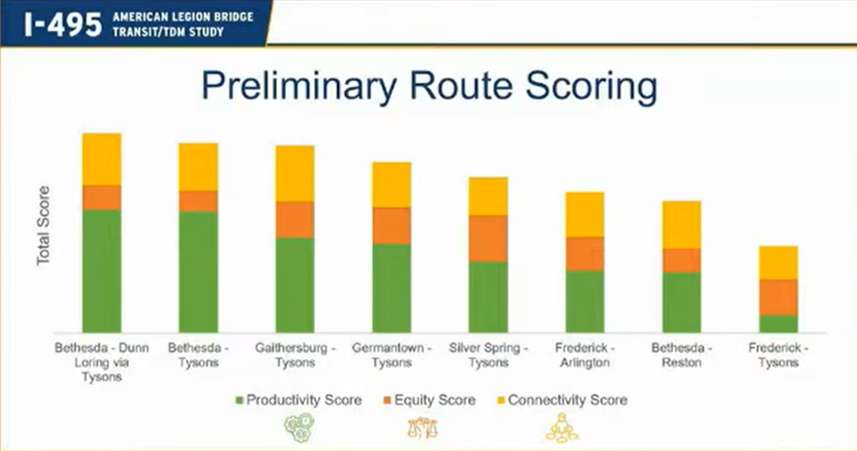
The other routes that DRPT is considering evaluating further are Germantown to Tysons, Silver Spring to Tysons, Frederick to Arlington, Bethesda to Reston, and Frederick to Tysons.
The American Legion Bridge transit study started in December 2019 after Virginia Gov. Ralph Northam and Maryland Gov. Larry Hogan announced an agreement to fund the $1 billion project to replace and widen the bridge, which is part of the Capital Beltway and currently the only way to travel between Maryland and Virginia without going through Washington, D.C.
“495 is one of the most congested roadways in all of Maryland and Virginia, and traffic is forecasted to increase in the future,” Williams said. “…We see that there’s a need for transit and TDM solutions in conjunction with the planned and managed Express Lanes to efficiently and effectively serve travel across the bridge.”
The transit study is being conducted in parallel with the proposed 495 NEXT project, which extends the existing 495 Express Lanes roughly three miles from the Dulles Toll Road and I-495 interchange to the George Washington Memorial Parkway near the American Legion Bridge.
DPRT Transportation Chief Jennifer Debruhl says the study team anticipates releasing its draft recommendations for public comment in early December before finalizing the study early next year.
Staff photo by Jay Westcott, slides via Virginia Department of Rail and Public Transportation

Former Town of Vienna Mayor’s Home Spared for Now — “A sprawling home previously owned by a late former Vienna Mayor Charles Robinson Jr. and his wife, late former Town Council member Maud Robinson, will not be demolished just yet. The Vienna Town Council unanimously agreed Nov. 16 to postpone until Dec. 7 its decision on a contract to raze the home.” [Sun Gazette]
Falls Church’s PAE Inc. Buys Up Intelligence Services Provider — “The Falls Church defense contractor will acquire Arlington-based intelligence services provider Metis Solutions LLC for $92 million in an all-cash deal, executives from PAE said Monday.” [Washington Business Journal]
McLean High School Students Named Finalists for Journalism Awards — “Student journalists who work on McLean High’s The Highlander news publication have been named finalists in several 2020 National Scholastic Press Association individual awards categories. Being named a finalist in any of these categories means these student journalists are among the top 10 in the nation.” [Fairfax County Public Schools]
Falls Church City School Board Veteran Dies at 87 — “In his adopted home of Falls Church, Jerry [Barrett] served for eight years each on the boards of the local school system and Northern Virginia Community College.” [Falls Church News-Press]
Though the U.S. Centers for Disease Control and Prevention issued an eviction moratorium on Sept. 4, the ability to keep up with rent payments has been one of the most urgent challenges of the COVID-19 pandemic for Fairfax County residents, along with food insecurity.
As of Nov. 16, Fairfax County Coordinated Services Planning, which connects individuals to social services, has received 4,693 requests for rental assistance so far this year, according to Fairfax County Health and Human Services.
The county generally gets around 5,000 housing payment assistance requests every fiscal year.
“The pandemic has exacerbated the situation of our most vulnerable residents,” HHS public information officer Shweta Adyanthaya told Tysons Reporter in an email. “The system has seen a significant increase [of] over 3,000 new households, requesting all basic needs – housing, utility, food assistance – during the pandemic response.”
Relaying information from HHS Chief Strategist Dean Klein and Neighborhood and Community Services Deputy Director Sarah Allen, Adayanthaya says that, while requests have come in from all parts of the county, the areas with the highest levels of need now are the same areas that struggled most prior to COVID-19.
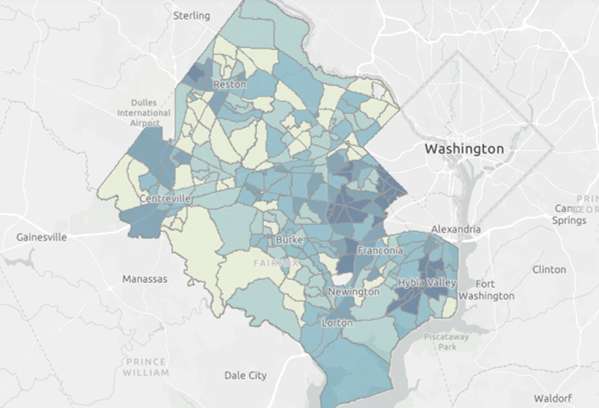
Calculated based on various social and economic factors, including housing, food access, employment, and health insurance, a COVID-19 Vulnerability Index developed by Fairfax County indicates that Falls Church, Annandale, Alexandria, and Herndon are among the areas most in need of assistance.
To help provide resources to tenants at risk of losing their homes, Fairfax County formed an eviction prevention task force with representatives from various county agencies, the county sheriff’s office, and the nonprofit law firm Legal Services of Northern Virginia.
The task force has also been charged with collecting and analyzing data on the eviction situation in Fairfax County, which will then be used to help direct resources and guide recommendations for future actions.
According to HHS, it is currently unknown how many Fairfax County residents have been evicted or become homeless since COVID-19 arrived in Virginia this past spring.
However, Adayanthaya says the county is “taking a proactive approach” to contact residents who get pulled into the legal system for evictions, and it has expanded outreach efforts to connect vulnerable and hard-to-reach populations with essential resources.
The county has also started outreach efforts to landlords that will expand in the new year.
“Communication is a key ingredient in communicating with tenants who are at risk of eviction as well as landlords,” Adayanthaya said. “We have been working hard to provide as much current information to prevent unwarranted eviction and to help educate the community.”
Currently set to expire on Dec. 31, the CDC’s temporary moratorium bars landlords from issuing evictions from residential properties for nonpayment of rent by individuals with incomes lower than $99,000 and married couples with joint incomes of less than $198,000.
Tenants in those categories will be covered by the moratorium if they are unable to pay rent due to income loss or extraordinary out-of-pocket medical expenses and would become homeless if evicted. They must present a declaration to their landlord.
The Fairfax County Redevelopment and Housing Authority has suspended evictions for rent nonpayment and associated charges or fees for residents of its properties. Late rent penalties also have been waived until further notice for renters at county-owned and managed properties.
Adayanthaya says the impact of eviction moratoriums on landlords, particularly small and family owners, has raised concerns in Fairfax County about the potential loss of affordable housing, but such measures are critical right now from a public health standpoint as well as a socioeconomic one.
“Eviction moratoria – like quarantine, isolation and social distancing – are effective public health measures to prevent the spread of COVID-19,” Adayanthaya said. “Housing stability helps protect public health as homelessness increases the likelihood of individuals moving into congregate settings, such as homeless shelters, which puts individuals at higher risk for COVID-19.”
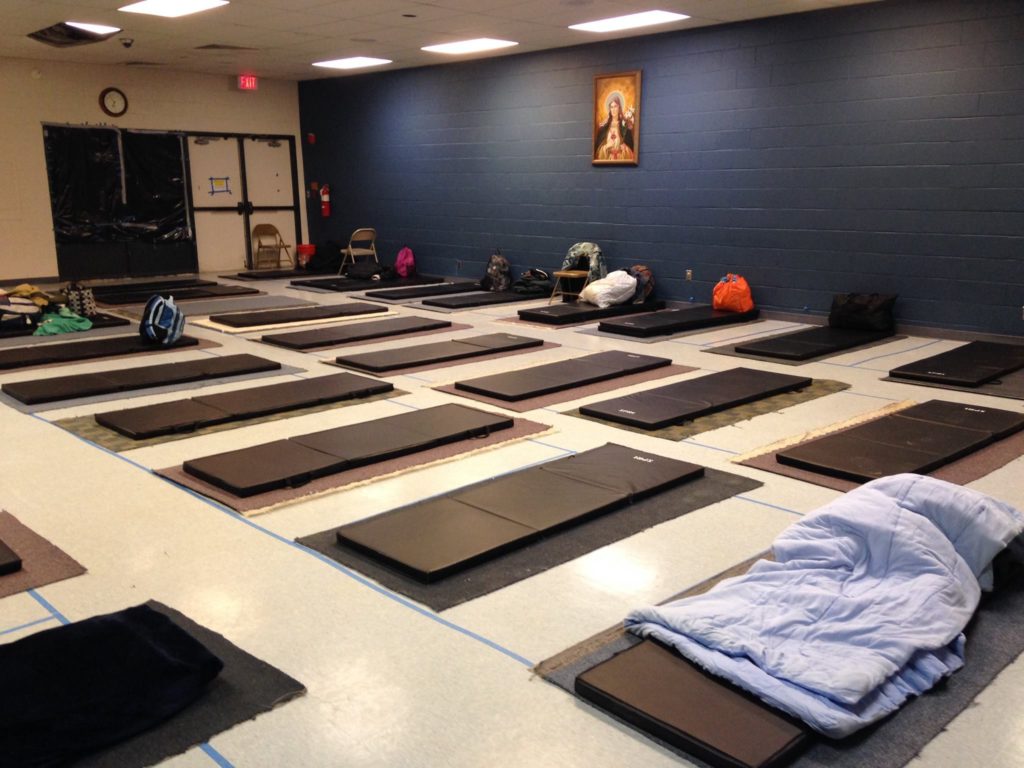
According to HHS, the Fairfax County Office to Prevent and End Homelessness has secured 445 rooms at six hotels as of Nov. 12 to provide shelter for people experiencing homelessness and individuals who are unable to isolate or quarantine safely in their homes.
358 of those rooms are currently occupied by 462 guests for an 80% occupancy rate. 90% of the individuals residing in the hotels were referred by homeless services providers. Only two of the guests were not homeless upon admission.
“Since the hotels opened, 132 people who were experiencing homelessness at admission moved to permanent housing situations,” HHS says.
Additional housing assistance information and a guide to tenant-landlord rights can be found on the Fairfax County emergency information website.
Photo via Fairfax County Office to Prevent and End Homelessness/Facebook, map via Fairfax County
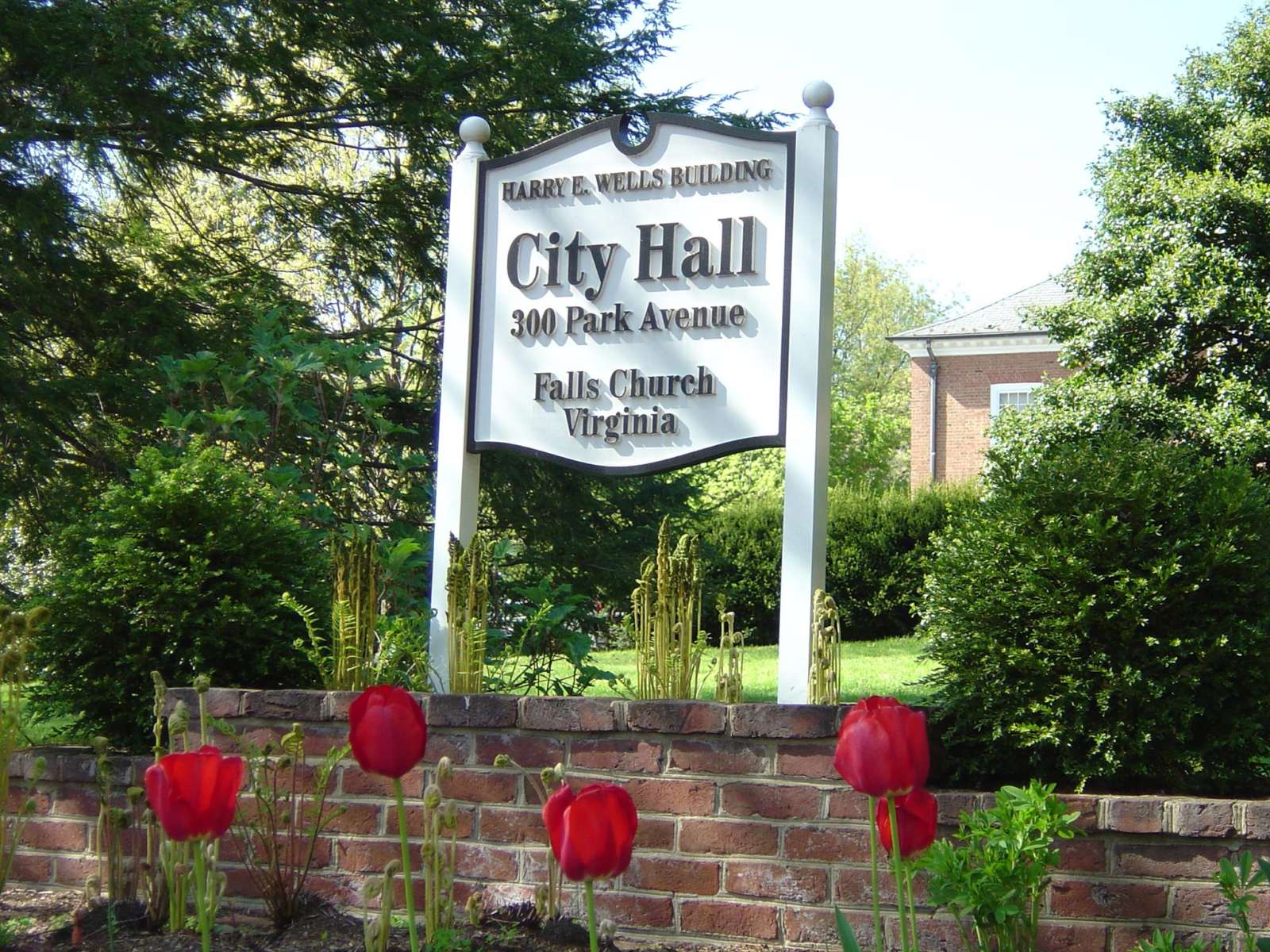
The City of Falls Church wants to expand its stock of affordable housing, but exactly how it should achieve that remains up for debate.
One option currently under consideration is updating the zoning ordinance’s special exception section, which has become a reliable tool for encouraging mixed-use development.
Under a preliminary proposal presented to the Falls Church City Council on Monday (Nov. 16), the criteria for evaluating possible development projects would be amended to incentivize the inclusion of affordable housing units, allow for smaller structures, and better reflect the current state of the commercial real estate market.
“With the economy changing and obviously the future of work and commercial space probably looking pretty different, I do think it’s time for us to modernize this,” City Councilmember Letti Hardy said. “…I know this is something that’s really important to the city and not something we want to take lightly.”
The special exception provisions in Falls Church’s zoning code permit mixed-use development and taller building heights than what is otherwise allowed in underdeveloped commercial areas that the city identified as sites that could be revitalized in its 2005 Comprehensive Plan.
The so-called Planning Opportunity Areas, including downtown Falls Church and West Broad Street, were officially designated as revitalization districts in 2016.
To qualify for consideration under the special exception provision, development proposals must be consistent with the city’s comprehensive plan, show a significant net increase in the site’s new commercial square footage, and generate positive net new commercial and residential revenue.
Developers can get an exemption from the latter two criteria if at least 75% of the residential units in their project qualify as affordable housing.
The special exception provision has facilitated the completion of 10 mixed-use projects in Falls Church since 2003, all but one of which have brought in revenue for the city. Four more are now in the works, including Founders Row, the West Falls Church redevelopment, and the Broad and Washington project.
However, there have also been projects that fell through because they were unable to meet the code’s criteria without adding height and density that drew objections from surrounding neighborhoods.
Falls Church Planning Director Paul Stoddard says a proposed development at Tradition Place collapsed in 2016 after the developer started making the building taller to compensate for the net commercial square footage requirements and concessions to the city that were under discussion.
A Park & Lee development application submitted in 2017 failed to obtain approval after facing similar obstacles.
“Because there was some existing commercial [area] on the property, they were not able to meet that net increase in commercial in order to get through without making the project more dense, which was an issue for the community surrounding it,” Falls Church City Senior Planner Shaina Schaffer said.
In addition, none of the special exception projects approved by the city have met the threshold of 75% affordable housing needed to forgo the requirement for adding commercial space, which is less in demand now, especially for traditional office and retail uses.
To address these issues, the Falls Church planning staff is recommending that the city council amend the zoning ordinance so that projects only have to provide new commercial space, rather than adding to the existing square footage. They also say the 75% affordable housing threshold should be reviewed to see if it should be lowered to be more feasible.
Councilmember Debora Hiscott suggested that city staff should reach out to contacts in the developer community to get a sense of what percentage of affordable housing would be palatable for them.
“If we want to know what will bring [affordable housing] in, I think who better to ask than the people who’d be bringing it in?” Hiscott said. “Then we can make decisions from there whether it’s palatable for our community, whether it meets our goals, and brings in that revenue.”
Photo via City of Falls Church Government/Facebook
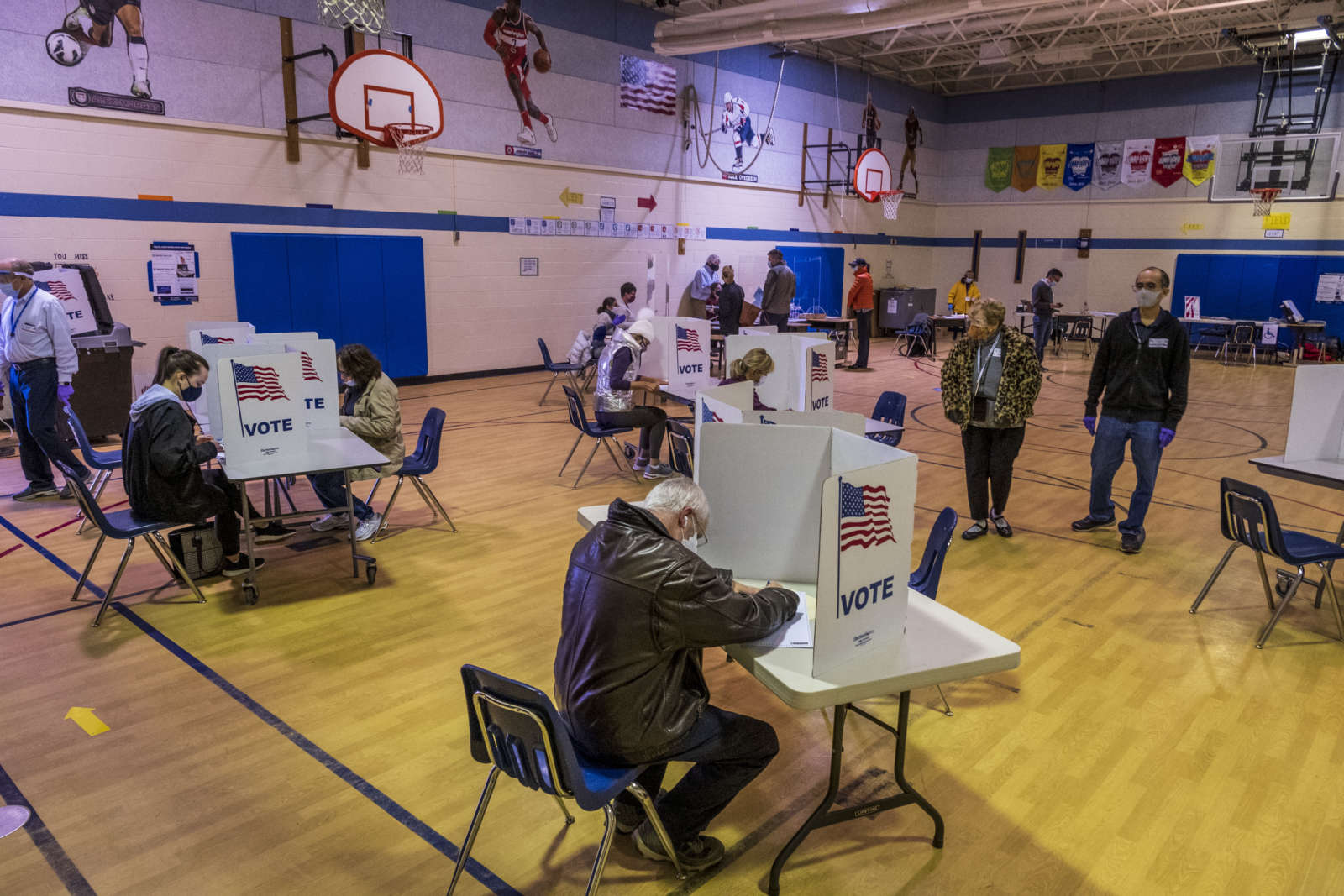
The Fairfax County Board of Supervisors praised election workers and volunteers yesterday (Tuesday) for their work on the 2020 general election, which presented local voters with new opportunities and unprecedented obstacles.
With voters turning out in record numbers, Fairfax County’s election staff had to adapt to the logistical challenges introduced by the COVID-19 pandemic on top of implementing a slew of new state laws to improve voting accessibility, including the introduction of no-excuse absentee voting and the elimination of photo identification requirements.
“There’s no doubt we had an amazing year,” Mount Vernon District Supervisor Dan Storck said. “[The election staff] came through with flying colors, and we definitely have to recognize that and appreciate that.”
While this year’s 79.4% turnout rate fell short of the 82.5% high mark set in 2016, the 605,023 ballots cast for the Nov. 3 general election were the most in Fairfax County history. There were also about 80,000 more active registered voters than in 2016 and only 25,667 inactive voters, compared to 64,041 in 2016.
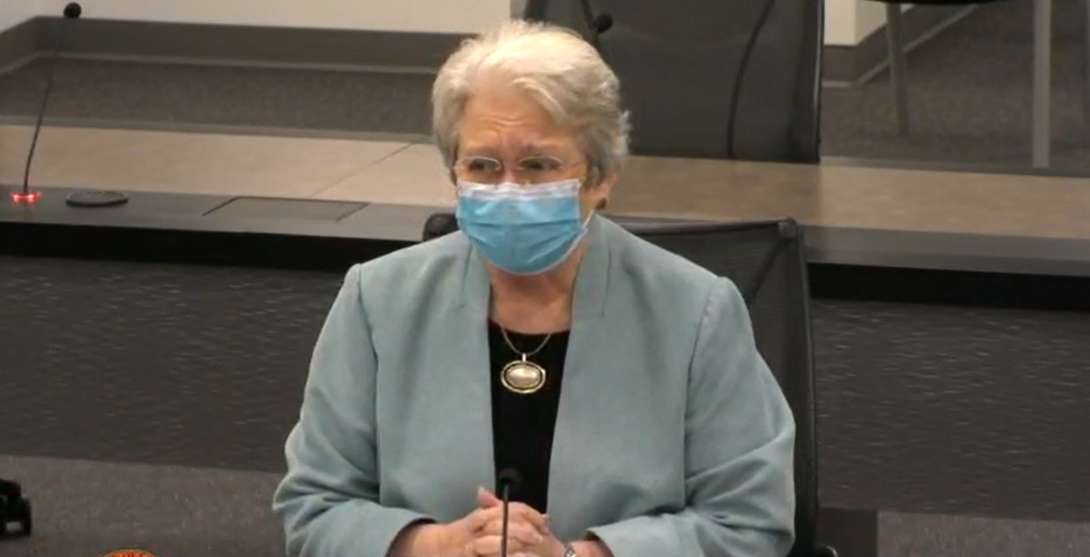
Fairfax County Electoral Board Secretary Katherine Hanley confirmed again in a presentation to the Board of Supervisors that absentee voting drove turnout this year, with only 186,253 people voting in person on Election Day, an even lower number than election officials predicted.
By contrast, there were 414,381 absentee votes. The county received 222,003 by-mail absentee ballots, including approximately 85,000 that were returned through a drop box, and 192,398 people voted in person before Election Day at one of 15 early voting locations.
Fairfax County also had 4,389 provisional ballots.
According to Hanley, the Fairfax County Office of Elections contacted 2,113 voters about small issues with their mail ballots. 1,315 of those voters fixed their ballots, a 63% cure rate.
One thing that surprised election officials was the 17,633 ballots that were either surrendered or goldenrod, meaning that it was never received, lost, or left at home by the voter.
“That’s a much bigger number than we thought there would be,” Hanley said.
Because COVID-19 both triggered and coincided with so many changes in Virginia’s election policies, it is difficult to tell whether 2020 was an anomaly or a harbinger of long-lasting shifts in voter behavior, Hanley says. Read More

Metro Seeks Public Input on Name Change for West Falls Church Station — “As of April 2020, The University of Virginia (UVA) no longer has a presence near West Falls Church. Accordingly, the Fairfax County Board of Supervisors is requesting that ‘UVA’ be removed from the station’s name in maps and signage.” [WMATA]
Fairfax County Prosecutors Charge Four Men in Burglary Ring — “Most of the suspects lived in New York, but police said they traveled to Virginia to carry out roughly 40 burglaries between October 2018 and February 2020 in homes in Oakton, Fair Oaks, McLean and other locations.” [Washington Post]
McLean Filmmaker Presents Short Film Inspired by McLean Bible Church Trip — “The Other Side seeks to raise awareness for Ethiopia’s abandoned children crisis through narrative film, and the team is currently seeking partners for the development of a feature-length version of the film.” [McLean Connection]
American Legion and Rotary Clubs Laud Service of Veterans in McLean — “The annual event, sponsored by American Legion Post 270 and the Rotary Clubs of McLean and Tysons Corner, began outside in the rain at McLean High School and ended in one of the school’s gymnasiums.” [Inside NOVA]
Staff Photo by Jay Westcott
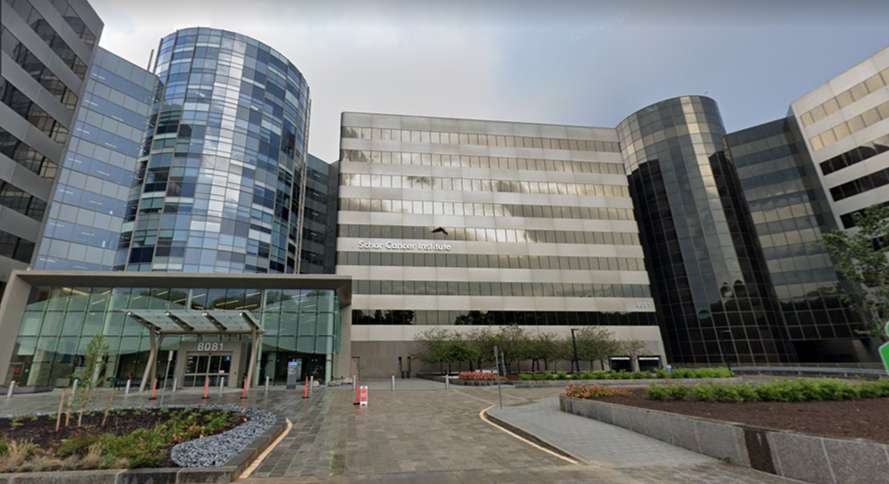
Inova Health System will open a new cancer screening and prevention center on its Center for Personalized Health campus in Merrifield, the nonprofit healthcare network announced on Nov. 10.
Expected to open in fall 2021, the new 24,000 square-foot cancer screening center will be an expansion of the Inova Schar Cancer Institute, which opened on Innovation Park Drive in May 2019.
The center is being supported by a $20 million donation from Paul and Linda Saville, Inova says.
Paul Saville is the president and CEO of the Reston-based home construction company NVR, Inc., whose founder and chairman, Dwight Schar, and his wife Martha donated $50 million to build the Schar Cancer Institute, according to the Washington Business Journal.
“We’ve all been impacted by cancer, and many of us know someone who has died from cancer due to a late diagnosis,” Paul Saville said. “We hope that many more people will have access to early detection and treatment and avoid serious disease.”
Inova says the new center made possible by the Savilles’ donation will be the first of its kind in Northern Virginia, which currently lacks a “comprehensive, multidisciplinary, organized cancer screening and prevention program.”
The center will provide screenings to detect breast, lung, prostate, bladder, pancreatic, colorectal, head and neck, skin, cervical, uterine, ovarian, and other cancers.
Preventative resources for patients who may be at high risk of developing cancer will include genetic testing, opportunities for clinical trials, and education on nutrition and exercise.
“The Savilles’ commitment to help us create a state-of-the-art early detection and prevention center is bringing us a giant step closer to becoming the leading cancer institute in our region,” Inova Health System President and CEO J. Stephen Jones said.
The U.S. Centers for Disease Control and Prevention currently list cancer as the second most frequent cause of death in the U.S. after heart disease, but that appears to be based on data from 2018.
According to Inova, cancer surpassed cardiovascular disease as the leading cause of death in America this year.
“By providing members of our community accessible, multidisciplinary screening and prevention services in a ‘one-stop-shop’ approach, we hope to cure more cancers by catching them early,” Schar Cancer Institute President John Deeken said. “And through programs such as smoking cessation, as well as dietary and exercise interventions, we hope to prevent more and more cancers in the years ahead.”
Photo via Google Maps
