

Fairfax County’s COVID-19 case levels remain well below the worst days of the pandemic, but their rapid rise over the past month is enough to set off alarm bells, threatening to bring a summer heralded as a return to normalcy to a more sobering end.
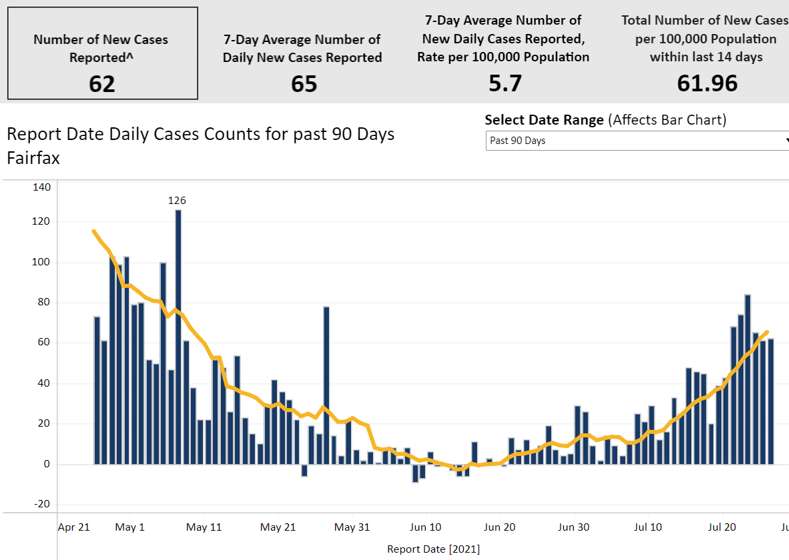
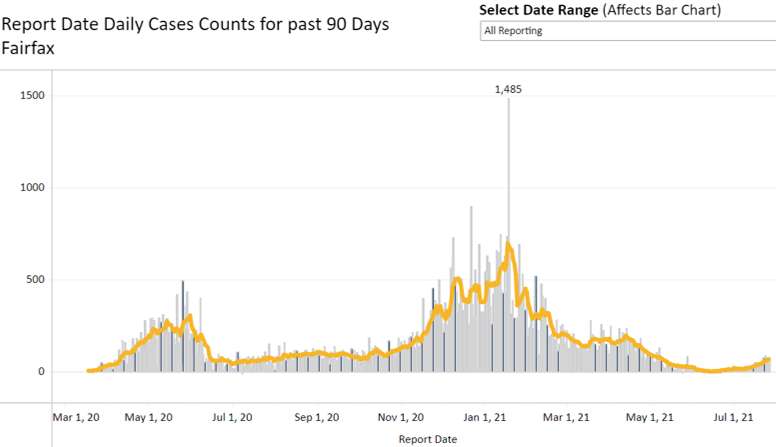
The Fairfax Health District, which encompasses the county and the cities of Fairfax and Falls Church, has added 457 new cases since this time last week, including 64 cases just today (Monday) and 84 cases on Friday (July 23) — the biggest single-day influx since 127 cases were reported on May 7. The district has now reported a total of 79,024 cases.
10 more people in the Fairfax Health District were hospitalized by the novel coronavirus over the past week, and one person died, bringing the respective totals up to 4,171 hospitalizations and 1,152 deaths.
According to the Virginia Department of Health, Fairfax County’s current seven-day average of 65.3 new cases is the highest it has been since May 9, when it was 67.7 cases. In comparison, the weekly average was hovering around zero as recently as June 20.
In addition, the district’s testing positivity rate has jumped from 0.8% on July 3 to 2.4% as of July 22.
The increased transmission of COVID-19 over the past month has been attributed to the growing presence of the delta variant — the most contagious version of the virus yet.
The Centers for Disease Control and Prevention estimates that 83.2% of COVID-19 cases in the U.S. now stem from the delta variant. While the Fairfax Health District has officially recorded just 20 delta cases, the CDC predicts that variant has made up an increasing share of cases in the mid-Atlantic region, from 45.3% during the two weeks ending on July 3 to 69.4% by July 17.
With more cases occurring overall, Virginia has seen more breakthrough infections over the past couple of weeks. On July 9, when VDH started reporting this data, 0.004% of fully vaccinated people had contracted COVID-19 in 2021. As of July 23, when the dashboard was last updated, there have 1,377 breakthrough cases in the state — 0.032% of fully vaccinated individuals.
However, unvaccinated individuals still make up 99.54% of COVID-19 cases and nearly all hospitalizations and deaths. 7,757 unvaccinated people have been hospitalized this year, compared to 114 people who were fully vaccinated, and 3,846 of the 3,884 people who have died were not fully vaccinated.
While some parts of the country have reinstated mask mandates in response to rising cases, Virginia has kept its focus on getting people vaccinated even as demand has slowed. The Commonwealth let its public health order requiring masks in schools expire yesterday (Sunday), instead leaving mask rules up to local school districts.
The Fairfax Health District has adminstered 1.4 million COVID-19 vaccine doses, delivering at least one shot to 752,842 residents, including 75.8% of people 18 and older. 63.6% of the district’s population has gotten at least one dose, outpacing Virginia as a whole, which has given at least one dose to just under 60% of the population.
683,428 Fairfax Health District residents are now fully vaccinated, which amounts to 69.2% of adults and 57.7% of the total population, according to the Fairfax County Health Department’s dashboard.
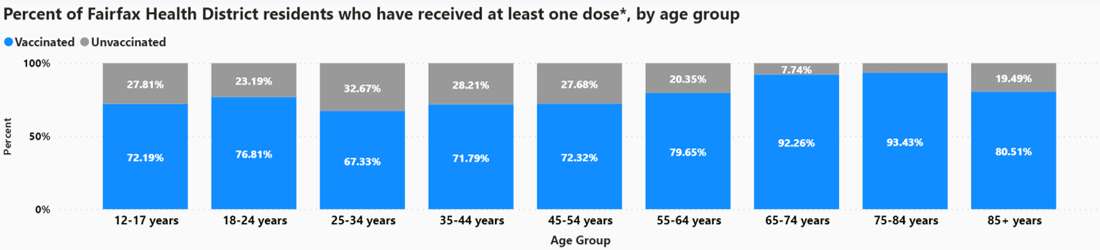
Interestingly, young adults between the ages of 25 and 34 are lagging behind in vaccinations. 67.3% of them have received at least one dose, whereas every other age group, including 12 to 17-year-olds, has a vaccination rate of at least 70%.
Photo via CDC on Unsplash
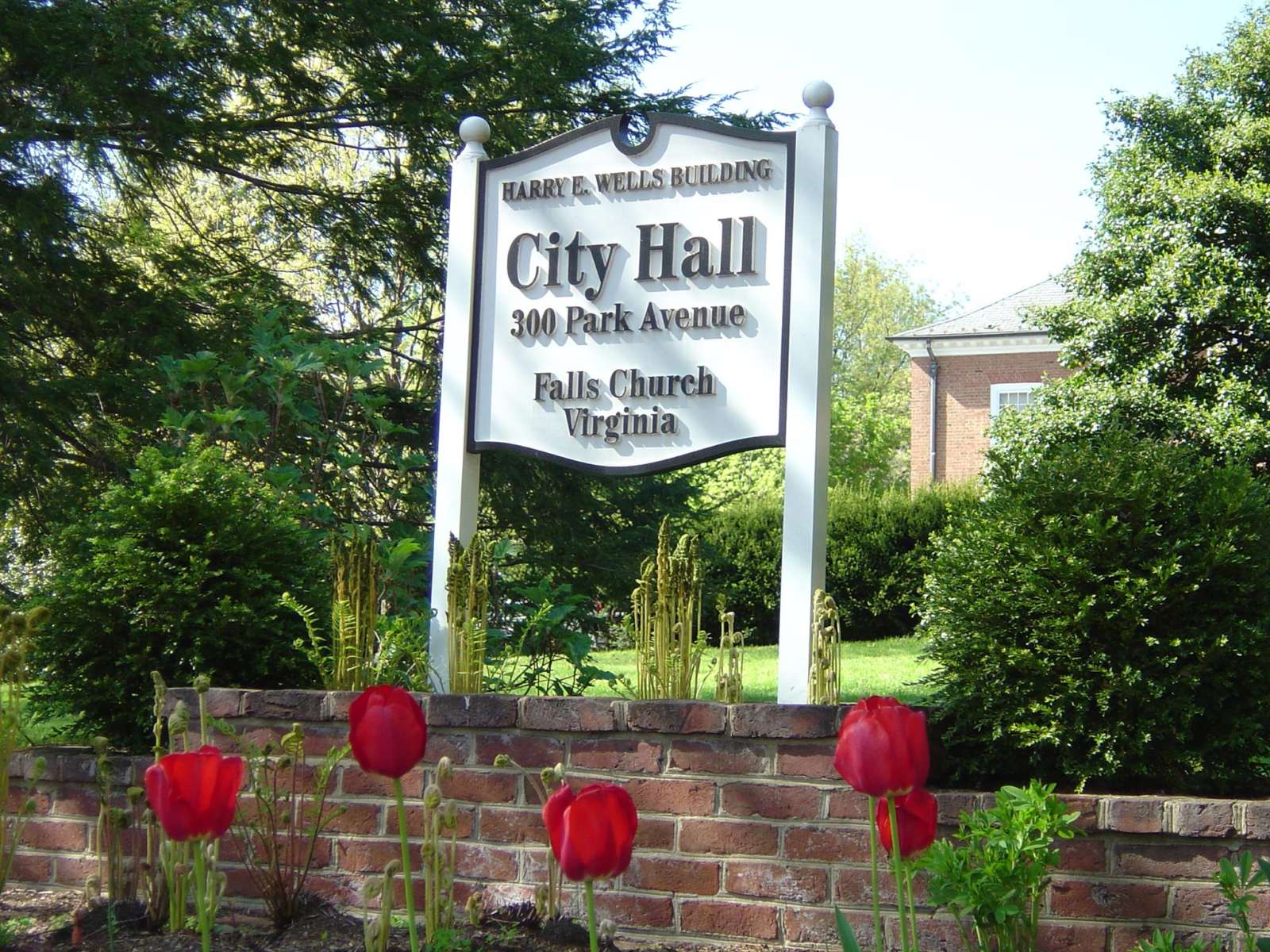
When it comes to municipal spending, $18 million in two years seems like pocket change, but for a smaller locality like the City of Falls Church, it represents a rare opportunity to address critical needs outside the constraints of a limited budget.
That’s how much money Falls Church has been allocated from the American Rescue Plan Act (ARPA), the COVID-19 relief package signed into law on March 11. The city received a first installment of $9 million in June and anticipates getting the other $9 million around this time next year.
Now, the Falls Church City Council must decide how to use the federal funding, which must be allotted by December 2024 and spent by December 2026, city staff told the council during a work session last Monday (July 19).
“Just in terms of engaging the public, this is a really important process for the city,” Falls Church City Manager Wyatt Shields said. “One of our goals is to act quickly on some immediate things that we need to put funding for, but also take a reasonable amount of time to think about the big picture and make sure we’ve considered all options before we start allocating big chunks of the dollars.”
The U.S. Treasury allows Coronavirus State and Local Fiscal Recovery Fund dollars from ARPA to be spent in four ways:
- To address the COVID-19 public health emergency and related economic fallout
- To give eligible public workers additional pay
- To replace lost revenue needed to provide government services
- To support water, sewer, and broadband infrastructure
In preliminary discussions before the work session, Falls Church City staff identified sewer infrastructure projects and public space improvements as top priorities based on their anticipated long-term impact and social equity considerations, according to a memo to the council.
Financing existing stormwater and sanitary sewer projects was easily the highest-scored option on staff’s list of funding priorities, followed by increasing broadband access for underserved populations and rebuilding the city’s property yard to accommodate an emergency operations center.
The proposed improvements to public spaces include upgrades at Berman Park, which is on the Fiscal Year 2022-2027 Capital Improvements Program for new play equipment, and a permanent stage for the barn in Cherry Hill Park. The list also suggests creating large outdoor classrooms with roofs and supporting dog parks, citing their mental health benefits.
Councilmember Letty Hardi suggested that the city consider how to add more public space in addition to improving existing spaces.
“If nothing else, we’ve learned from the public health crisis that being outdoors is good for everybody’s health, so it’s not just improving it, but how do we add spaces?” she said. “How do we add more green space to the city, and how do we use ARPA dollars to do that?”
She also expressed support for using federal relief money to help schools open full-time this fall, provide more one-on-one COVID-19 vaccination outreach, enhance childcare services, and enable businesses to operate permanent outdoor spaces. Read More
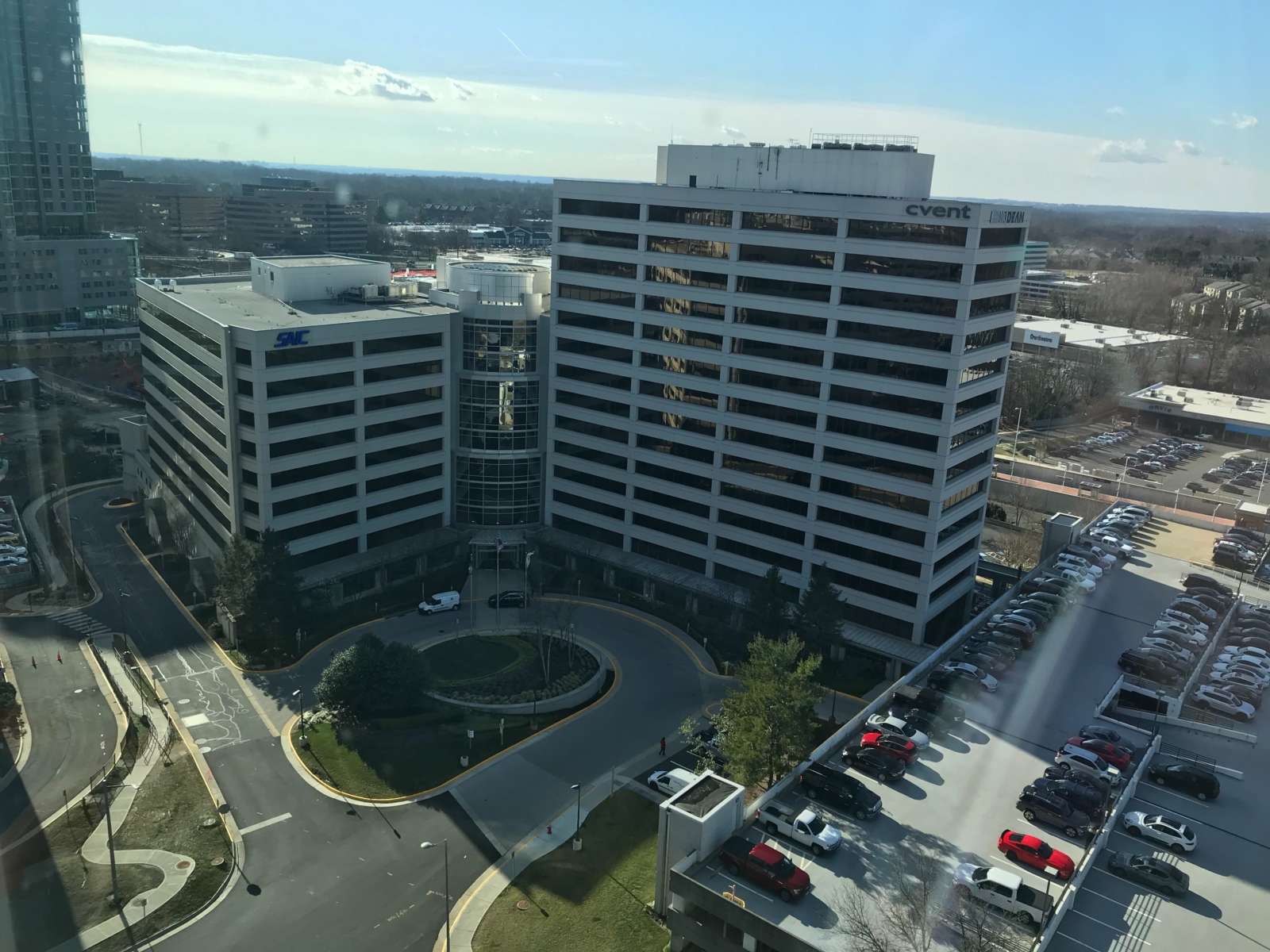
Tysons-headquartered Cvent, which provides business tools for customers to plan, market, and organize meetings and events, is headed back to the stock market.
The event-management tech company announced today (Friday) that it will merge with a blank check company for investors in a deal that’s set to close in the fourth quarter of 2021.
“We are thrilled to go public again because it provides significant financial resources to further strengthen our business and accelerate investments across our platform and related services,” CEO and founder Reggie Aggarwal said in a letter posted on Cvent’s website.
Unlike its initial public offering on the New York State Exchange in 2013, Cvent will make use of the less rigorous and in-vogue process of a special-purpose acquisition company (SPAC) called Dragoneer Growth Opportunities Corp. II, affiliated with a San Francisco-based investment firm.
The deal values Cvent at $5.3 billion and could give the company over $800 million in cash, which can be used to reduce debt.
Cvent’s plans to go public were first reported on Wednesday (July 21) by the Wall Street Journal, though a spokesperson then described the news as “WSJ speculation” when asked for comment by Tysons Reporter.
After Cvent initially went public, Vista Equity Partner, an investment firm based in Austin, Texas, acquired it for $1.65 billion in 2016.
The decision comes after a difficult year for Cvent and the event management industry as a whole.
Schools, governments, and businesses largely moved to virtual environments when COVID-19 swept the U.S. in March 2020. At the time, Cvent didn’t have a virtual event platform, but it developed one in five months as it assisted customers in managing tens of thousands of virtual events.
“The meetings and events industry has experienced rapid digital transformation over the last 18 months, with the pandemic creating a new paradigm for the events industry,” Aggarwal said in a statement. “Events became digitized through virtual and online experiences, and we invested heavily in expanding our virtual event capabilities.”
Dragoneer founder and managing partner Marc Stad said in a statement that with much of the U.S. reopening, they expect to move into a “hybrid world that combines elements of in-person and virtual events.”
Aggarwal founded Cvent in 1999 after organizing dozens of events each year with a nonprofit he started while working fulltime as a corporate lawyer. He found difficulties with only having Microsoft Outlook for email, Excel, and yellow sticky notes as tools, so he created the company to ease the event process with technology.
The company has its headquarters in Boro Station at 1765 Greensboro Station Place.
According to a presentation, Cvent currently has roughly 23,000 customers and is forecasting over half a billion dollars in revenue for 2021.
“Now, we are engaging in a hybrid world, as in-person events resume, and virtual events remain prominent,” Aggarwal said. “With the increased digitization of our industry, events are ‘always on’ and have fewer boundaries.”
The tech company has around 4,000 employees across U.S. locations and around the globe. It also provides hotels with software and marketing services for making the most of their meetings and events business.
The Cvent and Dragoneer boards of directors have both approved the proposed business combination, but it’s subject to approval by Dragoneer’s shareholders too, among other factors.
Cvent said that upon closing of the deal, the combined company will operate as Cvent Holding Corp. and is expected to trade under its old ticker symbol “CVT.”
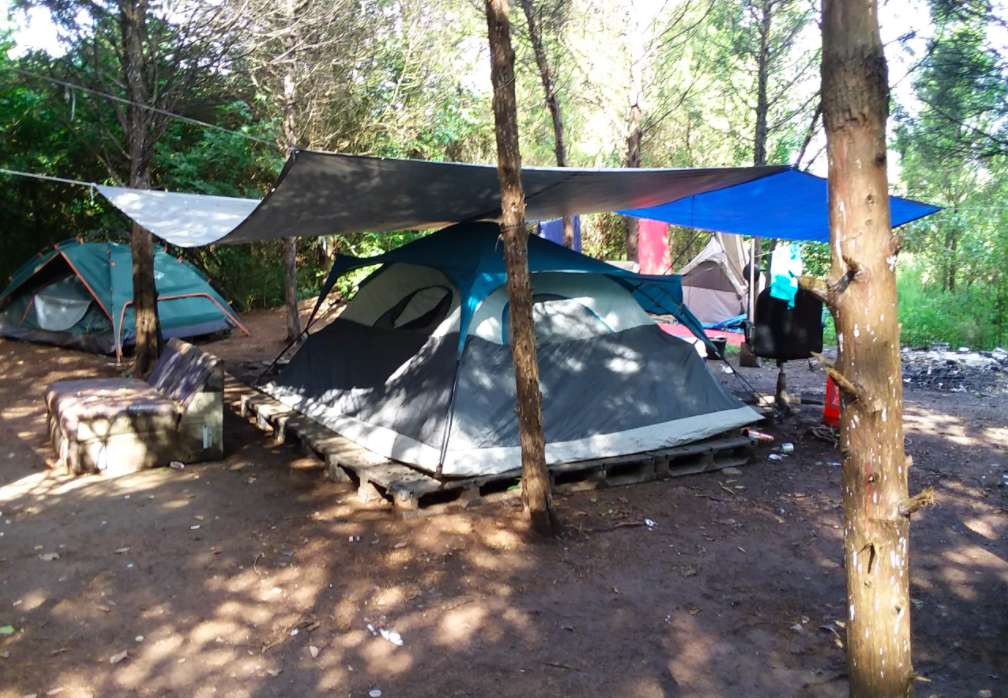
Thanks to federal relief funding, Fairfax County is getting an infusion of emergency housing voucher money to help people who are at risk of homelessness or fleeing from domestic violence and others in need.
The American Rescue Plan Act signed into law in March is providing $10 billion to address homelessness, including 70,000 vouchers to local housing authorities, including Fairfax County.
The county will partner with community groups to provide the housing assistance, which could last 10 years — the length of the program — for each recipient.
“We are very grateful to receive these Emergency Housing Vouchers to serve many of our most vulnerable residents and neighbors and help them achieve safe and stable housing,” Fairfax County Redevelopment and Housing Authority Chair C. Melissa McKenna, who serves as the Dranesville District commissioner, said in a statement.
The Fairfax County Redevelopment and Housing Authority approved a county framework last Thursday (July 15) to receive the money, which involves 169 vouchers that will be made available in coming weeks.
Recipients will need to be referred to the program by county case managers or other service points, such as homeless services, Coordinated Services Planning (703-222-0880), or the Domestic and Sexual Violence 24-Hour Hotline (703-360-7273).
Money will go to landlords, and recipients will be required to pay 30% of their income toward rent and utilities.
The emergency housing vouchers can cover a variety of costs, including security deposits, moving expenses, and essential household items such as bedding and tableware.
Even outside the vouchers, ARPA has dedicated billions of dollars to addressing housing issues, as people have struggled to pay rent amid statewide shutdowns last year and uncertain employment due to the COVID-19 pandemic.
The need to provide housing assistance is expected to become especially urgent in the coming months after the Centers for Disease Control and Prevention’s eviction moratorium expires on July 31.
“The [assistance is] designed to prevent and respond to [the] coronavirus by facilitation the leasing of the [emergency housing vouchers], which will provide vulnerable individuals and families a much safer housing environment to minimize the risk of coronavirus exposure or spread,” Dominique Blom, a general deputy assistant secretary with the Housing and Urban Development Department, said in a May memo describing the funding.
Vaccinations have helped bring the virus under control, but cases have been rising in Virginia and the U.S. amid the spread of the highly contagious delta variant, which is now the source of 83% of all new COVID-19 cases, according to CDC estimates.
“Individuals and families who are homeless or at-risk of homelessness are often living in conditions that significantly increase the risk of exposure to coronavirus in addition to other health risks,” Blom said in the memo.
Eligibility for the vouchers is limited to individuals and families who are experiencing homelessness, at risk of homelessness, or were recently homeless and “for whom providing rental assistance will prevent the family’s homelessness or having high risk of housing instability.”
People fleeing — or attempting to flee — domestic violence, dating violence, sexual assault, stalking, or human trafficking are also eligible for the vouchers.
“These vouchers — in addition to the existing programs and services offered through a robust partnership — offer yet another valuable resource to help position individuals and families on a reliable foundation from which they can achieve their fullest potential,” McKenna said in her statement.
During the first year of the pandemic, homelessness decreased throughout the D.C. region except in Fairfax County, which saw a 17% increase from 1,041 people in 2020 to 1,222 in 2021, and Prince George’s County, which had a 19% increase, according to a Metropolitan Washington Council of Governments report.
Fairfax County has attributed the increase to expanded services supported by COVID-19 relief funding.
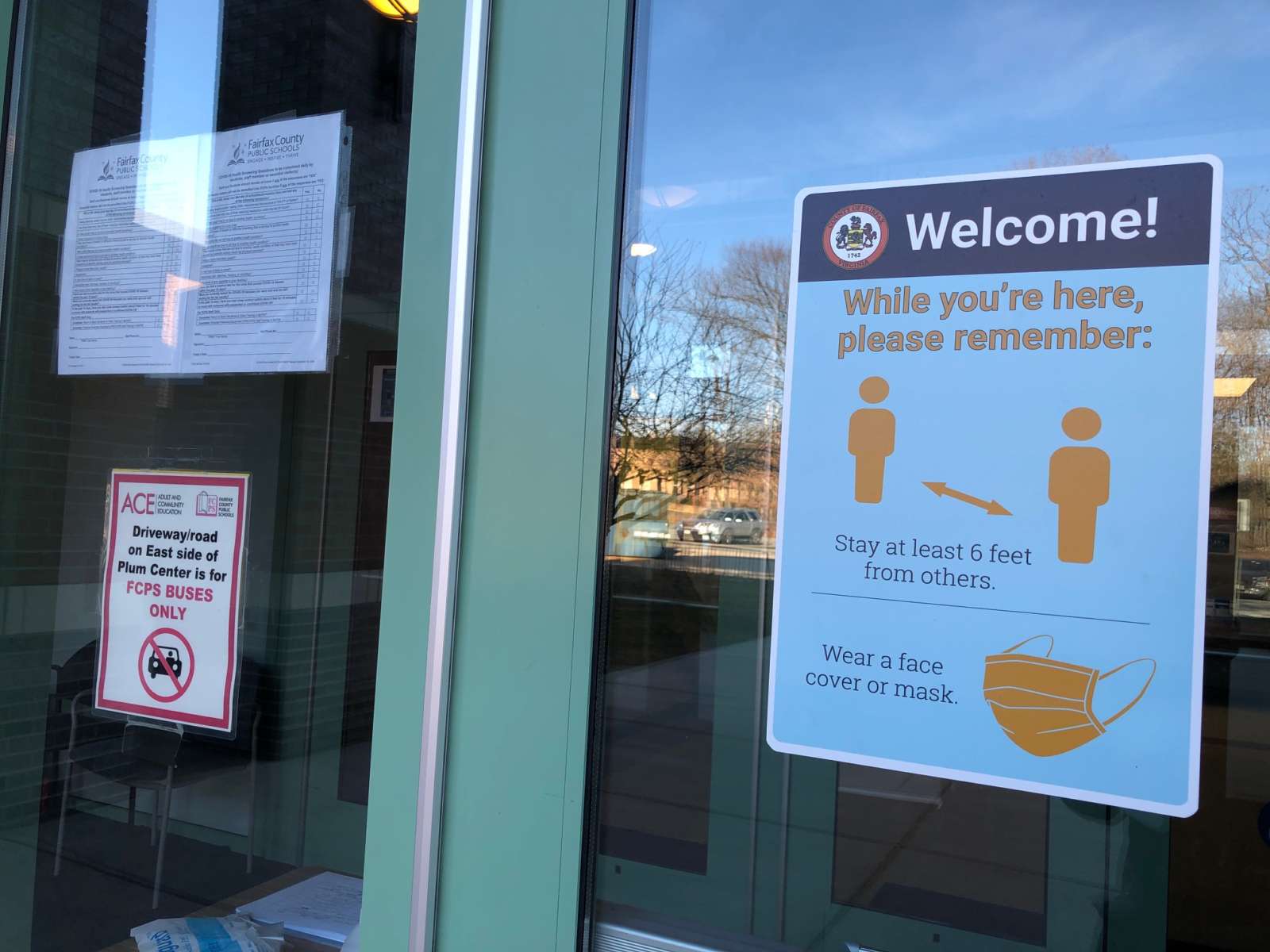
Months after Virginia started lifting its mask restrictions, the once-ubiquitous face masks that were a defining symbol of the COVID-19 pandemic have started becoming more scarce. But with the delta variant starting to cause a COVID-19 resurgence, some are saying masks in public should make a comeback, even for people who have been fully vaccinated.
The delta variant now accounts for 83% of new COVID-19 cases reported in the U.S., the Centers for Disease Control and Prevention estimated earlier this week. The delta variant is more contagious than other strands of COVID-19 and could potentially have more severe symptoms.
In official channels, mask requirements have continued to ease up. The Commonwealth is set to let a statewide mandate on indoor mask wearing in schools expire on Sunday (July 25), though the state guidance remains that teachers, students and staff should still wear their masks indoors.
While the virus now appears to be almost exclusively spreading among unvaccinated people, some fully vaccinated people have continued wearing masks for a variety of reasons, from a desire to fend off other illnesses or to protect young children and other people unable to get a vaccine to concern about being judged.
Have you stayed in the habit of wearing a face mask, or does it depend on the setting?
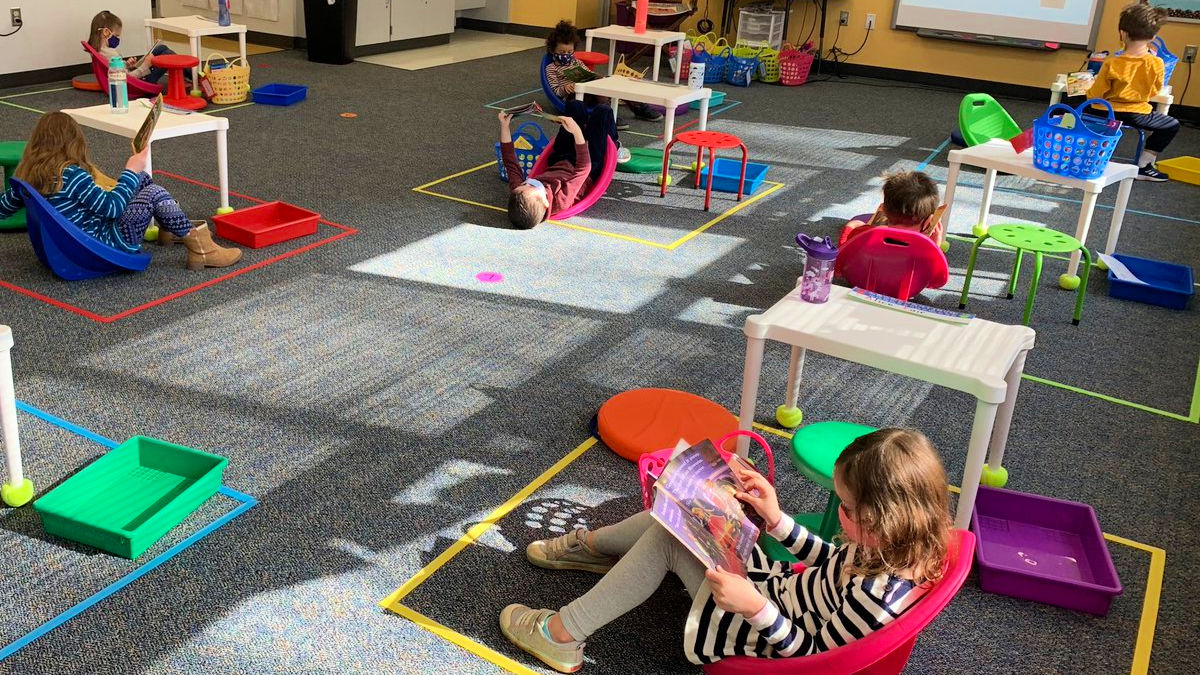
Virginia school districts will make their own rules regarding masking requirements for the upcoming school year, the state’s education and health departments announced today (Wednesday).
The Commonwealth will let a public health order that’s in effect until Sunday (July 25) expire, thereby ending a statewide mandate that kids over age 5 wear masks indoors at public and private schools and putting decisions in the hands of local officials.
“The science is clear that vaccinations and masks help keep our communities safe from COVID-19,” Secretary of Health and Human Resources Dr. Daniel Carey said in a statement. “The Commonwealth’s children and the individuals that help them learn will be protected by proven strategies, without a one-size-fits-all approach.”
Fairfax County Public Schools currently requires masks to be worn indoors for students, staff, and visitors when school is in session “until more students aged 12 and older are fully vaccinated and until younger students become eligible for vaccination.”
“We are reviewing the guidance and reaching out to hear from our community, and will share a plan early next week with staff and families,” FCPS spokesperson Julie Moult said in a statement.
Virginia’s new guidance says elementary schools should require students, teachers, and staff to wear masks indoors, regardless of vaccination status, until vaccines are available for young children. For middle and high schools, it recommends that students, teachers, and staff who are not fully vaccinated be required to wear masks indoors.
State officials said the change will allow districts to make their own decisions and the switch reflects changes by the Centers for Disease Control and Prevention, which loosened its guidance earlier this month and advised that masks should be worn indoors by all individuals age 2 and older who are not fully vaccinated.
The American Academy of Pediatrics, by contrast, recommends that, unless they are unable to do so due to medical or developmental challenges, all school staff and students over the age of 2 should wear masks at school, even if they’re vaccinated.
The changes come as daily COVID-19 cases have increased in Virginia and the U.S., and the especially contagious delta variant now represents 83% of new coronavirus cases in the U.S., according to a CDC estimate.
Over 70% of students ages 12 to 17 in Fairfax County have been vaccinated. COVID-19 vaccines for those under the age of 12 are not yet authorized but currently undergoing trials.
The CDC has said that most students, including those with disabilities, can tolerate and safely wear a mask, but a “narrow subset of students with disabilities” may be unable to do so and should not be required to wear one.
Fairfax County could send over $24.4 million in federal money to small businesses recovering from the COVID-19 pandemic through its PIVOT grant program.
The money, which doesn’t have to be repaid, is intended to help economic recovery efforts. After an application period ran from June 23 to July 9, county officials gave updates on the program to the Fairfax County Board of Supervisors during an economic initiatives committee meeting this morning (Tuesday), stressing the timing and scope of the support.
“Our retail services and amusements businesses really did need this funding,” said Theresa Benincasa, economic mobility manager with the county’s Department of Economic Initiatives. “They stepped up and requested it in large numbers.”
Nearly 1,600 applicants for Fairfax County’s small business PIVOT grant program are eligible to get the money based on an initial eligibility check, while 921 applicants are ineligible, county staff reported.
During the meeting, Board of Supervisors Chairman Jeff McKay asked if the county had flexibility on an eligibility requirement that a business have a commercial storefront. He said two businesses approached him about the issue, one of which was a catering business tied to a closed office building.
Benincasa said officials could work with him on that issue.
Most of the applicants that were ineligible didn’t meet the threshold for economic injury. Over 300 didn’t have a commercial storefront, and nearly 200 secured a Small Business Administration Restaurant Revitalization Fund grant, which provided $283,000 on average, according to the county.
Recipients had to have at least a 15% loss in annual revenue. Eligible applicants averaged a 46% reduction in revenue and 25% reduction in employees, according to county data.
Benincasa noted that applications are still moving through a three-step process to obtain the money. The first step involved using a web portal to determine initial eligibility, and the remaining steps could last from August to November.
The grants are being funded with $25 million that the county received from the American Rescue Plan Act. If demand surpassed that threshold, the county had prepared to prioritize funding to hotels and then create a lottery system for other applicants, but because it didn’t, that randomization element will be scrapped, the county said Tuesday.
The breakdown of awards is projected to be the following:
- $14.1 million to 1,178 applicants with an average of four employees in the areas of retail, services, and amusements
- $5.4 million to 309 applicants with an average of eight employees in the food service sector
- Nearly $4.5 million to 61 applicants with an average of 25 employees in the lodging sector
- $415,000 to 49 applicants with an average of four employees in the areas of arts organizations, museums, and historical sites.
The awards range from $1,500 to $18,000 per business, which all had to have 500 employees or fewer.
Hotels could receive $400 per room if they had 10 rooms or more. In January, the American Hotel and Lodging Association released a report on the “sharp and sustained” drop in travel due to COVID-19 in 2020 and projected that the travel industry won’t fully recover until 2024.
Benincasa said that most of the hotels in the county are getting PIVOT money, but that didn’t include all of them, possibly because of the 500-employee cap.
“The need is immediate,” said Dranesville District Supervisor John Foust, who chairs the economic initiatives committee, noting the county’s work isn’t finished in helping small businesses.
Photo via Machvee/Flickr
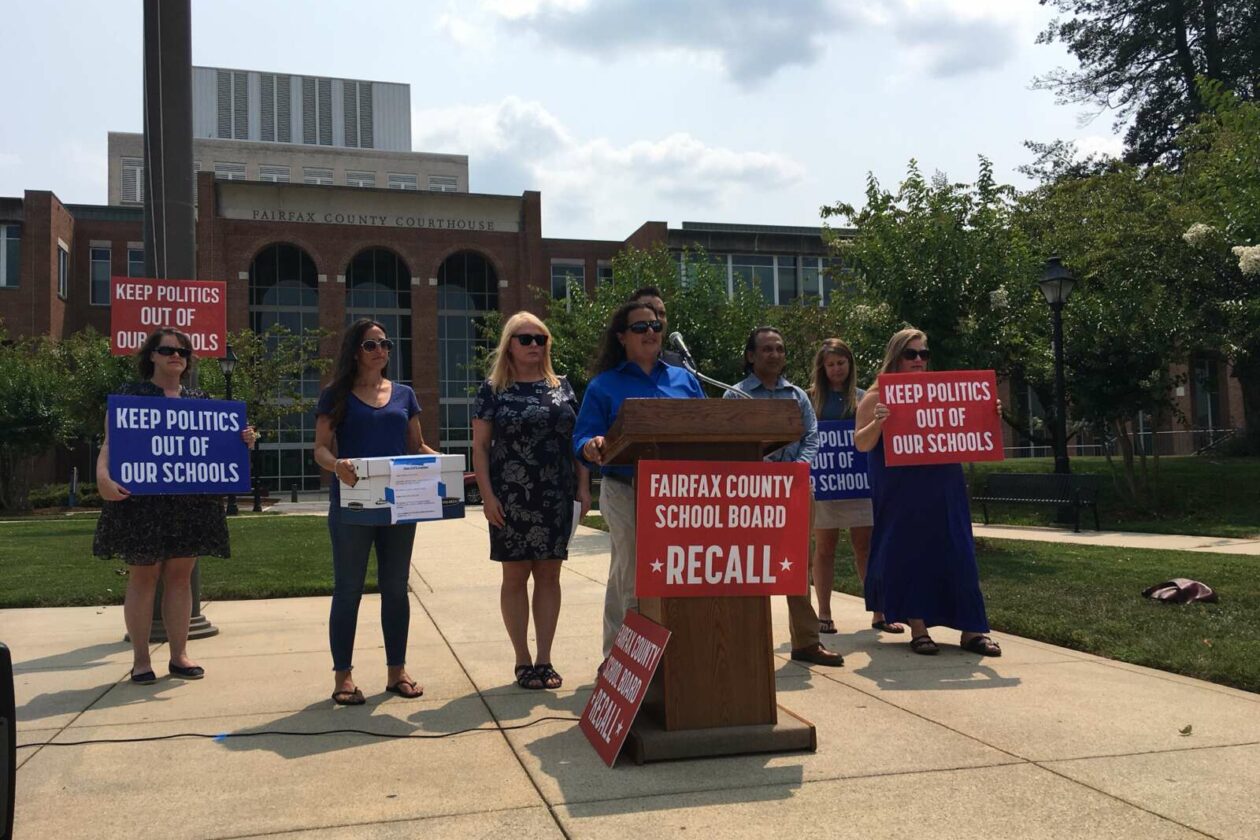
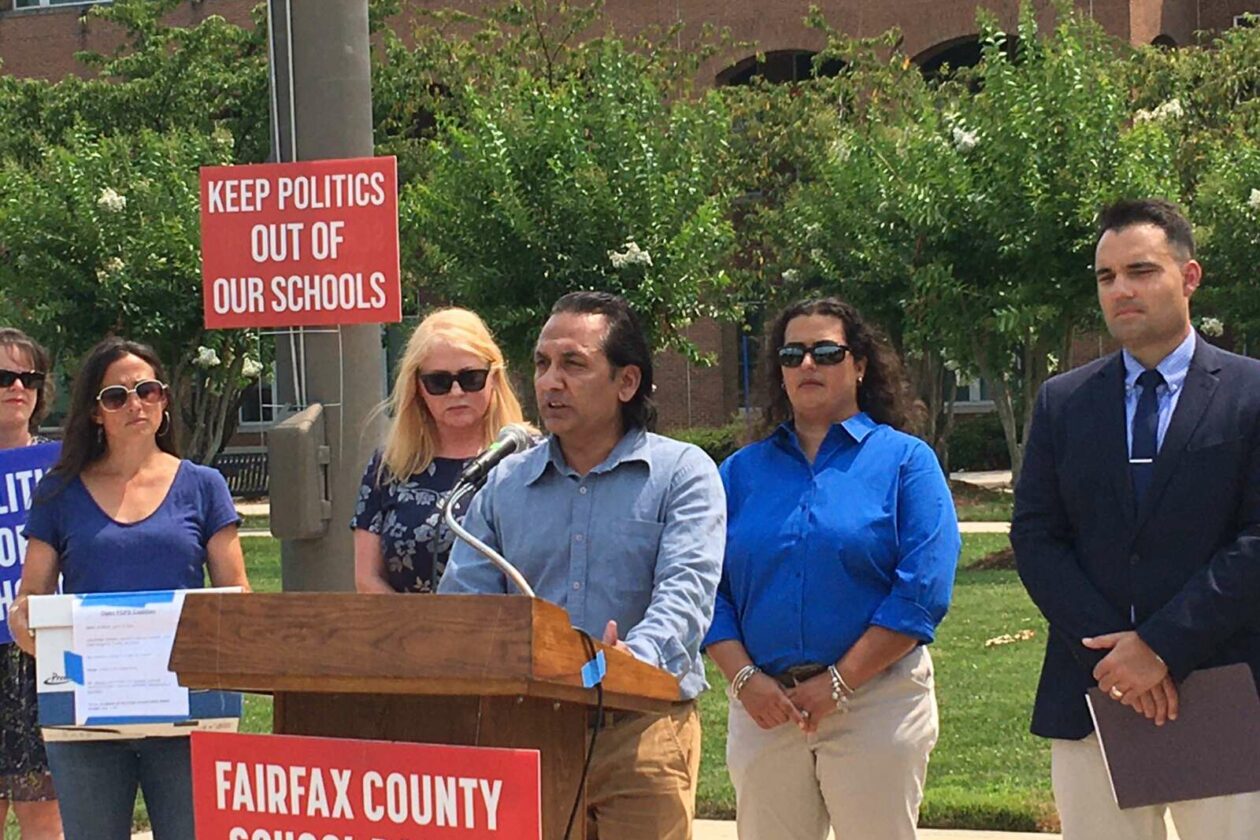
A group of parents submitted over 5,000 signatures yesterday (Monday) to the Fairfax County Clerk of Court in a petition to recall Fairfax County School Board member Elaine Tholen, who represents the Dranesville District, over school closings during the COVID-19 pandemic.
The Open FCPS Coalition formed in the fall to protest Fairfax County Public Schools going virtual during the pandemic and has been campaigning to recall Tholen and two other school board members, Member-at-Large Abrar Omeish and Springfield District Representative Laura Jane Cohen.
“I look forward to continuing to earn my constituents’ trust and support as we prepare to welcome all students in person five days per week,” Tholen said in a statement. “As a former classroom educator and now a school board member, I have always worked for my students’ well-being and to help them reach their utmost potential. I will continue to put our students’ best interests first.”
Recall supporters have a different perspective.
The petitions that citizens signed argue that, in supporting an all-virtual start to the most recent school year, the school board was not acting in children’s best interests. The petitions also allege the school board violated state and local laws and regulations guaranteeing students with disabilities a free, appropriate education.
“Just how far behind are our students? How will these deficits be met?” Zia Tompkins, a coalition board member and former school board candidate, said, raising questions about staffing and other issues. “Parents have been left in the dark about these issues and…as such have real doubts as to whether the Fairfax County school system is even serious about opening full-time in-person for the fall.”
The group met outside the Fairfax County Courthouse before a dozen supporters and leaders went inside to deliver the signatures.
While the Open FCPS Coalition describes itself as a grassroots, bipartisan group concerned with keeping politics out of schools, its largest funding contributions have come from former Republican gubernatorial candidate Pete Snyder and N2 America, a nonprofit dedicated to advancing center-right policies in the suburbs.
The coalition’s largest expenditure has been for signature collection services from a center-right door-to-door voter contact firm, Blitz Canvassing LLC, according to the Virginia Public Access Project.
The group hopes a judge will review the signatures as part of a trial that could ultimately lead to Tholen being removed from her position.
Open FCPS Coalition says only one school board member, Megan McLaughlin, advocated for reopening in a way it felt was consistent and a priority. But only three school board members were chosen for recall efforts because of the group’s limited resources.
Coalition board member Nellie Rhodes said Monday that work to recall Cohen and Omeish continues.
The coalition’s website says it has over two-thirds of the 4,000 signatures needed to recall Cohen, which if obtained, would represent over 10% of the total number of people who voted in her election — the threshold required for a recall to be considered in Virginia.
After shifting entirely to virtual learning on March 13, 2020, FCPS began phasing in some in-person learning in October, but the process was put on hold when COVID-19 cases started to surge around Thanksgiving.
Students began 2021 in remote settings before the school board approved the return of a hybrid model — where students could opt for two days of in-person classes or to remain all-virtual — starting on Feb. 16. FCPS expanded its in-person offerings to four days for some students in April.
Open FCPS Coalition board member and Vienna resident Hemang Nagar says he ended up taking his daughter, who is on the autism spectrum, out of school in the fall because of the distress virtual classes caused her. He said she used to love school but would cry whenever he opened the computer.
“Virtual learning was an utter disaster for her and so many like her,” he said.
His daughter, who is now 10, returned to her elementary school when in-person classes restarted in February.
“They pretend to care but never put their words into action that does any good for any students,” Nagar said of the school board members that the coalition is targeting for recalls.
FCPS plans to resume a five-day in-person week for students this fall.
If there were any doubts that the novel coronavirus is experiencing a resurgence in Fairfax County, the past week put those to rest.
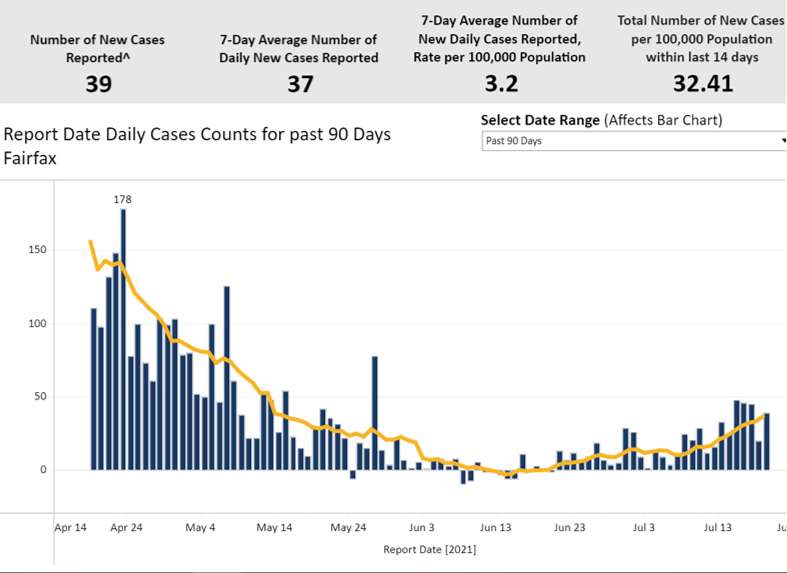
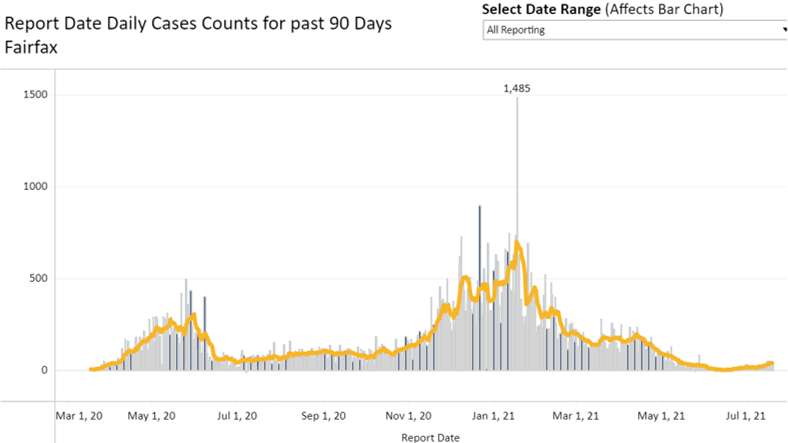
With an additional 39 cases reported today (Monday), the county is now averaging 36.6 COVID-19 cases per day for the past week — the highest since May 15, when the seven-day average was 37.4 cases, according to Virginia Department of Health data.
The 48 cases recorded last Thursday (July 15) were the most in a single day since May 27, but the 78 cases that came in that day were an anomaly, whereas this appears to be part of a gradual increase in transmission after a month-long lull in June.
The Fairfax Health District, which also includes the cities of Fairfax and Falls Church, has now reported 78,567 COVID-19 cases over the course of the pandemic. 4,161 people have been hospitalized, and four more people have died from the virus since last Monday (July 12), bringing the death toll up to 1,151 people.
Fairfax County is hardly alone in seeing a rise in COVID-19 levels.
Virginia as a whole has gone from a weekly average of 129 cases on June 20 — its lowest since the initial days of the pandemic in March 2020 — to a weekly average of 376 cases today. Nationwide, community transmission remains substantial, particularly across the South, lower Midwest, and Mountain West, according to the U.S. Centers for Disease Control and Prevention.
Dr. Benjamin Schwartz, director of Epidemiology and Population Health with the Fairfax County Health Department, says the more infectious delta variant “is likely a major contributor” to the county’s recent increase in COVID-19 cases.
As of Friday (July 16), the Fairfax Health District has confirmed 13 infections stemming from the delta variant, which hasn’t become as prevalent in Virginia as it is elsewhere in the U.S. In some areas around the country, that variant accounts for more than 70% of new cases.
However, infectious disease experts with Virginia Commonwealth University say “it’s not a matter of if but when” the delta variant will become widespread here.
“The key messages are, we can’t let down our guard, and everyone who isn’t vaccinated should be vaccinated as soon as possible,” Drs. Gonzalo Bearman and Michael Stevens said in a VCU Health news release.
As with the rest of the country, COVID-19 appears to now be mostly spreading in Fairfax County among people who have not been vaccinated. According to the VDH’s dashboard, which is updated every Friday, 99% of the cases, hospitalizations, and deaths recorded in Northern Virginia since Jan. 1, 2021 have involved people who were not fully vaccinated.
“While we can’t predict future case numbers, we do know that the delta variant increases the risk of infection for people who are not vaccinated,” Schwartz said in a statement. “Vaccination is the most important step someone can take to not only reduce their chance of being infected with the delta variant but also protect others in their family and community.”
While demand has started to level out in recent weeks, the Fairfax Health District has administered 1.3 million COVID-19 vaccine doses to 759,473 residents, including 76.2% of all adults. 64.2% of the district’s overall population has received at least one dose.
664,007 residents are now fully vaccinated, which amounts to 67.7% of adults and 56.1% of the total population.
“While we have done well — vaccinating about 3 of every 4 adults in the county — we need to do even better vaccinating people 12 years and older if we are to stop the increase in infections,” Schwartz said.
He encourages people who remain hesitant about getting vaccinated to consult their health care provider or the Fairfax County Health Department, which has a call center at 703-324-7404, to discuss their concerns.
“People for whom getting vaccinated just hasn’t been a priority should be aware of the increase in infections as added motivation to get protected,” Schwartz said. “With over 300 sites in Fairfax County providing vaccinations, many accepting walk-ins, vaccination never has been easier.”
Photo via CDC on Unsplash
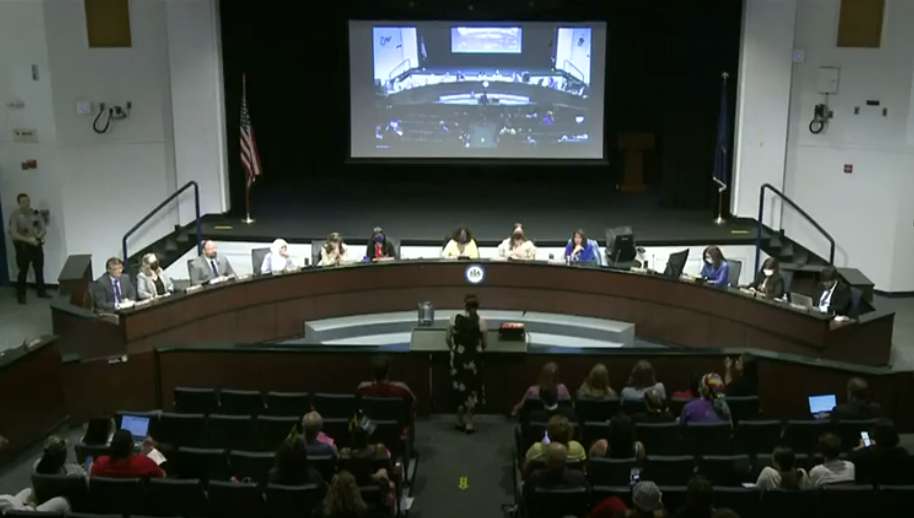
The Fairfax County School Board approved a framework yesterday (Thursday) to seek federal COVID-19 money, with the stipulation that it gets increased oversight and input on how the money will be spent.
The roughly $189 million plan would start with the upcoming school year and extend to June 2024. It is intended to help Fairfax County Public Schools respond to issues stemming from the pandemic.
“While we did have a public hearing about where people would like us to target our monies, we have not had the opportunity to get the greater details from the superintendent and his team,” Braddock District Representative Megan McLaughlin said.
The school board thanked district administrators for developing the Elementary and Secondary School Emergency Relief (ESSER) framework after learning about the incoming funds in May, but several board officials questioned whether the proposal was sufficiently detailed and provided enough accountability.
“The ESSER funds are unlike other funding by the federal government in that it has a requirement to have extensive community input and outreach,” Mount Vernon District Representative Karen Corbett-Sanders said.
The ESSER III money will support school operations, cover increased workloads for Individualized Education Program (IEP) staff, aid academic interventions, address students’ social and emotional needs, help with translation services for students, and more.
The largest costs, as identified by district staff so far, would involve:
- $54.9 million for academic intervention
- $46.2 million for special education teacher contracts
- $23.3 million for social and emotional learning needs
- Nearly $20.2 million for summer 2022 learning
- Nearly $14 million for afterschool programming and transportation
According to an FCPS presentation about the program, the ESSER money should address the impacts of the pandemic especially for students who have been disproportionately affected, and at least 20% must be used to address learning loss, among other rules.
The money will come through the Virginia Department of Education from the American Rescue Plan Act that was passed by Congress and signed into law in March.
Corbett-Sanders said FCPS faces an Aug. 1 deadline for submitting a general framework to the state before giving a more specific plan for how it will spend the funds by Sept. 1.
“Rather than just greenlighting, ‘They’re giving us $188.6 million, we’re going to put it in a line item list,’ we felt that it was important to have a little bit more comprehensive planning around the ESSER funds grant,” Corbett-Sanders said.
With the board’s initial approval, Superintendent Scott Brabrand will present an official ESSER III plan prior to the board’s Aug. 26 business meeting. He will present more detailed information, including targeted goals, operational timelines, and accountability metrics in a September work session.
The board’s motion also stipulated that state-filed amendments to the plan that reach $100,000 or more must be authorized by the board.