


Have thoughts about Tysons Reporter’s coverage of Tysons, McLean, Vienna, Falls Church and Merrifield? Want to share your opinions about local issues?
Tysons Reporter welcomes letters to the editors and op-eds of specific interest to the communities in our coverage area.
The key difference is that an op-ed can be an opinion piece about a local issue, while a letter to the editor responds directly to a Tysons Reporter story.
Please email it to [email protected]. You are also welcome to contact us with your idea for feedback before submitting it.
While there is no word limit, we suggest under 1,000 words. Contributions may be edited for length, content and style/grammar.
Tysons Reporter does not publish op-eds relating to a specific candidate running for political office — either from the candidate’s team or opponents.

After being inspired by a project from a Seattle-based production company called Wondercamp, Tysons Reporter wants to create a video project highlighting hope and humanity during the COVID-19 pandemic — and we need your help.
Tysons Reporter is looking for video submissions of verbal “love letters” to neighbors around the Tysons area.
The point of this project is to learn how locals are keeping their spirits up and what people appreciate about life and community, even in hard times.
Submissions should be narrated like someone is reading a letter to someone they are about. An example can be found here.
Participants in Tysons, McLean, Falls Church, Merrifield and Vienna should send in videos of themselves and family members answering prompts (which can be found below) and also clips showing off a fun skill or hobby that has been keeping them occupied while staying inside, like gardening, baking, family fun, sing-alongs or playing with pets.
First responders, healthcare workers and other essential workers are also encouraged to send in videos talking about what gives them hope for a brighter future.
Answers to prompts should flow together and be applicable to a larger audience.
Please send all video submissions to our staff reporter Ashley Hopko at [email protected] before next Monday (May 4).
Prompts include:
- How has your community given you hope during this challenging time?
- Have you seen any acts of kindness lately?
- How has the pandemic helped you to reevaluate your priorities?
- What do you wish for your community and friends during this time?
- How have you helped your community in this time of crisis?
Videography Tips
- Smartphones are okay
- Speak clearly and at a steady pace
- Make sure your environment is well-lit with natural light (outside or near a window)
- Ensure you are in a quiet space
- Try to use a makeshift tripod to ensure shake-free shots
- Do a sound check before sending in your video. If you can’t hear yourself clearly, we can’t hear you either
- Avoid profanity or adult themes. This is an inclusive project for all ages
Photo via Kelly Sikkema/Unsplash
Tysons Reporter reports local news for Tysons, McLean, Vienna, Falls Church and Merrifield.
Thank you to everyone who has liked, followed and bookmarked us.
Unfortunately, for those who only get our stories via social media, you’re missing out. Algorithms decide what you see on platforms like Facebook and Twitter, and oftentimes that means important local stories don’t make it to your feed.
So how can you make sure you’re seeing all Tysons Reporter headlines? Sign up for our email newsletter, which delivers local headlines to your inbox once a day.
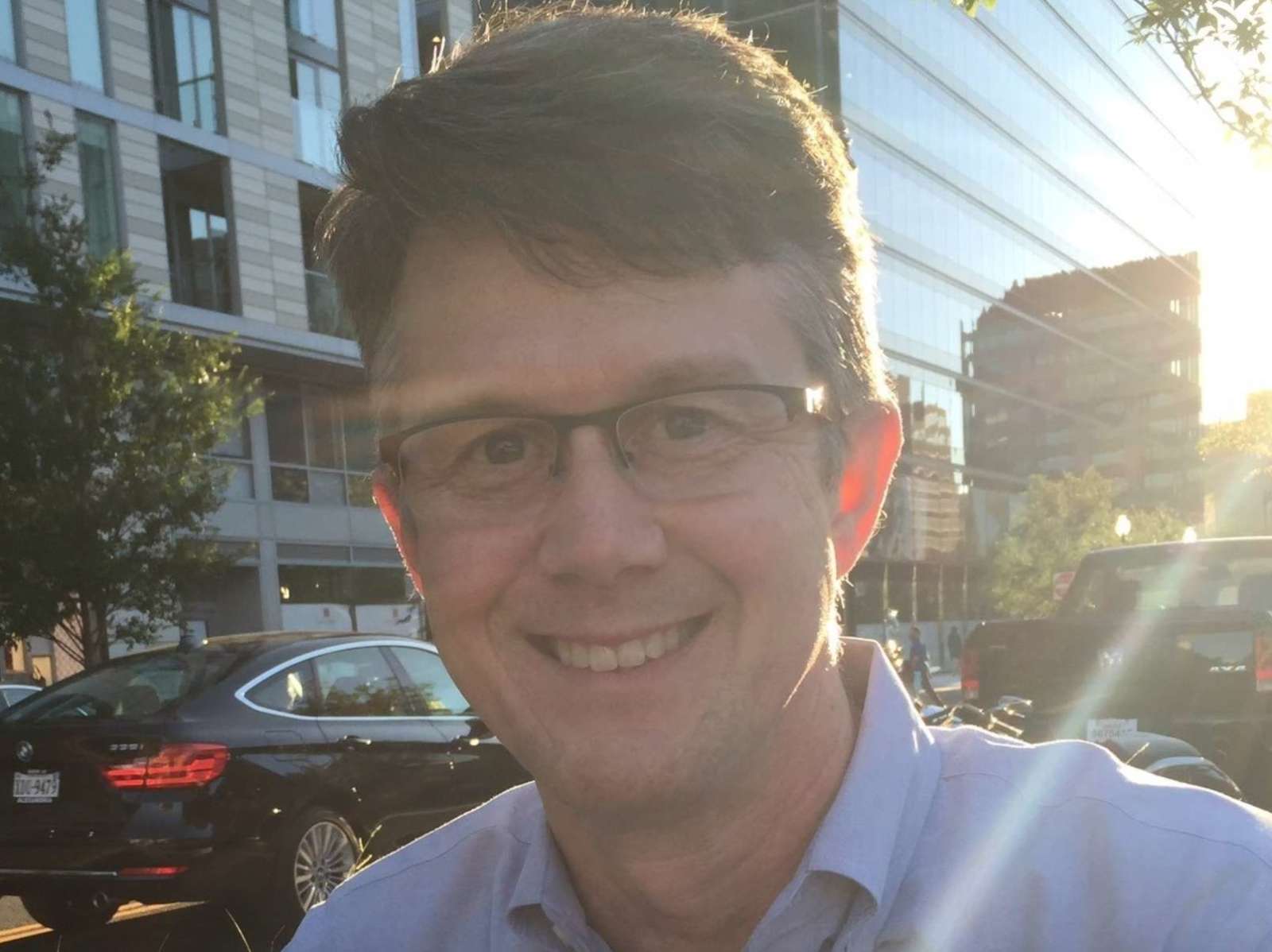
This op-ed was submitted by Fairfax GOP Chairman Steve Knotts, on April 13. It does not reflect the opinions of Tysons Reporter. We publish op-eds and letters to the editor of specific interest to the Tysons community. Contributions may be edited for length or content.
On March 13, Fairfax County Public Schools (FCPS) closed in response to the COVID-19 outbreak; and Gov. Ralph Northam’s March 30 stay-at-home order has closed all schools in Virginia for the remainder of the academic year. While we have all exhausted the adjectives necessary to describe the coronavirus crisis in our nation, extended and unexpected school closures should be nothing new for FCPS.
One month into the coronavirus outbreak, FCPS has left parents wondering why one of the “top school districts in the country” is failing to lead the way in distance learning.
Snowmaggedon: History Repeats
In 2010, the blizzard dubbed Snowmaggedon crippled Northern Virginia and resulted in FCPS losing 10 days of school. That extended closure led many to call for plans for distance learning if such a catastrophic event were to ever happen again. But what planning has taken place over those ten years?
When formulating its plan for learning during this pandemic, the school board assumed that many homes only have one computer available, necessitating the alternating of instructional sessions by division (elementary, middle, and high school). However, limiting virtual class hours to 9:15-11:15 a.m. and 12:15-2:15 p.m. creates artificial bottlenecks for instruction.
Why not try to create “shifts” where elementary students would be online in the morning; middle schoolers learn during the midday hours; and high schoolers participate in their classes in the late afternoon or evening hours? Or failing that, why not make lessons available for streaming on demand –thus allowing families to determine a schedule that works best for them? Why do teachers need all of Monday, March 16, for planning? Why did FCPS still observe spring break?
Difficult times call for creative solutions, not rote adherence to practices that don’t apply to the new paradigm.
One Fairfax: A Failed Policy
On November 20, 2017, the school board adopted “a joint social and racial equity policy” called One Fairfax. This policy requires the Board to consider “equity” in the decision-making for all policies, programs, and services.
As the school board struggles to provide identical access for all students, they are delaying educational instruction to all students. The distance learning plan called for instruction to resume on April 14.
Parents disappointed with the lack of academic content will search out any means available to foster their student’s education. Families that can afford private online programs and tuition-based homeschool curricula will pursue those options, and their children will continue to advance academically. Families who are not financially able to purchase the education their children need will fall behind.
Distance Learning
Fairfax County ranks as the 10th largest public school system in the U.S., with over 188,000 students currently enrolled. Our student population presents a tremendous challenge, but FCPS has had ample time to train teachers and staff in the implementation of virtual meeting technologies, which are very easy to use.
All FCPS high school students were issued laptops at the beginning of the 2019-20 school year as part of the FCPSOn initiative. That portion of the student population should have been immediately ready for distance learning. The primary challenge to distance learning is home internet access.
Every school year, parents are required to fill out FCPS’s emergency care form, which includes a question about the type of internet access in the home and whether or not the family has “a device for this student that meets their educational needs.” On the first day of the coronavirus crisis, FCPS should have known exactly how many students lacked access to the internet and distance learning technologies.
FCPSOn: Wasted Dollars
A central requirement of the FCPSOn initiative is that all high school students have a laptop issued by Fairfax County. The money saved by allowing students to provide their own laptops would have allowed FCPS to purchase and distribute the crucial wireless routers for internet access that are currently the main issue stalling the distance learning plan.
The Result
This is unquestionably the most difficult challenge our county schools have ever faced. However, smarter planning by the school board and staff, wiser allocation of funds and better utilization of technology should allow us to manage the delivery of education more successfully.
The One Fairfax quest for “equity” is resulting in mediocrity.
Photo via Steve Knotts for FCRC Chairman/Facebook
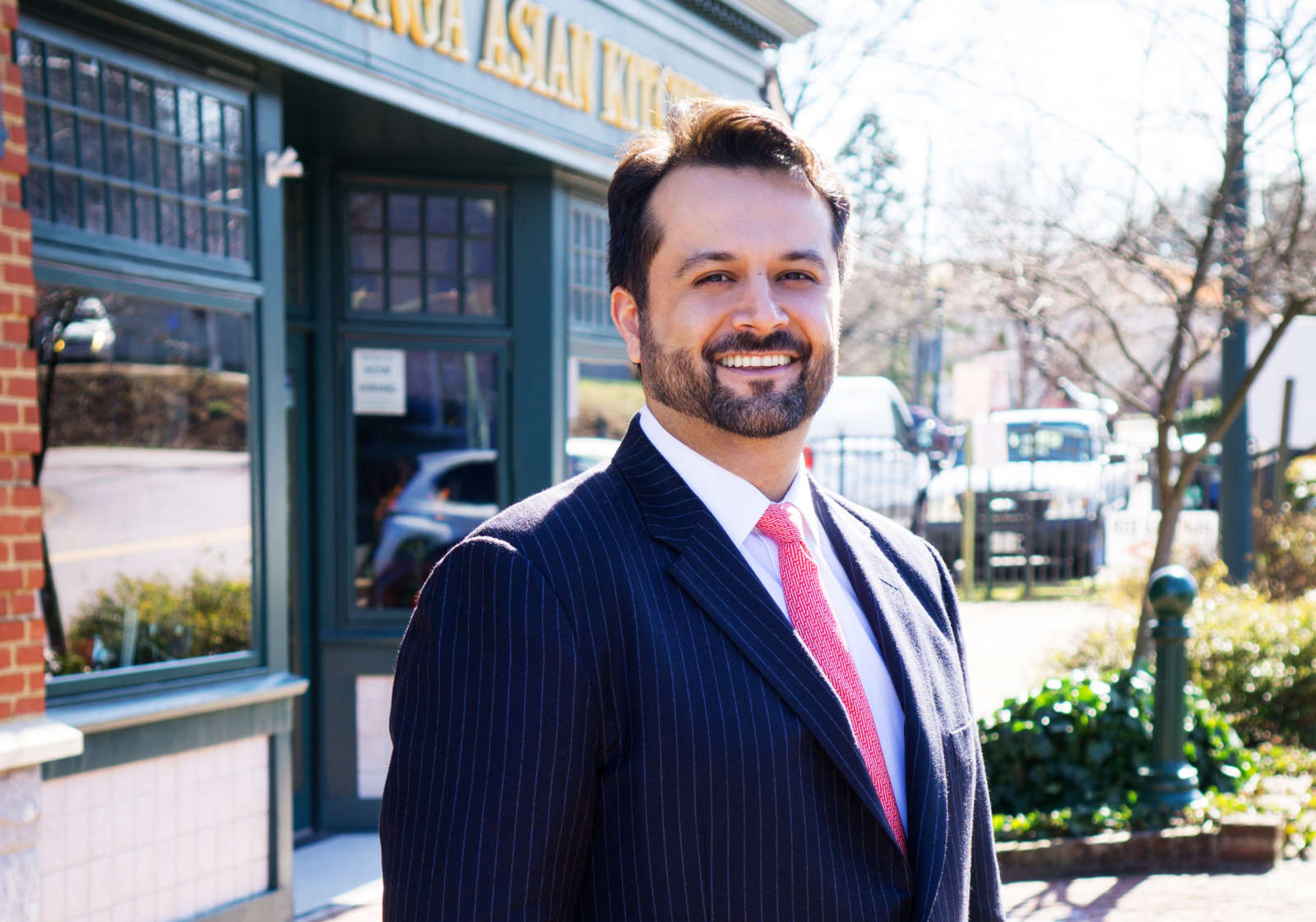
Ahead of the Town of Vienna’s election, Tysons Reporter asked the candidates to answer the following questions and also submit a short biography. Each candidate had an opportunity to answer the same questions in their own words. We are publishing the Q&As this week in the order we received the responses.
Featured here is Pasha Majdi, who is running for the mayor’s seat.
Bio: Vienna is my hometown. I grew up playing VYS and VYI as a kid at Louise Archer. I went to TJ, Duke, and George Mason Law, and came back home to raise my family here. Our family has four generations in Vienna because we love this town and everything it stands for. I am the senior director for U.S. Policy and Government Affairs for Conservation International, and I’m the only legislative and policy professional serving on Vienna’s Town Council.
Nearby, Tysons is urbanizing. How do you think the Town of Vienna’s identity should change in response to Tysons’ growth?
Vienna’s identity changed forever in 2010 when Fairfax County established its development plan for Tysons. Maple Avenue is now a throughway to Tysons, whether we like it or not.
For the past 10 years, the town has attempted to ignore this reality, disregarding recommendations from VDOT and not cooperating with the county. Through the MAC (which I voted against), the town took the wrong path and tried to change Maple Avenue from a commercial district into a housing district.
We need to adapt to reality. Let’s use it to our advantage: the 30,000+ cars that drive through Vienna each day are all potential customers who can support our local businesses and make our town prosperous. As your mayor, I will collaborate with the county and with VDOT on a transportation plan that keeps traffic moving on Maple and out of our residential neighborhoods.
As mayor, would you pledge to A) declare a climate emergency and B) support a council vote for the Town of Vienna to achieve carbon neutrality by 2045?
Declaring an emergency implies that sacrifices are necessary. As the senior director for U.S. Policy and Government Affairs for Conservation International — a global leader on conservation and climate policies — my experience has shown that green policies are actually beneficial in the long-run. We don’t need to declare an emergency in Vienna, we just need to apply smart policies.
As your mayor, I would use my professional policy background and skills to reduce our carbon footprint while also saving taxpayer dollars. The best way to save money while helping the environment is to transition to electric vehicles and invest in on-site charging stations. I have already pledged to do so by 2030.
On Town Council, I am leading the effort to bring microtransit (i.e., on-demand, personalized transit) to Vienna. With your vote, I will continue to deliver cutting-edge environmental policies to the Town of Vienna as your mayor.
What are your solutions to Maple Avenue congestion and cut-thru traffic in neighborhoods?
Tysons growth creates congestion on Maple and cut-through traffic in our residential neighborhoods. To keep our quality of life, we need sidewalks, speed humps, and crosswalks throughout the Town. And we also need to develop a regional transportation plan in partnership with the county. Last month I asked Fairfax County Board of Supervisors Chairman Jeff McKay to commit to working with the town on a transportation plan for Maple Avenue — he enthusiastically agreed.
For the past decade, Vienna’s plan for growth has been to overdevelop on Maple Avenue and deal with the traffic impact later. I was the only councilmember who voted against that plan (i.e., “the MAC”). I recently voted against hiring a consultant to rewrite the MAC for the same reason: we still don’t have a plan for traffic.
The town is repeating the same mistakes from 10 years ago. I’m running for mayor to fix that.
How would you work with Natalia Monkou to boost economic development in the town?
As your mayor, I will prioritize supporting small businesses during the COVID-19 pandemic and subsequent economic recovery. That’s why I have called for a dedicated fund to support distribution of masks, gloves, and PPE for our commercial centers, and a zero interest micro-loan program for small businesses.
Vienna must also allow local businesses to grow and adapt by relaxing outdated rules on a case-by-case basis — a method known as “site plan modifications.” We used site plan modifications for Bear Branch Tavern to attract and accommodate this new business that fits Vienna.
As your mayor, I will work with local businesses and town staff to implement site plan modifications throughout town to attract businesses that fit Vienna and to help our local businesses grow.
What are your ideal height and building sizes for developments in the Maple Avenue Ordinance?
Residents want smaller buildings to keep Vienna’s small-town feel. I’ve been leading the charge on this issue for six years. Other mayoral candidates followed suit when it was politically convenient, whereas I spoke up for residents first and took a stand. Right now, that’s the type of leadership we need.
For Maple Avenue, residents want three stories or fewer with larger setbacks and more green space. We don’t want big box buildings that fill up the entire lot and tower over neighborhoods.
Mayor Robinson intentionally blocked redevelopment on Maple Avenue for 20 years. We don’t need a density incentive to spur development — we merely need to stop blocking it. If we simplify, clarify, and update our commercial zoning code it will attract real estate investors at a height and size that fits small-town Vienna.
There’s a reason why local developers applied for MAC projects and then immediately sold them to outside companies: only local developers understand our code. That’s the real problem.
Some residents are concerned about town officials’ transparency and the public’s ability to comment on proposals. Do you think this is an issue? How will you ensure people understand what is going on and are able to engage on topics that matter to them?
I’m taking clear positions on the issues to be transparent and give voters a choice. I’m not offering platitudes or pledging to hire consultants to answer the most important questions a mayor will face. As a voter, you should know:
- I do not support a rewrite of our residential zoning code because we risk losing why people come to live in Vienna: our green space and small-town feel. Leave our residential neighborhoods alone!
- I support making a few, simple updates in the commercial zoning code that reinforce our small-town feel: primarily commercial buildings, three stories or less, larger setbacks, and more green space.
- We should not spend $250,000 on a consultant to rewrite our residential and commercial zoning code during a pandemic. Those funds should be redirected toward public health and basic services until we recover.
That’s where I stand and that’s what I’ll do as mayor. Please vote Pasha Majdi on or before May 5.
People interested in learning more about Majdi’s campaign can check out this website.
Photo courtesy Pasha Majdi
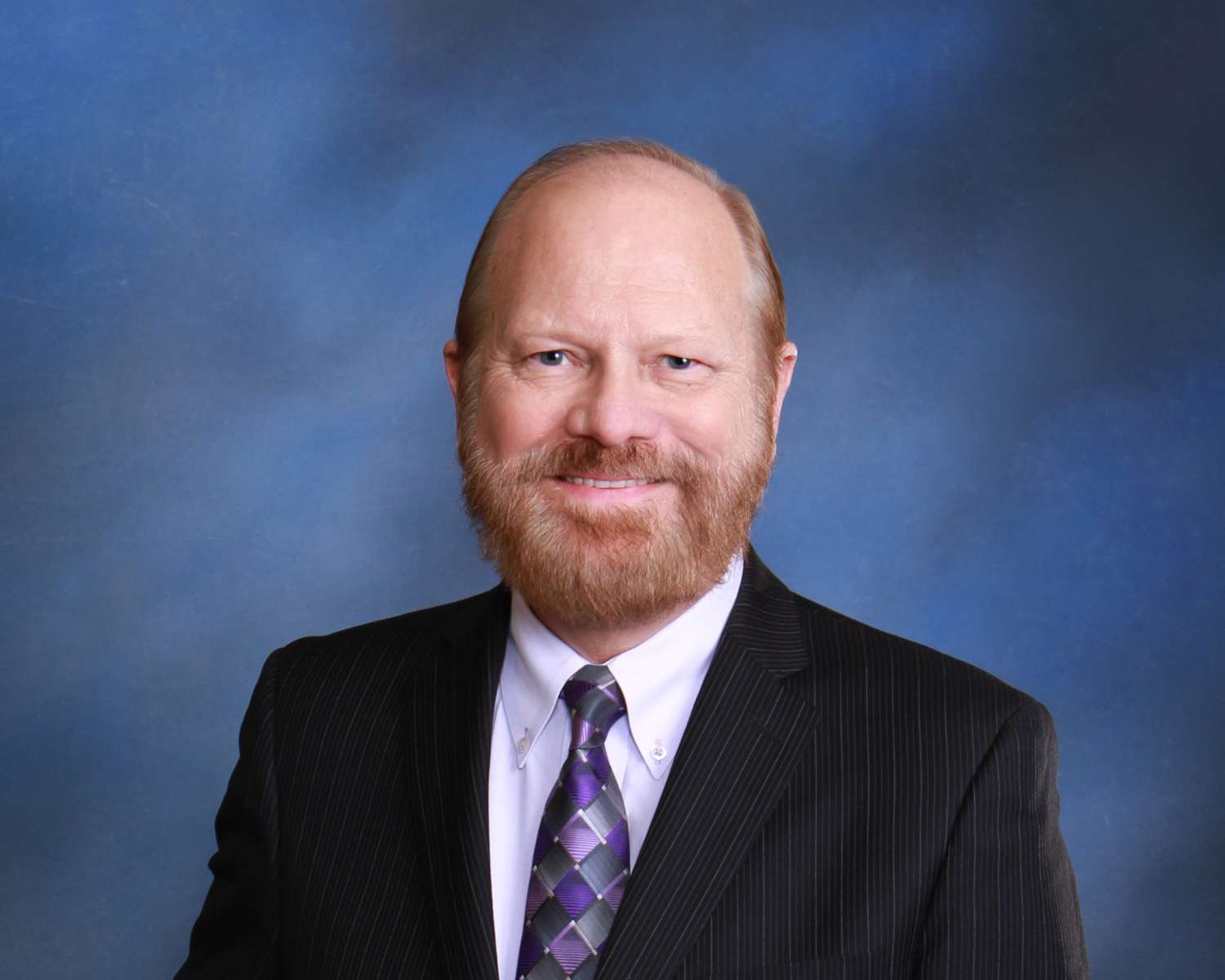
Ahead of the Town of Vienna’s election, Tysons Reporter asked the candidates to answer the following questions and also submit a short biography. Each candidate had an opportunity to answer the same questions in their own words. We are publishing the Q&As this week in the order we received the responses.
Featured here is Roy Baldwin, who is running for a position on the Vienna Town Council.
Bio: I have been a homeowner in Vienna for 40 years. I am married to Sharon, who for many years taught voice to area students in her studio in our home. I am a father to Nathaniel, who attended Vienna Elementary, Louise Archer, Madison High School and went on to William & Mary and West Virginia Law School, and is now one of my associates in The Baldwin Law Firm in Oakton, where I concentrate on estate planning and administration and family law cases.
I have been a parishioner of the Church of the Holy Comforter for many years, serving on the Vestry, as a Sunday School teacher and as a lay reader. I was a board member of the Vienna-Tysons Regional Chamber of Commerce but then decided to switch to the Vienna Business Association several years ago. I have served in several capacities in the Town of Vienna, where I am chairman of the Board of Architectural Review (member for 14 years).
Nearby, Tysons is urbanizing. How do you think the Town of Vienna’s identity should change in response to Tysons’ growth?
I like Vienna just as it is and don’t feel obliged to change just because Tysons becomes more densely developed. Vienna should continue to be a convenient, lower cost option for people who work in Tysons and who want a single-family house or townhouse as opposed to a high rise. Our shops, restaurants, and activities can prosper as Tysons’ population grows, if we as a town take good care of them and allow them to offer experiences that are different from those that can be had in Tysons.
What are your solutions to Maple Avenue congestion and cut-thru traffic in neighborhoods?
Since Maple Avenue congestion at rush hours is caused overwhelmingly by commuters from the west using it as a short cut to get to and from Tysons, I don’t think we should try to make Maple Avenue more attractive to them. If we do so, they will just come in greater numbers. I favor timing traffic lights to allow traffic to cycle through town, so that town residents will be able to move about more freely.
As for cut-through traffic, I feel deeply for residents along Church Street, Ayr Hill, Locust, Windover, and similar streets and am willing to explore solutions with them, up to and including making them one way streets that would switch direction twice a day to be always against the flow of rush hour traffic.
Should Vienna keep its “small town feel”? If so, how? If not, why and what do you propose?
My hope is that, in 20 years or so, when you get in your flying car (yes, we will have them by then) and make your way over Northern Virginia, you’ll see the towers of Reston Town Center to the west and the 500-foot-tall skyscrapers of Tysons to the east and in between you’ll see this little town that looks like it’s in a valley between two mountain ranges. It’s Vienna’s small town feel that attracted Sharon and me back in 1980, and we want the same for everyone who lives here.
Vienna has a long history of being named a “Tree City USA.” What steps would you like to see Vienna take to become greener and more sustainable/environmentally-friendly?
I want to take advantage of the recent legislation passed by the General Assembly and signed by the governor that hopefully will make it more feasible for homeowners to install solar panels. I would like to explore the possibility of switching to a “super can” system of trash collection. Once our current contract for recycling expires, I would like to see a return to recycling of glass.
I continue to be distressed by wholesale destruction of established trees when an older home gets bulldozed — I would like to strengthen our tree ordinance along the lines of Arlington County’s ordinance, which allows their county arborist to nominate special trees for protection (with the consent of the landowner in the case of private property, of course). I would like to see real bike lanes installed on Park Street, Beulah Road, Courthouse Road, and other arterials.
I was really impressed with how Denmark has integrated bike lanes on a recent trip. For a number of reasons, I do not think it would be a good idea to allow homes to cover more of their lots than is currently allowed, including because doing so would increase runoff into local streams after rainstorms.
What do you want to see happen for parking when Parking Henry Library gets moved and rebuilt?
When the county is ready to decide what to do with the Patrick Henry Library (which may not be for a long time given the lasting effect of the coronavirus emergency), I want the town to get the most parking spaces we can for the best price possible. On the Board of Architectural Review, we were just beginning to review the options, which included as many as three floors of parking, when the pandemic shut everything down.
When things pick up again, I want to advocate for a design that doesn’t monopolize the block or scream “parking garage.” The parking facility in Williamsburg is a good example of what would work here, with some modifications. Our Maple Avenue and Church Street merchants deserve and need this facility and, after letting two other sites slip away, we should do our best to make it happen this time. It’s not an ideal site, but I don’t see any better one available.
What are your ideal height and building sizes for developments in the Maple Avenue Ordinance?
I am ready to sit down around a table with my fellow Vienna residents to arrive at these ideals (when we can again do that sort of thing). Heading into such meetings I will not try to dictate my personal views or to impose them on others. I am not in favor of just doing away with the Maple Avenue Corridor (“MAC”) Ordinance, because many of our fellow Vienna residents worked long hours for many years to bring it into being. Our experience with the first several developments under its terms haven’t been satisfactory, but that’s a reason to fix it, not to abandon it.
If we as a town still believe that mixed-use developments are appropriate along Maple Avenue, we must give the owners of those parcels the incentive to do what we want them to do. If four story buildings are allowed, their top floors should be set back from the street to avoid a “canyon” like feel.
People interested in learning more about Baldwin’s campaign can check out his Facebook.
Photo courtesy Roy Baldwin
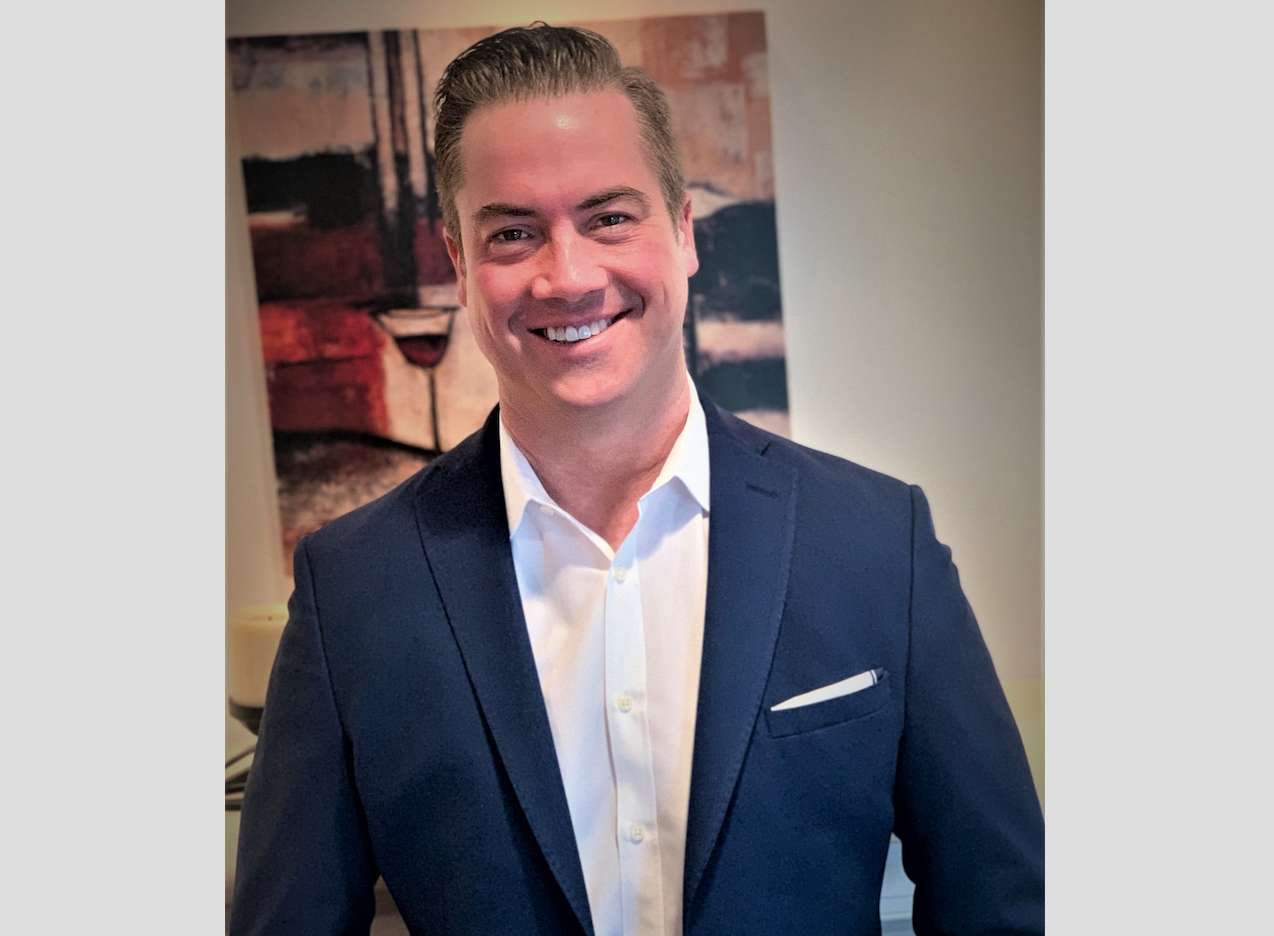
Ahead of the Town of Vienna’s election this year, Tysons Reporter asked the candidates to answer the following questions and also submit a short biography. Each candidate had an opportunity to answer the same questions in their own words. We are publishing the Q&As this week in the order we received the responses.
Featured here is Chris Wright, who is running for a position on the Vienna Town Council.
Bio: Chris Wright has lived in the Town of Vienna since 2004. He lives with his wife, Calli, and two boys who attend Vienna Elementary School. Born and raised in Lynchburg, VA, he graduated from James Madison University with a BBA and currently works as a partner in a local consulting firm based out of Merrifield. Chris volunteers with Shelter House and coaches in Vienna Little League, I9 Sports, as well as Vienna Youth Basketball.
Nearby, Tysons is urbanizing. How do you think the Town of Vienna’s identity should change in response to Tysons’ growth?
In short, I will do everything I can to ensure that Vienna’s identity does not change as a result of Tysons’ urbanization. Vienna’s small town charm is what attracted many of our residents to live and raise families here. I do not think it’s necessary to construct hundreds of condos/apartments in Vienna to compete with other D.C. areas such as Tysons or Mosaic as some have suggested in the past. The council needs members that can pro-actively and effectively work with Fairfax County and Tysons developers to ensure our current and future interests are represented.
What are your solutions to Maple Avenue congestion and cut-thru traffic in neighborhoods?
Minimizing cut-thru traffic in our neighborhoods is not an easy task and all ideas should be on the table. I would posit that the individuals most motivated to tackle this problem are the candidates that currently have young children who are most at risk by cut-thru traffic.
In addition to safety concerns, I can say with certainty that I have never seen the roads in Vienna in this bad of shape. The intersection of Echols and Berry streets SE being one of many examples.
The obvious solutions to mitigate the safety concerns are more speed calming measures as well as finally prioritizing sidewalks. I would focus on a more pedestrian friendly town, not only with sidewalks, but also with more access to businesses via the W&OD trail, bike lanes, and incentives to encourage residents to leave their cars in the driveway.
Another idea is a small toll on Maple Ave on commuters as they travel between Oakton and Tysons with an exemption for town residents. Given the volume of traffic on Maple Ave, all options should be explored and not simply dismissed as “that’s not possible.”
Should Vienna keep its “small town feel”? If so, how? If not, why and what do you propose?
“Elections have consequences” is a phrase applicable to every level of government. A couple of years ago it looked as if the Town of Vienna was headed the way of Tysons, Falls Church, Mosaic, etc. The D.C. area has many communities where someone can find that type of lifestyle.
I would argue that Vienna is extremely unique in that it does have a small town feel just a few miles from DC and it’s something that I want to preserve. Vienna should work to mordernize and encourage new vibrant businesses to settle here, while working diligently to understand the impact of that development. Then it must be effectively communicated to residents affording them the opportunity to provide feedback.
Vienna has a long history of being named a “Tree City USA.” What steps would you like to see Vienna take to become greener and more sustainable/environmentally-friendly?
Whether it’s residential or commercial, we continue to see new development replacing old all over town. The obvious downside to this is that many of our trees are removed. I would advocate that for every one tree that development knocks down that two new trees are planted to continue Vienna’s tradition of being named a “Tree City USA.” I would also work to bring more green spaces and parks to Vienna. I would support converting Beulah Road Park, which is now an industrial mulch yard, to its original intent of a park for all of Vienna to enjoy.
What do you want to see happen for parking when Parking Henry Library gets moved and rebuilt?
Vienna is going to have to recalibrate the need for a number of costly projects like a parking garage below Patrick Henry Library given the impact that COVID-19 will have on our community. That having been said, I believe that ensuring we have the best library possible combined with centrally located parking is an obvious win for the town.
Before committing substantial money and resources to a project like this, we must first understand what improvements need to be made to the existing library, approximately how many parking spaces are needed now and for the foreseeable future, and that the new structure fits in architecturally with our town.
What are your ideal height and building sizes for developments in the Maple Avenue Ordinance?
Given the existing traffic and school populations in Vienna, the existing height restrictions should remain in place as a rule. I do believe there are exceptions to every rule that can be evaluated on a case by case basis. Before making exceptions, Vienna should understand the traffic impact, school impact, and surrounding neighborhood impact of proposed new development. Additionally, the need for the proposed development/business should be weighed before exceptions are made and broadly communicated to our residents.
People interested in learning more about Wright’s campaign can check out his website and Facebook.
Photo courtesy Chris Wright
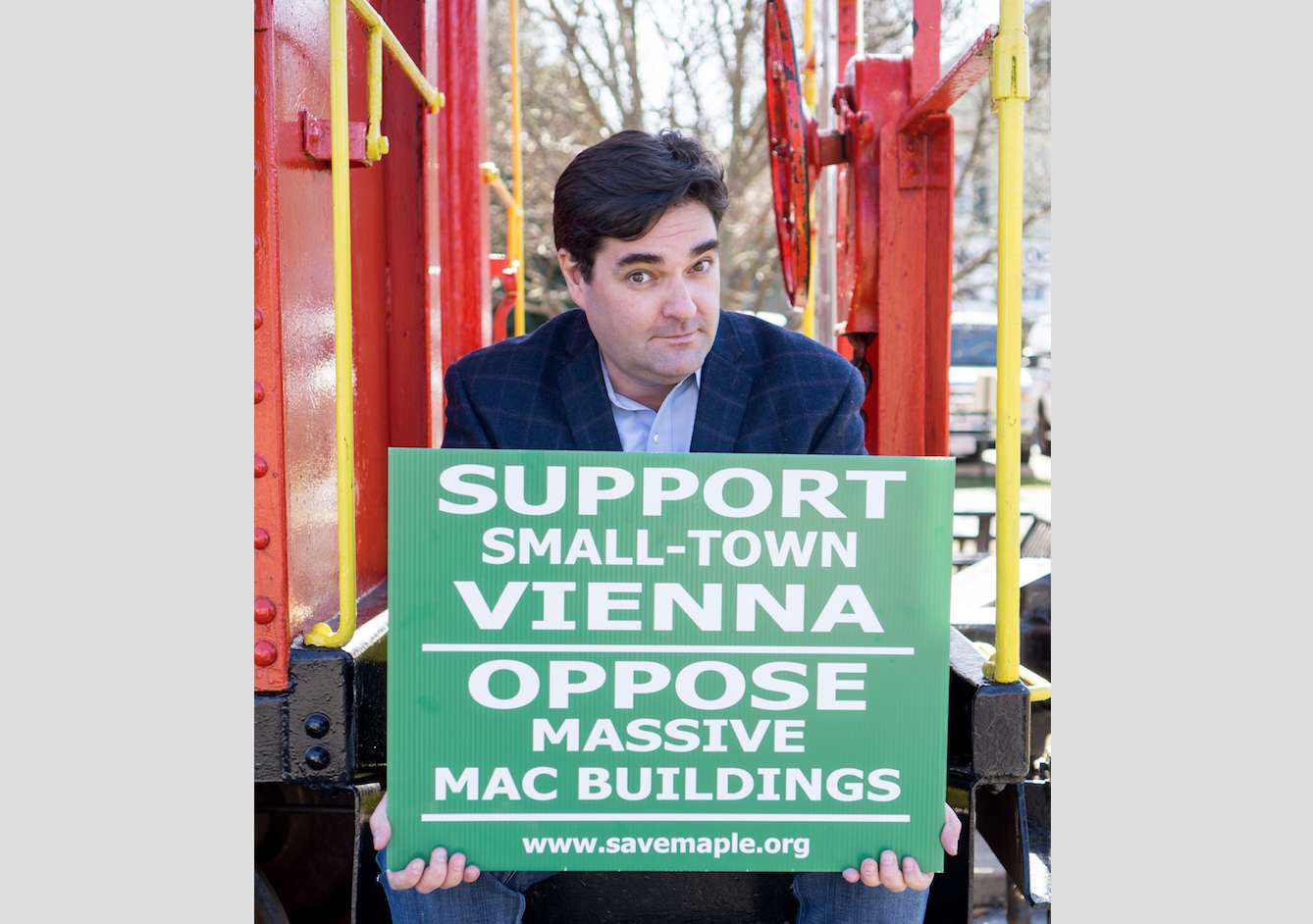
Ahead of the Town of Vienna’s election this year, Tysons Reporter asked the candidates to answer the following questions and also submit a short biography. Each candidate had an opportunity to answer the same questions in their own words. We are publishing the Q&As this week in the order we received the responses.
Featured here is David Patariu, who is running for a position on the Vienna Town Council.
Bio: I am an attorney, a Vienna dad with three young children and a Vienna planning commissioner. I’m running to preserve the livability of our neighborhoods and to ensure the residential and commercial zoning code rewrite — foisted upon our town without resident input — does not give away what makes Vienna special.
Nearby, Tysons is urbanizing. How do you think the Town of Vienna’s identity should change in response to Tysons’ growth?
Vienna has its own unique identity as a small town and that identity should not change to match Tysons’ growth. Pasha Majdi (for mayor), Chris Wright, Andrea Dahl, and I (for council) are a group of parents with young kids, and we love Vienna’s small-town feel.
Our platform is focused on YOU and we are working together to (1) address cut-through traffic and preserve the livability of our neighborhoods; (2) address problems from poorly planned development like the MAC; (3) restore Beulah Road Park; and (4) make certain the rewrite of our residential and commercial zoning code does not give away what makes Vienna special.
Maple Avenue is at its traffic capacity during peak hours, and this problem will only get more severe as Tysons grows. We should not make congestion worse by pushing giant high-density condo/apartment buildings with nominal retail on Maple Avenue through poorly planned zoning.
What are your solutions to Maple Avenue congestion and cut-thru traffic in neighborhoods?
The town must listen to residents when they seek relief from cut-through traffic. At a recent Planning Commission meeting, multiple residents requested mitigation from cut-through traffic on Wade Hampton — requests that were marginalized. Residents were told by the town staff studies would have to be performed and given multiple excuses for why cut-through traffic mitigation would not be possible.
Yet it only took one town staff member “from his desk” to approve the narrowing of Wade Hampton by 4 feet for either traffic calming or parking (never got a straight answer on which it was) for the first 380 Maple MAC building project application — street narrowing that allowed the planned building to be larger. This double standard needs to stop.
We need to give greater deference to residents, eliminate the tedious traffic relief petitions that take years to be processed, and go neighborhood by neighborhood to resolve long-standing traffic problems.
Should Vienna keep its “small town feel”? If so, how? If not, why and what do you propose?
The town’s misguided $250k effort to re-write residential and commercial zoning, without any public hearings or resident input to date, could cost Vienna its “small town feel.” This is a covert effort to make the high-density giant MAC zoning by-right. At a minimum, the current staff and consultant-driven process to rewrite our zoning code needs to be stopped by the new council, or we risk losing what makes Vienna special. We can make better use of this $250k to help Vienna’s residents and small businesses impacted by the pandemic.
The town has been successful with customized redevelopment plans using exceptions called “site plan modifications” that take into account local conditions. This approach was used with the recently opened Bear Branch Tavern — a huge success story and an example of how we can achieve business growth on Maple Avenue while keeping our small-town feel.
Vienna has a long history of being named a “Tree City USA.” What steps would you like to see Vienna take to become greener and more sustainable/environmentally-friendly?
Restoring Beulah Road Park would be a great first step to help Vienna become greener. I strongly support and have been actively involved in this community driven effort. As a councilmember at our first Town Council meeting in July, I will instruct the staff to eliminate the industrial use of Beulah Road Park as a stinky mulch yard in a residential area; find a new location for mulch processing and storage; amend the Comprehensive Plan and zone this parcel and the 440 Beulah Road property as parkland with a nature center (like Hidden Oaks Nature Center); and work closely with area residents to restore Beulah Road Park.
A second step is prioritizing the purchase of land for use as parks, when those rare opportunities arise.
A third step is developing a comprehensive tree and green space preservation plan for the town.
What do you want to see happen for parking when Parking Henry Library gets moved and rebuilt?
The town’s leadership did not spend enough time talking to people that use the Patrick Henry Library before embarking on its library under a parking garage design. Research shows no other municipality in Northern Virginia has a library built into the first floor of a multi-story parking garage. The focus of this project should be on making a world-class library for Vienna’s children and residents, not on making a giant multi-story parking garage to facilitate overdevelopment on Maple Avenue.
The funding for the garage part of this project also needs evaluation. It has been reported that the town is asking the Northern Virginia Transportation Commission (NVTC) to fund the construction cost of the multi-story parking garage surrounding the first-floor library, with the claim commuters will use spaces in the library-garage. How this use of transportation funds passes muster to build a multi-story parking garage over a library needs examination.
What are your ideal height and building sizes for developments in the Maple Avenue Ordinance?
The MAC is a misguided attempt to circumvent the 35-foot height limitation on commercial buildings that define Vienna, allowing upwards of 60+ foot 4-5 story condo/apartment buildings on Maple Avenue. We know Maple Avenue is at its traffic capacity and any excess traffic from high-density Maple Avenue Condo/Apt. projects will wind up on our residential streets as cut-through traffic.
This is a classic case of “robbing Peter to pay Paul”– robbing residents with cut-through traffic from Maple, increasing school crowding and reducing neighborhood livability and the value of our homes. All so that Maple Avenue property owners and developers can harvest greater profits with bigger high-density condo/apartment buildings on Maple.
The MAC should be scrapped. Maple Avenue is at its traffic capacity, which means we must keep new buildings to below 35 feet (1-3 story buildings) and primarily commercial, or risk severely worsening cut-through traffic across our small town.
People interested in learning more about Patariu’s campaign can check out his website.
Photo courtesy David Patariu
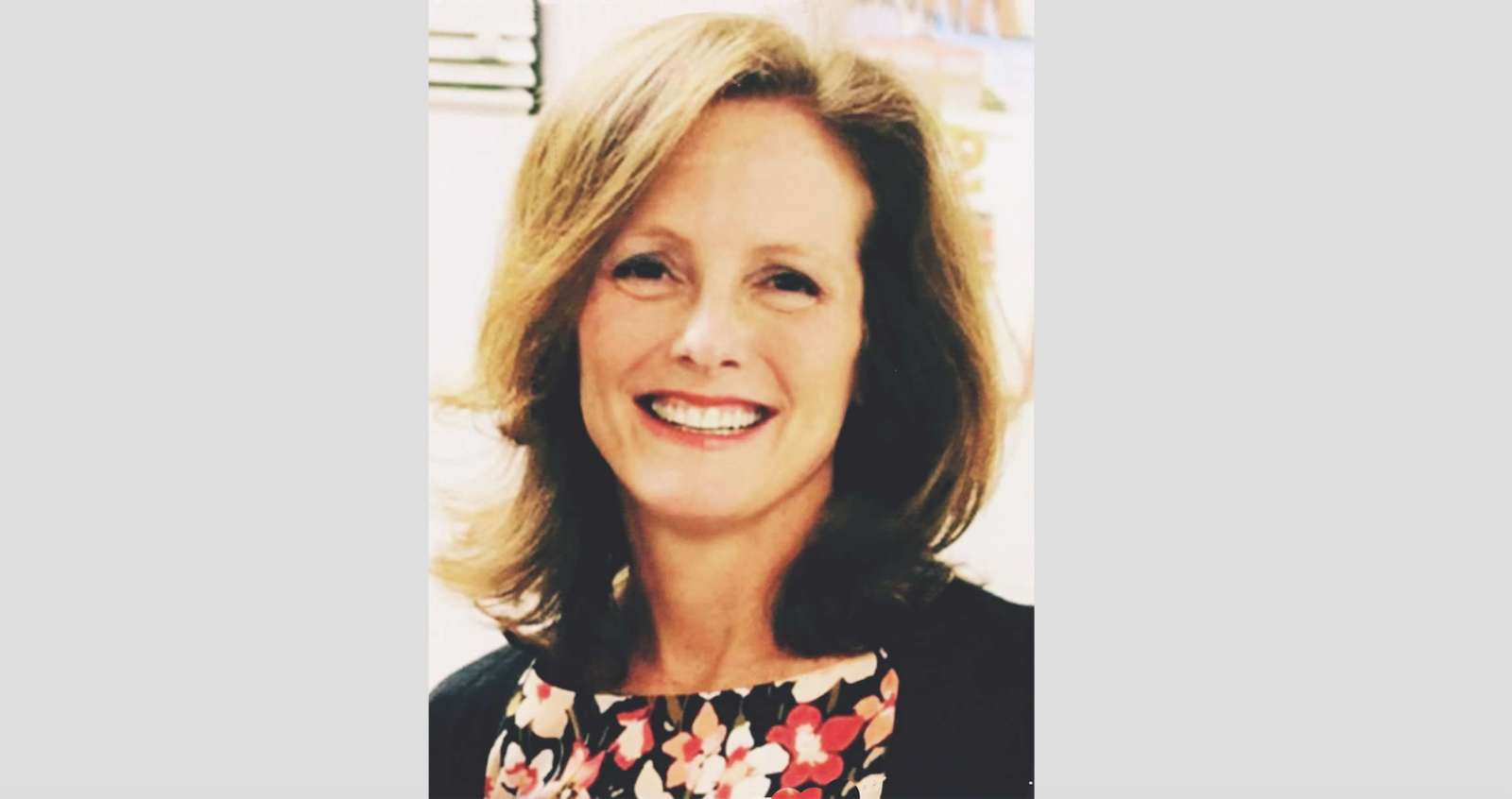
Ahead of the Town of Vienna’s election this year, Tysons Reporter asked the candidates to answer the following questions and also submit a short biography. Each candidate had an opportunity to answer the same questions in their own words. We are publishing the Q&As this week in the order we received the responses.
Featured here is Linda Colbert, who is running for the mayor’s seat.
Bio: I am an independent candidate running for Mayor because I love my hometown and the people who make it so special. I understand and cherish the history of our Town and I will fight to keep Vienna unique amidst a metropolitan area.
Nearby, Tysons is urbanizing. How do you think the Town of Vienna’s identity should change in response to Tysons’ growth?
I do not think the Town of Vienna’s identity should change because of Tyson’s growth. We are a special community and I will fight to keep it that way. Our uniqueness is rooted in our traditions, history and volunteers. Our main street needs to improve. We need to make it more walkable and more vibrant. Vienna should be a place were businesses come and thrive. The town should work with them to ensure our vision for that investment is shared and trusted.
As mayor, would you pledge to A) declare a climate emergency and B) support a council vote for the Town of Vienna to achieve carbon neutrality by 2045?
I do not think that the council can bind future councils to a promise like that so it would only be symbolic. Mayors have limited powers as Virginia is a Dillon Rule State. As mayor, I would lead the town in setting an example of being a good steward of its environment.
The town can certainly do things to cut carbon emissions and it should. The physical structure of our buildings have the potential to lock away carbon. The town should retrofit old buildings and require standards for new ones. Types of materials used, green walls and roofs, and green space with trees and landscaping are things that can help reduce carbon.
Parking garages are beneficial in two ways. First, they require less ground covered in concrete than surface parking lots. Second, they could provide a place to park once and walk to nearby destinations as opposed to parking and driving to every destination.
The Vienna Community Center received gold-level LEED (Leadership in Energy and Environmental Design) so that is a goal for future buildings.
What are your solutions to Maple Avenue congestion and cut-thru traffic in neighborhoods?
Keeping traffic flowing on Maple Avenue helps keep cars out of neighborhoods. Real time traffic signaling is being implemented as a way to keep cars moving and the town should continuously be re-evaluating that technology.
As the Vienna representative to the Greater Tysons Citizens Coalition, I am continuously working with Fairfax County to ensure the county helps mitigate traffic produced by Tysons. I would work with the town’s new traffic engineer and look into innovative ways to calm traffic and keep it flowing on Maple Avenue.
Providing sidewalks in town also can reduce traffic as it gets people out of their cars. The town received a generous monetary gift from the late Councilmember Maud Robinson, which was designated for sidewalks. I would prioritize the installation of sidewalks on the busiest streets, on streets leading to bus stops, schools, downtown and other places of interest.
How would you work with Natalia Monkou to boost economic development in the town?
Hiring Natalie Monkou as the economic development manager for the town has already proven to be a wise decision. Even before the COVID-19 pandemic, she was meeting with town businesses to determine what their needs were and how best to help them.
I would work with her and the finance department and council to develop methods to support our Town businesses who have been impacted by the pandemic. She has also been able to work with businesses and guide them through processes like applying for small business loans.
I would also work with Natalie during the redevelopment plan for Maple Avenue. I would like to look at ways to bring businesses into town as well as help determine ways to support our current businesses.
What are your ideal height and building sizes for developments in the Maple Avenue Ordinance?
Our town should be a welcoming community where people of all ages want to live, shop, walk, bike and drive safely. I will look for ways to make improvements and to offer amenities and housing options for all. We must preserve and increase green space and trees and I will look for sustainable ways to ensure the health and welfare of our environment and community.
The design for Maple Avenue is very important and I want to bring Vienna together on this topic. We all agree that we want to keep Vienna unique amid a large metropolitan area. I envision a mixture of one to three or four storied buildings with nice architecture. My vision is a walkable, vibrant main-street that is economically feasible and provides a beautiful, safe, and thriving business district that residents will use with pride.
Some residents are concerned about town officials’ transparency and the public’s ability to comment on proposals. Do you think this is an issue? How will you ensure people understand what is going on and are able to engage on topics that matter to them?
Transparency and trust go hand in hand. Every councilmember needs to follow state requirements for ethics and financial disclosures. The town needs to be transparent and inform and engage residents during the process of making big town decisions.
I will improve communication between the town and its residents both by providing easily accessible information and upgrading how the Town receives feedback from the community when making town decisions. I want every resident to know that their voice is being heard. As your mayor, one of my top priorities will be to ensure that we are One Vienna, working together to make our town stronger and even more vibrant. Our decisions are not black and white. I do not ever want to divide our town. I want to unite our town. #OneVienna
People interested in learning more about Colbert’s campaign can check out her website and Facebook.
Photo courtesy Linda Colbert
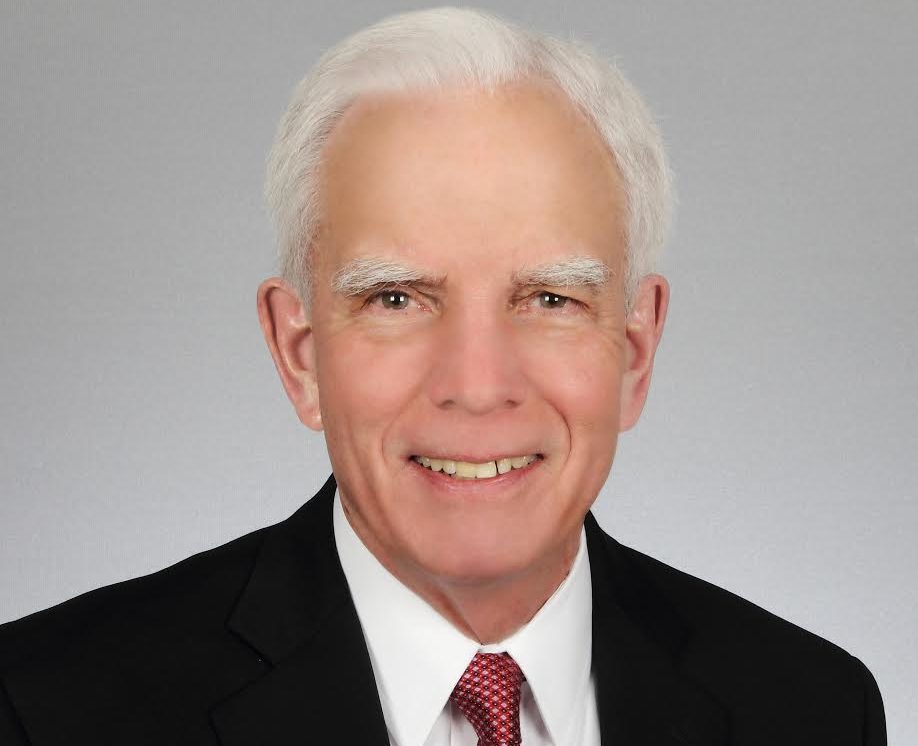
(Updated 4/27/2020) Ahead of the Town of Vienna’s election this year, Tysons Reporter asked the candidates to answer the following questions and also submit a short biography. Each candidate had an opportunity to answer the same questions in their own words. We are publishing the Q&As this week in the order we received the responses.
Featured here is Ray Brill, Jr., who is running for one of the councilmember seats.
Bio: I spent a lifetime solving difficult issues with practical, common-sense solutions as a corporate CEO, the COB of a Salvation Army chapter and a church leader. My leadership experiences are ideally suited to solving issues facing Vienna. I graduated from Air Force Academy, served as Air Force pilot, earned MBA /UCLA, JD/Florida, MDiv/VA Theological Seminary.
Nearby, Tysons is urbanizing. How do you think the Town of Vienna’s identity should change in response to Tysons’ growth?
We do not want to be a mini-version or extension of Tysons. Every effort should be made to maintain the small town character of Vienna — well-maintained and safe residential areas, parks, walking and bike trails, sports and community activities, and thriving small business community.
The development along Maple Avenue should be modest in scope and provide a sufficient buffer to residential neighborhoods nearby. Appropriate modifications to the Town Code will ensure our small town character is maintained. It is what sets us apart and makes us such a desirable place to live. We consistently rank in the top three of the best places to live in Virginia and our future decisions must insure that doesn’t change.
What are your solutions to Maple Avenue congestion and cut-thru traffic in neighborhoods?
The town needs to complete the installation of traffic light sequencing system using adaptive signal controller technology that provides better sequencing of lights and movement of vehicles through our 14 light signals along Maple Avenue. We should ensure the safety of pedestrians, bicyclists, and neighborhoods by using traffic calming measures and enforcement as needed.
We should also consider:
- Reducing or relocating commercial driveways and curb cuts of which there are more than 100.
- Permitting inter-parcel connections so cars can drive to adjoining commercial areas without having to travel on Maple Avenue.
- Traffic calming on residential streets to reduce traffic cutting through neighborhoods.
- Restricting turns into traffic during rush hour Monday-Friday from 7-9 a.m. and 4-6 p.m.
Should Vienna keep its “small town feel”? If so, how? If not, why and what do you propose?
The MAC should be replaced, and the Town Zoning Code should be reviewed and modified as needed to remove inconsistencies and ensure that residential neighborhoods are preserved and that reasonable and realistic height, density, and buffer requirements are incorporated in new developments. The input of residents is essential in this process.
I support a three-story height limitation, less dense development along Maple Avenue, and increased green space. There needs to be a buffer between the residential areas and commercial development. Developers should consider a terrace effect on the side of the development facing the homeowners.
Vienna has a long history of being named a “Tree City USA.” What steps would you like to see Vienna take to become greener and more sustainable/environmentally-friendly?
Vienna has been designated a Tree City by Tree City USA for more than 15 years. Our trees are an essential part of our neighborhoods and are a priority. A new tree should be planted for every tree that is removed. When new homes are built, developers should save as many existing trees as possible. Sec. 17-15.1.A of the Town Code states the preliminary plat shall provide a plan for the planting and replacement of trees that are removed during development. A 20% tree canopy of mature trees is required within 20 years in the RS-16, RS-12.5 and RS-10 zones.
There appears to be a major exception in Sec. 17-15.1.E which states “The Town Council may grant reasonable exceptions or deviations from the requirements of this section when strict application of the requirements would result in unnecessary or unreasonable hardship to the developer.” The Town Council should use this power sparingly.
What do you want to see happen for parking when Patrick Henry Library gets moved and rebuilt?
I want the new library to look like a library and not a 220 foot long box-like structure 25 feet from the road that dominates the corner of Maple Avenue and Center Street. We do not need another massive building on Maple. Most of the new Fairfax County libraries have exterior designs that are innovative and creative. The design drawing I saw has neither.
We must get it right because it will be there for 50 years. No one has shown there is a demand for 84 public parking spaces in addition to library parking (option 1: two levels $4.5 million), much less 188 spaces (option 2: three levels $9 million) in the next 15-20 years. There is a third option; namely, build a charming, small town library with 90 parking spaces. Vienna should not spend money on parking located blocks from most businesses. We must be practical and realistic.
What are your ideal height and building sizes for developments in the Maple Avenue Ordinance?
I support a three-story height limitation and less dense development along Maple Avenue. There needs to be a buffer between the residential areas and commercial development.
When I led the mediation effort between the developers of the 380 Maple Avenue project and homeowners, I proposed a terrace effect on the side of the development facing the homeowners. That approach has been incorporated in the Sunrise development on that same piece of property.
I support a review of the MAC (currently suspended) and our zoning code to insure that reasonable and realistic height, density, and buffer requirements are incorporated in new development. The input of residents is essential in this process.
People interested in learning more about Brill’s campaign can check out his website.
Photo courtesy Ray Brill
