


Still can’t find paper towels at your local Target? Me neither. The pandemic has caused many everyday items that we take for granted to literally fly off the shelves.
We saw it this summer with playsets and trampolines, but the craze for outdoor enjoyment extended beyond kids’ play equipment to the outdoor assets a residential property boasted, including pools and patios. What could possibly be the next must-have to make your stay-at-home experience more tolerable this winter?
Fire Pits
Those looking to continue using their outdoor spaces will need to seek out warmth in some form. As long as it is coming from the soothing crackle of a wood-burning fire pit or a gas-powered flame — not body heat less than 6 feet away — you will be in good company. These houses are ready for outdoor entertaining on any starry quarantine night:
2205 Windsor Road, Alexandria, VA 22307

1139 Crest Lane McLean, VA 22101

Spectacular Sunrooms
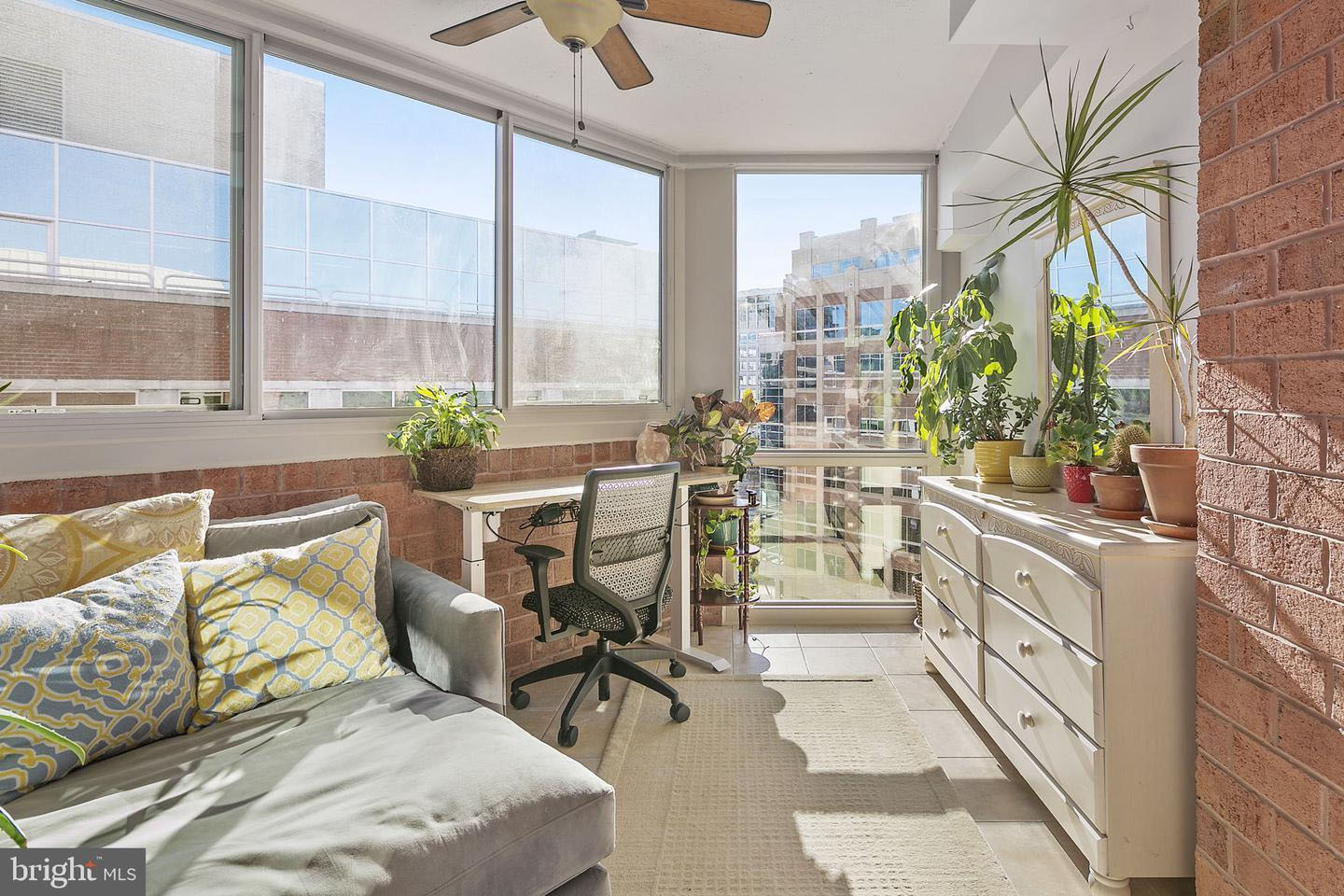
While it might be hard to find electric heaters or faux fireplaces this winter, now is the time to outfit your three-seasons sunroom in order to maximize its use. Take a look at these spectacular sunrooms that will bring some more light to your quarantine days:
929 Leigh Mill Road, Great Falls, VA 22066

1001 N. Vermont Street #904, Arlington, VA 22201
Access to Trails
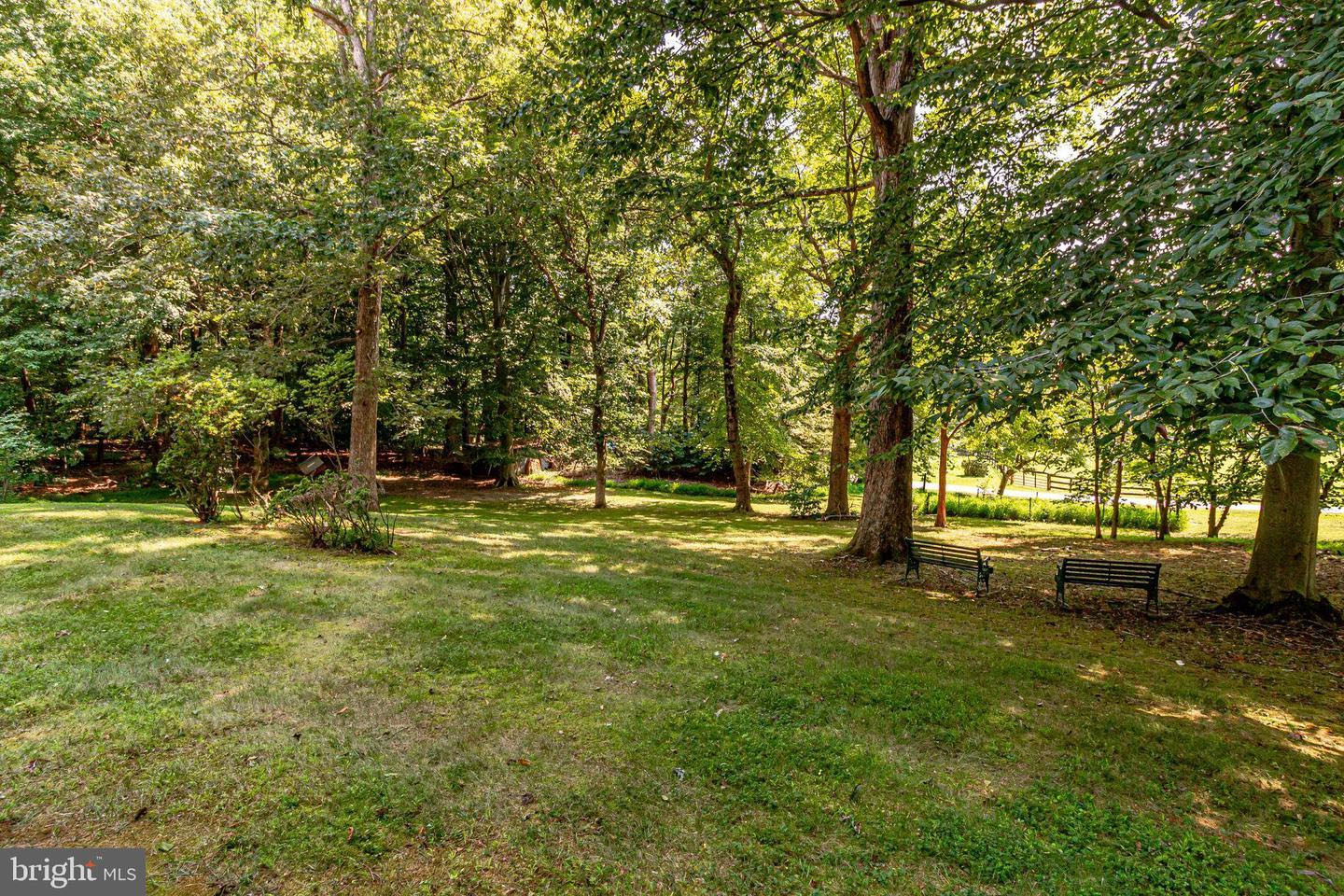
Hiking in the winter is one of the DMV’s best kept secrets. The quiet and solitude is good any time of year, whether you are walking your dog or trying to tire out your kids in between virtual learning sessions. Check out this local home with easy access to local trails:
637 River Bend Road, Great Falls, VA 22066
Whether your must-haves include fire pits and sunrooms, or you would like a bigger kitchen and a home office, contact me today to explore your options.
Mackenzie Horne, MBA is a licensed REALTOR® in the Commonwealth of Virginia with McEnearney Associates in McLean. Send Mackenzie a message at 571-594-9136, [email protected] or @MackHorneRealtor.

The first quarter of 2021 set a record as the worst start of the year in over a decade. NHTSA reports indicate that approximately 8,730 people died in auto crashes between January and March 2021, up from 7900 fatalities reported in the same period in 2020.
These rates are relatively high, considering there were fewer cars on the roads in the period compared to the pre-pandemic era. Preliminary data from the federal highway administration indicate that Vehicle Miles Traveled (VMT) between January and March decreased by approximately 14.9 billion in the period representing a 2.1 percent decrease.
According to experts and players in the transport sector, some of these deaths could be preventable were it not for the backlog of federal safety rules ordered by congress that are yet to be implemented.
Federal Car Safety Regulations That Are Long Overdue
According to a report by the Associated Press, the implementation of over 13 car safety rules is long overdue. These rules include the rear seat belt regulation that requires car manufacturers to install a warning system if a rear passenger is unbuckled. It was passed by Congress in 2012 and was to be implemented by 2015.
While the effectiveness of this law has not been put to the test, proponents believe it can be effective at reducing the severity of injuries in a crash. Another road safety law would set side-impact standards for children’s car seats. This bill was due in 2014 but remains unimplemented, prompting the attorneys general of 17 states and the District of Columbia to write to President Biden urging him to fast-track these laws.
Another pending bill would require car manufacturers to maintain a ten-year record of safety defects. This law was due in 2017 but has yet to see the light of day. Other pending road safety rules include:
- Anti-ejection protection for buses which was due in 2014
- Standards for smart car headlights
- Speed limiting devices for large commercial vehicles
- Medical evaluation for sleep apnea for commercial truck drivers
What Does the Backlog in Federal Safety Rules Mean?
The actual cost of this backlog of safety regulations is felt by those who have lost loved ones in fatal vehicle collisions. David and Wendy Mills, the parents of sixteen-year-old Kailee, who died in a car crash, are well aware of this cost. According to reports, Kailee unhooked her seatbelt to take a selfie with a friend when the vehicle they were traveling in flipped, ejected her, resulting in her death.
Kailee’s parents still wonder if the outcome would have been different if the pending safety belt rule had been implemented. Kailess’s case is just one among many lives lost that could have been prevented if safety regulations had been implemented.
One of the most significant causes of this backlog is opposition by influential industry players on the basis that the laws are restrictive, outdated, and expensive to implement. These issues have also taken a backseat as the government addresses other priorities. According to Jason Lavine, the nonprofit Center for Auto Safety’s director, there is a glimmer of hope for implementing these laws, as the Biden Administration seems more interested in acting than previous administrations.
After a car accident it is necessary to obtain a police report. In New York the police report is also known as a MV104a. Without the police report your car will not be repaired and if your car is a total loss you will not be paid for it. Most importantly if you want to recover money for your pain and suffering you will need the police report to identify the responsible party(s) and their insurance companies.
Police reports from the Suffolk County Police Department
If the Suffolk County Police Department responded to the scene of your accident you will receive a “field report” from the officer at the scene. This one-page document lists the names of the parties involved and provides a central complaint number that you will use to obtain the complete police report.
In two to thirty days the complete police report will be ready. The finished police report must be completed by the responding officer and approved by his superior. Oftentimes the approval by the Desk Sergeant is the cause for delay in finishing the report. The Law Office of Carl Maltese often contacts the Desk Sergeant after five days to discuss the status of the report. The Law Office of Carl Maltese almost always is able to obtain their client’s police reports in two to six days.
Once the Suffolk County Police Department report is ready it can be obtained by one of the following ways:
a) On the internet from Lexis Nexis there is a charge of $20.00 for this service
b) In person at Suffolk County Police Department headquarters in Yaphank. The charge for this service is $1.00. The report will be at this location seven to ten days after LexisNexis has it. The report that you receive will be certified. This service is only available for accidents that occurred in the last eighteen months.
c) You can order a copy of the report by mail from Suffolk County Police Department headquarters in Yaphank. The charge for this service is $1.00. The report will be at this location seven to ten days after Lexis Nexis has it. You will receive your report in six to eight weeks. The report that you receive will be certified. This service is only available for accidents that occurred in the last eighteen months.
d) You can also obtain a certified copy of the report on the internet from the New York State Department of Motor Vehicles at https://dmv.ny.gov/dmv-records/how-order-and-access-motor-vehicle-accident-report. The charge for this service is $25.00.
In order to use the report in Court Proceedings it must be certified. The Law Office of Carl Maltese always obtains a certified police report for their client’s personal injury claims.
Using the Freedom of Information Law (FOIL) to obtain your police report
Article 6 of the New York State Public Officers Law is known as the Freedom of Information Law (FOIL). This law allows people to request records from the government. In certain situations, such as an accident being reported the day after it occurred, the only way to obtain the Suffolk County Police Department report is to make a FOIL request. This request may be done by mail or on the internet. By looking at your field report the Law Office of Carl Maltese can usually discern if you need to make a FOIL request to obtain the complete police report.
Police Reports from other Agencies
There are other agencies that may respond to your Suffolk County car accident. Those include, New York State Police, Suffolk County Sheriff, Riverhead Police, Northport Village Police, Lloyd Harbor Police, Nissequogue Police, Asharoken Police, Amityville Police, Head of the Harbor Police, New York State Park Police, Stony Brook University Police and the MTA Police. The Law Office of Carl Maltese regularly obtains police reports from all of these agencies for their personal injury clients.
The Law Office of Carl Maltese will help you obtain your Police Report
Police reports for car accidents in Suffolk County oftentimes contain mistakes and incorrect information. The Law Office of Carl Maltese routinely works with police agencies to have their client’s police reports amended so they are accurate.
If you have been hurt in a car accident that occurred in Suffolk County and are having difficulty obtaining the police report contact the Law Office of Carl Maltese at (631) 543-8811 for a free consultation. At your free consultation we will be happy to answer any and all questions about car accident police reports in Suffolk County.

Laura Schwartz is a licensed Realtor in VA, D.C. and MD with McEnearney Associates in Vienna. You can follow Laura on Instagram at @LauraSchwartzRealtor or her Facebook page. Laura can be reached at 703-283-6120 or [email protected].
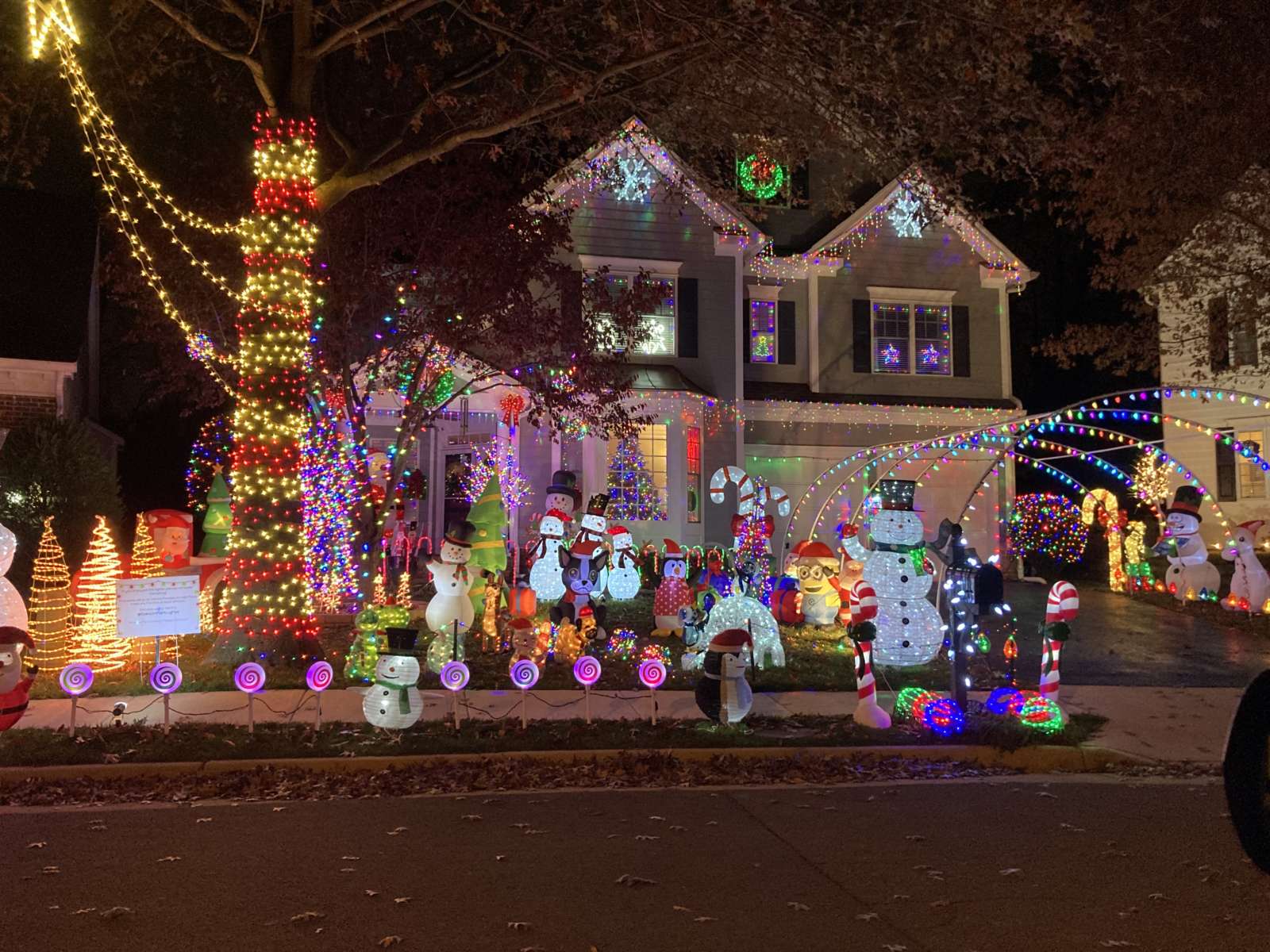
Each year I put together a list of the “must-see” holiday light displays around Vienna.
These vary in offerings from lots of inflatables to light shows choreographed to music. The list changes from year to year as some houses go dark, new ones are added and others scale back.
I took my kids on nightly drives around town to find some of these, but the majority came from the Vienna community when I asked on multiple forums for people to suggest homes. If you are part of the Vienna Virtual Community Page, Vienna Moms or Vienna VA Foodies, I’m sure you saw my post asking for nominations. In return, I promised to put together a map of the houses/streets I thought were ones you should definitely drive by.
My favorites on the map include:
- A Very Grinchy Christmas is located at Walker Street SW/Drake Street SW.
- Oakton Park Court is a small cul-de-sac that’s about 85% decorated with two special homes that went very Clark Griswold! They are also collecting donations to help feed the food insecure through the Vienna VA Foodies group.
- Who doesn’t love ice skating penguins?! Head over to Antioch Circle.
- The “peppermint house” located at Talahi Road SE/Glyndon Street SE has beautiful decorations.
- On Hillington Court, you’ll find two homes with tons of blow-ups and decorations — plus it’s a two for one visit.
- And of course… the Ni Family Lights.
Please make sure you check some of the notes on the points on the map for more details. Some destinations will take longer to visit, like the Ni Family Lights and The Vine Church, so plan accordingly!
If I missed any, please email me at [email protected], and I will add it to the map for others to enjoy. If you’re looking for larger scale light events, don’t forget these:
- Meadowlark Winter Walk of Lights (Note: Advance tickets are required.)
- Bull Run Festival of Lights (Buy tickets online.)
- Leesburg Animal Park Christmas Village (This event is only Friday, Saturday and Sunday, and advance tickets are required.)
You can also find more lights to visit at FairfaxChristmasLights.com. Enjoy!

Type “Why are bathroom renovations” into Google and the first result suggested is “…so expensive.” After saving for a new home, home improvement projects are the most common reason Americans save money.
Most people believe having a bathroom that makes them happy is a worthwhile investment, yet are surprised by how much it costs.
Why is renovating a 40-square-foot space so costly? Pricey fixtures and the specialized skills required are partly to blame. However, some costs are embedded within the industry:
- “Free” quotes are expensive: On average, contractors spend 25 percent of their time building quotes for jobs they will not win. Those costs need to be recouped.
- Expense overestimation: Whether purposeful, unintentional or a little bit of both, contractors often significantly overestimate the cost of materials and effort on a project.
- Professional design: Having a professional design your bathroom is considered a luxury service and carries a luxury price tag.
- Limited visualization opportunity: Consumer Reports identifies a primary cause of price overruns as homeowners who change their mind regarding finishes or colors after they’ve been applied.
In 2016, remodeling industry veteran Chad Hall believed these inefficiencies could be eliminated by taking advantage of emerging technologies — so he founded remodelmate.
Eliminating the time-consuming process of in-home quotes, remodelmate gives homeowners free access to an app that uses advanced smartphone camera technology to generate a near-perfect 3D model of their existing bathroom. The scan is then applied to a quote-building system, generating a final labor price for the customer as well as a precise materials list for the contractor, eliminating overestimation.
To address the professional design and visualization issues, remodelmate employs CGI (computer-generated imagery) to apply homeowner color and finish selections to a model of their new bathroom. The results are photo-quality images showing the customer exactly what their new bathroom will look like before construction begins.
For more information, visit the all-new remodelmate website.
The crime rate in Washington, D.C. has seen high volatility in response to the pandemic. When comparing 2020 to 2019 numbers, homicides rose 19 percent while assault with a dangerous weapon increased three percent. However, when comparing July 2020 to July 2021, homicides dropped by 1percent, and assault with a dangerous weapon fell by 4 percent.
Other statistics have seen similar spikes and drops. For example, robbery fell 11 percent between 2019 and 2020 but rose two percent in 2021. However, motor vehicle theft saw a 50 percent increase in 2020 and a 25 percent increase in 2021. While these statistics and more continue to shift going into 2021, that does not mean the city is free from tragedy.
On July 16, 2021, a shooter in Congress Heights killed a six-year-old girl named Nyiah Courtney, and five others were injured. The next day, a drive-by shooting at Nats Park wounded three people and garnered national attention for causing a Nats game to be suspended.
As people see their communities being devastatingly affected by gun violence, property theft, and violent crime, many debate how police should respond to the issue. Though many reform plans have been recommended, here are three of the most common.
Defund the Police
Calls to “defund the police” rang out during the 2020 election following the death of George Floyd. Some also use the term “abolish the police” as a further extreme to defunding.
What defunding means is that funds given to police departments are reallocated to social services. This includes everything from mental health institutions to addiction detoxing shelters and homeless communities. The idea behind defunding the police is if we strengthen our social safety net, people will not need to resort to crime to meet their basic needs.
Defunding the police also calls to reduce police workload. Currently, police officers respond to everything from a murder case to a mental health crisis. By giving health crises to professionals specializing in those issues, police officers can focus on solving thefts, murders, and other property or violent crimes.
However, many are concerned about what defunding the police could do to the community. Though it sounds nice to supply social safety nets, many debate about whether such a plan is feasible. The most significant concern seems to be what to do when there are not enough police to respond to a crime, and social workers cannot fill those roles.
Fund the Police
Though both “defund the police” and “fund the police” supporters agree that police are given jobs they cannot handle, they differ in fixing that problem. “Fund the police” is the idea that police officers do not have enough money, people, or supplies to complete their workload, and more money should be allocated their way to meet those needs.
One of the more prominent issues mentioned in recent years is the amount of paperwork police officers need to fill out. This problem leads to blank reports, where injuries or situations are filled as “none” or left blank to get through paperwork faster. This can be a problem, such as in the case of Breonna Taylor’s death in Louisville. Paperwork discussing the case was blank and listed her injuries as none even though she had died due to the shooting.
By funding the police, some argue, police officers could delegate work to more specialized forces that focus on specific jobs. This could help eliminate the paperwork issue by possibly hiring secretaries to do that work or hiring more police officers to get the job done more efficiently.
The most significant concern for funding the police is the abuse of power. Those in poorer communities are already majorly distrustful of the police, and adding more officers may lead to more problems rather than more solutions.
Tough-On-Crime
This sentiment was famous in 1970-1980s New York City. Often called the “stop-and-frisk era,” police officers were allowed to get search and seizure permissions easier, and it was much harder to challenge wrongful convictions. The judicial system was also harsher, enforcing longer prison sentences through higher mandatory minimums. Stringent parole boards were unlikely to allow prisoners to leave.
Though many look at this system as antiquated and are quick to point out the flaws, many are stringent supporters. One of the most famous supporters of tough-on-crime policy is former police officer Eric Adams, who is prevailing in a political race for the mayor of New York City specifically for his tough-on-crime platform.
All three methods of police reform have benefits and detriments, and each community will likely make a different decision depending on their needs and opinions. However, understanding all of our options can lead to making better decisions and solutions.
In short, yes. To apply for a Class M driver’s license (motorcycle license), all individuals must take a motorcycle safety course that has been approved by the Department of Motor Vehicles (DMV), before passing a motorcycle driving test at the DMV.
You must also pay a fee to receive the license. In Texas, it is $25 for a new license, $33 for a renewal, or $16 for an endorsement. This endorsement is an alternative to getting a specific motorcycle license and allows drivers who already have licenses to add a specific motorcycle tag onto that driver’s license.
Rules for Minors
All minors must carry a motorcycle permit until they turn 18 and are then able to apply for a motorcycle license. This permit is similar to the learner’s permit for driving a car in that all permit-holders must demonstrate their competence by driving a certain number of hours with a licensed adult before getting their license.
In Texas, you could apply for a permit from the age of 15, but are only able to drive a motorcycle with no more than a 250 cubic centimeter piston displacement. This restriction is removed when the permit holder turns 16. To apply for a permit, all minors must:
- Present a Motorcycle Safety Course (MSB-8 or MSB-8R) completion certificate
- Present
- A Class C Provisional license, or
- A Driver Education form (DE-964) verifying 32 classroom hours, or a completion certificate, or
- A Class C learner license and a DE-964 showing completion of a 32 hour driver education course
- Present a signed high-school Verification of Enrollment and Attendance (VOE) form
- Be accompanied by a Parent, who must provide an authorization signature
- Pass the mandatory skills exam
Can You Register a Motorcycle Without a License?
Technically, you do not need a motorcycle to register a motorcycle, but you do need motorcycle insurance. Since most insurance companies require a license to get coverage, it could be more difficult to register your motorcycle without a license. Though there are insurance companies that might sell you coverage without a license, they would most likely charge a higher premium.
Penalties for Driving a Motorcycle Without a License
Driving a motorcycle without a license could result in penalties such as a fine or even jail time. Penalties increase with each repeated offense, so avoiding a small license fee initially could wind up costing you hundreds or even thousands of dollars down the line. It is not realistic to assume that you would never get pulled over, even if you have a history of safe and reasonable driving, so it is better to get the license just in case.
Do You Need a Motorcycle License to Drive Mopeds or Scooters?
This answer typically depends on the size of the moped or scooter. If your moped or scooter has an engine that is over 50 cubic centimeters (cc), most states require you to have a motorcycle license or a driver’s license with a motorcycle endorsement. Scooters usually require registration and a motorcycle license, as these vehicles often have engines that are 150cc or smaller. However, mopeds with engine sizes smaller than 50cc do not require a motorcycle license or registration.
Contact an Attorney
If you have any questions about the complex rules and regulations of getting a motorcycle or registering your bike, contact an experienced accident lawyer at Felix Gonzalez Law Firm for assistance today.
Laura Schwartz is a licensed Realtor in VA, D.C. and MD with McEnearney Associates in Vienna. You can follow Laura on Instagram at @LauraSchwartzRealtor or her Facebook page. Laura can be reached at 703-283-6120 or [email protected].
This past holiday weekend kicks off some of the most treasured traditions around McLean and Vienna as we enter the holiday season. Even with the pandemic, the towns are finding ways to keep old traditions alive and create fun new ones.
I’m including some highlights around town, dates and places, but also pages to follow on social media to stay up to date if new ones pop up. Also, stay tuned next week for my list of must-see holiday light displays!
#WhereIsSanta Scavenger Hunt
Each Tuesday at 12 p.m., the town will announce a new clue to find Santa through December 22. Each location will qualify for an entry for a $50 Amazon gift card. Tag @TownofViennaVA and use #WhereIsSanta on social media to be entered. The clue can be found on the town website or the Facebook page.
Vienna Tinsel and Tacky Holiday Attire Contest
Categories for entry include Best Duo/Group, Best Adult, Best Kid and Best Pet! You can enter online. You must submit your application and photos by Friday, December 18, and the winners will be announced on Monday, December 21.
Zoom with Santa
This FREE event requires tickets, so you must register on the Vienna webtrac system. Many slots are already full, so sign up soon for December 9.
Light Up Vienna
This is a town-organized porch parade for decorated homes AND businesses! You must enter by December 7 and vote by December 16. Find more information on Vienna’s website.
McLean Volunteer Fire Department Santa Tracker
Santa and his elves begin their journey to visit residents TOMORROW! Follow the Facebook page for neighborhood schedules, and the website has the tracker.
McLean Gingerbread House Decorating
Order a pre-built gingerbread house with a variety of candy decorations. Share your work of art on social media with #MCCGingerbreadHouse.
Photos with Santa at MCC
Families with children ages 2 to 8 can get contactless, outdoor photos with Santa. This is also an opportunity to donate new and unwrapped toys to their Toys for Tots Campaign.
FBI statistics indicate that every 22 seconds in the U.S., a violent crime is reported. While violent crimes are certainly sensationalized in the media and popular culture, property crimes are far more prevalent, with one reported about every 3 seconds in the U.S.
In fact, property crimes are actually ten times more prevalent than violent crimes. An average of ten million property crimes are reported each year, whereas around one million violent crimes are reported annually. Here are the most common property and violent crimes in America, in order.
Larceny/Theft
Depending on the state, theft, or larceny, is by far the most common crime in the United States, accounting for almost 60 percent of all reported crimes. Larceny/theft is a nonviolent crime, as it does not require the use of force. Theft is typically classified as a misdemeanor due to its nonviolent nature, partially explaining its prevalence as it does not usually come with jail time.
Burglary
Burglary is the second most common crime in the United States, with burglary reports totaling over two million burglaries every year. Burglary is also a nonviolent property crime and accounts for around 18 percent of all reported crimes in the United States.
Grand Theft Auto (GTA)
Grand Theft Auto comes in at number three on the most prevalent American crimes, annually accounting for around 10 percent of all crimes in the United States. Depending on the state, GTA may be classified under a variety of different terms, from motor vehicle theft to first-degree theft. With over a million cars reported stolen every year, there appears to be a steady demand on the black market for stolen cars in America.
Aggravated Assault
The first violent crime to crack the top five, aggravated assault is the fourth most common American crime and accounts for around seven percent of all reported crimes. According to the FBI’s Uniform Crime Reporting Program (UCR), aggravated assault is defined as “an unlawful attack by one person upon another for the purpose of inflicting severe or aggravated bodily injury.” Aggravated assault can, but does not necessitate, the use of a weapon or firearm, and aggravated assault of any variety occurs around 800,000 times each year.
Robbery
The fifth most prevalent crime in the United States is robbery, another violent crime. Robbery is different from simple theft/larceny in that it is theft directly performed on another person. Robbery also necessitates the use of force or coercion, and in many instances, violence is necessary. A robbery can range from a mugging in a dark alley to an elaborate bank heist. Any form of robbery accounts for around three percent of all reported crimes, with about 500,000 robberies committed each year.
Other Types of Prevalent Crime
While the top five most common crimes may be surprising, other well-known crimes such as homicide, DUI, weapons and drugs are also prevalent in the United States, although they are far less plentiful than many people assume. However, simply because these crimes may not crack the top five most common American crimes, they still have devastating effects on the victims and overall community.
Drugs, in particular, have been especially destructive, as possession and trafficking are not only considered crimes, but a new report from the Bureau of Justice (BJS) indicates that drug abuse and addiction were found to be at the root of 21 percent of all crimes. The BJS report also found that 40 percent of all prisoners incarcerated for property crimes and 14 percent of all prisoners incarcerated for violent crimes stated they committed their most serious offense for drug-related reasons.
With over 473,000 Americans currently in prison for seeking drugs, and around one million arrests made each year for drug use and possession, it is clear that the current systems in place to address drug crime and rehabilitation need to be reevaluated.
Punishments for the crimes mentioned above vary depending on a variety of different factors, and every crime is examined and assessed on a unique basis. “If you or someone you know has been accused of committing criminal activity, the first thing you should do is consult an attorney who is knowledgeable about the laws in your area” says attorney Omeed Berenjian of BK Law Group. While the punishments for these crimes may vary, the prevalence of these crimes indicates it does not always do enough to dissuade people from breaking the law.
Ultimately, many Americans’ fears about the most common crimes are misplaced, as they are far more likely to get carjacked or stolen from than murdered or abducted. However, it is important to remember to stay vigilant and keep your doors locked, as you never know who is out there.
The gender pay gap, where women earn less than men in the same job roles, is a complex issue involving race, education, type of job and other factors. While no single solution exists for resolving the gap, recent research suggests that help is found in an unlikely source — divorce.
How does divorce affect a woman’s earning potential? What type of custody arrangement benefits both the financial well-being of the parent plus the emotional well-being of the children? Here’s a closer look at how seemingly commonplace issues settled in court can leave a lasting impact on how much a woman earns in her career.
Many Custody Arrangements Rely on Outdated Stereotypes
Family courts treat the vast majority of divorcing couples in the same way. The mother is considered the main caregiver, while the father is assumed to be the main breadwinner. As a result, mom is awarded primary custody while dad is limited to visitation. The general idea is that the mother has less time to work because she’s busy raising the kids, so she’ll get more in child custody from the father.
Unfortunately, the arrangement rarely works as intended. Approximately 34 percent of single mothers receive child support. The average amount ordered given is $480 per month. While that is rarely enough as is, the average amount actually received is $287. For most mothers, that barely covers a week of groceries.
The crux of the problem is as follows: When a single mother is the primary caregiver, but she isn’t getting enough child support to meet her family’s needs, she’ll need to seek out employment. Unfortunately, because she’s raising her children on her own, she typically doesn’t have the time or opportunity to obtain a full-time, high-paying job.
A recent study from Wealthy Single Mothers suggests the solution is 50 percent shared custody. Of the 2,200 single mothers surveyed, women with a 50 percent split were 54 percent more likely to earn at least $100,000 annually compared to couples where the dad only has visitation, and the mom is the primary caregiver. Additionally, compared to moms who raise their children entirely on their own, meaning no visitation, moms with equal split custody have a 325 percent greater likelihood of earning $100,000 per year.
How Single Mothers Feel About Shared Custody Arrangements
For many women, 50-50 custody offers the potential of greatly increased earning power. However, it is an incredibly rare occurrence within the court system. Only 13 percent of women reported having split custody. Instead, over half of women (51 percent) said they had no support at all and had custody of their children 100 percent of the time. Among women with primary custody, 48 percent said they would prefer joint custody instead.
“State laws currently lag behind what most women want in terms of custody,” said Attorney Jeanette Soltys of Atlanta Divorce Law Group. “Only Arizona and Kentucky have some type of equal parenting law, although 15 states are currently considering similar bills.”
The Potential Downside of Split Custody
While 50-50 custody poses many benefits, it is not an appropriate solution for every divorcing couple. Many domestic violence organizations oppose laws that force split custody. For example, the West Virginia Coalition Against Domestic Violence identifies the decrease in domestic violence claims in Kentucky following the law’s passing as evidence it increases the difficulty of leaving abusive relationships.
However, opposition to these types of laws isn’t shared by every domestic violence prevention organization. Some proponents argue that sometimes parents will attempt to gain full custody solely as a bargaining chip during a divorce, which these types of laws can potentially help limit.
In addition to concerns related to domestic violence, another potential issue is earning inequality. Many women leave their careers, at least temporarily, after first having children. Any sustained absence from the workforce can impede that person’s ability to command a higher salary.
Final Thoughts
In an amicable divorce, split custody benefits all parties. Both parents have the opportunity to improve their earnings while also spending increased time with their children. Unfortunately, many courts seem stuck in a certain mode of thinking regarding which parent is capable of providing care.
While changes in state laws can help improve the current situation, possibly the most powerful solution involves changing public perception. As the idea that a divorced dad should care for his kids half the time becomes normalized in society, the courts will likely increase instances of awarding split custody.
