

Fairfax County will host Virginia’s first-ever Smart City Challenge next month.
Scheduled to kick off on Jan. 23, the challenge is a month-long virtual competition where teams of participants will develop and pitch potential solutions to challenges in health, transportation, housing, education, energy, infrastructure, public safety, and other facets of society.
Fairfax County has partnered with several public, private, and nonprofit groups to organize the contest, including Smart City Works, the McLean-based nonprofit Refraction, Virginia Tech, Girls in Tech DC, and the Universities at Shady Grove.
“The goal of the Challenge is to advance equitable and inclusive opportunities for all people to thrive in the greater Washington, D.C., region,” Smart City Works said in a Dec. 21 press release announcing the challenge.
While the challenge was designed with the D.C. area in mind, anyone, from college students to startups, can participate regardless of where they live. Organizers say they will put a particular focus on encouraging women and people of color to get involved.
Registration is currently open. There is an admission fee of $15 for students and $30 for everyone else “to help defray hosting and other expenses,” Smart City Works says on its website.
Conducted entirely online through Zoom, the challenge will give participants a month to form teams and use data, resources, and mentors made available by organizers to develop ideas for how technology or other forms of innovation can be used to make communities more equitable, livable, resilient, and sustainable.
Teams will present their projects to a panel of judges, who will evaluate the pitches based on innovation, regional impact, practicality, and equity and inclusivity. Winners will be awarded more than $350,000 in cash and in-kind prizes, along with an opportunity to implement pilot projects with Fairfax County, the City of Fairfax, and other partner organizations.
Alongside the actual competition, the challenge will feature streamed and recorded discussions with government, nonprofit, and business leaders throughout the month. Anticipated speakers include Virginia Gov. Ralph Northam, Dominion Energy CEO Bob Blue, and Fairfax County Deputy County Executive Rachel Flynn.
“The Smart City Challenge is the perfect opportunity to tap bright minds to improve the lives of everyone in the Washington, D.C., area through technology, innovation, and problem-solving,” Refraction CEO Esther Lee said. “We are excited to bring together forward-thinking businesses, entrepreneurs, universities, government, and nonprofits to showcase collaboration and thought leadership.”
Fairfax County previously partnered with Smart City Works and Refraction to start the Northern Virginia Smart Region Initiative, which aims to foster innovation and economic growth in the area.
The county contributed $50,000 when the two nonprofits successfully applied for a $750,000 grant from the U.S. Department of Commerce’s Economic Development Administration to fund the initiative in 2019.
Photo by Michelle Goldchain
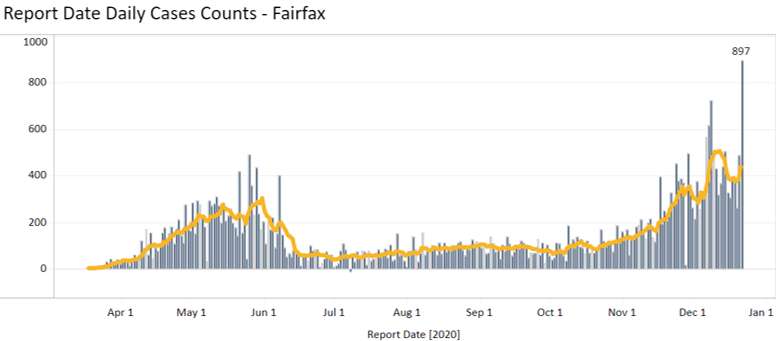
The Fairfax Health District reported 914 new COVID-19 cases today (Monday), a new single-day record for the district, which encompasses the cities of Fairfax and Falls Church as well as Fairfax County.
According to the Virginia Department of Health, Fairfax County reported 897 cases within the past 24 hours, while Fairfax City added 11 cases, and Falls Church added six.
With that flood of new cases, which Fairfax County attributes partly to a data reporting backlog, the Fairfax Health District has now recorded 40,551 cases since the pandemic first arrived in the area in March. 670 people in the district have died from the disease transmitted by the novel coronavirus, and 2,820 people have been hospitalized.
Today’s caseload easily surpasses the previous single-day record of 725 daily cases from Dec. 8, though the weekly average of 437.7 cases remains lower than Dec. 12, when the district averaged 505.1 cases over seven days.
The Fairfax Health District’s COVID-19 testing positivity rate is slightly up from last week, with a seven-day moving average of 11% as of Dec. 17. The 548,789 total testing encounters recorded in Fairfax is by far the most seen in any of Virginia’s health districts.
Fairfax County’s new COVID-19 daily case record comes on the same day that shipments of a vaccine from Moderna are expected to arrive in Virginia. The state had ordered 146,400 doses of the vaccine even before it was approved by the U.S. Food and Drug Administration on Dec. 18.
Pfizer has dispersed a total of 72,125 doses of its own vaccine to frontline healthcare workers in Virginia since it started distributing to hospitals in the state last week. A nurse at Inova became the first person in Fairfax County to be vaccinated against the novel coronavirus on Dec. 15.
The VDH reported on Dec. 18 that the state will receive an estimated 370,650 vaccine doses from Pfizer and Moderna this month, a smaller allocation than the 480,000 doses that Virginia previously expected to get.
Even with the distribution of vaccines bringing hope of an end to the pandemic in the foreseeable future, local elected officials and health experts have emphasized the need to continue adhering to guidelines for limiting COVID-19’s spread, including wearing face coverings, avoiding travel, and following social distancing protocols.
“I understand everyone would like to see family and friends for Christmas,” Fairfax County Board of Supervisor Jeff McKay said. “Our COVID-19 cases are rising quickly, however, and we need residents to avoid gatherings with those outside of your household and travel.”
For lower-risk alternatives to typical holiday celebrations, the Fairfax County Health Department has recommended gathering with family virtually, shopping online, and watching concerts or other festivities on TV.
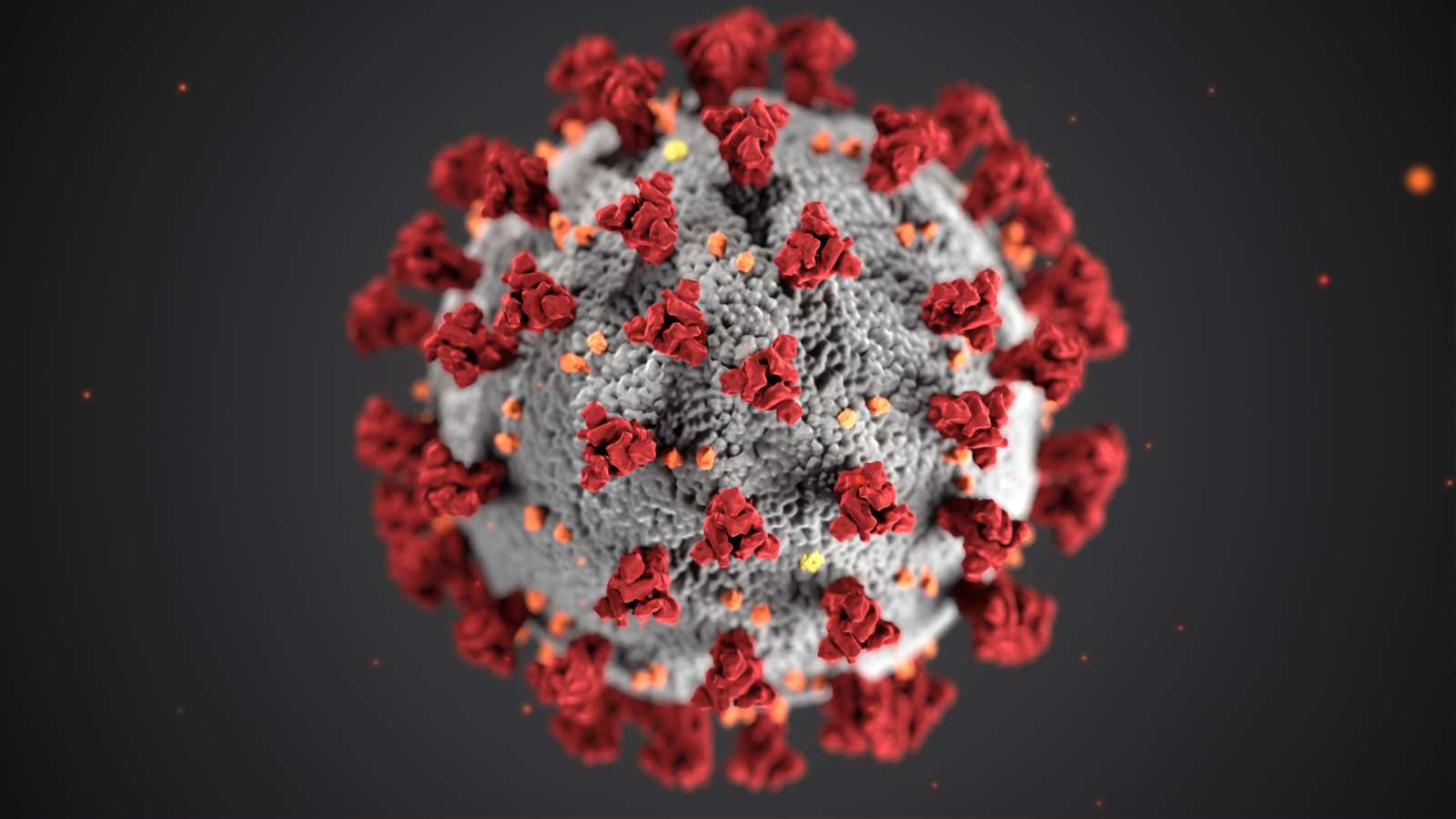
Image via CDC on Unsplash, Virginia Department of Health
Inova Delivers First Vaccine to Healthcare Worker — “Months of preparations led up to an emotional moment for Inova Health System’s CEO after the first healthcare worker received the COVID-19 vaccine.” [ABC7-WJLA]
National Search Underway for Next Fairfax County Police Chief — Fairfax County has hired a search firm to assist in its search for a successor to Chief Ed Roessler Jr., who has announced that he will retire in February. The search process includes an online survey and focus groups with “key community organizations.” [Fairfax County Government]
Falls Church West End Developers Propose Major Revisions — West End Gateway Partners wants to revise its plans for an “ambitious 10-acre mixed use development at the City’s west end…under conditions of the global Covid-19 pandemic. A special public town hall to outline the changes is scheduled to be held online this Thursday, Dec. 17 at noon.” [Falls Church News-Press]
Teen-Run Business Focuses on Outdoor Jobs Amid Coronavirus — “TaskTeens, a spinoff of TeenServ created by McLean High School student Jack Lannin, connects teenagers that can perform yard work for homeowners.” [Patch]
Staff photo by Angela Woolsey

Fairfax County residents struggling to pay their water bills can now apply to Fairfax Water for payment assistance.
The not-for-profit utility provider announced yesterday (Monday) that it has received funds from a COVID-19 Municipal Utility Relief Program that Virginia set up using $120 million in federal CARES Act money.
“These are challenging times for Virginia families and businesses,” Gov. Ralph Northam said when announcing the allocation of $60 million to the program in November. “We remain committed to helping them keep the electricity on and the water running.”
Residents of Fairfax County and the Cities of Falls Church and Fairfax are eligible to apply for the program based on the following criteria:
- Have water and wastewater service bills between Mar. 1 and Dec. 30 are more than 30 days past due
- Have experienced economic hardship due to the COVID-19 pandemic
- Have not previously received CARES Act assistance for water or wastewater bills from any other sources, including the Rebuild Virginia Grant Fund and Fairfax County’s RISE program
To apply for relief, customers must fill out an application form on Fairfax Water’s website and send it to the utility by email, fax, or mail by Dec. 30.
Fairfax Water says it can also work with customers to develop a repayment plan that would allow them to pay their overdue balance over the next six months or longer. Service would not be disconnected as long as the payments are made within the agreed-upon timeframe.
People can call Fairfax Water’s customer service department at 703-698-5800 for more information on setting up an extended payment plan.
In addition, a number of local nonprofit community organizations are offering assistance for utility bill payments. Groups in the Tysons area include Committee for Helping Others (CHO) and Share of McLean.
Fairfax County Coordinated Services Planning has also been connecting residents to social services and resources. It can be contacted on weekdays at 703-222-0880. Falls Church City residents can call the city’s Department of Housing and Human Services for assistance at 703-248-5005.
Thanks to a revised state budget signed by Northam on Nov. 18, utilities in Virginia are currently prohibited from shutting off power, water, and gas service until the state of emergency declared in March in response to the COVID-19 pandemic ends.
Fairfax Water has suspended all water disconnections due to nonpayment of bills since March, but it warns that that “is not sustainable indefinitely.” As a not-for-profit organization, rather than a government agency, it receives all funding for operations and system maintenance from customers.
“The Fairfax Water drinking water system and the wastewater system operated by Fairfax County and the cities of Fairfax and Falls Church…rely on recovering all costs from the systems’ users,” Fairfax Water says. “Fairfax Water anticipates unpaid bills could soon reach a threshold that necessitates our resumption of disconnections for nonpayment.”
Photo by Pan Xiaozhen on Unsplash

A Winter Storm Watch has been issued for most of the Washington, D.C., metropolitan region, including Fairfax County, for Wednesday.
The National Weather Service said at 3:10 p.m. today (Monday) that more than five inches of snow are expected in the area. The watch is in effect from 7 a.m. on Wednesday to 4 a.m. on Thursday.
Here’s more from the alert:
* WHEN…From Wednesday morning through late Wednesday night. Snow will most likely overspread the area later Wednesday morning into Wednesday afternoon. Precipitation may mix with rain and sleet at times later Wednesday afternoon and Wednesday night.
* IMPACTS…Travel could be very difficult to impossible.
PRECAUTIONARY/PREPAREDNESS ACTIONS… Monitor the latest forecasts for updates on this situation.
The Fairfax County Office of Emergency Management advises checking vehicle maintenance and ensuring supplies like first aid, blankets, and jumper cables are available before hitting the road.
Are you winter weather ready on the roads?
🚗Check vehicle maintenance (battery, lights, tires)
🚗Have supplies (jumper cables, first aid, blankets)Before you head out:
❄️Check the forecast
❄️ Check the road conditions
❄️ Tell someone when you leave and arrive#FFXWX #VAWX pic.twitter.com/FTmh0tkE8W— Ready Fairfax (@ReadyFairfax) December 14, 2020
Photo by Jessica Fadel on Unsplash
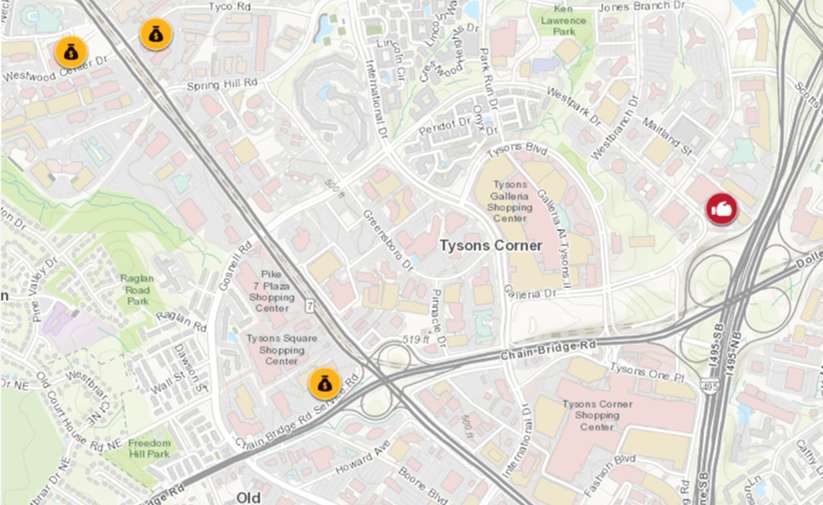
For more than 14 years, the Fairfax County Police Department has offered information about calls for service using a web-based mapping system.
The latest platform — which recently took on a new name after CrimeReports.com merged with Motorola — is called CityProtect.
Although the platform now has a different name following the merger, FCPD Sgt. Tara Gerhard says the features are the same. The department’s internal reporting system connects with the website to automatically publish an interactive map.
The service is free, and users can sign up to receive alerts. Users can also filter the data based on the type of incident and the date.
“CityProtect provides a convenient, web-based platform which allows us to continue to be transparent with our community by sharing local police-related information,” Gerhard said.
Incidents like domestic violence, traffic-related incidents, and homicides are not captured by the platform.
FCPD also recently launched a new data dashboard, which provides public information about arrests, citations, warnings and department training procedures and other policies.
Image via CityProtect
The trajectory of COVID-19 cases in Fairfax County continues its upward climb this week.
As of today (Monday), the trailing weekly average of new cases hit 471, with an all-time high reported on Saturday when cases hit a weekly average of 505.
While the county’s caseload continues to break all local records, the acceleration of new cases reported daily seems to have slowed slightly.
Nonetheless, the county reported the highest number of daily cases — 725 — last week on Dec. 7. Overall, the case trajectory continues to be exponential over the last month, suggesting that community transmission is occurring.
Another measure to determine community spread — the test rate positivity — remained high this week. The county’s rate is 10.6 percent, slightly down from last week’s rate of 11.5 percent. The state’s rate is 10.9 percent.
New statewide restrictions went into effect today, including a curfew from midnight to 5 a.m., a 10-person cap on social gatherings, and an expanded mandatory mask requirement.
An initial shipment of the Pfizer vaccine was cleared by the Food and Drug Administration last week. Virginia Gov. Ralph Northam stated that the Commonwealth would receive its first shipment within the following 24 to 48 hours with initial distribution targeted toward healthcare workers and long-term care facilities.
Meanwhile, the county is urging residents to celebrate the holidays with the people in their immediate household.
“We must find a way to recognize our traditions without putting ourselves and others at risk,” said Fairfax County Health Director Gloria Addo-Ayensu.
Here are some shopping tips for a healthy, safe and enjoyable holiday 🛍️
Check out our recommendations for family celebrations and entertainment: https://t.co/U2eRplxu3k pic.twitter.com/CpqHqa5TR9
— FairfaxCounty Health (@fairfaxhealth) December 13, 2020
Image via CDC on Unsplash
It has barely been 10 days since Fairfax County launched its annual Hypothermia Prevention Program, and it’s already clear that this winter will be unlike any other that Abby Dunner has experienced in her nearly decade-long work with the initiative.
Now the manager of the Fairfax County Office to Prevent and End Homelessness, Dunner has been involved with the hypothermia prevention program since she was employed as a case manager and assistant by the nonprofit FACETS in 2012.
The COVID-19 pandemic, however, forced Dunner and the other county and nonprofit officials who run the program to completely reengineer their operations, which were well-honed after 15 years of providing shelter for people in need during the coldest months of the year.
This year’s hypothermia prevention program, which started on Dec. 1 and runs through Apr. 1, 2021, must contend not only with the public health risks and social distancing protocols created by COVID-19, but also the looming threat of a surge in homelessness if emergency assistance measures end.
“We recognize the challenges and kind of the unique situation that we’re in, but everybody is also very much on board with understanding that the program has to continue,” Dunner said. “We have to still be able to shelter people who are experiencing homelessness.”
County officials and the nonprofit contractors that operate the hypothermia prevention shelters realized early on that they would have to make major changes to the program to make it viable this year.
Dunner says the Office to Prevent and End Homelessness collaborated extensively with the Fairfax County Health Department throughout the planning process. Health officials walked through each site and recommended ways to implement social distancing as much as possible.
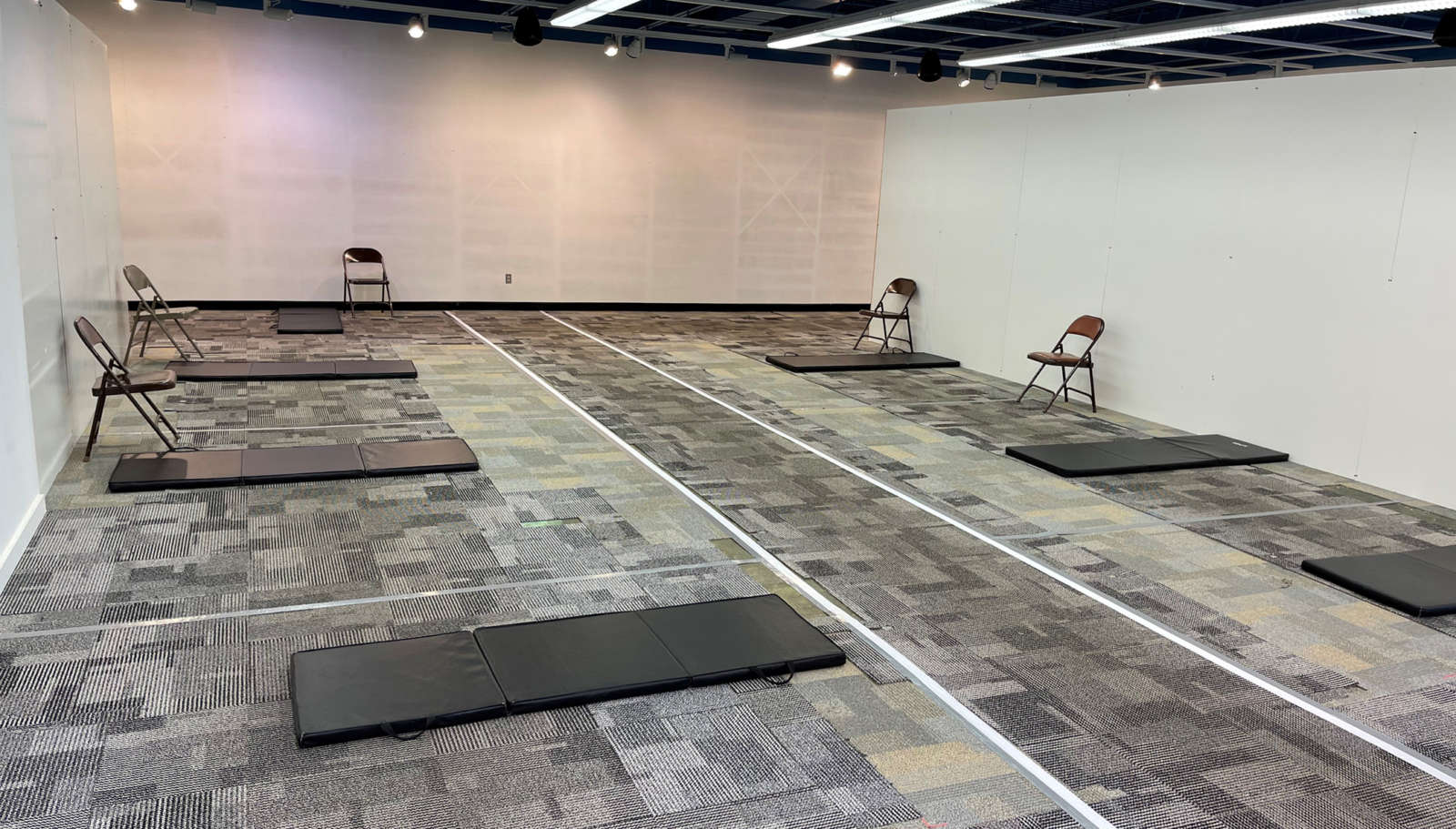
Typically, the county relies on faith communities and nonprofits to host the actual shelters, which rotate between different locations every week, but the churches and other buildings usually utilized were too small to allow for the approximately 100 square feet of space sought per guest.
This time, the county turned to its own facilities, ultimately identifying seven sites that were sufficiently spacious, centrally located, and accessible by public transportation.
The ideal site for Central Fairfax, which includes the Tysons area, turned out to be a former Container Store at 8508 Leesburg Pike in Vienna.
According to Mike Dykes, the hypothermia coordinator for FACETS, which is operating the site, Fairfax County had been renting it out to George Mason University as a storage space before realizing it could be repurposed. At roughly 19,000 square feet in size, it can accommodate up to 84 shelter guests with social distancing.
“It’s quite a lot of space, much larger than the spaces we were looking at earlier and larger than most of the spaces we’re at in other years,” Dykes said.
Dunner says the hypothermia prevention program generally serves about 1,200 people across its four months of operation, and roughly 215 people utilize the shelters each night.
Though only a handful of people stayed at the Container Store site for the first couple of nights, the shelter averaged about 26 guests over the program’s first seven days, reaching 40 people on Dec. 7 with numbers expected to continue rising, according to Dykes. Read More

The Fairfax County Board of Supervisors met with the Fairfax County History Commission on Tuesday (Dec. 8) to discuss Confederacy-associated street and place names across the county.
This project began over the summer when the board directed the commission to create an inventory of places and structures within the county that have ties to the Confederacy after Black Lives Matter protests spread around the country following the May 25 death of George Floyd.
The resulting report identified more than 26,000 streets and places, leading the board to narrow its focus to 650 well-known Confederate officers and locally-known Confederates. After researching those names, the Commission found 150 assets to have confirmed Confederacy-associated names, according to the presentation by Anne Stuntz, the chairwoman of the history commission.
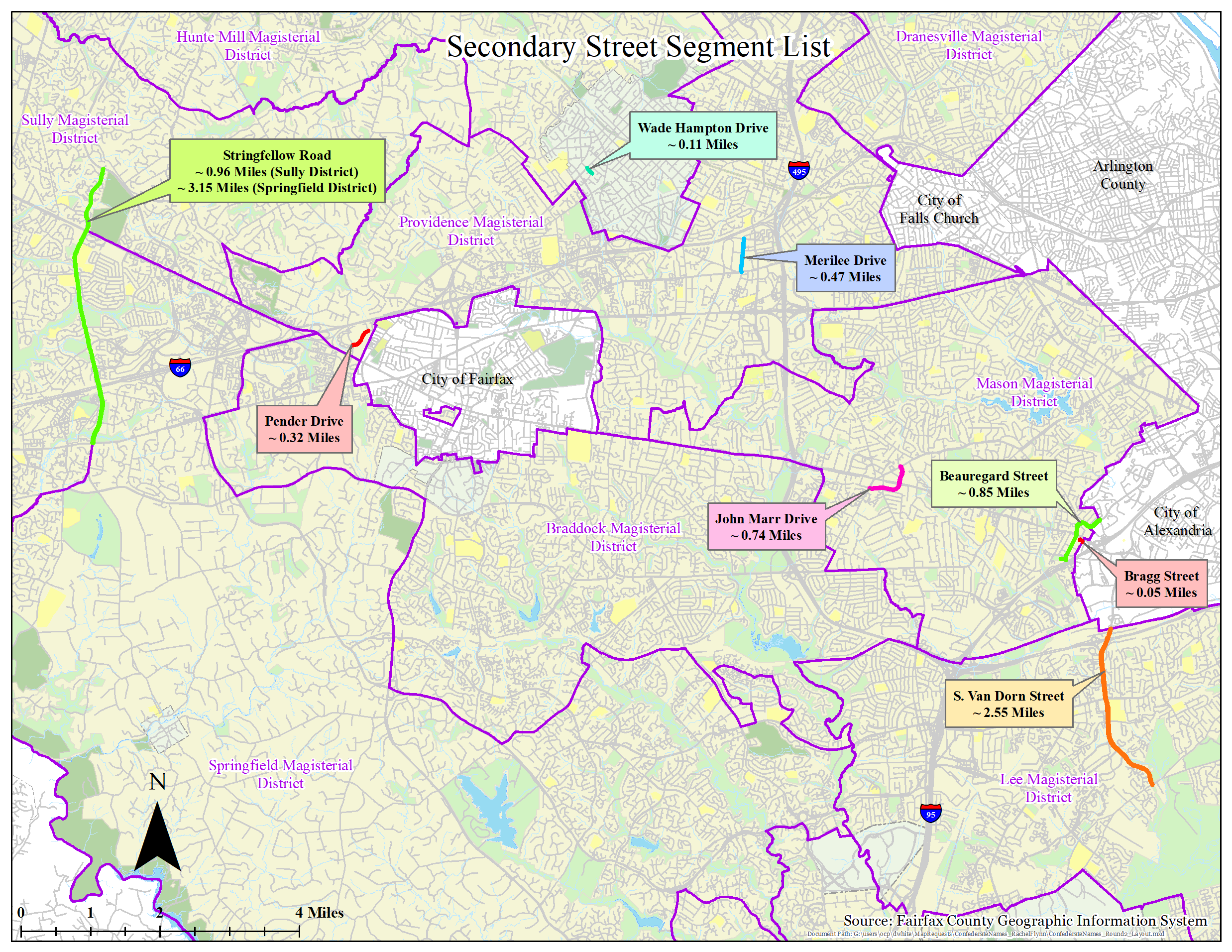
Hunter Mill District has four identified sites: the Lee Manor Subdivision, Fort Lee Street, Mosby’s Landing Condominium Complex, and Wade Hampton Drive.
Providence District encompasses 44 sites, the most of the county’s nine magisterial districts. The list includes Lee Highway, Pender Drive, Oak Marr Park, and the Stonewall Manor subdivision.
The commission recommended that the Board of Supervisors create a public dialogue on the issue through public meetings and community gatherings before deliberating and taking definitive action on the Confederate names. The commission also recommended archiving the extensive project research in the Virginia Room at the City of Fairfax Regional Library.
Fairfax County Department of Transportation Director Tom Biesiadney said that the Commonwealth Transportation Board would require public input and a formal request from the Board of Supervisors if the county decides to petition to change the name of Lee Highway and Lee-Jackson Memorial Highway.
In response to the Confederate names project, the history commission is collaborating with local African American organizations, including religious, social, and community groups, on a 2021 initiative to compile research materials on African American communities in Fairfax County.
The county supervisors shared their appreciation for the history commission’s extensive and intricate research. They also mostly agreed that the first priority should be renaming highways, and from there, they could start a community process for renaming secondary and neighborhood streets.
Lee District Supervisor Rodney Lusk expressed concern regarding the history of his district’s name.
“I was hoping that there’d be something more definitive about Lee District, in terms of where its name originated, but it appears that we still have the same set of ambiguity,” Lusk said. “We will have to have a community conversation about this name of this district.”
Springfield District Supervisor Pat Herrity warned against rushing into the name change process in the midst of the COVID-19 pandemic, emphasizing the need for “robust community participation” before moving forward.
Image via the Fairfax County History Commission
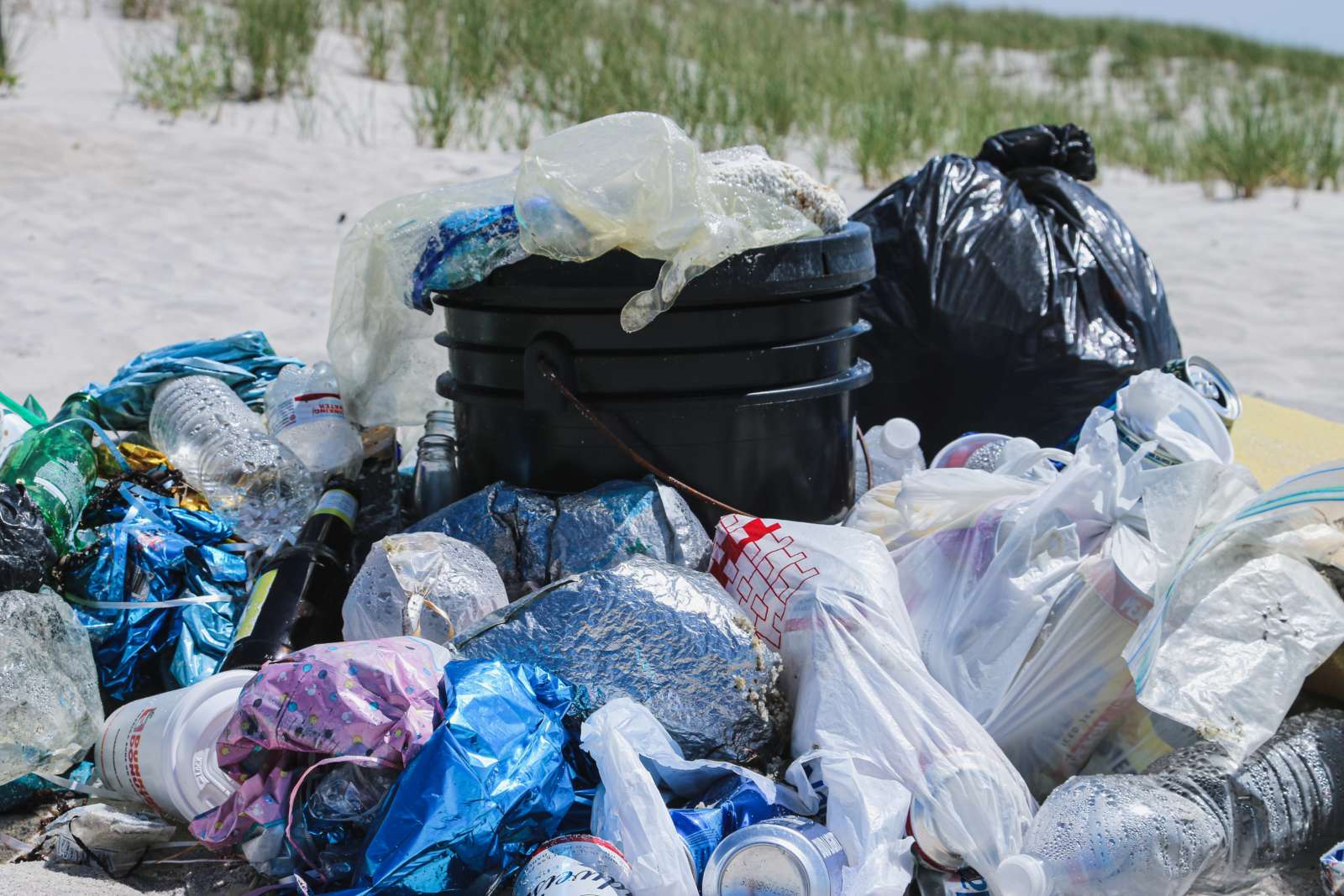
The Fairfax County Office of Environmental and Energy Coordination proposed a process for establishing a five-cent plastic bag tax during the Fairfax County Board of Supervisors’ Environmental Committee meeting on Tuesday (Dec. 8).
According to OEEC Deputy Director Susan Hafeli, legislation adopted by the Virginia General Assembly earlier this year now gives the county the ability to adopt an ordinance imposing a five-cent tax on most disposable plastic bags provided by grocery stores, convenience stores, and drugstores.
As of right now, the state has not established specific guidelines for the creation of a plastic bag ordinance. Instead, the state intends to wait until a locality adopts an ordinance to consider guidelines, according to the presentation.
Revenue collected from the new tax would be appropriated for environmental clean-up, mitigation of pollution and litter, education, and the provision of reusable bags to recipients of a federal food support program, according to Hafeli.
The proposed plastic bag tax could generate annual aggregate local revenues of between $20.8 to $24.9 million statewide, though the tax may be more of an “impetus to behavior change rather than a revenue generator,” Hafeli said.
Across the region, the Northern Virginia Regional Commission Waste Management Board has begun exploring the issues laid out in the legislation, according to Hafeli. Additionally, Arlington County is planning to convene a public workgroup in early 2021 to discuss the adoption of a plastic bag tax and issues regarding equity in the county.
The OEEC anticipates that the process of determing whether Fairfax County should instate a plastic bag tax will occur in two phases. The first phase will focus on public engagement, which would include developing a website, holding one or more workshops for input, and releasing an electronic survey.
The second phase will focus on the development of the ordinance and would involve updating the webpage with the proposed ordinance and requests for comments, giving presentations to the board, and holding a public hearing, according to Hafeli.
Several supervisors expressed concerns about the confusion regarding state guidelines, equity issues within the community, and the ability to collect sufficient research on the topic, especially in the midst of the pandemic.
However, most supervisors agreed that the environmental issue with plastic bags is significant, and that data from other jurisdictions, including the work that Washington, D.C., has done around the Anacostia River, has shown a plastic bag tax to have positive environmental effects.
Moving forward, the Board is looking to clarify the state’s policies while working in conjunction with regional partners and plan for further conversation on how to create the ordinance.
The next Environmental Committee meeting will take place on Tuesday, Feb. 2 at 11 a.m.
Photo by Brian Yurasits/Unsplash