

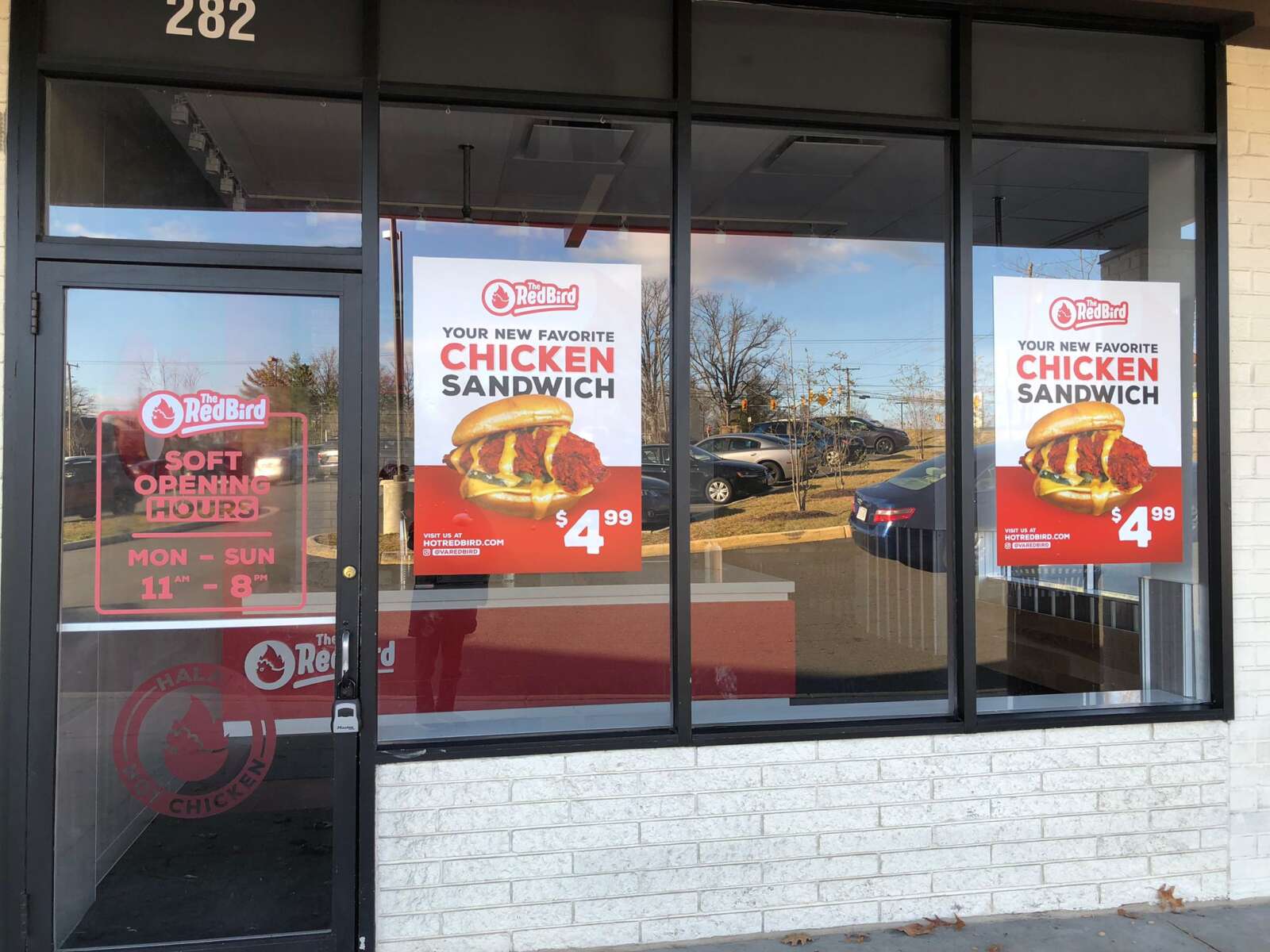
The Red Bird has landed in Vienna.
The hot chicken chain’s first Northern Virginia franchise is in the midst of a soft opening at 282 Cedar Lane in the Cedar Park Shopping Center, where it has replaced the McDonald’s that closed in 2022. The location is currently open daily from 11 a.m. to 8 p.m., according to Instagram posts.
The restaurant says there are “plans underway for our grand opening extravaganza,” but no date has been set yet. A spokesperson didn’t return a request for comment by press time.
Tariq Diab, who is overseeing The Red Bird’s Northern Virginia operations, previously told FFXnow that free sandwiches will be offered to the first 1,000 guests at the official opening.
Started just last year in Los Angeles, California, The Red Bird has operated pop-ups in Virginia and D.C. in the past, but the Vienna restaurant is its first permanent location in the area. A second franchise is coming to Reston’s South Lakes Village Center, and the company has said leases are in the works in Arlington, Falls Church and Ashburn.
Distinguished by its use of halal food, the chain sells chicken tenders, sandwiches, rice bowls and fries. Spice levels start at mild and top out at “Fck You Cra.” The company says it also makes everything fresh with no preservatives.
Other dining options at Cedar Park include Pizza Boli’s, Hunan Delight, Sushi Koji and Lezzet Restaurant, but The Red Bird is the first addition since America’s Best Wings and Toby’s Homemade Ice Cream opened in 2022. The women-focused gym Starfit Studios also opened earlier this year.
The shopping center will send out 2023 with a free “Noon Year’s Eve” celebration from 11 a.m. to 2 p.m. on Sunday, Dec. 31. A noon ballon drop countdown, a pop-up artisan market and vendor fair, DJ music, giveaways and other activities are planned for the event, which is being organized in partnership with Vienna’s economic development office.
At the halfway point of his administration, Virginia Gov. Glenn Youngkin unveiled a budget proposal that calls for significant income tax cuts, increases in state sales and use tax — and a push to get rid of the car tax, which the Republican called “the single most hated tax” in Virginia.
“The car tax belongs in the trash can and not in your mailbox,” he said.
Speaking to the state’s joint money committees Wednesday morning, Youngkin reiterated his familiar themes that Virginia must take action to reverse ongoing population losses to other states and reduce residents’ tax burdens.
“Across the country today, there are winning states and there are losing states,” he said. “Virginia must compete even harder.”
But the governor’s speech took a less political tone than earlier addresses to the state’s legislative budget architects, offering fewer criticisms of prior administrations and acknowledging that Virginia government remains divided after Democrats narrowly won control of both chambers of the legislature this November. That outcome dampened Youngkin’s prospects for a presidential run and will force him to work across the aisle to achieve his key priorities.
Because Virginia operates on a two-year budget that is amended annually, the “Unleashing Opportunity” budget presented by Youngkin Wednesday represents the governor’s first crack at crafting a state spending plan from whole cloth. The last two-year budget, which was passed in 2022, was based on a plan from outgoing Democratic Gov. Ralph Northam.
With power divided between Democrats and Republicans in Richmond and historic state surpluses fueled by pandemic-era relief spending, the past few years have seen unusual levels of contention over the state budget. Amendments to the spending plan, ordinarily passed at the time the General Assembly adjourns in late February or early March, took until September this year to come to fruition as the parties bickered.
“I would ask us to deliver a budget on time when you adjourn sine die in March,” Youngkin told the money committees on Wednesday, referring to the final adjournment of the legislative session. “Virginians deserve it, and I know we can do it.”
This year, lawmakers will have less money at their disposal, with pandemic-era infusions of cash at an end and state economic officials projecting a mild recession beginning in the last quarter of fiscal year 2024.
The “overwhelming consensus” of state leaders, said Youngkin, was that in developing the budget, “we should build in caution.”
Democrats have already signaled concerns with the governor’s spending plan — and some surprise.
“I heard the governor say this was halftime. And he came back out as a Democrat, a lot of tax increases,” wisecracked incoming House Speaker Don Scott, D-Portsmouth, in an exchange with Virginia Secretary of Finance Stephen Cummings.
Senate Democrats on Wednesday afternoon issued a statement calling the governor’s budget “absolutely disgraceful” and “a slap in the face of our most vulnerable individuals.”
“We are smart enough and bold enough to know that his speech was the highlight reel and that he omitted the dirty details of his plan,” the caucus wrote. “Governor Youngkin believes that ensuring more tax cuts for wealthier individuals is most beneficial for low income individuals in our commonwealth.”
The proposal put forward by the governor Wednesday marks only the beginning of the state’s budget season. When the General Assembly convenes Jan. 10, both chambers will have a chance to modify Youngkin’s budget, removing parts they don’t like and accepting or strengthening those they do. The House and Senate will then need to reconcile their two versions of the plan — a process that historically has occurred behind closed doors through the legislature’s opaque conference committee system — and send it to the governor for his review.
“While we appreciate Governor Youngkin for sharing his budgetary vision today, it is imperative that we have a thorough examination of his proposal,” said Del. Luke Torian, D-Prince William, the incoming chair of the House Appropriations Committee. “This is the starting point to construct a budget that not only reflects our dedication, but also secures prosperity and fairness for every resident in the commonwealth.”
Here’s some of what Youngkin is proposing at the starting line.
Tax reforms
Youngkin has heavily emphasized tax reduction over the course of his administration, and the issue is the centerpiece of his budget proposal. Reducing the cost of living for Virginians, he argued Wednesday, requires reducing tax burdens and modernizing the state’s sales tax code.
He is calling for a 12% cut in income taxes across the board that would see the tax rate drop from 2% to 1.75% for the lowest bracket and from 5.75% to 5.1% for the highest.
“This cut reduces the personal income tax burden on Virginians by $1.1 billion in fiscal year 2025 and $2.3 billion in fiscal year 2026 and is a major, major step towards competing,” Youngkin said. “The data is clear: Since 2021, 26 states have cut individual income tax rates.”
To partly offset that loss in state revenues, the governor is proposing to increase the state’s sales and use tax from 4.3% to 5.2%, as well as expand the base of goods and services that tax applies to.
“Virginia taxes a narrow set of goods while our peer states tax a broader set of goods and services,” said Youngkin. To remedy that, he is asking the state to close what he called the “Big Tech tax loophole” on digital goods such as software packages, digital downloads, streaming services and more, “on which today, Virginia collects nothing.”
Democrats have already pushed back against the tax changes. In a statement, Scott said Virginia “must champion policies that address the pressing issues faced by our citizens – not those that would be detrimental to the financial well-being of low-income and middle class households, exacerbating economic disparities. By lowering taxes for the wealthiest Virginians and raising local and state sales tax, the burden is shifted onto those least able to afford it.”
Asked about those concerns, Youngkin said he was “very cognizant” of them, “and that’s why we included an increase in the earned income tax credit, so that in fact there would be support for Virginians who are on the lower-income scale.”
Under the governor’s plan, lower-income residents would be able to claim an enhanced earned income tax credit equal to 25% of the federal credit, rather than the existing 20% credit.
“We can reduce the tax burden and include a very important tax reform, which is shifting the burden of personal income taxes onto a sales tax system that is truly outdated and archaic,” he said.
Car tax
While not included in his budget plan, the governor urged lawmakers to work to permanently eliminate the car tax local governments are currently allowed to levy and instead have localities rely on further increases in sales tax.
“Everywhere I go, I consistently hear, ‘Please help us get rid of the car tax,’” he told reporters. “We need to work together to get rid of this.”
Outgoing Sen. John Edwards, D-Roanoke, noted the commonwealth spends almost $1 billion annually to reduce the car tax in localities and asked whether getting rid of the tax would require a constitutional amendment.
“The [Virginia] Constitution gives the car tax to the localities,” he said. “So how’s [he] going to do that, to abolish the car tax?”
Cummings said eliminating the tax would require a complex process and “a lot of changes and legislation.”
After his presentation, Youngkin told reporters, “I believe we would not eliminate the state subsidy of $950 million a year, that we can work in collaboration with local governments to settle on an increase in local and state sales and use taxes.”
Continued increases in education spending
Over the next biennium, Youngkin is proposing an additional $764 million for Virginia’s K-12 schools, including $160 million for re-benchmarking — the process of updating the amounts the state provides in direct aid to schools — $122 million to cover another 2% raise for teachers in fiscal year 2026 and $53 million for a 1% bonus in fiscal year 2025.
Youngkin also proposed investing $61 million to expand the hiring of reading specialists, $40 million to support students seeking industry-recognized credentials through “Diploma Plus” grants and $40 million to develop a new state assessment system.
More behavioral health investments
Youngkin is proposing $316 million in the budget for his “Right Help, Right Now” plan to further expand access to behavioral and mental health services across the commonwealth. This includes over $150 million to add additional developmental disability waivers, which fund services for people with long-term care needs. The governor’s plan aims to provide waivers to the 3,400 Virginians currently on the “priority one” waitlist — consisting of those individuals who urgently need the services and support offered by the waiver in a year or less.
“This is going to be a big initiative, but with the providers out there seeing this money is there, I think we can generate the kind of infrastructure we need to help address this important area,” said Virginia Department of Planning and Budget Director Michael Maul.
Over $35 million will go toward funding additional crisis services, like Virginia’s 988 suicide and crisis system and crisis stabilization units, to minimize response services that rely on emergency rooms and hospitals.
An additional $58 million is being invested in behavioral health loan repayment, more clinical training sites and residency slots and salary increases for state hospital clinicians. A new JLARC report this month found Virginia’s nine psychiatric hospitals are increasingly short on both beds and staff, which poses risks for both patients and personnel.
When it comes to hiring, “we are competing with McDonalds and Starbucks,” Maul said, “and it’s hard sometimes to get the people we need.”
Medicaid spending
The budget includes $714 million to fund the cost of Medicaid while adjusting for inflation.
Maul said this biennial budget includes significantly more money than the previous two-year spending plan because the state’s Health Care Fund, which is sourced from tobacco taxes, has less money to cover Medicaid costs than it did in prior years.
During COVID, Maul said Medicaid enrollees “weren’t going to their doctors or getting their checkups,” so Virginia spent less to pay for providers than what was initially budgeted. Now, he said, the state is expecting a significant rise in utilization.
“We’re not expecting very big amounts to go into the Health Care Fund, and tobacco tax revenues are going down,” Maul said. “We believe we’re going to need over $250 million a year to help offset the fact that those funds will not be available to help with Medicaid.”
Child care
The Building Blocks for Virginia Families initiative, announced by Youngkin earlier this month, would put $437 million toward child care and early childhood education programs in an effort to keep child care accessible to families struggling to shoulder its high costs.
Wednesday’s proposal is $10 million less than the governor previously outlined but would put $412 million toward the state child care subsidy program and $25 million to help with startup costs for providers in areas that lack child care services.
“We were using a big chunk of one-time funding, of public funding, to help subsidize the cost for child care,” said Maul. “That’s one of our biggest economic development issues, because if workers can’t find child care, they can’t get to work.”
A state report by the Joint Legislative Audit and Review Commission recently found that child care is unaffordable for the vast majority of Virginians.
“The whole goal is to make sure that anybody in the program today and those who would likely be in the program can continue to do so in the next biennium,” said Maul.
No new increases for Metro
Despite Metro’s threats of potential service cuts and fare increases in response to a $750 million shortfall, the governor’s budget includes no additional funding for the bus and rail operator above the state’s normal allocation.
Youngkin said before any funding is appropriated, a plan must be created to address the change in ridership and demand for services.
A view of the Tysons Corner Metrorail Station in Fairfax County. (Nathaniel Cline/Virginia Mercury)
“I am a huge supporter of Metro,” Youngkin said after his presentation. “It is critically important to Virginia and the entire DMV. But we need to face reality here and develop a business plan that works for Virginia, for the District and for Maryland, and then we will talk about what we will do in order to support it.”
Metro said Virginia’s proposed contribution for fiscal year 2025 is $347.9 million.
Metro said it needs notification of what the neighboring jurisdictions will provide by mid-March to make any budget adjustments.
Photo via Virginia House of Delegates/Flickr. This article was reported and written by Sarah Vogelsong, Nathaniel Cline, Charlie Paullin and Meghan McIntyre for the Virginia Mercury, and has been reprinted under a Creative Commons license, with some edits for length.

Report Recommends Options for Closing Metro Funding Gap — “The report, issued Tuesday by a working group of the Metropolitan Washington Council of Governments, suggests boosting local jurisdictions’ collective subsidies to Metro by as much as $462 million, plus various additional compromise measures.” Suggestions include fare increases and “targeted service reductions” that could be less drastic than the partial Silver Line closure proposed by WMATA. [Washington Business Journal]
Three Arrested for Theft and Fraud at Tysons Clothing Store — “The Tysons Urban Team (TUT) detectives arrested a crew believed to be responsible for multiple fraudulent transactions and recovered property belonging to U.S. Postal Service (USPS). At 2:14 p.m. on December 15, detectives responded to the Diesel store in the McLean area for a suspicious person call. A store employee recognized several suspects from a fraudulent purchase that was made a few weeks prior.” [FCPD]
Winter Lights Festival Returns to Reston Lake — “Residents on Lake Thoreau decorate their lake-facing homes and boats with lights, and generous Restonians pledge to make donations to local nonprofits…Lake Thoreau residents that want to participate should have their boats and homes lit on Thursday, Dec. 21 for the official count, weather permitting.” [Reston Letter]
FCPS Sticks With Employee Health Insurance Provider — “Employees and retirees of Fairfax County Public Schools got a Christmas present — or perhaps better put, a New Year’s Day present — their counterparts [in] one locality to the east did not.” At a Dec. 14 meeting, the school board approved a renewal of an agreement with Kaiser Permanente “to provide health services to about 5,550 FCPS employees and retirees and their 4,921 dependents.” [Gazette Leader]
Vegetarian Vietnamese Restaurant Opens in Lake Barcroft — “There’s a new dining option for vegetarians — Chay, a Vietnamese vegetarian restaurant in Barcroft Plaza, had a soft opening on Dec. 18. It’s located at 6351 Columbia Pike next to Jake’s Ice Cream.” The owners say permitting “took forever” but they’re now glad to “offer healthy alternatives.” [Annandale Today]
Affordable Housing Waitlists Open Next Month — “Those interested in applying to affordable housing waitlists have the opportunity to do so beginning Monday, January 8, 2024, at 8:00 a.m. through Sunday, January 14, 2024, at 11:59 p.m. for select properties,” including two-bedroom apartments at One University in Fairfax and studio units at Audubon Apartments in Hybla Valley. [FCRHA]
Christmas Trees Still Available at Reston Market — “If you’re still in need of a live Christmas tree, there are plenty to choose from at the Reston Farm Garden Market. Bonita Weinstein, co-owner of the Reston Farm Garden Market, joined Eileen in-studio to talk about all they offer during the holiday season and beyond.” [WJLA]
FCPD Offers Inside Look at SWAT Team — “The FCPD’s Special Weapons and Tactics (SWAT) team of our Special Operations Division has been handling high-risk and critical incidents for nearly 50 years.” The team was originally created as a part-time unit in 1975 “in response to the high-profile relocation of the Exxon Headquarters to Fairfax” and has since become one of only two full-time teams in Northern Virginia. [FCPD]
It’s Thursday — Expect a sunny day with temperatures reaching up to 46°F, accompanied by a north wind at around 7 mph. As for Thursday night, the skies will be mostly cloudy, experiencing a low of around 30°F, while the north wind will continue at a speed of 3 to 5 mph. [Weather.gov]
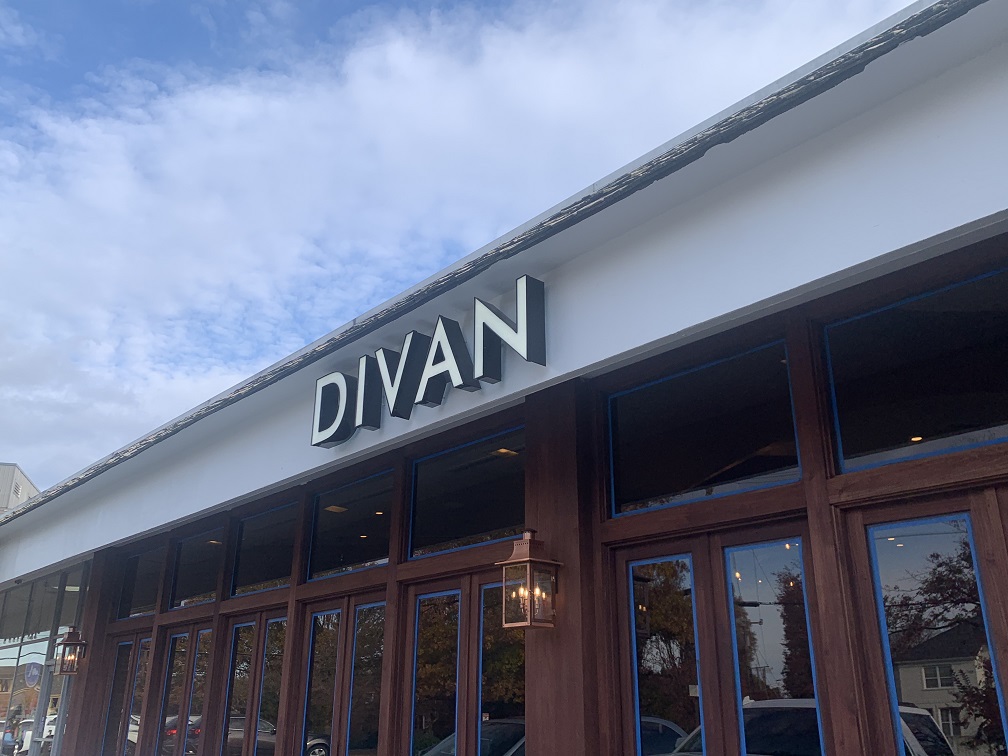
The man behind Divan in McLean has been sentenced to nearly five years in prison for failing to pay taxes and stealing COVID-19 relief funds — including money used to establish the Persian restaurant.
Gholam “Tony” Kowkabi, 63, of Vienna was sentenced by a federal judge on Monday (Dec. 18) to 57 months in prison after pleading guilty on Aug. 14, the U.S. Attorney’s Office of D.C. announced.
His wife Karen Kowkabi, 64, also pleaded guilty to tax evasion and has been sentenced to 24 months of probation.
The pair has also agreed to pay the $1.35 million that they owe the IRS, and Gholam Kowkabi must pay $738,657 to the Small Business Administration as restitution for the relief funds that he got to support his Georgetown restaurant, Ristorante Piccolo, during the COVID-19 pandemic but spent instead on personal expenses.
“As part of his guilty plea, Mr. Kowkabi acknowledged having spent money intended to help his business on a waterfront condo in Ocean City, Md., as well as personal investments, vacations for his family, and college tuition for his adult children,” the U.S. Attorney’s Office said.
After serving the prison term, Gholam Kowkabi will be on supervised release for three years.
According to prosecutors, the couple avoided paying federal income and employment taxes from 1998 to 2018 “by concealing assets and obscuring…large sums of money” through property purchases, false entries in their business records and the use of business bank accounts to hide personal purchases.
During that time frame, the Kowkabis owned and operated Ristorante Piccolo, which opened in 1986, as well as the restaurants Catch 15 and Tuscana West, which were also located in D.C. Tuscana West, an Italian eatery, closed after 20 years in 2014, while Catch 15 closed in 2018, not long after filing for bankruptcy protection.
According to the press release, Gholam Kowkabi received over $1.6 million in federal COVID-19 relief funds — including Paycheck Protection Program (PPP) loans, an Economic Injury Disaster Loan and Restaurant Revitalization Funds — between May 13, 2020 and July 27, 2021.
Instead of using all the money to cover Ristorante Piccolo’s expenses as intended, he spent more than $500,000 to buy a waterfront condo in Ocean City, over $250,000 to build homes in Great Falls, and over $78,500 to establish Divan, which opened at 1313 Old Chain Bridge Road in December 2021.
Funds were also used to on mortgage payments, vacations, personal legal expenses, home improvements and college tuition payments, according to prosecutors.
Gholam Kowkabi was previously sentenced to 18 months in prison for evading $2 million in D.C. sales taxes.
While Divan is still operating, Ristorante Piccolo has been closed since June after suffering damage from a two-alarm fire, including the collapse of its roof.
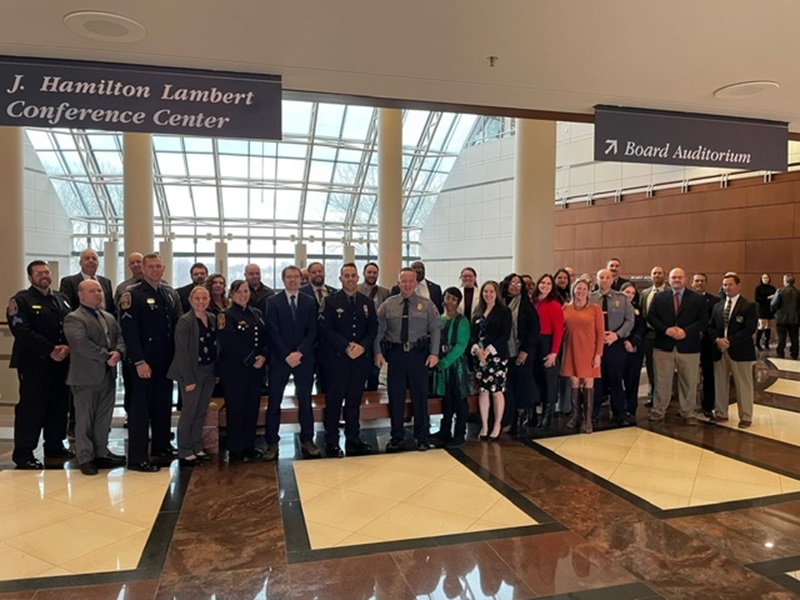
For the first time in over four decades, Fairfax County’s police officers and firefighters got an opportunity this year to negotiate their pay, benefits and working conditions with the local government.
The collective bargaining process led to new contracts for Fairfax County Police Department and the Fairfax County Fire and Rescue Department employees that union representatives and county leaders both lauded as meaningful wins for public safety workers.
The Fairfax County Board of Supervisors voted 9-1 on Dec. 5 to approve the agreements with the Fairfax chapter of the Southern States Police Benevolent Association (SSPBA) and the International Association of Fire Fighters (IAFF) Local 2068, committing the board to making a “good faith” effort to funding the pay increases and other contractual obligations in the county’s next budget.
Set to retire at the end of this year, Mason District Supervisor Penny Gross called the collective bargaining agreements “the heaviest lift” of her 28 years as chair of the board’s personnel committee. Though there was interest in letting employees negotiate their contracts when she was first elected, Virginia didn’t give localities that authority until 2021.
“It took seven terms to get us there and a change in the General Assembly,” Gross said. “But I am very pleased we are where we are…I think we are now in a place where we will be able to move forward with our employees, especially for our [public] safety and firefighters, and this is a nice note to go out.”
What’s in the contracts
Gross and Board of Supervisors Chairman Jeff McKay credited IAFF Local 2068 as an early advocate for collective bargaining. The board approved an ordinance in October 2021 that gave police, firefighters and general county employees the ability to negotiate their contracts through a union, an option that Fairfax County Public Schools workers also secured this past March.
Key provisions of the Local 2068 agreement include a new pay plan with a higher starting salary and annual raises for the first 25 years of service, pay for training, an additional period of light duty for workers after a pregnancy and a pay incentive for higher education, according to IAFF Local 2068 President Robert Young.
The contract also lets the union create a committee to review and make recommendations on insurance coverage, and both parties agreed to form a Joint Labor Management Committee to recommend future contract changes — potentially including reduced work hours for FCFRD workers who go into the field. A study to determine the cost and a timeline for a reduction must be completed by Jan. 1, 2026.
“We believe that this contract will be a solid foundation for future negotiations and give us the ability to collaborate to resolve future issues,” Young said in a statement. “…We were able to forecast some future needs like work hours and some of our vendors for benefits.”
Young said he’s confident that the contract’s financial components will be funded in the fiscal year 2025 budget, which will start on July 1, after the county and union negotiators “spent several months working to deliver a contract that was fiscally responsible and resolved some of the issues our members faced.”
Ratified by union members on Nov. 8, the contract will be in effect from July 1, 2024 through June 30, 2027. In addition to firefighters, medics, mechanics and other FCFRD personnel, it covers 911 call takers and dispatchers in the Department of Public Safety Communications.
On the police side, the SSPBA announced that its contract will increase officer pay by 12% over the next three fiscal years, provide “more equitable access” to leave and a more “streamlined” grievance process that includes the right of employees under investigation to be accompanied by a union steward.
Covering the same time frame as the IAFF agreement, the contract was ratified by SSPBA members on Nov. 9.
“This is a big win for police officers and will ultimately help Fairfax County as a whole,” said Will Thetford, a senior associate attorney with Simms Showers, which provided legal counsel to SSPBA. “It ensures fair pay and fair treatment for Fairfax’s police officers. It is our hope that this agreement will help the County recruit and retain good officers and ultimately serve both the officers and the citizens that they serve.”
At the board meeting, Providence District Supervisor Dalia Palchik said she was glad to see the contracts include support for physical and mental health and wellness services, calling the vote a “historic moment.”
Contracts will have impact on county budget
Springfield District Supervisor Pat Herrity was the lone downvote for both agreements, despite his past advocacy for increased public safety pay. The board’s sole Republican, Herrity expressed support for many of the provisions, including on compensation, but took issue with the board’s lack of input on the county’s objectives during collective bargaining.
“I don’t know if that’s a good way to manage, to turn it over to staff and let them hammer it out with our public safety officials without board input or report back to the board on what’s in here and what’s not,” Herrity said.
Observing that Herrity regularly votes against adopting the county’s annual budgets, McKay and Braddock District Supervisor James Walkinshaw argued that the goal of collective bargaining is to give employees an opportunity to advocate for themselves.
“The point was to get the public safety folks at the table, to hear from them and not the politicians who try to speak for them, which unfortunately happens on this dais and most of the time is not right,” McKay said.
The county’s first public-sector collective bargaining agreements since the Virginia Supreme Court let a ban take effect in 1977 come at a time when the local government is bracing for budget constraints. County Executive Bryan Hill will release his proposal for fiscal year 2025 on Feb. 20.
According to county staff, the IAFF agreement will cost $54.4 million over three years, including $24.7 million in its first year. The total fiscal impact for SSPBA agreement will be $67.5 million, including $33 million for the first year.
Walkinshaw noted that the county “would’ve incurred a lot of those costs with or without” collective bargaining, since it reviews compensation, staffing and other components every budget cycle.
General county employees and FCPS employees have yet to hold elections to determine their bargaining representatives, so their future contracts aren’t expected to be in place in time to affect the next budget.
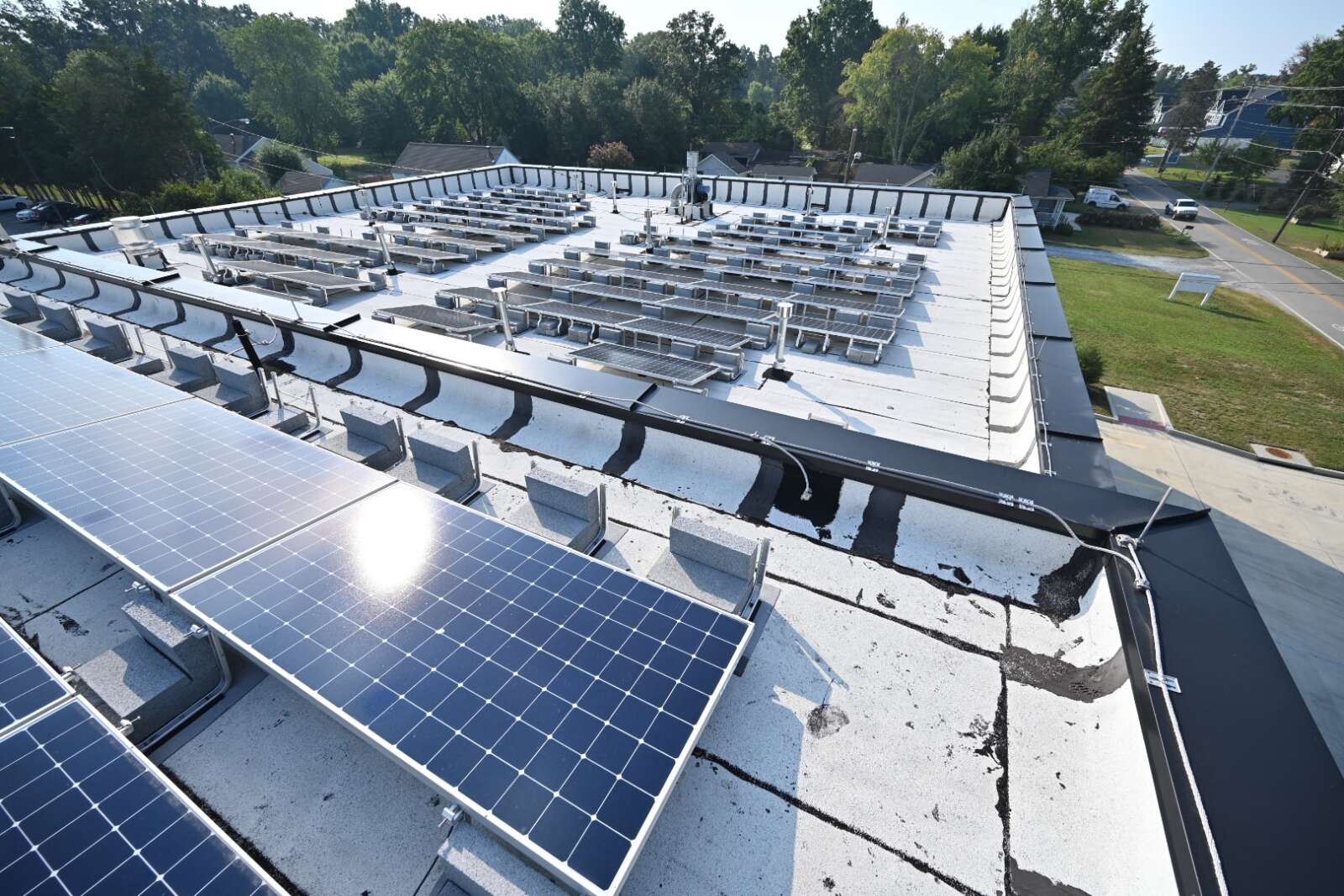
The public can get a closer look at Fairfax County’s efforts to combat climate change with an updated Climate Action Dashboard.
The dashboard updates, released yesterday (Dec. 18) by the Fairfax County Office of Environmental and Energy Coordination (OEEC), include a new interactive map and sector-specific landing pages, so community members interested in buildings, for example, can view those metrics separately ones about waste.
Overall, the updated dashboard aims to highlight how data informs county decision-making and how positive results come to be through “collective effort,” per a county press release.
So far, progress includes a 30% reduction in greenhouse gas emissions between 2005 and 2020 and an increase in solar installations.
The county has an extensive set of climate-related goals, outlined in three plans. Two of those plans — the Community-wide Energy and Climate Action Plan and the Operational Energy Strategy — focus on emissions, while the third focuses on climate resilience against natural disasters like flooding and heat.
“Resilience means being able to bounce back fully from shocks and stressors that come our way without suffering permanent loss,” OEEC acting director John Morrill told the Board of Supervisors at an environmental committee meeting last Tuesday (Dec. 12).
The county is making progress on a variety of its environmental goals, according to a high-level summary Morrill presented at the meeting.
For example, it’s ahead of where it needs to be to retrofit at least 100,000 housing units with energy efficiency by 2030, and it has surpassed a goal of increasing telework and non-motorized commuting, though the OEEC acknowledges that could “regress” as more workers return to offices after the pandemic.
In other metrics, however, the county is behind its benchmarks. Just 10% of energy in the community comes from clean sources, when it should be at 20% to reach its goal of all clean energy by 2045, and 48% of waste is being diverted from landfills or incineration, a rate that should be closer to 60% to reach 90% by 2040.
Morrill noted that the county has more control when it comes to developing resilience than when reducing emissions.
“Emissions reduction is a national and global effort, and much is beyond our control or even influence,” Morrill said. “We’ll be more clearly defining the factors beyond county control to better calibrate our efforts and expectations to ensure that we are focused on making the most of what the county can do best.”
Morrill compared climate resilience to running on a treadmill as its speed increases, and said it may not be possible to reach 100% resilience.
“Nevertheless, the county’s resilience efforts are crucial to ensuring we do not fall off the back of the treadmill, which in this metaphor would mean permanent loss of life, property and resources,” Morrill said.
At the meeting, Board of Supervisors Chairman Jeff McKay said community engagement would be key to achieving the county’s climate action goals, including its target date of 2050 for achieving carbon neutrality.
“Without their engagement and involvement, we can’t achieve these overall goals,” McKay said.
An addendum to Morrill’s presentation provided updates on several county initiatives. For example, Charge Up Fairfax — a pilot program that assists residential communities with electric vehicle charging — launched with five neighborhoods this year. Another five neighborhoods were recently added.
Fairfax County’s cooling centers, which got revamped earlier this year, had 251 visits in 2023.
The OEEC will regularly add new and more up-to-date information to its Climate Action Dashboard, according to the press release. The board will receive more detailed information about the county’s progress on its goals early in the new year, Morrill said.
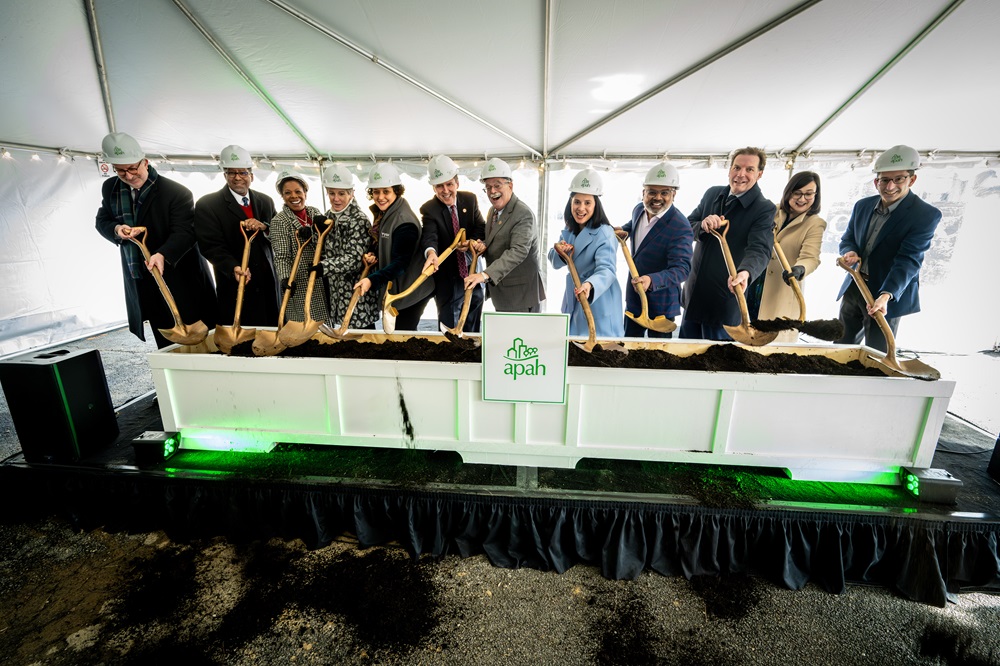
Construction has begun on a development that promises to bring hundreds of affordable housing units to Tysons.
Officials with Fairfax County, nonprofit developer Arlington Partnership for Affordable Housing (APAH) and other partners broke ground yesterday (Tuesday) on the Dominion Square project, which has been newly renamed The Exchange at Spring Hill Station.
Accelerated by a $55 million grant from Amazon, the development will consist of two 20-story apartment buildings with a total of 516 residential units and a new community center for Tysons. Located next to a Land Rover and Jaguar auto dealership, the housing complex will be reserved for residents earning 70% of the area median income (AMI) or less.
That focus on lower-income residents makes the project especially valuable in Tysons, Fairfax County Board of Supervisors Chairman Jeff McKay said during the groundbreaking ceremony, whose attendees included Rep. Gerry Connolly.
“Despite its economic muscle, Tysons has remained out of reach for many who work here to also live here,” McKay said. “That is why the groundbreaking of The Exchange at Spring Hill Metro is so important. We are providing homes for those who fuel the local economy. In order to remain the economic hub of Fairfax County, Tysons’ workers need to have the opportunity to live near where they work.”
According to APAH, which is leasing the land from the Fairfax County Redevelopment and Housing Authority, there will be 112 one-bedroom units, 306 two-bedroom units and 98 three-bedroom units. Units will be priced for households at varying incomes is as follows:
- 100 units for 30% AMI
- 125 units for 50% AMI
- 175 units for 60% AMI
- 116 units for 70% AMI
There will also be 100 units available through the FCRHA’s project-based voucher program.
This is the first fully affordable housing project to be built in Tysons, according to APAH President and CEO Carmen Romero.
“The residents who will call The Exchange home will have access to a vibrant and rapidly growing community full of opportunity and resources,” Romero said. “Yes, where you build matters, but who you build for matters just as much.”
Operated by Fairfax County Neighborhood and Community Services, the 30,000-square-foot community center will be free and open to the public. Planned amenities include a basketball court and fitness center.
Expected to be finished in approximately four years, construction on The Exchange comes amid a general uptick in activity in western Tysons, which has been slower to develop.
This summer, the Board of Supervisors approved an office-to-residential swap at the Highline at Greensboro District, and a conversion of the Sheraton Tysons Hotel in Tysons West is poised for a vote in January. In addition, the recent closure of three auto dealerships near the Spring Hill Metro station may have set the stage for redevelopment of Dominion Square East, which will be part of the same neighborhood as The Exchange.
In a press release, APAH shared more reactions to the project from yesterday’s groundbreaking:
“As the first 100% affordable multifamily development in Tysons, The Exchange at Spring Hill Station will provide residents with easy access to transit, access to some of the best schools, jobs and amenities in the region, all in the highly desirable Tysons community,” said Senthil Sankaran, Managing Principal, Amazon Housing Equity Fund. “We’re grateful for the opportunity to collaborate with APAH, with Fairfax County, Virginia Housing and the Governor’s office to support the creation of 516 new, family-friendly affordable homes.
“The Exchange is the latest example of how our partnership with APAH is creating more affordable housing for working families in a fast-growing community like Tyson’s Corner,” said Virginia Housing Chief of Programs Tammy Neale. “This project will benefit everyone who calls the Fairfax area home by leading the transformation of Spring Hill Road into a thriving mix of commercial and residential opportunities with access to public green spaces and other amenities.”
“The Exchange at Spring Hill Station will be the latest project to come out of our ten-year partnership with APAH,” said Larry Di Rita, President, Bank of America Greater Washington, D.C., which provided more than $227 million in financing for The Exchange. “The direct link between secure, affordable housing and financial success means that this development will make a positive difference on so many lives in Northern Virginia.”
“The Exchange development project is a shining example of expanding affordable housing throughout our region,” said Clark Construction’s Capital Group CEO, Lee DeLong. “We’re honored to build this project and contribute to a community that will provide safe and attainable housing for our Fairfax residents.”

Next Phase of Dulles Airport Taking Shape — “A team of planners at the Metropolitan Washington Airports Authority is working on a new vision for Dulles — one that could vastly expand the airport’s footprint and include construction of a new runway, concourses and completion of the AeroTrain system. The new master plan also could incorporate the next generation of transportation options…known as air taxis.” [Washington Post]
Burke Man Charged With Indecent Exposure — “At 12:46 p.m. on December 16, officers responded to a sex offense at the intersection of Coffer Woods Court and Blincoe Court in Burke. A victim observed a man running on a nearby trail exposing himself.” Police arrested a 53-year-old man, who “may have exposed himself on multiple other occasions along the Pohick Stream Valley Trail.” [FCPD]
Merrifield Design Company Lays Off Hundreds — “Custom Ink LLC is eliminating all in-house production of its custom printed shirts and other swag, resulting in the closure of its remaining production facility in Dallas and hundreds of layoffs. Custom Ink notified 490 employees on Dec. 8 that their jobs are being eliminated,” including 83 employees based in Virginia. [Washington Business Journal]
Woodlawn Furniture Showroom to Close — “For 37 years, Duane Collie has owned and operated the Keeping Room, a two-floor custom furniture store located at Potomac Square.” After sharing in September that he will retire, Collie is looking to clear the store’s remaining inventory before a jewelry store takes over the space in late February. [On the MoVe]
County Board Updated on Major Road Projects — The Virginia Department of Transportation’s acting megaprojects director Michelle Shropshire gave the Fairfax County Board of Supervisors updates on “a host of projects that are finished, under construction or the drawing board” last week. Highlights include more than 1 million trips per month on the new I-66 Express Lanes since they opened outside the Capital Beltway last year. [Gazette Leader]
Herndon Satellite Company Makes First Acquisition — “Fresh off raising $68 million from a number of big-name investors, Herndon-based analytics company HawkEye 360 Inc. has struck an acquisition that will expand its data-gathering capacity. The company…has acquired RF Solutions from its parent company, Maxar Intelligence. Its first-ever deal gives HawkEye 360 two additional satellites, named Charlie and Delta, to go along with the 21 it has in orbit.” [DC Inno]
Chantilly Man Wins $125K With Lottery Scratch-Off — “Alfredo Ochoa of Chantilly scratched his way to $125,000 in holiday money with a Virginia Lottery ticket he purchased recently at Giant Foods located at 13043 Lee Jackson Highway in Fairfax…He told lottery officials that he plans to use his winnings to take case of his family.” [Patch]
Fire Department Has Tips for Keeping Pets Warm — “Winter can be a difficult time for pets, but with some preparation and vigilance, pet owners can help ensure their furry friends stay happy and healthy when temperatures drop. Here are some tips for keeping your pets safe and comfortable during the colder months.” [FCFRD]
It’s Wednesday — Expect a sunny day with temperatures reaching nearly 46°F and a northwest wind of 5-7 mph. The night will be mostly clear with temperatures dropping to around 31°F and a west wind of 3-6 mph. [Weather.gov]

(Updated at 11:30 a.m. on 12/20/2023) A Spanish fashion brand that has started utilizing artificial intelligence to design its clothes is coming to Tysons Corner Center.
Mango recently announced that it will expand to the D.C. area for the first time with four stores opening in 2024, including one in the region’s largest mall. New locations are also planned at 950 F Street in D.C.’s Penn Quarter, the Westfield Montgomery mall in Bethesda, and Pentagon City.
All of the stores will exclusively sell women’s clothes, except for the D.C. one, which will have both men’s and women’s lines.
The company’s expansion plan for next year also includes its first Pennsylvania store at the King of Prussia Town Center.
“We are very excited to bring the brand experience physically for the first time in Washington D.C. and in Pennsylvania as part of our ambitious development plan for the coming months in the United States, one of our key markets in the coming years,” Mango Director of Expansion and Franchises Daniel López said in a press release.
Founded by brothers Isak and Nahman Andic, Mango opened its first store in Barcelona in 1984 and has since expanded to over 2,500 stores worldwide, though its global growth came at a cost when a factory in Bangladesh collapsed in April 2013. The company now touts a commitment to sustainability and transparency in how its clothes are made.
Though Mango has had a presence in the U.S. since 2006, it launched an expansion plan in the country last year, opening a flagship store in New York City and setting a goal of 40 stores nationwide by 2024.
The Tysons store will be located near Macy’s, a Tysons Corner Center spokesperson says. A Fairfax County permit currently under review indicates that it will be 7,072 square feet in size and located in Suite G4U — currently home to the U.K. clothing company Superdry.
Other fashion brands scheduled to make their debut at Tysons Corner Center in 2024 include the Pakistani retailer Khaadi and the fast fashion company Primark.
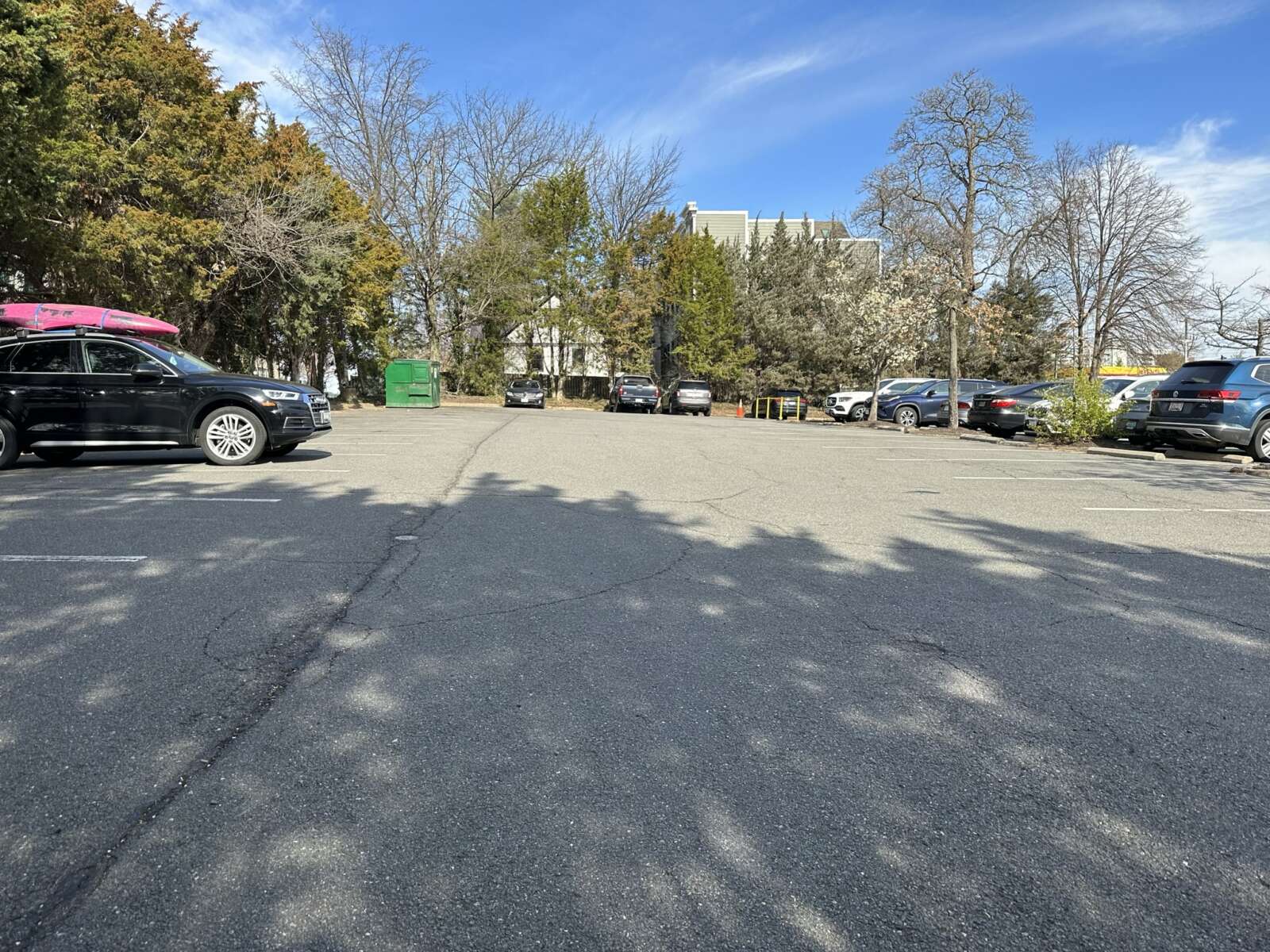
Fairfax County is moving forward with updates to its landscaping and screening requirements along streets and parking lots.
The Fairfax County Planning Commission recommended the approval of changes to the ordinance at a meeting on Dec. 6. If fully approved, it would be the first major change to the ordinance in 40 years and could make parking lots greener.
Planning staff proposed the update to the Fairfax County Board of Supervisors at a land use policy committee meeting back in May.
At the planning commission public hearing, Sara Morgan with the Department of Planning and Zoning, said the introduction of “street frontage landscaping” would require developers to provide a planting strip on private property parallel to a public or private street. Single-family dwellings would be exempted.
“It is on private property. It’s 10-foot wide with one tree for every 30 feet,” Morgan said.
The current ordinance requires trees to be installed at any surface parking lot with 20 or more spaces. The update would expand that requirement to surface lots with 10 or more parking spaces. It would also increase the required tree coverage from 5% to 10% “to address some of the urban heat-island effects and other environmental impacts,” Morgan said.
For parking garages, the new ordinance would establish shade structure requirements. New garages would need to have 10% of their top decks covered with shade.
“The parking structure could be a canopy, a canopy with vegetative roofs, solar collections systems or trees,” Morgan said.
To incentivize the use of solar power, developers that add a solar system on top of a garage would only need to cover 5% of the structure instead of 10%, Morgan added.
The Great Falls Citizens Association raised an objection to the substitution of shade structures as an alternative to natural landscaping.
Morgan said this was included because often, trees planted on top of parking structures do not grow to the extent where they provide adequate shade.
“So, we are looking at ways where we can achieve that shade through the means of possible trees, but also through the canopies or the solar collection systems,” she said.
Other changes in the ordinance include a preference for native tree species as well as environmentally tolerant species. During outreach, the county heard from individuals who wanted more species that have the ability to withstand high heat and high-drought flooding, according to Morgan.
Braddock District Commissioner Mary Cortina proposed amending the ordinance to specify that preference be given to environmentally tolerant species “where appropriate for site conditions.” The commission unanimously approved the amendment.
Cortina praised the timing of the proposed changes, calling it a good decision to follow up the county’s approval this fall of new off-street parking standards
“And I think this decision alone is really going to change how these parking lots look,” she said.
The ordinance will now go to the Board of Supervisors for approval on Jan. 23.
