

Virginia Gov. Ralph Northam announced a series of new guidelines today (Thursday) aimed at getting the COVID-19 pandemic under control as case numbers soar in Fairfax County and throughout the state.
Starting at 12:01 a.m. on Dec. 14, all Virginians will be expected to stay at home between 12 and 5 a.m. unless they are traveling to and from work, obtaining food and goods, or seeking medical attention.
While the modified stay-at-home order only applies to those early morning hours, Northam urged people to stay home whenever possible during other hours of the day as well, stating that he “strongly” encourages people to telework if they can.
“We already have strong public health measures in place, and with these additional steps, we can turn this around,” Northam said. “Virginians, if you don’t have to be out, stay at home. Whenever we are around other people, we all need to wear a mask, indoors and out.”
The new COVID-19 mitigation measures that take effect on Monday also include an expansion of the state’s existing requirement that all Virginians 5 and older wear a mask in indoor public settings.
Now, all individuals 5 and older will be required to wear face coverings in all indoor settings other than their own home and in all outdoor public settings when within six feet of another person.
The limit on indoor and outdoor social gatherings has been reduced from 25 to 10 individuals. Like before, this rule applies primarily to parties, celebrations, and other social events, but not religious services, workplaces, and schools.
The prohibition on alcohol service in dining establishments after 10 p.m. remains in place, and all restaurant workers are required to wear a mask, even if they don’t interact with customers face-to-face.
Northam said that state agencies will step up their enforcement of social distancing, cleaning, and mask-wearing requirements for businesses. Virginia has issued 181 letters for COVID-19 rule violations so far.
However, the governor declined to follow the lead of some neighboring jurisdictions in shutting down indoor dining, stating that social distancing requirements already significantly reduce the capacity of restaurants.
Despite calls for a statewide return to virtual learning from teachers’ unions in Northern Virginia, Northam also did not introduce any new guidelines for educational institutions, leaving decisions regarding school operations up to the discretion of local officials.
“Local leaders know what’s right for their community,” Northam said. “We’re going to keep working with local leaders to make sure they have the information they need to make the right decisions.”
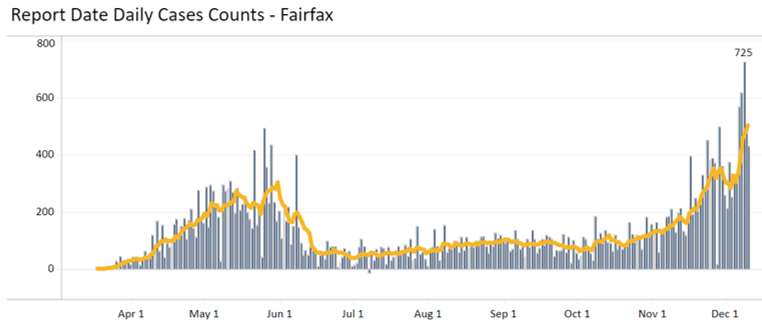
Virginia is now averaging 3,700 new COVID-19 cases per day, three times higher than the peak of 1,200 daily cases in May. The statewide testing positivity rate is 11%, and more than 2,000 Virginians are currently hospitalized, an 80% increase over the last four weeks.
The Fairfax Health District recorded 440 new cases today, and its seven-day average hit a new high of 501.9 cases after reporting a single-day record of 725 new cases on Dec. 8.
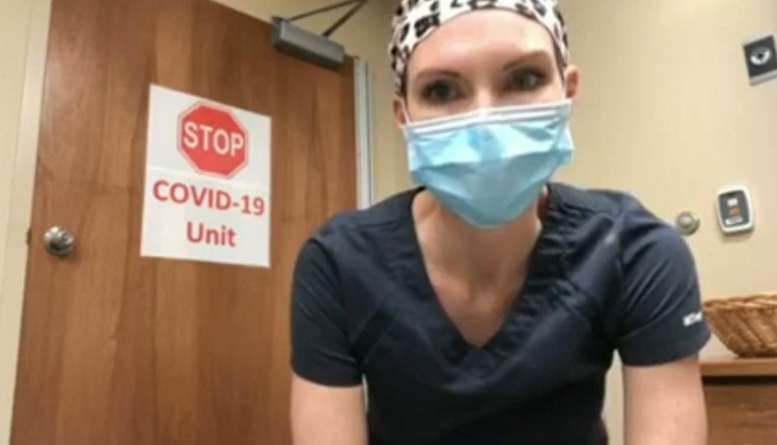
During his announcement, Northam played a video from a healthcare worker named Emily who has been working in a COVID-19 intensive care unit over the past month. She described holding patients’ hands as they died and putting an “ungodly” number of people in body bags.
“I cry a lot. This is real,” Emily said. “…If you could stop just one case by wearing a mask or staying home when you didn’t have to go out, it would help us so much.”
Images via Governor of Virginia/Facebook, Virginia Department of Health
Fairfax County Public Schools Presents Final Options for TJ Admissions — “After months of debate, Fairfax County school officials are proposing final options for reforming admissions at Thomas Jefferson High School for Science and Technology — either switching to a lottery system or adopting a “holistic review,” revisions meant to boost diversity at the flagship STEM magnet school.” [The Washington Post]
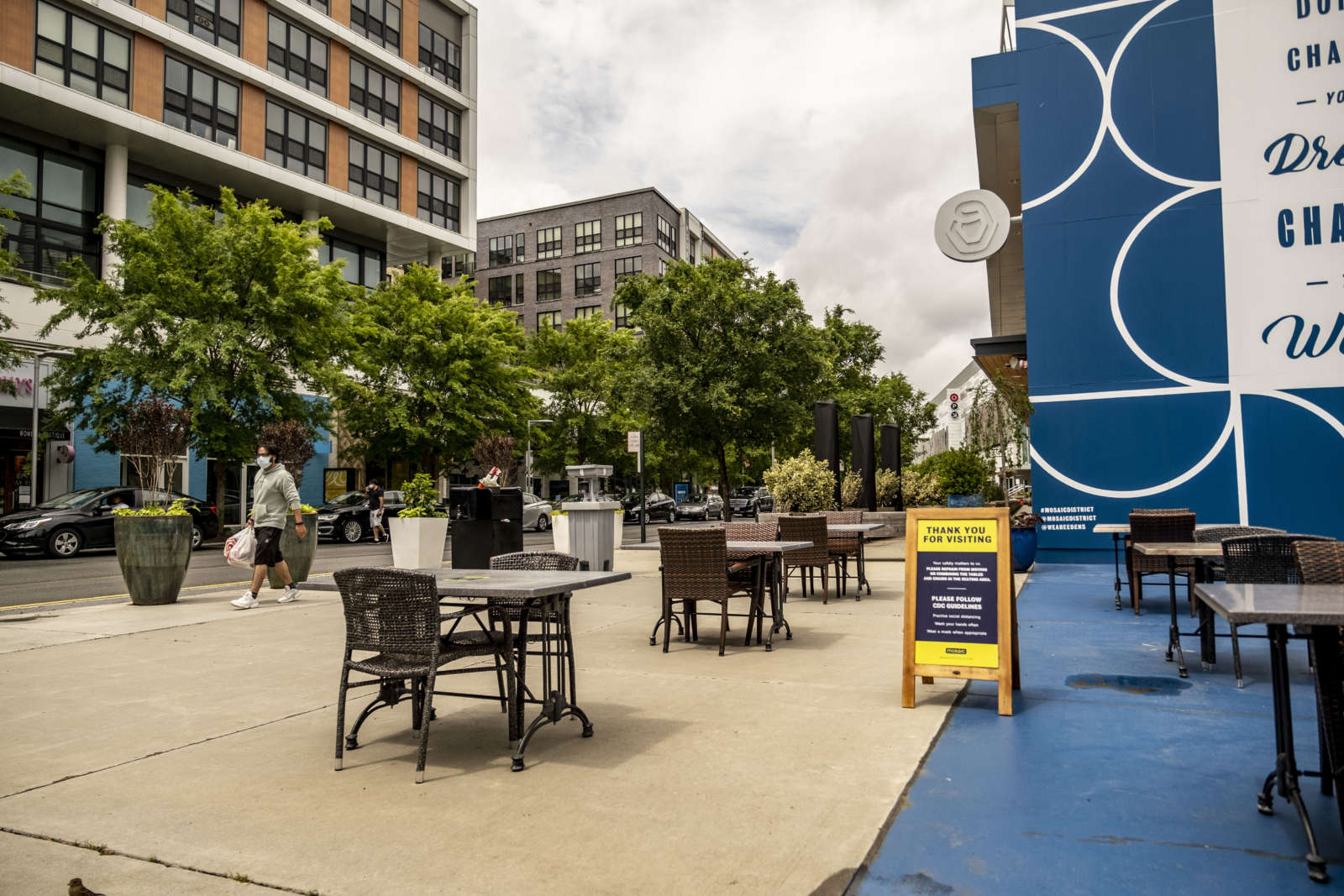
Tex-Mex Restaurant Opens in Mosaic District — “Urbano Mosaic is a spinoff of Urbano116, a similar concept on lower King Street in Alexandria…The menu covers items such as appetizers, ceviches, tacos, salads, fajitas, chimichangas, enchiladas, burritos, entrées and platters.” [Patch]
Virginia Transit Leaders Discuss Post-Pandemic Commute Changes — “Democratic senators Tim Kaine and Mark Warner — the latter in a recorded message — expressed optimism that lawmakers would soon pass a COVID-19 relief package. Kaine and Warner reiterated the importance of funding to enable Metro to avoid major service cuts despite its budget shortfalls.” [WTOP]
Staff photo by Jay Westcott
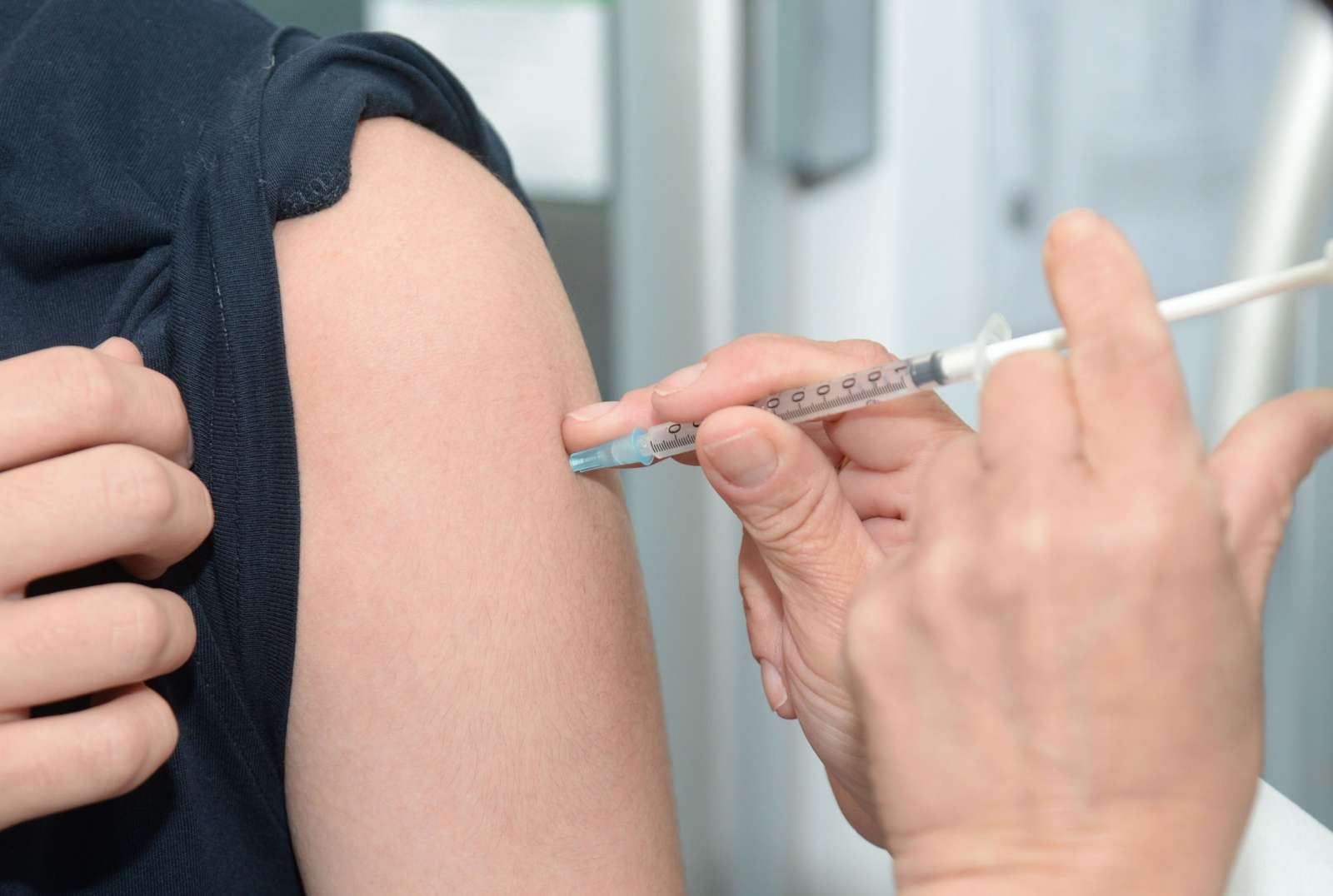
With the emergency approval of a COVID-19 vaccine expected before 2021, county officials are one step closer to getting ready for mass vaccination planning.
At a meeting on Tuesday (Dec. 1), the Fairfax County Board of Supervisors voted unanimously to accept a $500,000 state grant for the county’s mass vaccination program. Funds will be available through the state’s $22 million Coronavirus Relief Fund, which will be used to create a statewide program to distribute the vaccine once it is available.
Two companies — Pfizer and Moderna — are awaiting emergency authorizations of their vaccines in the United States. The U.S. Food and Drug and Administration is expected to authorize the approvals in mid-December.
The Centers for Disease Control and Prevention’s advisory committee on immunization practices voted earlier this week to make the first priority group health care workers and long-term care residents.
The county’s program also allocates roughly $14 million to help local health districts like the Fairfax Health District prepare for mass vaccination efforts. The grant must be used for facility rental costs, hiring for temporary positions, travel costs, printing, signage, and other expenses related to operating vaccination clinics.
Fairfax County Executive Brian Hill said his health department is actively working on a vaccination plan for the county “as we speak.” He noted that the county’s plan will depend heavily on the state’s strategy and other conditions, including who will receive the vaccine first.
“Once we know the particulars, we will have a plan in place per the Virginia Department of Health guidelines,” Hill said.
A county-based mass vaccination workgroup has been meeting since mid-June to discuss vaccination plans.
Hunter Mill District Supervisor Walter Alcorn urged the county to provide information on how the plan would be administered. He added that lines for the H1N1 vaccine program rivaled the lines the county recently saw for early voting.
“I just want to make sure we see what the plan is particularly as it relates to logistics,” he said.
Funds from the state grant must be spent by the end of the month, after which point unspent dollars will revert back to the state. However, county staff noted that the federal government could extend the date for the overall program. Acceptance of the grant requires no local match.
State officials are also considering other funding sources to support next year’s vaccination program. The Virginia Department of Health estimates that the program will cost $120 million.
Virginia is expected to get a little over 70,000 doses in the first shipment from Pfizer.
“When our turn comes, my family and I will have no hesitancy about getting vaccinated, and I strongly encourage every Virginian to get the vaccine. That is our only path to getting back to that near normal,” Gov. Ralph Northam said in a press briefing yesterday (Wednesday).
Image via Hyttalo Souza/Unsplash

The Virginia Department of Rail and Public Transportation is currently exploring possibilities for adding more transit routes to Tysons along the Interstate 495 corridor as part of its I-495/American Legion Bridge Transit and Transportation Demand Management Study.
Joined by Virginia Department of Transportation and Maryland Transit Administration officials, DRPT presented some potential options for new connections at a public meeting on Wednesday (Nov. 18) that provided updates on the transit study and VDOT’s I-495 Express Lanes Northern Extension (495 NEXT) project.
DRPT officials have identified Tysons, Dunn Loring, Reston, and Arlington as key destinations in the corridor, noting that there tends to be more demand for travel from Maryland to Virginia than the other way around.
“There is significant travel between activity centers on the Maryland 355 corridor and Silver Spring to destinations like Tysons, Dunn Loring, and the Virginia Route 7 corridor,” DRPT Northern Virginia Transit Planning Manager Ciara Williams said. “A great deal of transit services operate in the study area. However, there are no transit services today that directly link the major activity centers.”
After looking at a variety of potential transit connections between Virginia and Maryland on 495, DRPT singled out eight possibilities that merited further study and ranked them based on their ability to add ridership relative to their cost, the service they would provide to low-income and minority populations, and the number of people and jobs to which they would improve access.
Five out of the eight preliminary possible transit routes go to Tysons. A sixth route – and the one that received the highest score – goes through Tysons to connect Bethesda and Dunn Loring.
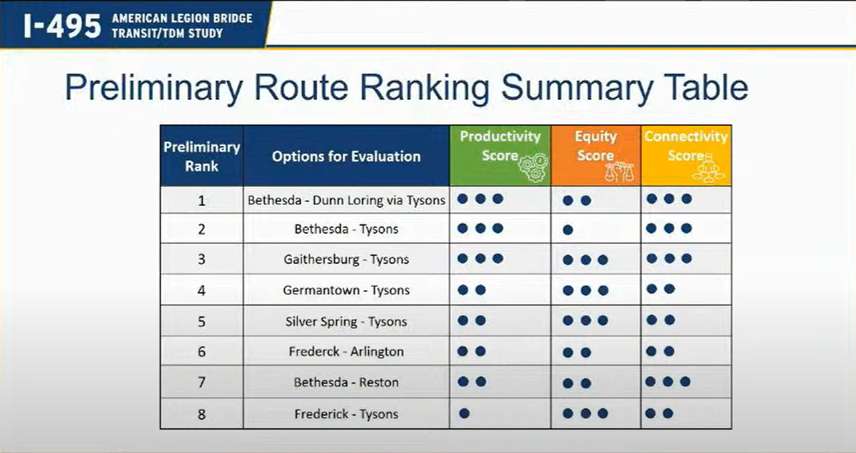
A proposed transit route that would go from Gaithersburg, Md., to Tysons during the morning peak period and in the other direction during the evening peak period is the only one that got a top score for productivity, equity, and connectivity.
However, the Bethesda-Dunn Loring and Bethesda-Tysons routes ranked higher, because a trips-per-day metric included in the productivity score was weighted higher to prioritize routes with the potential to yield the highest ridership levels, according to Williams.
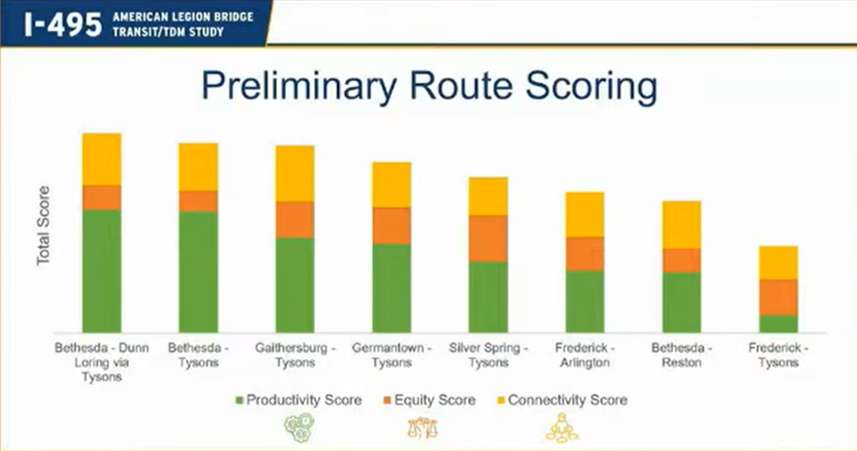
The other routes that DRPT is considering evaluating further are Germantown to Tysons, Silver Spring to Tysons, Frederick to Arlington, Bethesda to Reston, and Frederick to Tysons.
The American Legion Bridge transit study started in December 2019 after Virginia Gov. Ralph Northam and Maryland Gov. Larry Hogan announced an agreement to fund the $1 billion project to replace and widen the bridge, which is part of the Capital Beltway and currently the only way to travel between Maryland and Virginia without going through Washington, D.C.
“495 is one of the most congested roadways in all of Maryland and Virginia, and traffic is forecasted to increase in the future,” Williams said. “…We see that there’s a need for transit and TDM solutions in conjunction with the planned and managed Express Lanes to efficiently and effectively serve travel across the bridge.”
The transit study is being conducted in parallel with the proposed 495 NEXT project, which extends the existing 495 Express Lanes roughly three miles from the Dulles Toll Road and I-495 interchange to the George Washington Memorial Parkway near the American Legion Bridge.
DPRT Transportation Chief Jennifer Debruhl says the study team anticipates releasing its draft recommendations for public comment in early December before finalizing the study early next year.
Staff photo by Jay Westcott, slides via Virginia Department of Rail and Public Transportation
Fairfax County recorded a massive jump of 400 COVID-19 cases today (Monday), up from 174 yesterday, due to a backlog in data reporting on the part of the Virginia Department of Health.
The Fairfax Health District added 1,366 cases over the past week for a seven-day average of 195.1 cases, the highest rate since the district saw an average of 197.7 cases over seven days on June 8.
Fairfax County also reported three deaths from COVID-19 over the past week, raising the county’s death toll to 625 people. The county has now reported 27,095 total cases, and 2,440 people have been hospitalized since the Fairfax Health District identified its first presumptive positive case in early March.
The Fairfax Health District currently has a total testing positivity rate of 8.3% out of 392,064 testing encounters, according to the VDH.
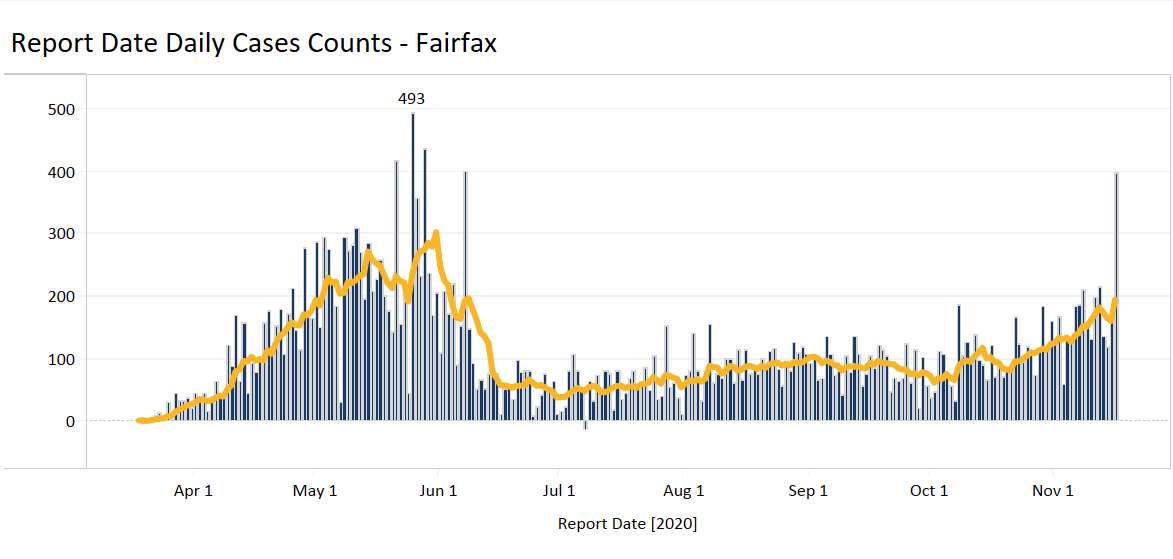
Because of the data reporting backlog, the 2,677 cases that the VDH reported today statewide are the most that Virginia has recorded in a single day at any point during the pandemic.
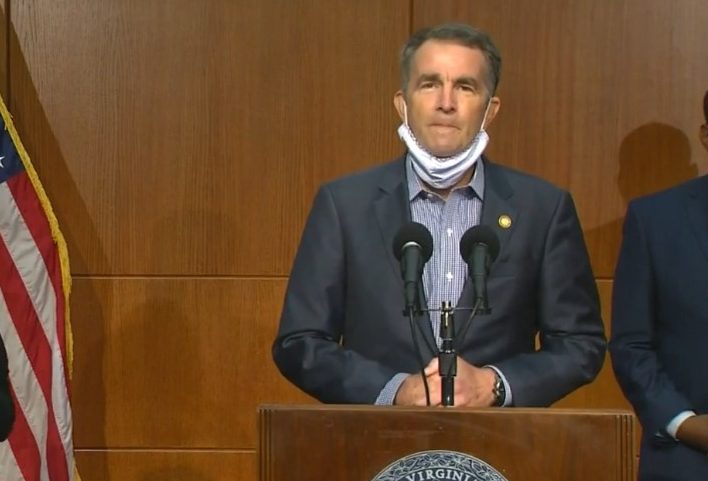
While Virginia’s COVID-19 infection rate remains one of the lowest in the U.S., the clear upward trend in cases that the state has seen over the past 90 days led Gov. Ralph Northam to tighten restrictions on social gatherings and businesses in an effort to mitigate the spread of the novel coronavirus.
“While cases are not rising in Virginia as rapidly as in some other states, I do not intend to wait until they are,” Northam said when announcing the new measures on Nov. 13. “We are acting now to prevent this health crisis from getting worse.”
Effective as of midnight on Sunday (Nov. 15), the cap on public and private in-person gatherings has dropped from 250 people to 25. The revised executive order defines gatherings as indoor and outdoor parties, celebrations, and other social events, but the limit does not apply to educational settings.
Religious services can also have more than 25 people in attendance if they adhere to health and social distancing protocols, including having at least six feet of separation between individuals and practicing routine cleaning and disinfection of frequently-contacted surfaces.
A mask mandate requiring all individuals 10 and older to wear face coverings in indoor public settings that has been in place since May 29 has been expanded to include all individuals aged 5 and over.
Northam has also prohibited the on-site sale, consumption, and possession of alcohol after 10 p.m. in any restaurant, bar, or other food and beverage service establishment.
Finally, violations of social distancing, mask-wearing, and cleaning guidelines by essential retail businesses, including grocery stores and pharmacies, are now punishable by the state health department as Class One misdemeanors.
Photo via Governor of Virginia/Facebook, Virginia Department of Health
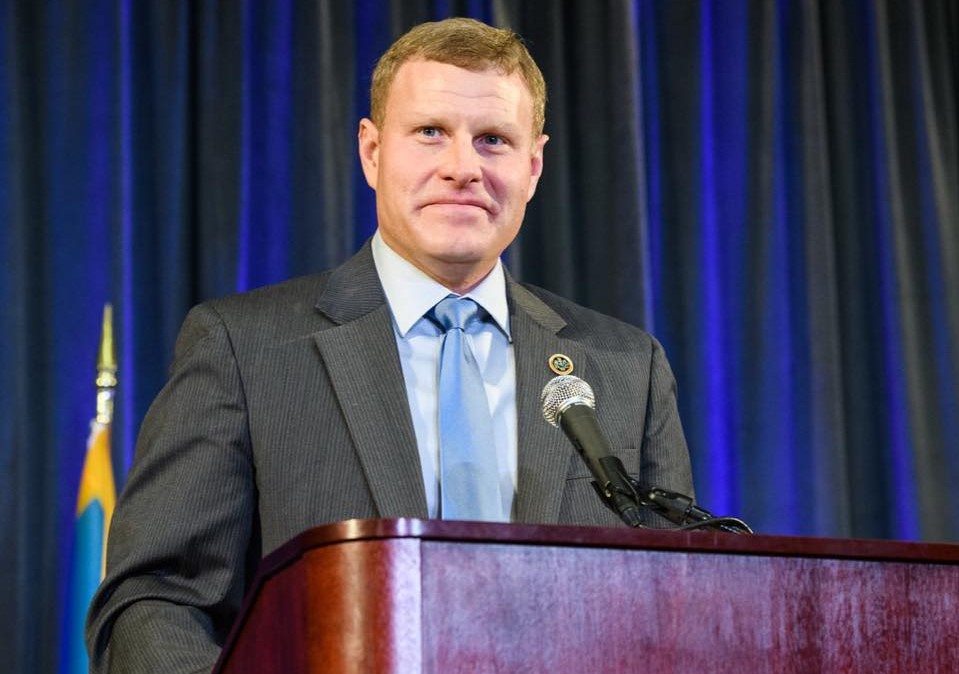
Fairfax County Board of Supervisors Chairman Jeffrey McKay was elected to serve as the 2021 president of the Virginia Association of Counties (VACo) yesterday.
The statewide group advocates with the state’s legislature for the interests of the Commonwealth’s 95 counties, according to a press release from McKay.
“I’m honored to serve as the next president of the Virginia Association of Counties. Throughout my many years with VACo, I have always considered us to be a large family,” McKay said in a speech delivered to members Wednesday (Nov. 11) morning.
“I treasure the many relationships I have built with my colleagues throughout Virginia. VACo is a great way to bring us all together to advance our communities,” said McKay.
Chairman McKay had led efforts with VACo over the last several years to drastically increase state funding for education and transportation, and to ensure the perspective of counties is heard statewide, according to the press release.
This upcoming year, Chairman McKay wants to lead VACo with the same level of attention to equity as Fairfax County.
“As a kid riding my bike with friends, I didn’t realize what this meant, but I saw firsthand that where you come from was an important factor for your future success and livelihood,” McKay said. “When I got older, I understood that this was wrong.”
“This was a driving force behind my decision to begin a career in local government and an inspiration behind the One Fairfax equity policy that I introduced in 2017. This policy has become central to all decision-making in Fairfax County by requiring us to look at all policies.”
McKay started his tenure yesterday.
Photo via Jeff McKay/Facebook
The City of Falls Church is encouraging businesses to prepare for winter and apply for COVID-19 relief grants worth up to $100,000.
More businesses may be eligible for increased sums of relief money under Gov. Ralph Northam’s expanded criteria for Rebuild VA grants. The changes were announced last Thursday.
Under the new criteria, businesses that have less than $10 million in gross revenue or fewer than 250 employees will be eligible to receive up to $100,000, which is 10 times the original grant maximum.
The Rebuild VA Grant Fund is a program to help small businesses and non-profits whose operations were disrupted by COVID-19. Rebuild VA will now be open to all types of Virginia small businesses that meet size and other eligibility requirements, from restaurants and summer camps to farmers and retail shops.
This is in addition to the $250,000 that the City of Falls Church agreed to appropriate last week from the city’s CARES Act funding to give to small businesses. Businesses that previously received a Rebuild VA grant will receive a second award in line with the updated guidelines.
Falls Church City spokesperson Susan Finarelli says the Rebuild VA program expansion is especially welcome as the cooling weather could present extra challenges to local businesses.
 “The City of Falls Church is trying to help City businesses succeed through the pandemic with grants, special permits, and sharing resources and information,” Finarelli said in an email. “…The more businesses and non-profits than can benefit, the better for the entire community.”
Approved Rebuild VA applicants may receive grants of three times their average monthly recurring eligible operating expenses, plus COVID-related expenses, up to a maximum of $100,000. Applicants who have received CARES Act funding are not eligible to receive reimbursement for COVID-related expenses under the Rebuild VA grant.
Eligible recurring operating expenses include:
- Payroll and benefits
- Mortgage payments
- Rent or Lease payments
- Utilities
- Principal and interest payments for business loans incurred before or during the emergency
Eligible COVID-related operating expenses, made on or after March 24, include:
- Expenses to comply with safety standards relating to COVID-19 prevention
- Expenses to reconfigure business facilities to comply with physical distancing standards, including the installation of drive-through windows
- Expenses for using or phasing-in touch-free technology or equipment
- Purchase of equipment, infrastructure, technology or other services to prepare for and respond to coronavirus
- Purchase of equipment, infrastructure, technology or other capital assets to prevent transmission and provide a healthy and safe work environment
An application guide can be viewed here. A list of required documents can be viewed here.
Photo via Governor of Virginia/Facebook

While Virginia’s U.S. Congressional delegation looks like it will remain largely unchanged after the 2020 general election, voters approved a state constitutional amendment that will reshape the process for how their representatives will be chosen in the future.
One of two statewide referendums on the ballot, Constitutional Amendment 1 shifts responsibility for drawing congressional and state legislative district lines from the Virginia General Assembly to a redistricting commission made up of eight legislators and eight appointed citizens.
According to the Virginia Department of Elections unofficial returns, Amendment 1 passed with 65.91% of voters casting their ballot in favor of it, though a few precincts had not yet reported results by Wednesday night and the results will not be official until they are certified on Nov. 16.
Fairfax County approved the measure by a smaller margin than the overall state, with 53.69% of voters supporting it and 46.31% opposing.
“From the start, this movement has been about putting the voices of citizens above politicians and political parties. Today, Virginia voters spoke loud and clear in approving Amendment 1,” Fair Maps VA executive director Brian Cannon and campaign co-chairs Wyatt Durrette and Bobby Vassar said in a joint statement on Wednesday (Nov. 4).
Fair Maps VA is a nonprofit advocacy organization formed in July by OneVirginia2021, the coalition of policymakers and citizens that spearheaded the redistricting commission proposal.
With Virginia set to redraw district lines next year, Fair Maps VA says the proposed commission will combat partisan gerrymandering by giving members of the public “a seat at the table” instead of leaving redistricting exclusively in the hands of legislators, as previously dictated by the Constitution of Virginia.
The General Assembly will vote on new district maps, but it will not be able to change them. If new maps are not approved by set deadlines, the Supreme Court of Virginia will draw them.
“In creating a bipartisan redistricting commission…[voters] said they want a transparent redistricting process,” Cannon, Durrette, and Vassar said. “They want civil rights protections to be added to the state constitution for the very first time. And they said that they want to end partisan gerrymandering in Virginia once and for all.” Read More
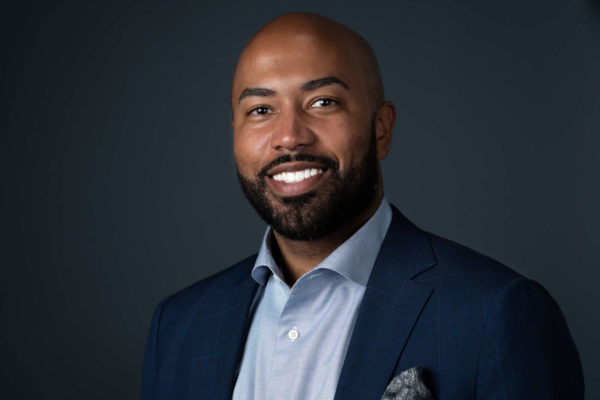
Fairfax County NAACP President Sean Perryman announced on Tuesday his bid for Lieutenant Governor of Virginia.
Perryman has been a practicing attorney for 10 years, working on policies relating to emerging technologies. He has been an active member of the Fairfax County Democratic Committee Steering Committee since 2018. He also served as counsel on the House Oversight Committee while working on the staff of late Congressman Elijah Cummings.
“I would be someone who every day would try to make sure I’m incorporating the voices of those that feel marginalized or unheard,” Perryman said. “That would be my primary goal of doing this.”
He joins a group of candidates vying for the Democratic Party’s nomination for lieutenant governor that includes Del. Elizabeth R. Guzmán (Prince William), Del. Hala Ayala (Prince William), former Democratic Party chairman Paul Goldman, and Arlington County businessman Xavier Warren.
Republican candidates include former delegate Timothy D. Hugo (Fairfax), Del. Glenn R. Davis Jr. (Virginia Beach), Fairfax County business consultant Puneet Ahluwalia, and Lance Allen, a national security company executive from Fauquier County.
Each candidate is vying for the role that will be vacated by Lt. Gov. Justin Fairfax (D), who is running for governor.
Perryman is focusing his campaign on the values learned and utilized through his advocacy work and public service, as well as his work as the first director of social impact and diversity and inclusion policy at the Internet Association.
“I would say the ‘Es’: education, equity, economics and environment,” Perryman said. “That’s really the issues I view as the most urgent problems we’re facing and what we’re going to focus on as a campaign to get us out of this mess in the years to come.”
Perryman added that his decision to run for lieutenant governor comes amidst the “inequities that we already had” that were brought to the forefront by the COVID-19 pandemic. Read More
