

When we talk about marital agreements, we mostly come across pre-nuptial agreements or marital settlement agreements, which are agreements between the couple before marriage. A less common type of marital agreement is a “Mid-nuptial” agreement. This is an agreement between spouses who are already married.
Although mid-nuptial agreements are less common, it is important to have awareness about the terms and conditions associated with them as this information is vital in certain situations. For instance, in cases of divorce or death of either of the married spouses, the terms of mid-nuptial agreements can change the rules applied on either spouse just like prenuptial agreements.
Conditions to be met for mid-nuptial agreements
To be a part of the mid-nuptial agreement both spouses must choose and consult with the attorney of their choice independently. Additionally, they must show all their attested assets and liabilities at the time of agreement. Furthermore, each spouse must review and explain those attested documents before signing the agreement.
Terms that can be included in the agreement:
Properties that can be included in mid-nuptial agreements are homes, business ventures, inheritance, investments, and properties bought before the marriage. In the agreement, both spouses will decide how this property will be divided in case of divorce or death of either spouse. The mid-nuptial agreement may include sections defining property and their division depending on the circumstances like death or divorce.
Also, the properties which were acquired jointly by both spouses during their marriage can be included in this agreement. These types of properties are considered marital assets under the divorce code. Both spouses can mutually decide what will happen with those assets if divorce should occur. This can save time and money in the long run because the agreement spells out what the parties intended when they were on amicable terms.
Debts of both spouses in the marital state can also be included in the mid-nuptial agreement. The agreement will determine what will happen with the couple’s debt if divorce or the death of either spouse occurs. This section of the agreement can also establish separate responsibility for the debts of one spouse including the possibility that each spouse is only responsible for the debts incurred in their name.
Mutual consent is a must in this agreement. It cannot be forced upon either of the spouses. The agreement will include a section regarding their mutual consent explaining that signing this agreement is a decision of their own free will. With the mutual consent of both spouses, a provision can be included in this agreement that will allow them to modify it whenever needed. In this case with mutual consent, the document will be drafted, reviewed, signed, and executed later in the marriage.
“Making a mid-nuptial agreement should be prioritized by married couples without any marital agreements, as mid-nuptial agreements have proven to be very helpful in cases of any unprecedented situations or unfortunate incidents mid-marriage” says attorney Nicole Bikakis from Dolan Divorce Lawyers.
Hire an experienced attorney:
Planning a wedding can be a very tedious task, and many couples fail to write a prenuptial agreement due to a lack of time, energy, or understanding of the importance of it. If you find yourself in this position, you can always create a mid-nuptial agreement between you and your spouse. For helpful guidance and to make the overall process easy and smooth, the best option is to hire an experienced attorney to evaluate your situation and circumstances and provide you with the best feasible option for your case.
If you work in or live near a factory that handles dangerous chemicals, exposure to such chemicals can result in illnesses or injuries. Business owners are responsible for ensuring that the chemicals they use at their facilities are used and disposed of correctly to avoid the possibility of inflicting harm on others.
If a premises owner neglects their duty to keep employees and the community safe, they can be held liable for damages resulting from contact with the dangerous chemicals.
If you suffer injuries from exposure to toxic chemicals, you may be eligible to recoup compensation for damages resulting from the harmful exposure. However, compensation does not come automatically. You must file a claim with the at-fault party and at the right time, usually determined by the statute of limitations which is the time-frame in which a claimant can legally sue for damages.
Statute of Limitations and Discovery Rule
Applying the statute of limitation is straightforward for normal accidents such as car accidents, slip and falls, and falls from heights because it runs from the date of suffering the injury. However, injuries suffered from exposure to toxic chemicals may be gradual and could take years to show.
Under such circumstances, the discovery rule comes into play. Under the discovery rule, the statute of limitations runs from the day the claimant is diagnosed with an injury or illness linked to exposure to the dangerous chemical.
Compensation as an Employee
If you suffer injuries as an employee, you are eligible to collect workers’ compensation benefits. Workers’ compensation operates on a no-fault basis. That means you could be eligible even when the exposure was partly due to your negligence, for example, failure to follow safety protocol.
Under workers’ compensation, you can only recover economic damages such as lost wages, medical bills, cost of therapy, and prescription medicine. The workers’ compensation claims process is pretty straightforward in states like South Carolina, meaning you can navigate it without an attorney.
However, if the harm resulted from your employer’s intentional conduct, you may need to contact a Columbia personal injury lawyer to help you sue them personally for personal injuries. Under such circumstances, you can recover non-economic damages and even punitive damages.
Compensation for Non Employees
If you live near a factory that handles dangerous chemicals and consequently suffer any kind of harm, you can file a personal injury lawsuit against them. Unlike workers’ compensation coverage which limits recoverable damages to economic damages, you can recoup both economic and non-economic injuries through a personal injury lawsuit. Non-economic injuries include pain and suffering, disfigurement, disability, and psychological pain.
If the exposure affects a large group of people, your lawyer can initiate a case for you as a primary person and then accept other victims in this case. This kind of arrangement is referred to as a class-action lawsuit. Once a settlement is reached, the payout is subdivided among class members depending on damages suffered.
Class action lawsuits can be complicated but are an excellent way of cost-sharing when seeking justice. However, it will require working with an injury attorney that has a record of handling similar cases.
If exposure results in death, beneficiaries of the deceased can file a claim for wrongful death. Recoverable damages in a wrongful death claim resulting from toxic chemical exposure can include loss of a source of livelihood, medical costs, funeral costs, grief, loss of companionship, etc.
Laura Schwartz is a licensed Realtor in VA, D.C. and MD with McEnearney Associates in Vienna. You can follow Laura on Instagram at @LauraSchwartzRealtor or her Facebook page. Laura can be reached at 703-283-6120 or [email protected]
My husband and I got to sneak in a Sunday morning breakfast date where we got bagels at Call Your Mother and sat by the Georgetown Waterfront with the ducks for a few peaceful moments alone (highly recommend if you are looking for some time by a body of water).
Eating that led me to think about the breakfast options in Vienna. We have quite a few!
I’m on the hunt for the best breakfast sandwich in town. I am making a few nominations, but I’d love to hear where you sneak a good egg, cheese or veggie breakfast sandwich in around town. I’ll post the results on my social media at the end of the week!

Follow me on Instagram at @LauraSchwartzRealtor or on Facebook at Facebook.com/GuidingYourMove.
Nominate your favorite!
The preceding sponsored post was also published on FFXnow.com
Personal injury claims are a common type of court case. As the name implies, these types of claims deal with an individual’s injuries resulting from an accident, such as a car accident or on-site job accident.
Personal injury claims aim to provide compensation for an individual’s injuries. Ideally, the compensation should be generous enough so that you are returned to your financial status before the accident, as you may be unlikely to return to your previous physical state.
What Constitutes a Personal Injury Case?
One of the primary components for personal injury claims is that there needs to be an at-fault party. That is, an individual, company, etc., must be directly responsible for your injuries.
If no one is directly or indirectly responsible for your injuries, you are unlikely to receive any compensation or file a claim. This will also be the case if there was no way to predict the chain of events that led to your injuries.
Talk with a personal injury attorney to see whether your circumstances meet the criteria to move forward legally. An attorney will analyze the chain of events and determine if there were at-fault parties, the extent of responsibility they may have for your injuries, and the amount of compensation your injuries are worth.
How Much Are Personal Injury Claims Worth?
Each person’s compensation for a personal injury claim varies according to several factors, such as the extent of the injuries, the amount of responsibility each party bears, and the level of insurance coverage each party has. The amount of compensation differs for each personal injury case because each claim is different.
There are three basic types of damages an individual may be able to claim:
- Economic Damages — These damages cover an individual’s financial losses, such as medical bills, the cost of medications or therapy, loss of income or future earning potential, and travel expenses to a doctor or physical therapist
- Non-Economic Damages — These damages cover the pain and suffering an individual experiences from their injuries, such as physical pain or discomfort, temporary or permanent disabilities, and reduced quality of life
- Punitive Damages — These damages compensate an individual for the other party’s negligence or wrongdoing, such as in the case of an accident that resulted from another driver’s intoxication or impairment
Not every type of damage is applicable for all personal injury cases. Economic and punitive damages may be appropriate for one injury case but irrelevant for another.
Additionally, each state has specific laws surrounding personal injury claims, reducing the compensation you are eligible to receive. This is especially true for comparative fault laws, which reduce an individual’s compensation proportionately to the degree of responsibility that person bears for the accident or their injuries. So if you are at fault for the accident in any way, it will reduce your compensation.
How Do You Provide Proof of Fault?
The burden of proof rests with the plaintiff, typically the injured individual, to prove that the defendant was responsible for the accident that caused the injuries in question. For personal injury cases, the standard is providing enough evidence that it is ‘more likely than not’ that the defendant is responsible.
Proving responsibility is typically tied to negligence. That is, you need to prove:
- The defendant was negligent.
- That negligence caused an accident or other chain of events that injured you.
- You sustained short- or long-term damages because of the injuries.
Evidence to prove negligence varies according to each case. Examples of evidence include police reports, photographs or videos of the accident, statements from eyewitnesses or involved parties, and copies of medical records or testimony from a doctor.
While it may seem inherent that the marriage and divorce rates in the U.S. tumbled during the pandemic with the courts and wedding venues shut down, a new study from Bowling Green State University indicates the impacts of COVID on American couples were even more significant than predicted.
Bowling Green’s Center for Family and Demographic research analyzed five states that released their monthly marriage and divorce rates from last year: Arizona, Florida, Missouri, New Hampshire, and Oregon.
Analyzing the Data
Florida, the largest state in the study, saw a 33 percent drop in the marriage rate and a 28 percent drop in the divorce rate. Although Florida’s marriage and divorce rate decline was the steepest out of the five states analyzed, researchers at Bowling Green were able to aggregate trends from all five states and apply them on a nationwide scale.
Results from this analysis indicate that 339,917 marriages and 191,053 divorces were either canceled or postponed in 2020. Considering that in 2019 there were around two million marriages and one million divorces, this data depicts that the overall marriage rate dropped by over 15 percent in 2020, with the divorce rate declining by nearly twenty percent, an astonishing figure.
Drawing Conclusions
These results contradict a widespread sentiment amongst researchers and academics during the pandemic. Many believed that the complications and proximity forced upon couples in quarantine would compel many more to divorce.
Furthermore, the marriage and divorce rates did not see a sizable rise once restrictions were minimized in most states at the beginning of the summer, suggesting a lack of pent-up demand from quarantine. While this trend is not valid in every state, as Arizona did see a sizable uptick in marriages and divorces after the spring of 2020, it is clear that United States couples felt overall less inclined to commit to marriage or separation once COVID began.
Evaluating the Cause
Although we hope the reason behind the prolonged drop in marriages and divorce is because couples were, and continue to be, happier after lockdown, this is most likely not the case. Many family law attorneys have identified the financial aspect inherent in marriage and divorce as the reason behind the decline. Attorneys and other professionals in the field claim that practical fiscal responsibility dominated couples’ decision-making under the uncertain conditions of the pandemic, supplanting the desire to throw a wedding reception or file for divorce.
Happy couples were willing to wait until life returned to normal before they had their ceremony. Separating couples wanted to ensure their finances were stable before beginning the resource-draining process of divorce. In both cases, couples felt like they were in limbo, ultimately permitting more time to evaluate their initial decision.
Going Forward
In the future, it appears as though this drop in the marriage and divorce rate will continue, as many Americans have permanently changed their perspective on traditional marriage. Before the pandemic began, marriage and divorce rates had already been declining for years. Considering that in 1980, the divorce rate was 22.6 per 1,000 married women, and in 2019 it was only 15.5 per 1,000 married women, it is clear younger couples have less of a desire to get and stay married.
Previous studies have also shown that younger couples wait longer to tie the knot. Additionally, those who choose to get married are typically more educated and more affluent than the average American. Ultimately, the institution of marriage is under more scrutiny than ever before, as the pandemic exacerbated the already declining occurrence of marriage and divorce.
Laura Schwartz is a licensed Realtor in VA, D.C. and MD with McEnearney Associates in Vienna. You can follow Laura on Instagram at @LauraSchwartzRealtor or her Facebook page. Laura can be reached at 703-283-6120 or [email protected]
May 1st marked the opening of strawberry picking season!
Most of the patches will be open by mid-May for the month and into early June or until everything is picked! Many of these farms also offer other food and treats, so make the most of your adventure!
- Messick’s Farm in Bealton, Virginia: Check their Facebook page for updates on the availability of U-pick. They don’t require reservations, but you will have to use their baskets for picking which are $4.99 per pound. While Messick’s has their own custard and availability of treats, you can also make a trip to Moo Thru — an ice cream drive-thru.
- Wegmeyer Farms in three locations in Hamilton, Aldie and Leesburg, Virginia: They have strawberry picking by appointment, which opens up the night before and fills up fast. Make sure you follow them on Facebook for the most up-to-date information. Don’t miss their donuts! They hope to be open by Sunday.
- Hidden Gems Farms in Centreville, Virginia: Their strawberry picking will start soon (check the website for opening info) and they’ll have blueberry picking this summer. They also have other activities like playing with goats, plus food like donuts, bread and cheese.
- Hollin Farms in Delaplane, Virginia: Hollin Farms will open in late May for strawberries and spring vegetables. They have a lot of other fruit throughout the year as well.
- Butler’s Orchard in Germantown, Maryland: Reserve strawberry picking by appointment later this month. Reservations go live on Sundays and Thursdays at 5 p.m., so keep an eye out on their website! Walk-ins are welcome if there’s availability. Be sure to check their website for more details.
- Shlagel Farms in Waldorf, Maryland: Shlagel Farms is open now for strawberry picking! They update availability on their Facebook page.
- Swann Farms in Owings, Maryland: This farm is opening in the next 2 weeks for berry picking now! Check their website for updates.

The preceding sponsored post was also published on FFXnow.com
Laura Schwartz is a licensed Realtor in VA, D.C. and MD with McEnearney Associates in Vienna. You can follow Laura on Instagram at @LauraSchwartzRealtor or her Facebook page. Laura can be reached at 703-283-6120 or [email protected]
Maybe you’ve seen them jamming at ViVA Vienna or on their awesome town Halloween Parade float and wondered who they were. Now is your chance to find out!
The Vienna Jammers is a Percussion Ensemble with more than 135 children ranging in age from 8-18 years old from the Northern Virginia area. Their ensemble members are devoted to sharing their passion for music with the community.
The Big Jam is their biggest event of the year! Each of their ensembles will be performing a variety of originals, cover songs, and traditional pieces from around the world, with music guaranteed to entertain audience members of all ages.
Come experience an evening of music with special guest, Grammy-award winning artist, Bakithi Kumalo, at Capital One Hall in Tysons Corner on Saturday, May 21 at 7 p.m. Tickets available at https://www.viennajammers.org/. Prices start at $15 per ticket.
I’m a sponsor of this event and am very much looking forward to celebrating this event IN PERSON this year!
Follow Vienna Jammers on Facebook!

The preceding sponsored post was also published on FFXnow.com
Laura Schwartz is a licensed Realtor in VA, D.C. and MD with McEnearney Associates in Vienna. You can follow Laura on Instagram at @LauraSchwartzRealtor or her Facebook page. Laura can be reached at 703-283-6120 or [email protected]
Most real estate agents have a whole life before they start selling real estate — it’s often called a second career.
For me, I took an unconventional path to this career which basically started when I was born. My parents immigrated to the U.S. in 1980 from Belarus. They started their own business in 1986 and started investing in real estate shortly thereafter. My entire extended family — uncles, aunts, cousins, my brother, etc. all invest in real estate. I do too. Practice what you preach. So I have been involved in conversations about real estate my entire life.
After college, I worked for the government as a budget analyst for a bit, then as a government contractor while getting my masters in Economics from Johns Hopkins. I bought my first rental property when I was 24 in Upstate New York. When I was finishing my Masters, I bought my first Virginia condo in Clarendon that I would go on to sell in 2013. I’ve since sold the New York duplex, bought 3 rental properties in Virginia and bought and sold 3 primary residences — moving is a job hazard for realtors.
I decided to get into the sales side of things because I realized how much information out there is confusing, how many agents do this the wrong way with gimmicks and lies, and I just knew it could be done better. So far, I’ve been right. I don’t use any sales promises, no smoke and mirrors, just good old fashioned hand holding and solid advice.
If you’ve ever thought about starting a career in real estate — please don’t hesitate to reach out. I’m always happy to answer questions about the job!
The preceding sponsored post was also published on FFXnow.com
Laura Schwartz is a licensed Realtor in VA, D.C. and MD with McEnearney Associates in Vienna. You can follow Laura on Instagram at @LauraSchwartzRealtor or her Facebook page. Laura can be reached at 703-283-6120 or [email protected].
I’ve seen lots of spring cleaning posts on the various Vienna Facebook groups, that timed nicely with the luncheon I was invited to attend on Friday in honor of one of our very active local organizations: Women Giving Back.
What they do: Provide women and children in crisis clothing, diapers, shoes and other basic needs at no cost.
How you can help: donate clothing, donate hours volunteering, or donate money
Where you can donate: Donate at their office at 20 Export Drive, Sterling, VA 20164 or one of their partner locations.
This Friday (April 1), they held their annual luncheon at Westwood Country Club to help raise funds for their mission.

They had a phenomenal speaker, Linda Rabbitt, of Rand Construction who gave the most vulnerable, authentic and inspiring speech I’ve heard in a long time. I was left in tears.
The other very moving quote I hear was this:
“Clothes aren’t going to change the world. The women who wear them will.” — Anne Klein
Imagine how a new, correctly fitting suit empowers you to go on a job interview. Or leaving a domestic abuse situation with nothing but the clothes you’re wearing could leave you depressed, but a bag of new clothes could give you hope. Instead of selling random clothing online for $5, consider donating it instead.
Also, I want to give a huge, public shoutout to the woman who owns, First Excel Title, Lauren Kinnard. Lauren is one of the most philanthropic humans I know. She serves on multiple boards, including Women Giving Back, and she also handles many of my real estate settlements. She’s kind, generous, and really good at her job.
If you need a title company recommendation for a refinance, settlement, or deed transfer, please consider this local Vienna women-owned company.
Follow Women Giving Back and First Excel Title on Facebook!
The preceding sponsored post was also published on FFXnow.com
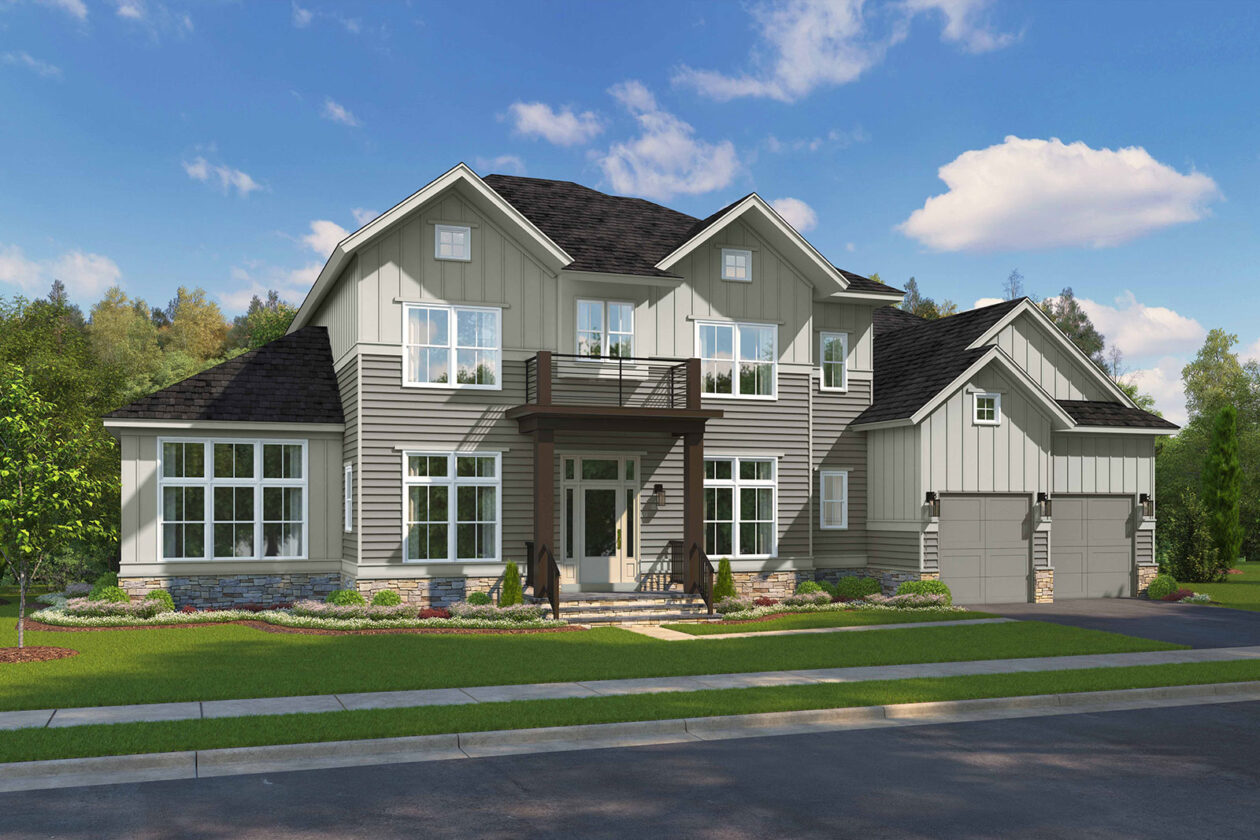
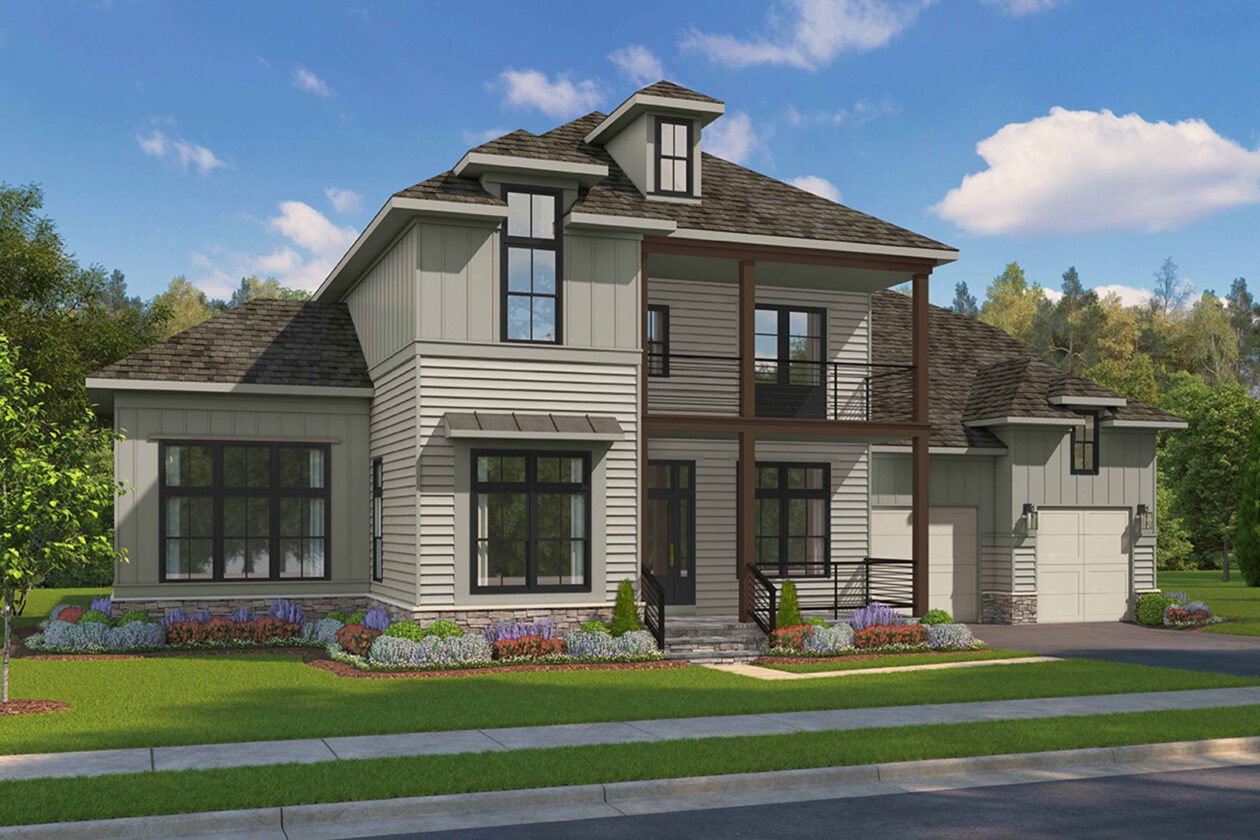
A highly-anticipated new community has entered the Northern Virginia market. Hudson Quarter is now selling a carefully curated collection of just 18 luxury homes from a sought-after area in Sleepy Hollow.
The homes at Hudson Quarter offer a spacious retreat from the hustle and bustle of popular nearby destinations. This remarkable community has been designed with a keen eye by the Gulick Group, a local builder renowned for their unique and artistic approach to building distinctive new homes.
Homeowners at Hudson Quarter will be able to select from three exceptional single-family home designs and customize with all of their desired features and finishes. Each available homesite sits on up to a third of an acre to ensure ample privacy. Inside the homes you’ll find plenty of room to unwind, with four to five bedrooms, three to four and a half baths and 4,200 to 8,000 finished square feet. Prices start from the $1.5Ms.
Equally as impressive as the homes themselves is the premier location that the neighborhood offers. Tucked away perfectly in Sleepy Hollow, residents will find themselves in a close-knit enclave without having to sacrifice any of the regional access desired for work and recreation.
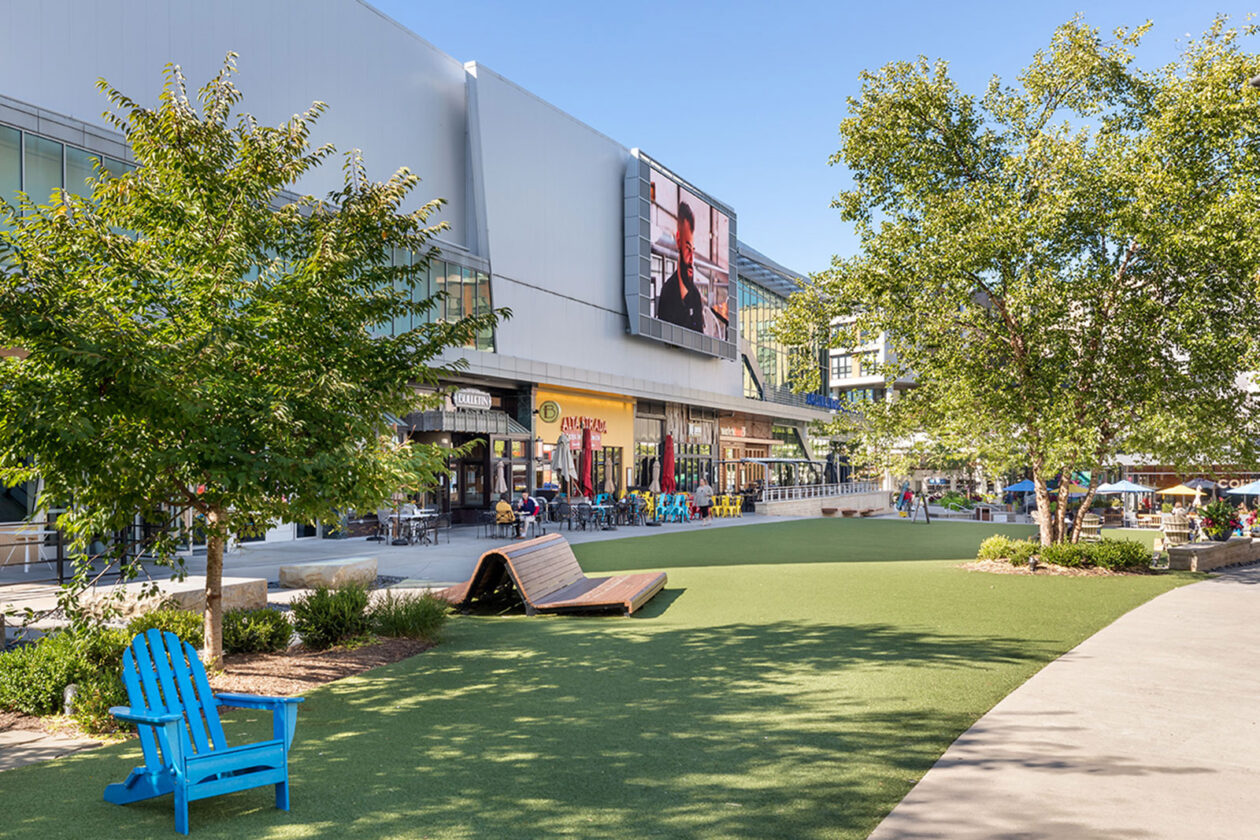
In just moments, a short drive will take you from Hudson Quarter to nearby retail and dining hubs at the Mosaic District and Downtown Falls Church. Local farmers markets, grocery stores and outdoor recreation are even closer. Homeowners will also be able to get to Washington, D.C., Tysons and more with ease via nearby commuter routes.
Interest in Hudson Quarter has been steadily growing since the community officially opened for sale. Prospective home shoppers can find additional information at HudsonQuarterInFallsChurch.com or schedule a private appointment with Iman Elagazy at [email protected] or 703-844-8440.
The preceding sponsored post was also published on FFXnow.com